guide/ao-dai
Ao Dai Design: Choose Your Style, Fit & Occasion
Ao Dai Diaries team · All guides →
Ao dai design encompasses silhouette (classic fitted, modern relaxed), fabric (silk, cotton, synthetic blends), and embellishment (solid, embroidered, printed). At Ao Dai Diaries, you select a style that suits your body—we fit XS–XXL—and occasion: photoshoots, weddings, Tet celebrations, or daily wear. Rental includes fitting, tailoring adjustments, and delivery to your hotel in Hanoi, Ho Chi Minh City, Hoi An, or Da Nang. Most clients book by browsing style galleries, discussing fit over WhatsApp/Zalo, and confirming a fitting appointment. Prices vary by fabric and embroidery complexity; classic cotton rentals cost less than silk or heavily hand-embroidered pieces. The ao dai is formal, respectful traditional wear—avoid overly theatrical designs or misuse. Start by defining your occasion, then choose fabric and color that photograph well and feel comfortable for hours. ---
What body shapes suit which ao dai silhouette?
The ao dai's traditional fitted bodice and flowing bottom flatters most frames, but silhouette tweaks matter. A slim, classic fit emphasizes height and elegance—ideal for petite and tall figures. A relaxed bodice offers comfort without sacrificing grace, suiting broader shoulders or apple-shaped torsos. The high slit on the front and back requires confidence; clients uncomfortable with leg exposure can request a shorter front slit or longer overlay panel. When you rent your ao dai, our stylists measure your bust, waist, hip, and inseam to choose or custom-tailor the fit. We've found that most Western clients (sizes 4–16 US) feel most confident in a silhouette one size roomier than street wear. Oversizing slightly improves mobility for photoshoots and ceremonies, preventing seam stress and allowing you to move naturally for 4–6 hours.
👗 Rent your ao dai — WhatsApp/Zalo +84 338 762 340
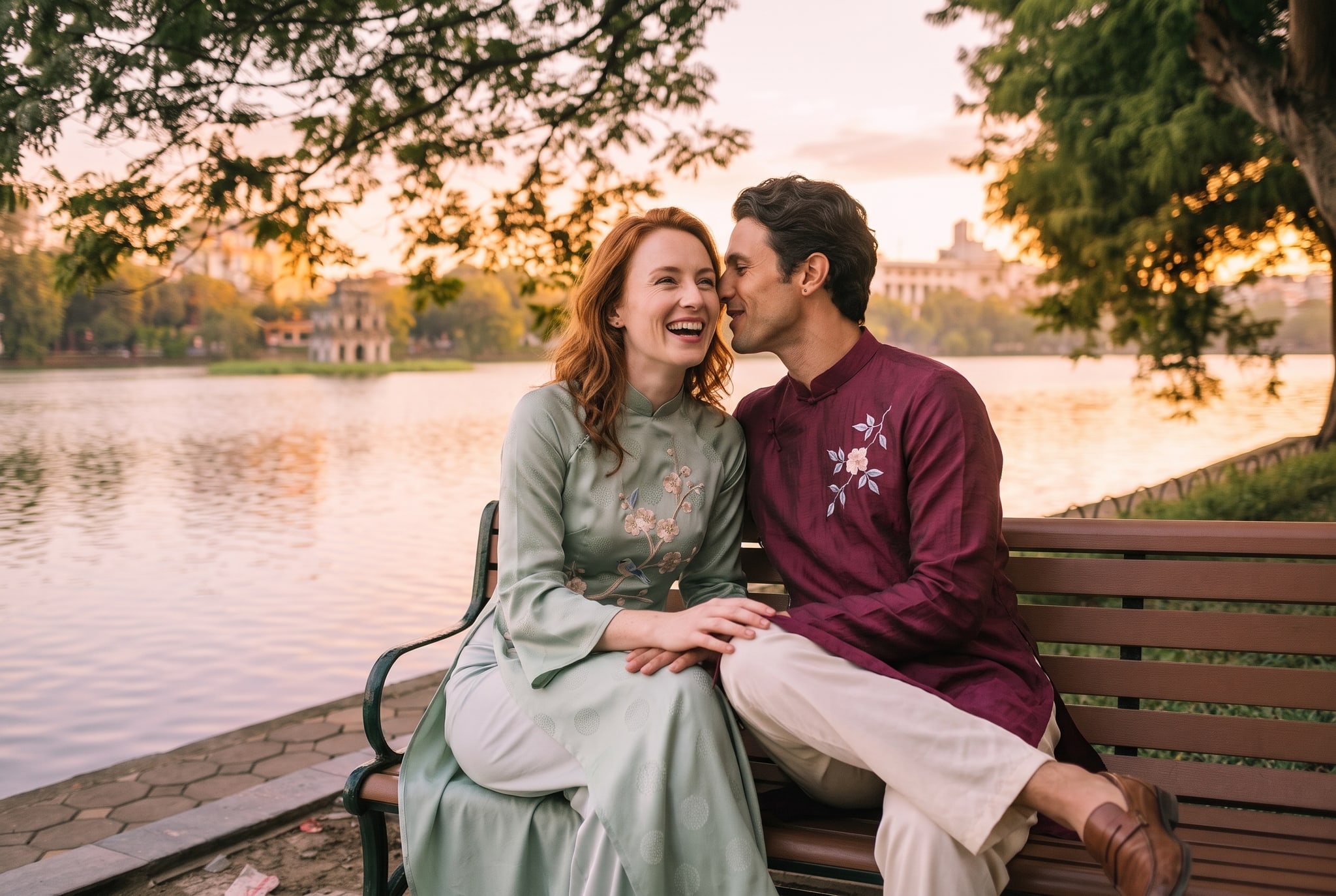
How do fabric choices affect design and comfort?
Fabric choice drives both aesthetics and wearability. Pure silk (100% mulberry or raw) drapes elegantly, photographs luxuriously, and feels cool in tropical heat—but wrinkles easily and requires careful handling. Cotton blends (cotton–silk or cotton–linen mixes) are forgiving, breathable, and ideal for all-day wear or outdoor photoshoots. Synthetic blends (polyester-based) resist wrinkles, lower cost, and suit budget-conscious travelers, though they trap heat in humid climates. Embroidered designs add weight and structure to silk or cotton; unembroidered pieces feel lighter and move more freely. Ao Dai Diaries stocks each fabric type across our design collections; your choice depends on occasion length, weather, and personal preference. A wedding guest wearing silk for 3 hours will feel luxurious; a tourist doing a 2-hour photoshoot in Hoi An's 28°C heat may prefer cotton-blend to avoid sweat marks. Ask our stylists which fabric suits your itinerary when you book your rental.
What design details matter for different occasions?
Occasion shapes design priorities. Weddings and formal events call for embroidered or richly patterned silks in jewel tones (deep red, navy, emerald)—these photograph formally and honor the celebration. Tet festivals traditionally feature red or gold with symbolic embroidery (peonies, phoenixes, calligraphy); modern interpretations add pastels and florals. Photoshoots in heritage sites (Hoi An's ancient town, Da Nang's temples) benefit from solid jewel or neutral tones that don't compete with architecture; pastels and whites also work beautifully against old brick and wood. Casual city strolls or Instagram moments embrace modern prints, ombré effects, or minimal embroidery in fashion-forward colors (blush, sage, butter). Check your venue's vibe: a temple ceremony demands respect (avoid loud prints or exposed skin), while a modern resort photoshoot permits creative interpretations. When you inquire about packages, mention your location and intent—our stylists will suggest 2–3 designs suited to that setting.
| Occasion | Ideal Design | Fabric | Color | Best for |
|---|---|---|---|---|
| Wedding guest | Embroidered silk, high-neck áo | Pure silk | Deep red, navy, emerald | Formal elegance, luxury feel |
| Tet celebration | Symbolic embroidery (peonies, birds) | Silk or cotton-silk | Red, gold, pink | Cultural authenticity, tradition |
| Temple/heritage photoshoot | Solid or subtle pattern | Cotton blend | Jewel, ivory, soft neutrals | Timeless photos, respect venue |
| City stroll/casual wear | Modern print or ombré | Cotton blend | Pastels, trendy tones | Comfort, Instagram-ready |
| All-day outdoor event | Lightweight, minimal embellishment | Cotton-blend | Light colors (white, cream) | Breathability, durability |
📸 Ao dai + photoshoot packages
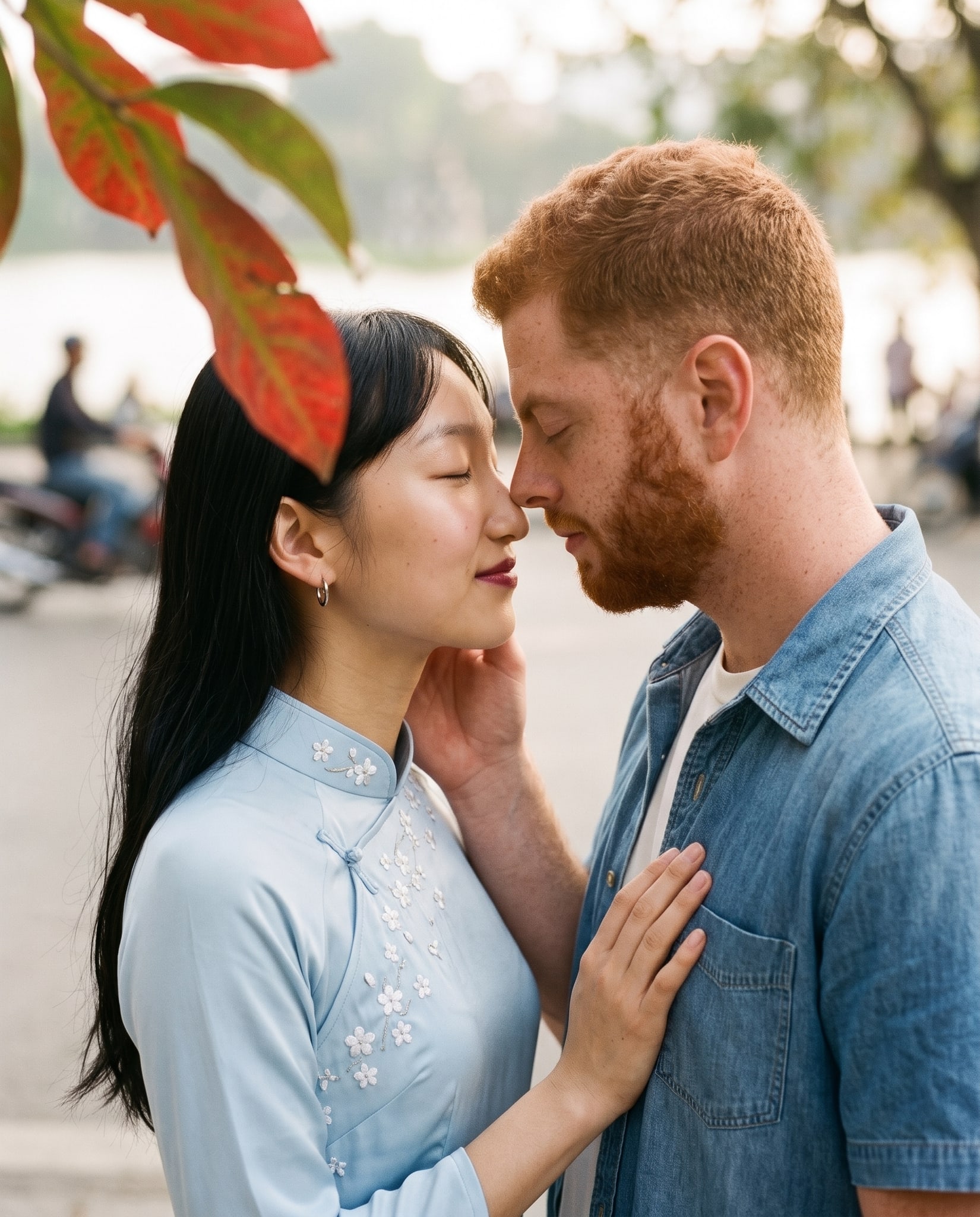
How do traditional vs. modern designs differ in impact?
Traditional ao dai design emphasizes hand-embroidery (silk thread on silk base), often depicting nature (chrysanthemums, cranes, waves) or auspicious symbols (dragons, phoenixes). These pieces are museum-quality, photograph with depth and texture, and convey deep cultural respect—ideal for ceremonies and heritage tourism. Modern interpretations include digital prints, geometric patterns, asymmetrical cuts, or color-blocking; they photograph crisply on digital camera/phone and appeal to younger travelers or contemporary wedding aesthetics. Neither is "better"—it's about message. Wearing a hand-embroidered traditional design at a family wedding says "I honor this celebration." A modern printed design at a photoshoot in Hoi An says "I'm celebrating contemporary Vietnamese fashion." Ao Dai Diaries stocks both; when you browse our rental guide, you'll see galleries labeled by style era. Ask your stylist: "Will this design look right for my venue and age?" A 70-year-old's granddaughter might wear modern; the grandmother might prefer traditional. Both can rent simultaneously.
What mistakes should you avoid when selecting ao dai design?
Common rental mistakes stem from prioritizing appearance over practicality. Mistake 1: Choosing an overly heavy embroidered piece for outdoor activities. Hand-embroidered silk áo dai (traditional bodice) can weigh 1–2 kg; add summer humidity and you'll overheat during a long photoshoot. Solution: ask fabric weight and try it on during fitting. Mistake 2: Misreading occasion dress codes. A bright neon print designed for Instagram might feel disrespectful at a temple ceremony or family gathering. Always describe your event to your stylist. Mistake 3: Ignoring fit during remote booking. Ao dai is fitted garment; photos alone mislead. Insist on a fitting appointment or video call to confirm torso and hip proportion before finalizing. Mistake 4: Assuming all colors photograph equally. Pale pastels can wash out under harsh midday light; jewel tones photograph rich indoors and in shade. Discuss lighting conditions with your stylist. Mistake 5: Neglecting the undergarments. Ao dai requires a snug áo inside (short-sleeved or sleeveless tunic); a loose or wrinkled undergarment ruins the silhouette. We provide properly fitted undergarments; confirm they're included in your rental.
📍 See rental by city
---
What to check before you book
- Occasion & venue. Wedding, temple, photoshoot, or stroll? Indoor or outdoor? Formal or casual?
- Body measurements. Provide bust, waist, hip, inseam, height (we tailor XS–XXL).
- Preferred fabric. Silk (luxury), cotton-blend (comfort), or synthetic (budget, wrinkle-proof)?
- Color & embellishment. Solid, embroidered, or printed? Jewel tones, pastels, or neutrals?
- Timing. Same-day rental, next-day, or advance booking? Delivery to hotel included?
- Photography light. Indoors, outdoors, shade? This affects color choice.
- Duration. Wearing for 2 hours or 8? This shapes fabric and fit comfort.
- Cultural sensitivity. Are you honoring tradition respectfully? Ask your stylist if unsure.
Contact Ao Dai Diaries at WhatsApp/Zalo +84 338 762 340 to discuss your design vision. Our stylists speak English, Vietnamese, and can recommend styles for rentals in Hanoi, Ho Chi Minh City, Hoi An, or Da Nang. We'll confirm fit, style, and delivery within 24 hours.
---
Frequently asked questions
Can I rent an ao dai the same day I arrive?
Yes. Same-day rental is available in all cities; call or WhatsApp +84 338 762 340 before 11 a.m. to arrange a same-day fitting and pickup. Advance booking (2–3 days) allows tailoring if your exact size isn't in stock.
What's the difference between silk and cotton ao dai designs?
Silk drapes elegantly and photographs luxuriously but wrinkles easily; cotton-blend is breathable, forgiving, and ideal for outdoor wear or long events. Both accept embroidery and prints equally well.
Are there ao dai designs that photograph better on digital camera or smartphone?
Yes. Jewel tones and rich embroidery photograph richly in all light; pastels work best in shade or indoors; white and pale colors need overcast or golden-hour light. Discuss your shoot lighting with our stylists.
How do I know if a design respects cultural traditions?
Avoid loud, theatrical, or sexualized interpretations. Ask your stylist whether a design is appropriate for ceremonies or if it's marketed as "fashion." Traditional embroidered pieces are safe; modern prints vary—context matters.
Can I customize an ao dai design if I have a specific vision?
Custom design (hand-embroidery or printing to order) requires 1–2 weeks' lead time and higher cost. We offer standard rental designs for faster bookings. Contact us to discuss custom options.
What happens if the ao dai doesn't fit during the fitting?
Our stylists tailor the bodice, áo (undergarment), and pants/skirt at the fitting appointment—usually free adjustments up to 1–2 sizes. We aim for perfect fit within 2 hours; complex tailoring may take overnight.
Dozens of colours, all sizes XS–XXL, delivered to your hotel in Hanoi, Saigon, Hoi An or Da Nang. One WhatsApp or Zalo message.
More guides
You might also like
The ao dai is Vietnam's iconic silk dress, worn for celebrations and formal occasions. Ao Dai Diarie
May is Vietnam's hottest month before monsoon season. We'll help you choose the right outfit—whether
December weather in Vietnam is cool and dry—ideal for wearing the ao dai. Here's what suits the seas