guide/ao-dai
Ao Dai in Vietnamese Culture: History, Meaning & How to Wear
Ao Dai Diaries team · All guides →
The ao dai is Vietnam's traditional long tunic worn over tailored trousers, representing elegance, modesty, and cultural identity since the 18th century. It evolved through Chinese, French, and Vietnamese influences into the sleek, form-fitting silhouette worn today—most formal on Tet, weddings, graduations, and national celebrations. The garment carries deep meaning: the high collar and long sleeves signal respect; the fitted waist shows femininity without exposure; the flowing skirt (typically ankle-length) embodies grace. Worn by women of all ages and men on formal occasions, the ao dai is not costume but living heritage. At Ao Dai Diaries, we rent pristine silk and cotton ao dai (sizes XS–XXL) in classic and modern designs for travelers and locals celebrating in Hanoi, Ho Chi Minh City, Hoi An, and Da Nang—same-day fittings, hotel delivery, and styling guidance included so you honor the tradition authentically. 👗 Rent your ao dai — WhatsApp/Zalo +84 338 762 340 ---
Why Does the Ao Dai Matter to Vietnamese Identity?
The ao dai is not a costume; it's Vietnam's statement of sovereignty and beauty. During French colonial rule (1887–1954), Vietnamese women wore the ao dai as a quiet act of resistance—maintaining traditional elegance despite foreign pressure. Today, it remains the unofficial national dress, worn by schoolgirls, government officials, and brides alike. The silhouette changed after 1954: the waist narrowed, the armholes deepened, and the overall line became more refined. Each region (North, Central, South) developed subtle variations in fit and fabric choice. Wearing an ao dai signals respect for Vietnamese values: family honor, cultural continuity, and feminine grace rooted in Confucian ideals. For visitors, wearing one authentically—not as a casual costume—shows genuine respect for a people's centuries-old identity.
What Occasions Demand an Ao Dai?
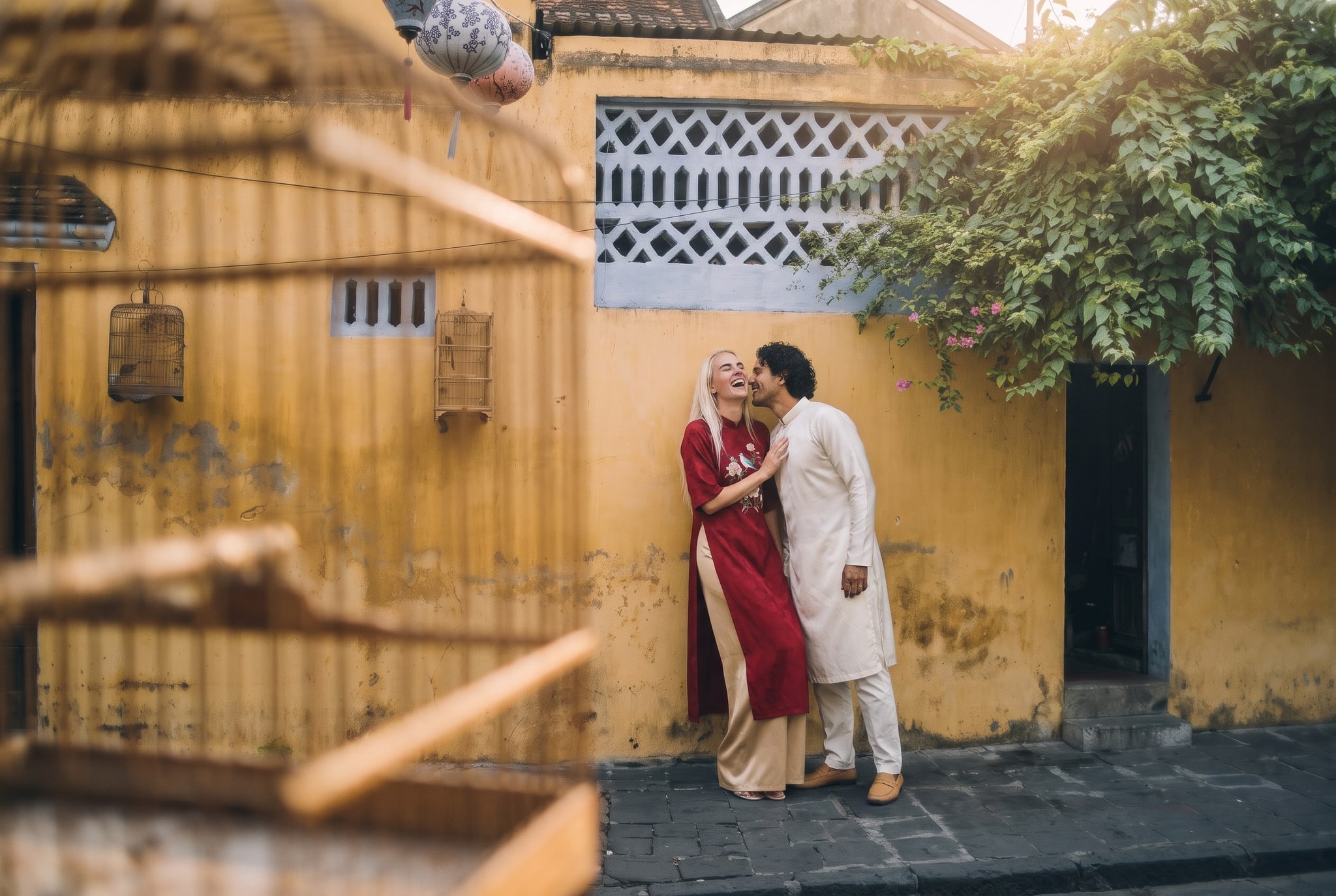
Tet (Lunar New Year) is the quintessential ao dai moment. Families wear matching or coordinated designs in red, gold, or pastels to temples, family gatherings, and New Year's visits. The garment signals renewal and respect for ancestors. Weddings require formal ao dai: brides wear elaborate, often red or gold versions with embroidered phoenix or floral motifs; guests wear classic silk ao dai in jewel tones or soft neutrals. Graduations from high school or university call for a refined ao dai, especially in the North where tradition runs deeper. National holidays (Independence Day, September 2) see streets filled with ao dai wearers. Engagement ceremonies, coming-of-age celebrations, and formal corporate events also favor the garment. Casual photoshoots in Hoi An's lantern-lit streets or Da Nang's coastal backdrop have popularized ao dai rental among travelers—not disrespectful if styled modestly and worn with genuine curiosity. At Ao Dai Diaries, we guide clients on what's appropriate for each occasion: formal silk for weddings, cotton blends for Tet family gatherings, and lighter fabrics for photoshoots.
📸 Ao dai + photoshoot packages
How Do You Choose Between Classic and Modern Ao Dai Styles?
| Style | Best For | Fabric | Key Traits | Cultural Weight |
|---|---|---|---|---|
| Classic (traditional fit) | Weddings, Tet formal, temples | Silk, damask | High collar, long sleeves, modest neckline, flowing skirt | Highest—honors heritage fully |
| Modern fitted | Photoshoots, young celebrations | Cotton, linen blends | Lower collar, lighter sleeves, same silhouette | High—respects form, adapts to climate |
| Áo dài cách tân (reformed) | Casual events, younger wearers | Cotton-poly blend | Shorter sleeves, open neckline options | Medium—modern, still respectful |
| Embroidered/brocade | Weddings, Tet, formal galas | Silk with beaded trim | Phoenix, flowers, gold/silver thread | Highest—ceremony-grade |
Classic ao dai in pure silk signals formality and honor the occasion demands. Choose it for temple visits, weddings as a guest, or Tet family photos. Modern fitted versions in cotton-linen still embody the ao dai's essence (long tunic, tapered waist, full skirt) but breathe better in Saigon's humidity and suit younger, urban celebrations. Reformed styles (looser sleeves, deeper neckline) suit informal gatherings but risk appearing too casual for cultural events. At Ao Dai Diaries, we stock both: classic silk options for formal rent in all four cities, and breathable cotton blends for day-wear and tourist photoshoots. The decision hinges on occasion formality and where you'll wear it. A temple Tet visit? Classic silk. A Hanoi street photoshoot? Modern cotton works beautifully.
📍 See rental by city
What Sizing and Fit Issues Should You Anticipate?
The ao dai fits differently than Western clothing. The tunic sits snugly at the bust and waist—not tight, but defined—and the full skirt drapes from mid-hip. Many rental clients worry the waist is "too small" but that's the intended silhouette: the ao dai flatters by creating a graceful S-curve, not by hiding the body. Sizes at Ao Dai Diaries range XS to XXL, with custom adjustments available for in-person fittings. Common fit issues and solutions:
- Bust too tight: We adjust the side seams or offer a size up; the length (shoulder to hem) stays proportional.
- Waist gaps: The wrap-front tunic should close cleanly at center front; we tuck or take darts if needed.
- Skirt length: Ideally ends 1–2 cm above ankle (showing respect via modesty). Custom hemming available same-day for Hanoi; plan ahead for other cities.
- Shoulder seam placement: Falls at the natural shoulder, not drooping—crucial for the ao dai's elegant line.
A 30-minute fitting prevents day-of stress. We measure bust, waist, hip, and inseam; note any mobility concerns (dancing at weddings, climbing temple stairs); and confirm fabric preference (silk breathes, cotton withstands humidity). Never rent blind online for a cultural event—the ao dai's power lives in perfect fit.
How Should You Style and Accessorize an Ao Dai Respectfully?
Hair, jewelry, and footwear complete the ao dai's meaning. Hair: Traditionally, Vietnamese women wear it long, often in a high bun or elegant updo secured with a jeweled pin (cài tóc). Modern styles (half-up, side braid, loose waves) work if neat and off the face—never messy. Jewelry: Keep it understated. A delicate bracelet, small hoop earrings, and perhaps a ring; avoid chunky or loud pieces that distract from the garment's grace. A traditional jade or pearl pendant suits formal wear. Footwear: Flat shoes, sandals, or low heels only. Vietnamese culture values modesty; bare feet or athletic shoes undermine respect. Embroidered silk slippers or neutral leather flats are ideal. Makeup: Soft, natural tones enhance rather than dominate. The ao dai doesn't need heavy makeup—its beauty is inherent. Avoid: Visible tattoos (cover with foundation), Western casual clothing visible under the tunic, logos or branded accessories, and loud nail art. The ao dai speaks; accessories whisper.
For photoshoots in Hoi An or Da Nang, we often recommend minimal jewelry and bare feet in temple settings—dramatically authentic. For Hanoi or Ho Chi Minh City Tet celebrations, coordinate with family: if elders wear classic silk with jade, you do too. This cohesion is deeply valued.
👗 Rent your ao dai — WhatsApp/Zalo +84 338 762 340
What Color and Fabric Choices Signal the Right Meaning?
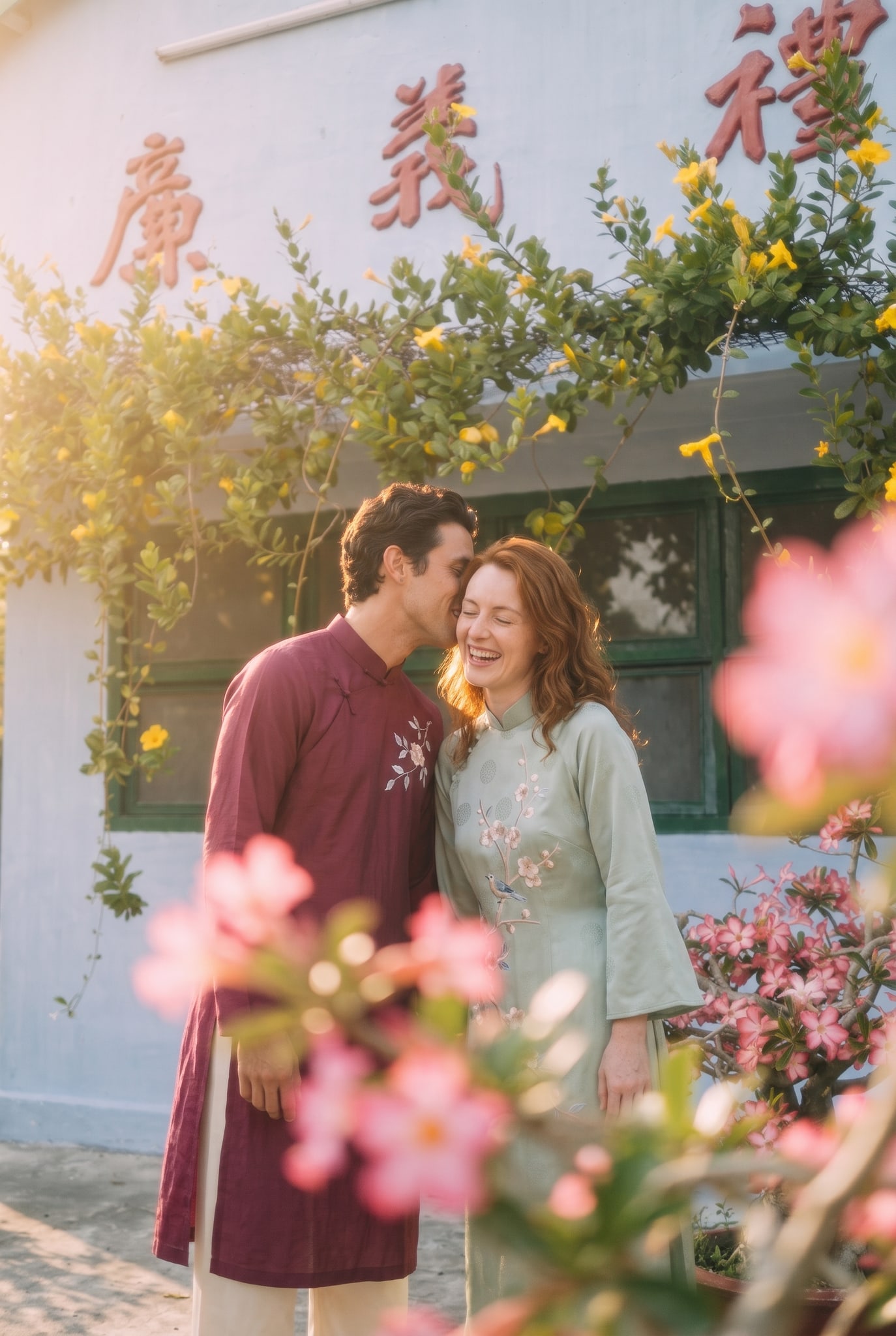
Color in the ao dai carries cultural weight. Red and gold say Tet, prosperity, luck—wear these during Lunar New Year. White or cream suit young women at graduations and engagements (purity, new beginnings). Pink, lavender, or soft pastels work for casual photoshoots and younger celebrations. Deep jewel tones (emerald, navy, burgundy) convey formality and elegance for weddings and formal events. Black is avoided for joyful occasions but worn for funerals—know the context. Fabric choice also matters: Silk (smooth, lustrous, drapes elegantly) signals respect and formality; it costs more but looks ceremonial. Cotton or cotton-silk blends breathe in tropical heat and suit informal wear and photoshoots; they're more practical for multi-hour events. Damask and brocade (textured, often embroidered) mark high-formality wear like weddings and Tet galas. At Ao Dai Diaries, we guide clients: choose silk for temple visits and wedding attendance; cotton blends for street photoshoots and Tet family gatherings in warm weather.
---
What to Check Before You Book Your Ao Dai Rental
- Occasion and formality level. Temple visit, wedding guest, casual photoshoot, or formal Tet dinner? This determines classic vs. modern style and fabric choice.
- Exact measurements. Have someone measure your bust, waist, hip, and inseam accurately (not guesses). Provide any mobility concerns (dancing, climbing, sitting for hours).
- City and date. Book at least 3–5 days ahead for custom fittings in Hanoi or Ho Chi Minh City; same-day options available subject to inventory. Day-of delivery to hotels adds logistics—confirm with Ao Dai Diaries via WhatsApp/Zalo.
- Color and style preference. Discuss with our stylists whether classic, modern, or reformed suits your event and what colors align with occasion meaning.
- Footwear and accessory coordination. Ask if your planned shoes and jewelry work; we can suggest authentic pairings or help source items.
- Fit confirmation appointment. Never skip the fitting, even for a simple photoshoot. A 30-minute appointment prevents regret and honors the ao dai's significance.
- Care and return terms. Know how to handle the garment—no rough handling, no eating/drinking while wearing, gentle storage. Understand deposit and return policy upfront.
---
How Does Ao Dai Rental Work in Each City?
Each city has distinct rental logistics and cultural contexts:
Hanoi: The capital honors Tet formality most deeply. Rentals peak in January–February. Many clients rent classic silk ao dai for temple visits and family Tet gatherings. Our Hanoi studio offers same-day fittings and delivery to central hotels. Expect formal style preferences and multi-generational bookings.
Ho Chi Minh City (Saigon): More cosmopolitan; blends tradition with casual wear. Photoshoots dominate rentals, especially in District 1 and around Bitexco. Lighter fabrics suit the heat. Modern and reformed styles popular with younger renters.
Hoi An: The ancient town's lantern-lit streets and silk heritage make ao dai rentals iconic among travelers. Photoshoots are the primary use; cultural respect is high. Classic and embroidered designs preferred. We partner with local tailors for fit and care.
Da Nang: Coastal, relaxed vibe. Beach photoshoots and casual celebrations mix with formal use. Cotton blends popular; availability broader than formal silk stock.
For details on rental process, availability, and pricing by city, visit how ao dai rental works or browse rental by city.
---
Are There Differences Between Regional Ao Dai Traditions?
Northern ao dai (Hanoi, Thai Binh) tend toward higher necklines, longer sleeves, and more modest colors—reflecting Confucian conservatism. Silk is preferred; embroidery is restrained. Tet wear is especially formal.
Central ao dai (Hue, Da Nang, Hoi An) developed under royal court influence. Designs are slightly looser, with richer colors and bolder embroidery (phoenix, floral patterns). Hue's imperial heritage shows in formal wear.
Southern ao dai (Ho Chi Minh City, Can Tho) are often lighter, more colorful, with looser fits suited to tropical heat. Modern reforms are embraced more readily. Photoshoot culture is stronger.
For travelers, these distinctions matter for authenticity: rent a Northern-style classic in Hanoi for Tet; choose a Central embroidered design in Hue; embrace lighter cotton in Saigon. At Ao Dai Diaries, our stylists know these nuances and steer you toward the regional style that fits your location and event.
📸 Ao dai + photoshoot packages
---
Frequently asked questions
Is it disrespectful for a foreigner to wear an ao dai?
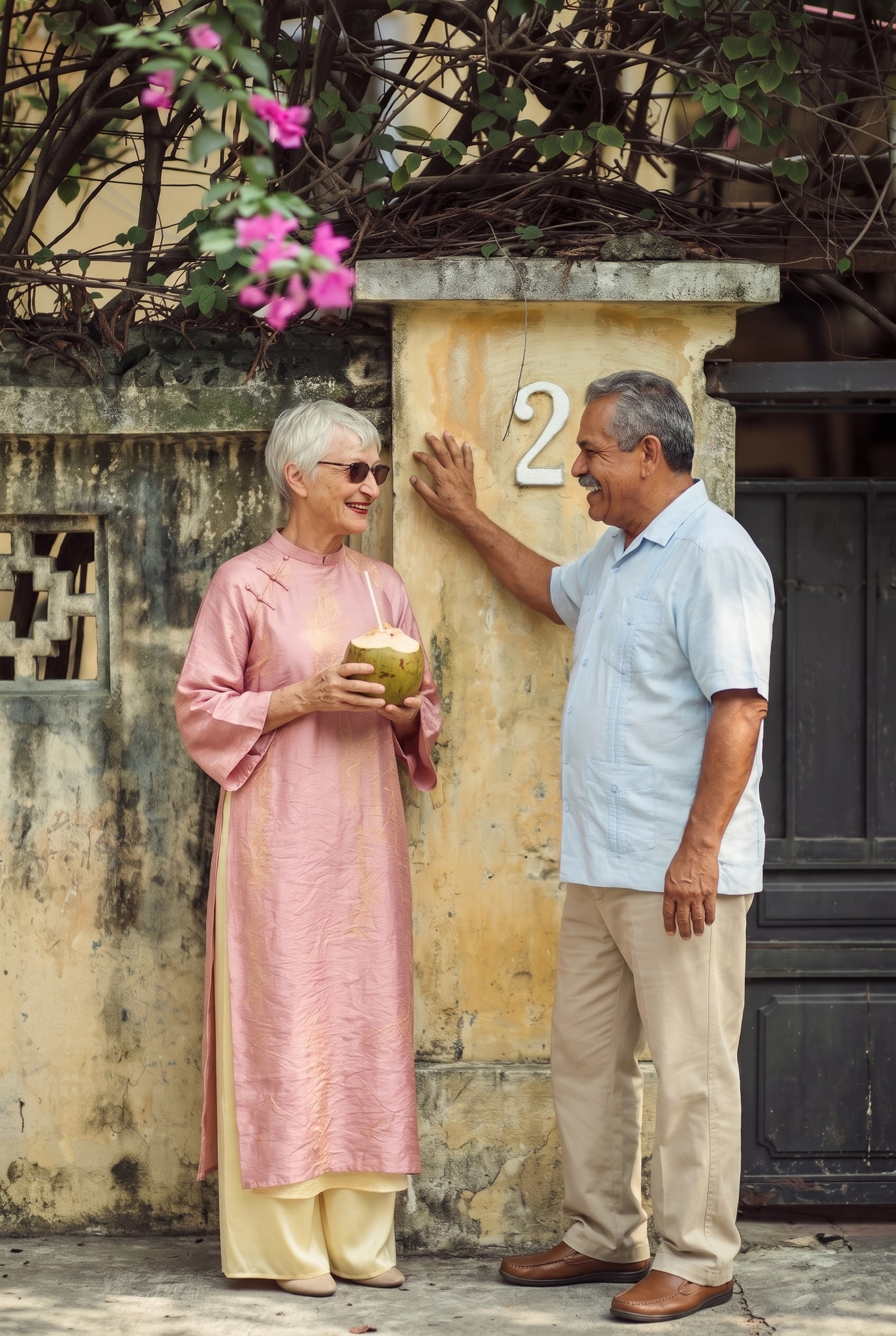
No—it's deeply respectful if done authentically. Wear it for genuine occasions (Tet family gatherings, weddings, photoshoots in cultural sites), not as a casual costume. Dress modestly, follow styling guidance, and understand the garment's meaning. Vietnamese people generally appreciate non-judgmental curiosity about their heritage.
Can men wear ao dai?
Yes. Men wear ao dai (áo dài nam) for formal weddings, national holidays, and business ceremonies, typically paired with white or neutral trousers. The fit is slightly looser and the silhouette less curved. Rental options for men are available but less common; ask Ao Dai Diaries about availability in your city.
How much does ao dai rental cost?
Pricing depends on fabric (cotton vs. silk), style (classic vs. modern), and city. Contact Ao Dai Diaries via WhatsApp/Zalo +84 338 762 340 for current rates. Deposits typically apply; refunded upon return in good condition. Day-of rental costs more than advance booking.
What if the ao dai doesn't fit at pickup?
Our stylists adjust seams, hems, and darts during the fitting. If issues arise, we modify immediately or swap the size. Never wear an ill-fitting ao dai to an event—the experience suffers and the garment may be stressed. Fittings are non-negotiable.
Can I eat and drink while wearing an ao dai?
Gently. Avoid greasy or heavily sauced foods. Sip carefully; the tunic's light fabrics (silk, cotton) stain easily. At formal events like weddings, hold small bites and small sips. During casual photoshoots, remove the ao dai for snacks. When renting, ask about stain protection options.
What's the difference between an áo dài and a cheongsam?
Both are long tunics, but the ao dai is distinctly Vietnamese (higher collar, longer tunic, fuller skirt, longer sleeves). The cheongsam (Chinese qipao) is more fitted overall, with a lower neckline and shorter tunic. Historically, the ao dai emerged from contact with the cheongsam but evolved into its own symbol of Vietnamese identity. Never confuse them; it matters culturally. --- ## Related Guides & Resources Explore the ao dai guide for historical context and styling inspiration. For step-by-step rental instructions, visit how ao dai rental works. Browse ao dai + photoshoot packages to combine your rental with professional photography in Hoi An, Da Nang, or Saigon. Check rental availability by city to find your nearest studio. 👗 Rent your ao dai — WhatsApp/Zalo +84 338 762 340
Frequently asked questions
Is it disrespectful for a foreigner to wear an ao dai?
No—it's deeply respectful if done authentically. Wear it for genuine occasions (Tet family gatherings, weddings, photoshoots in cultural sites), not as a casual costume. Dress modestly, follow styling guidance, and understand the garment's meaning. Vietnamese people generally appreciate non-judgmental curiosity about their heritage.
Can men wear ao dai?
Yes. Men wear ao dai (áo dài nam) for formal weddings, national holidays, and business ceremonies, typically paired with white or neutral trousers. The fit is slightly looser and the silhouette less curved. Rental options for men are available but less common; ask Ao Dai Diaries about availability in your city.
How much does ao dai rental cost?
Pricing depends on fabric (cotton vs. silk), style (classic vs. modern), and city. Contact Ao Dai Diaries via WhatsApp/Zalo +84 338 762 340 for current rates. Deposits typically apply; refunded upon return in good condition. Day-of rental costs more than advance booking.
What if the ao dai doesn't fit at pickup?
Our stylists adjust seams, hems, and darts during the fitting. If issues arise, we modify immediately or swap the size. Never wear an ill-fitting ao dai to an event—the experience suffers and the garment may be stressed. Fittings are non-negotiable.
Can I eat and drink while wearing an ao dai?
Gently. Avoid greasy or heavily sauced foods. Sip carefully; the tunic's light fabrics (silk, cotton) stain easily. At formal events like weddings, hold small bites and small sips. During casual photoshoots, remove the ao dai for snacks. When renting, ask about stain protection options.
What's the difference between an áo dài and a cheongsam?
Both are long tunics, but the ao dai is distinctly Vietnamese (higher collar, longer tunic, fuller skirt, longer sleeves). The cheongsam (Chinese qipao) is more fitted overall, with a lower neckline and shorter tunic. Historically, the ao dai emerged from contact with the cheongsam but evolved into its own symbol of Vietnamese identity. Never confuse them; it matters culturally. --- ## Related Guides & Resources Explore [the ao dai guide](/guide/ao-dai) for historical context and styling inspiration. For step-by-step rental instructions, visit [how ao dai rental works](/how-it-works). Browse [ao dai + photoshoot packages](/packages) to combine your rental with professional photography in Hoi An, Da Nang, or Saigon. Check [rental availability by city](/rent) to find your nearest studio. [👗 Rent your ao dai — WhatsApp/Zalo +84 338 762 340](https://wa.me/84338762340)
Dozens of colours, all sizes XS–XXL, delivered to your hotel in Hanoi, Saigon, Hoi An or Da Nang. One WhatsApp or Zalo message.
More guides
You might also like
The ao dai is Vietnam's iconic silk dress, worn for celebrations and formal occasions. Ao Dai Diarie
May is Vietnam's hottest month before monsoon season. We'll help you choose the right outfit—whether
December weather in Vietnam is cool and dry—ideal for wearing the ao dai. Here's what suits the seas