guide/ao-dai
Ao Dai Meaning in Vietnamese: What You Need to Know Before Renting
Ao Dai Diaries team · All guides →
The ao dai literally means "long shirt" in Vietnamese and represents the nation's identity, elegance, and cultural continuity. Worn by both men and women since the 15th century, it evolved from Chinese and French colonial influences into Vietnam's official formal dress. Today, students wear it to school on special days, brides choose it for weddings, and tourists rent it for authentic photoshoots—always as a sign of respect, never costume or novelty. At Ao Dai Diaries, we help you understand its significance while connecting you with properly fitted rentals across Hanoi, Saigon, Hoi An, and Da Nang, ensuring you honor this garment's cultural weight when you wear it.
The ao dai (áo dài) literally means "long shirt" in Vietnamese and represents the nation's identity, elegance, and cultural continuity. Worn by both men and women since the 15th century, it evolved from Chinese and French colonial influences into Vietnam's official formal dress. Today, students wear it to school on special days, brides choose it for weddings, and tourists rent it for authentic photoshoots—always as a sign of respect, never costume or novelty. At Ao Dai Diaries, we help you understand its significance while connecting you with properly fitted rentals across Hanoi, Saigon, Hoi An, and Da Nang, ensuring you honor this garment's cultural weight when you wear it.
What does "ao dai" literally translate to?
"Áo dài" breaks into two syllables: áo = shirt, and dài = long. It is not a poetic name—it simply describes the garment's defining feature: a long, flowing tunic that reaches the ankles, worn over slim-fitting trousers. The name reflects practicality over mystique, yet the garment itself carries layers of meaning Vietnamese people recognize instantly. When you wear an ao dai in Vietnam, locals see respect for tradition, formality, and dignity—not a costume choice.
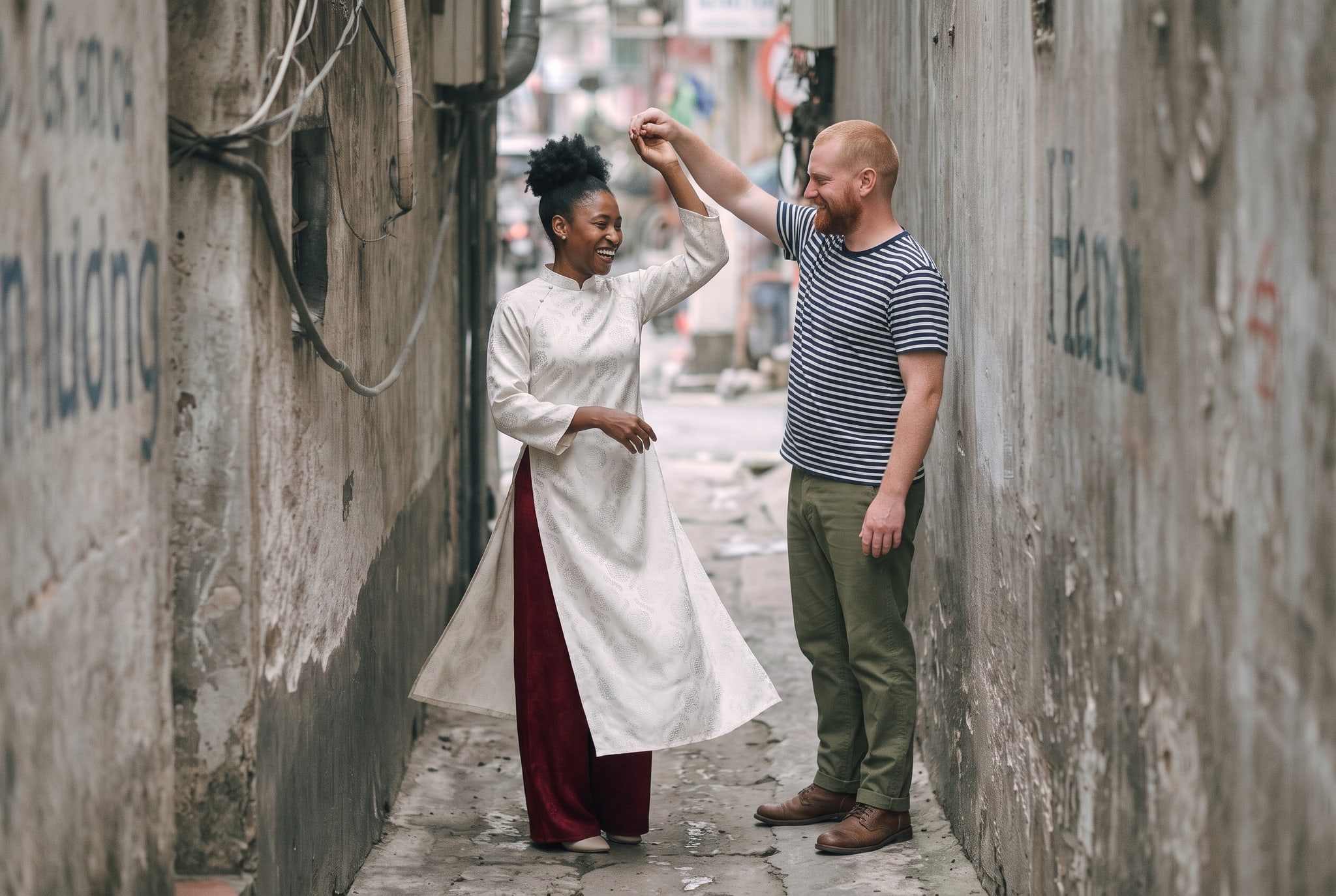
Why is the ao dai Vietnam's national dress?
The ao dai became synonymous with Vietnamese national identity during French colonial rule (1887–1954), when Vietnamese women wore it as a silent act of cultural preservation and dignity. While French colonizers attempted cultural erasure, the ao dai remained a visible assertion of Vietnamese heritage. After reunification in 1975, it became the official dress for formal state occasions, school uniforms (especially on Mondays and holidays), and national celebrations. Today, international recognition—from Miss Universe pageants to diplomatic events—has cemented its status as Vietnam's most instantly recognizable symbol. Wearing an ao dai signals belonging to Vietnamese culture and respect for its history.
How has the ao dai's meaning changed over time?
The ao dai evolved dramatically across three centuries. In the 15th–17th centuries, it was everyday wear for all social classes. During the 18th–19th centuries, it absorbed influences from Chinese hanfu and French fashion, becoming more tailored and formal. By the 20th century, it had transformed into formal and ceremonial wear, worn less for daily life but more as a statement of cultural pride. In the 2020s, the ao dai carries dual meaning: tradition-keeper (worn by students, brides, officials) and art form (experimented with by contemporary designers). For tourists and locals renting today, wearing an ao dai is an act of cultural appreciation and participation in living heritage—not theatrical performance.
When should you wear an ao dai—and when shouldn't you?
The ao dai is appropriate for weddings (as guest or bride), Lunar New Year (Tết), graduations, formal celebrations, photoshoots in cultural sites, and special school days. It is not streetwear, not a novelty costume, and not appropriate for beaches, gyms, or casual hangouts. Wearing an ao dai to casual settings risks trivializing centuries of cultural meaning. If you rent an ao dai for a photoshoot, choose locations with cultural or historical significance—temples, traditional villages, heritage zones—rather than nightclubs or party venues. Vietnamese people will recognize and respect your choice if context shows genuine appreciation.
| Occasion | Appropriate? | Why | Rental Duration |
|---|---|---|---|
| Wedding (guest or bride) | Yes | Formal, respectful, celebratory | 1–3 days |
| Tết / Lunar New Year | Yes | Most significant wearing time for Vietnamese | 3–7 days |
| School event or ceremony | Yes | Students wear daily; adults wear for honors | Same-day to overnight |
| Temple visit or pilgrimage | Yes | Shows respect to sacred spaces | Half-day to full-day |
| Photoshoot at heritage site | Yes | Cultural context, documentation of tradition | 2–4 hours (same-day) |
| Tourist beach stroll | No | Reduces ao dai to aesthetic prop | N/A |
| Nightclub or party | No | Disrespectful in frivolous context | N/A |
| Casual city shopping | No | Misrepresents the garment's formality | N/A |
👗 Rent your ao dai — WhatsApp/Zalo +84 338 762 340
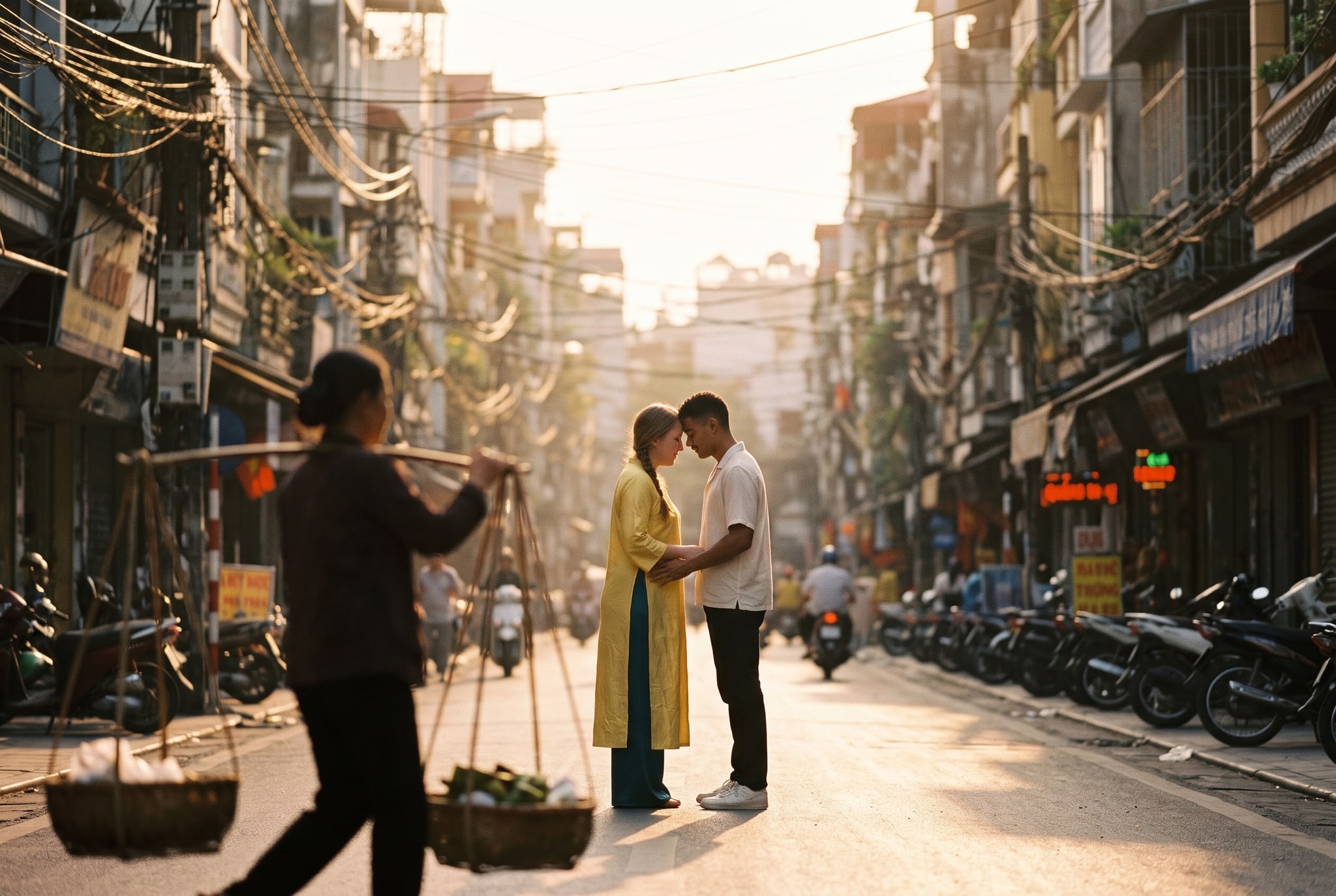
What makes an ao dai rental authentic versus a tourist gimmick?
Authenticity hinges on fit, fabric, and context. A proper ao dai is tailored to your exact measurements—chest, waist, hip, length—so it drapes elegantly without bunching or dragging. Tourist-grade rentals often come one-size-fits-all, creating an unflattering silhouette that broadcasts inauthenticity. Genuine ao dai use silk or silk-blend fabrics that breathe and move; cheap versions use stiff polyester that cracks at the seams. Most importantly, authenticity means wearing it for a real occasion or respectful context, not as a photo prop to discard after an hour. When you rent from Ao Dai Diaries across Hanoi, Saigon, Hoi An, or Da Nang, you receive proper fitting appointments, quality materials, and guidance on etiquette—ensuring you wear the garment as Vietnamese people do, not as a caricature.
📍 See rental by city
How do you choose the right ao dai style for your body and occasion?
Ao dai comes in two main styles: the modern slim-fit (hugging the body, more contemporary) and the traditional looser-fit (flowing, more conservative). Your choice depends on body comfort, occasion formality, and personal preference. Modern slim-fit suits photoshoots and younger wearers seeking a fashionable take. Traditional loose-fit suits weddings, elderly wearers, and formal ceremonies where understated elegance matters more than silhouette. Colors also signal meaning: white or cream for youth and purity (student uniforms); jewel tones (deep red, emerald, sapphire) for celebrations and brides; pastels for spring and lighter occasions; black for formal evening or mourning contexts. Size ranges from XS to XXL; finding your fit is non-negotiable—ill-fitting ao dai defeats its purpose. Before you browse rental options by city, visit Saigon, explore Hoi An, or check Da Nang, know your measurements and your occasion so fitters can guide you toward the right style and color.
📸 Ao dai + photoshoot packages
What's the real cost of renting versus buying, and who should choose each?
Renting is ideal if you wear an ao dai occasionally (weddings, Tết, one-time photoshoots). Buying suits frequent wearers—students in uniform, brides wanting a heirloom piece, cultural enthusiasts. Rental pricing reflects quality tailoring, cleaning, and maintenance; expect daily rates proportional to material quality and designer cachet. Buying requires upfront investment but means permanent ownership and no time pressure. Most tourists and one-time celebrants rent; locals who wear ao dai multiple times per year often own. Ao Dai Diaries offers same-day rentals and multi-day options with deposits, accommodating both impulse bookings and planned occasions. Learn how ao dai rental works before deciding; WhatsApp or Zalo +84 338 762 340 to discuss your timeline and budget with a stylist who knows both options.
What cultural etiquette should you follow when wearing an ao dai?
Treat the ao dai as formal wear, not a stage costume. Sit carefully to avoid creasing the tunic. Walk with poise—the garment demands posture. Never use it as a casual beach cover-up or lounge wear. If invited to a Vietnamese home or sacred space while wearing one, remove your shoes and move thoughtfully. Compliment from Vietnamese people is common; accept with grace ("Cảm ơn" = thank you). Avoid wearing it to loud, rowdy, or morally questionable venues where it might be mocked or disrespected. If you're unsure about context, ask the rental stylist—they know local customs and can advise. Photography is fine, but frame your shots around cultural significance: temples, tea plantations, heritage streets, family moments—not selfies at bars. The ao dai is not a fashion trend for you; it's a living tradition you're temporarily stewarding.
Frequently asked questions
Is wearing an ao dai as a foreign tourist disrespectful?
No, if your context and behavior show genuine respect. Vietnamese people welcome tourists who wear the ao dai to temples, heritage sites, and formal occasions. What matters is intent: participate thoughtfully, not mockingly. Avoid wearing it to casual or party venues, and never pose disrespectfully. When in doubt, ask Ao Dai Diaries staff for guidance before your rental.
Can men wear an ao dai, or is it only for women?
Men wear ao dai too, especially at formal events, Tết, and official ceremonies. Traditional men's ao dai is looser and less fitted than women's versions. Modern designers now create contemporary men's ao dai for younger wearers. Both genders can rent; make sure the fitter knows your gender to tailor correctly.
What's the difference between an ao dai and other Vietnamese traditional dresses?
The ao dai is the national formal garment, worn nationwide by students and at ceremonies. Other regional or ethnic minority dresses exist in Vietnam, but they're specific to certain groups or areas. The ao dai is the universal symbol, recognized and worn by all Vietnamese, regardless of ethnicity or region.
Should I buy or rent an ao dai for my wedding?
Brides typically buy or commission custom ao dai to keep as heirloom. Guests rent for convenience and cost savings. If you'll wear it only once, renting is practical; if it's a family keepsake moment, buying suits better. Ao Dai Diaries offers rental for guests; discuss custom commission with a designer if you're the bride.
How long does it take to get fitted for an ao dai rental?
Fitting typically takes 30–60 minutes, including measurements, style consultation, and try-on adjustments. Same-day rentals are available if you book early; multi-day rentals ship to your hotel or home. Book via WhatsApp/Zalo +84 338 762 340 to confirm timing and avoid last-minute rushes.
Can I wear an ao dai to a casual tourist photoshoot, or does it need a formal occasion?
Yes, cultural photoshoots are appropriate contexts. Choose heritage locations (temples, traditional villages, tea farms, lantern-lit streets in Hoi An) over commercial zones. This frames your wearing as appreciation, not novelty. Browse ao dai + photoshoot packages to find locations and stylists.
What should I avoid wearing with an ao dai?
Never pair it with sneakers, short socks, loud modern jewelry, or casual bags. Wear flat sandals or embroidered slippers, delicate traditional jewelry, and a simple clutch or woven bag. Hair should be neat; makeup understated. The garment is formal—accessories should match that tone.
Is there a specific color ao dai for specific occasions?
Yes. White/cream = student uniforms and youth events. Red, pink, or jewel tones = weddings and celebrations. Pastels = spring and lighter events. Black = formal evening or mourning. Ask your Ao Dai Diaries stylist to suggest colors based on your occasion. --- 👗 Rent your ao dai — WhatsApp/Zalo +84 338 762 340 🎯 Learn how ao dai rental works 📸 Browse ao dai + photoshoot packages
Frequently asked questions
Is wearing an ao dai as a foreign tourist disrespectful?
No, if your context and behavior show genuine respect. Vietnamese people welcome tourists who wear the ao dai to temples, heritage sites, and formal occasions. What matters is intent: participate thoughtfully, not mockingly. Avoid wearing it to casual or party venues, and never pose disrespectfully. When in doubt, [ask Ao Dai Diaries staff](/how-it-works) for guidance before your rental.
Can men wear an ao dai, or is it only for women?
Men wear ao dai too, especially at formal events, Tết, and official ceremonies. Traditional men's ao dai is looser and less fitted than women's versions. Modern designers now create contemporary men's ao dai for younger wearers. Both genders can rent; make sure the fitter knows your gender to tailor correctly.
What's the difference between an ao dai and other Vietnamese traditional dresses?
The ao dai is the national formal garment, worn nationwide by students and at ceremonies. Other regional or ethnic minority dresses exist in Vietnam, but they're specific to certain groups or areas. The ao dai is the universal symbol, recognized and worn by all Vietnamese, regardless of ethnicity or region.
Should I buy or rent an ao dai for my wedding?
Brides typically buy or commission custom ao dai to keep as heirloom. Guests rent for convenience and cost savings. If you'll wear it only once, renting is practical; if it's a family keepsake moment, buying suits better. [Ao Dai Diaries offers rental for guests](/packages); discuss custom commission with a designer if you're the bride.
How long does it take to get fitted for an ao dai rental?
Fitting typically takes 30–60 minutes, including measurements, style consultation, and try-on adjustments. Same-day rentals are available if you book early; multi-day rentals ship to your hotel or home. Book via WhatsApp/Zalo +84 338 762 340 to confirm timing and avoid last-minute rushes.
Can I wear an ao dai to a casual tourist photoshoot, or does it need a formal occasion?
Yes, cultural photoshoots are appropriate contexts. Choose heritage locations (temples, traditional villages, tea farms, lantern-lit streets in Hoi An) over commercial zones. This frames your wearing as appreciation, not novelty. [Browse ao dai + photoshoot packages](/packages) to find locations and stylists.
What should I avoid wearing with an ao dai?
Never pair it with sneakers, short socks, loud modern jewelry, or casual bags. Wear flat sandals or embroidered slippers, delicate traditional jewelry, and a simple clutch or woven bag. Hair should be neat; makeup understated. The garment is formal—accessories should match that tone.
Is there a specific color ao dai for specific occasions?
Yes. White/cream = student uniforms and youth events. Red, pink, or jewel tones = weddings and celebrations. Pastels = spring and lighter events. Black = formal evening or mourning. Ask your [Ao Dai Diaries stylist](/rent) to suggest colors based on your occasion. --- [👗 Rent your ao dai — WhatsApp/Zalo +84 338 762 340](https://wa.me/84338762340) [🎯 Learn how ao dai rental works](/how-it-works) [📸 Browse ao dai + photoshoot packages](/packages)
Dozens of colours, all sizes XS–XXL, delivered to your hotel in Hanoi, Saigon, Hoi An or Da Nang. One WhatsApp or Zalo message.
More guides
You might also like
The ao dai is Vietnam's iconic silk dress, worn for celebrations and formal occasions. Ao Dai Diarie
May is Vietnam's hottest month before monsoon season. We'll help you choose the right outfit—whether
December weather in Vietnam is cool and dry—ideal for wearing the ao dai. Here's what suits the seas