guide/ao-dai
Ao Dai: Traditional Vietnamese Clothing Explained & How to Rent
Ao Dai Diaries team · All guides →
The ao dai is a centuries-old Vietnamese dress: a floor-length silk tunic (áo) paired with high-waisted trousers (dài). Worn by women at weddings, Tet celebrations, graduations and city strolls, it drapes elegantly from shoulder to ankle. Men wear a formal jacket-and-trouser ao dai for formal events. Rental services like Ao Dai Diaries offer fitted sizes XS–XXL, same-day and delivery options, with deposits starting under see packages & prices—expect rental costs based on fabric quality and occasion. Color, embroidery and fit matter: silk costs more than cotton, and custom tailoring takes longer. Always treat the ao dai with respect—it is sacred cultural wear, not a costume. Book fittings 2–3 days ahead if possible; confirm your height, chest and waist measurements to avoid ill-fitting garments. --- 👗 Rent your ao dai — WhatsApp/Zalo +84 338 762 340
What Is the Ao Dai and Why Do People Wear It?
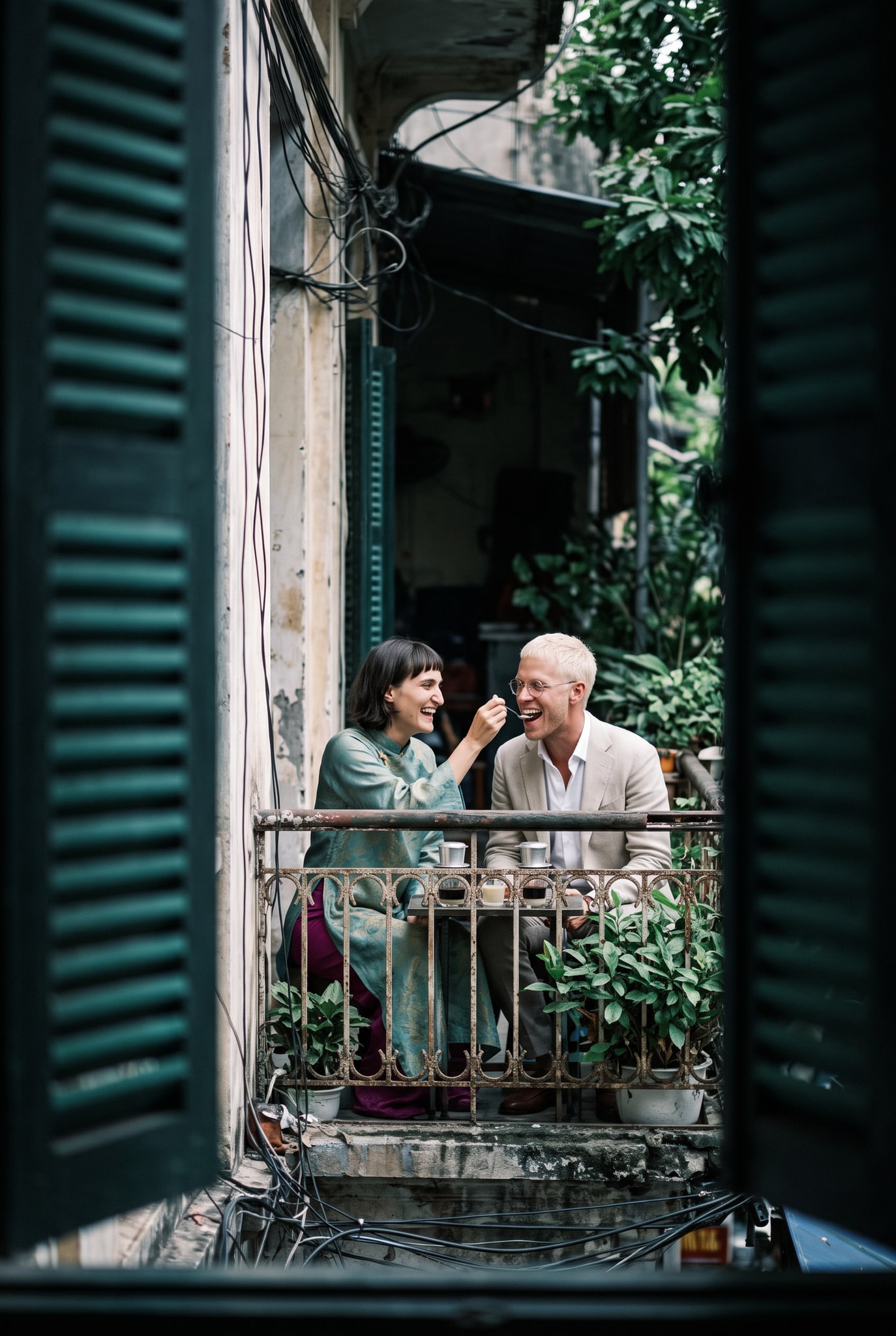
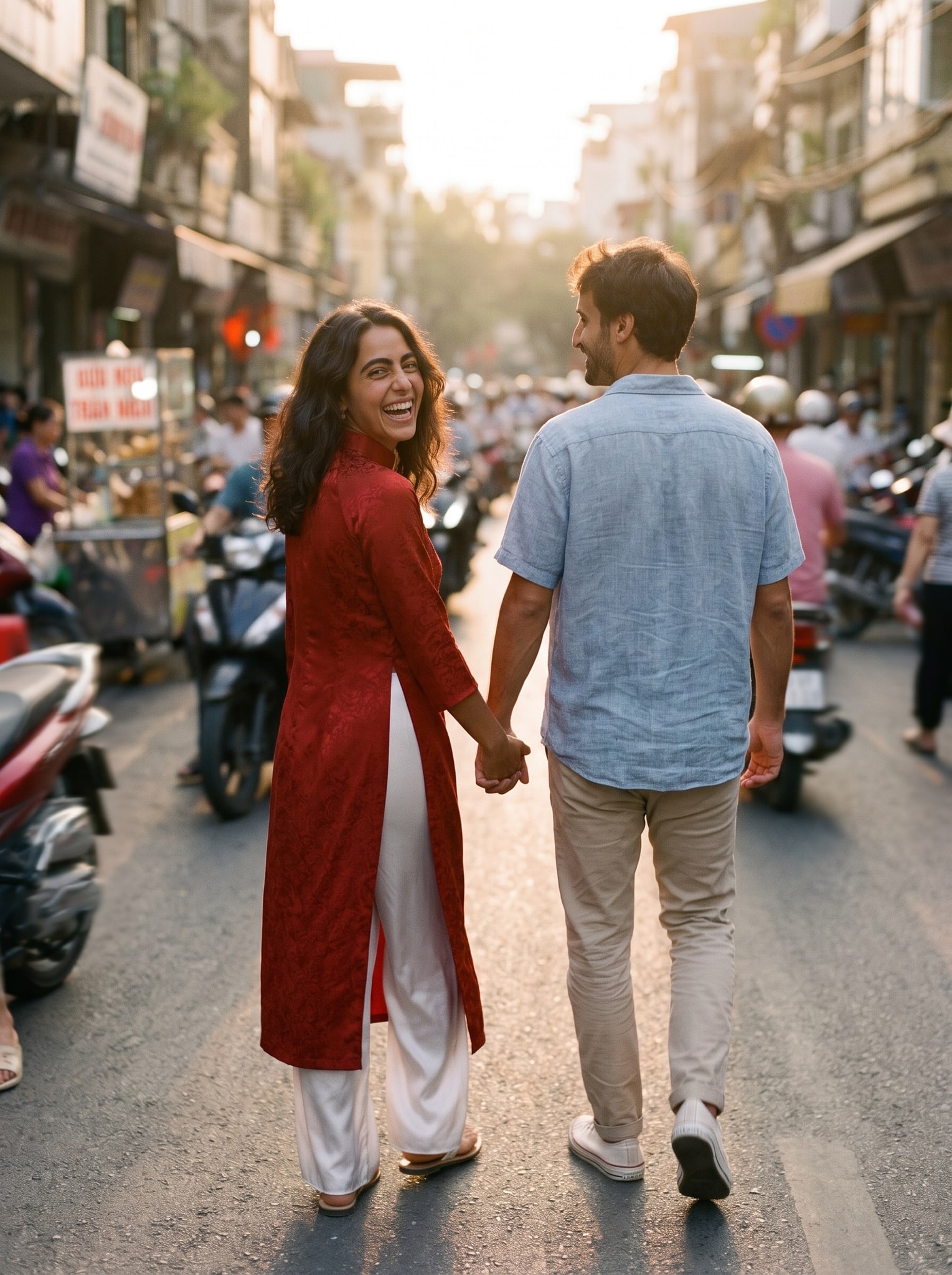
The ao dai is Vietnam's national dress, dating back centuries. It consists of a long, flowing tunic (the áo) that falls from shoulder to ankle, paired with high-waisted silk or cotton trousers (the dài). Women's versions show an elegant silhouette; men's are formal and structured for ceremonies. Worn at Tet festivals, weddings, graduations, temple visits and formal government events, it represents Vietnamese identity, respect and celebration. Foreigners rent ao dai for photoshoots in Hoi An's lantern-lit streets or Hanoi's colonial architecture—the garment photographs beautifully and connects them to Vietnamese culture. Locals wear it on National Day, to ancestor altars, or when hosting important guests. The ao dai signals respect: wearing it to weddings or temples shows honor to the occasion and the people present. Never treat it as a costume or joke; it is sacred wear.
📸 Ao dai + photoshoot packages
How Does Ao Dai Rental Work in 2026?
Renting an ao dai involves four steps: measurement, fitting, deposit and pickup/delivery. First, you provide height (cm), chest circumference and waist size—most rental services offer XS–XXL. A fitter then shows you fabric and color options: silk (more luxurious, higher cost), cotton-silk blend (everyday wear) or cotton (casual, budget-friendly). You select design—solid color, embroidered, or printed patterns—and try it on to check hem length and chest fit. A refundable deposit (typically under see packages & prices or see packages & prices) secures your reservation. Same-day rental suits tourists with tight schedules; 2–3 day advance booking ensures perfect tailoring. Delivery to your hotel or pickup at the studio saves travel time. Return by agreed date (usually 1–2 days after rental). Rental periods typically run 4–8 hours for a photoshoot, overnight for an event, or 24 hours for a city stroll. Costs vary by fabric and embroidery: basic cotton rentals cost less than silk with custom embroidery.
Which Ao Dai Style Suits Your Occasion?
| Occasion | Best Ao Dai Type | Fabric & Color | Why It Works |
|---|---|---|---|
| Tet Festival | Silk, bright red/gold | High-end silk, embroidery | Celebratory, honors tradition |
| Wedding (guest) | Silk blend, jewel tones | Deep purple, emerald, navy | Formal, respectful, elegant |
| Photo tour (city/nature) | Cotton or cotton-blend | Pastels, white, cream | Comfortable, photo-friendly, breathable |
| Temple visit | Simple cotton, pastel | Soft pink, pale yellow | Respectful, modest, practical |
| Graduation | Silk, personal color choice | Any non-black solid | Meaningful, keepsake-worthy |
| Formal event/party | High silk, embroidered | Gold, silver thread | Eye-catching, luxurious |
Tet and weddings demand silk with embroidery—they honor ancestors and elders, so quality matters. Photoshoots in Hoi An suit cotton-blend pastels; they're comfortable for 2–3 hours of walking and posing, and lighter fabrics move beautifully for video. Temple visits require modest, muted colors—never black (Vietnam associates it with funerals). Graduations are personal: silk signals accomplishment. When choosing, ask: Is this event religious, formal or casual? Formal = silk. Casual = cotton. Long day = lighter fabric. Then ask the rental advisor which colors suit your skin tone and the season's light.
What Are Common Mistakes When Renting an Ao Dai?
Measurement errors are the most frequent problem. Many tourists guess their measurements and receive a tunic that's too loose or trousers that drag. Fix: measure yourself accurately (use a soft tape measure around your fullest bust and natural waist, standing barefoot) or visit a fitter 2–3 days before your event—never same-day if precision matters. Fabric choice mismatches happen when travelers pick silk for a 4-hour summer photoshoot, then find it wrinkles and overheats. Cotton-blend is lighter and more forgiving. Color clashes occur when tourists wear bright red for a temple visit (disrespectful) or black for a wedding (signals mourning). Ask your rental advisor about occasion-specific colors. Poor return planning leads to late fees: confirm rental duration and return time in writing via WhatsApp or email. Treating it like a costume is disrespectful—don't pose in ways that mock Vietnamese culture, don't remove it for casual photos, don't seat carelessly and crease it. The ao dai is wear with intention.
Where Should You Rent in Hanoi, Ho Chi Minh City, Hoi An or Da Nang?
Ao Dai Diaries operates rental services across Vietnam's main tourist and cultural hubs. In Hanoi, central studios near the Old Quarter offer same-day fitting and delivery to hotels around the Red River area. Ho Chi Minh City (Saigon) locations cater to business travelers and tourists in District 1 and 3; more options for modern, printed designs. Hoi An is the ao dai capital—ancient town streets, lantern light and tailoring heritage make it ideal for photoshoots; expect longer lead times during peak season (Nov–Feb) because demand is high. Da Nang offers beach-focused rentals with lighter fabrics; sunset photoshoots are popular here. Each city has different peak seasons: Hanoi and Hoi An peak Nov–Feb (cool weather); Ho Chi Minh City and Da Nang peak Dec–Jan. Booking 1 week ahead during peak season prevents disappointment. Studios vary by location—urban centers are faster, heritage towns offer more traditional styles. Contact Ao Dai Diaries via WhatsApp or Zalo to confirm availability in your city.
👗 Rent your ao dai — WhatsApp/Zalo +84 338 762 340
What Should You Check Before Booking an Ao Dai Rental?
Before committing, verify five things:
- Fabric type & care: Is it silk, cotton-blend or cotton? Silk stains easily; confirm you won't be eating or outdoors in rain.
- Rental duration & return time: 4 hours, 8 hours, 24 hours, or longer? Late returns incur fees—confirm the deadline in writing.
- Measurements: Provide exact height, bust and waist. Ask the advisor if alterations (hemming) are included or cost extra.
- Deposit amount & refund terms: Is it refundable if you cancel? What if the garment has a defect when you arrive?
- Delivery or pickup: Does your hotel accept deliveries? Can you reach the studio easily? Confirm the address and travel time.
Also confirm: Is the ao dai included with accessories (conical hat, belt, shawl)? Do they provide a basic styling guide? Can they recommend a photographer who works well with ao dai? Request photos of similar rentals so you see the actual quality and color in daylight. If the advisor is evasive or won't give clear answers, contact another shop. Transparency is a sign of professionalism.
---
📸 Ao dai + photoshoot packages
---
How Much Does Ao Dai Rental Cost?
Rental costs depend on fabric, embroidery, rental duration and city. Without exact current pricing, expect these rough benchmarks: basic cotton ao dai for 4 hours runs lower than silk with hand embroidery for 24 hours. Tourist hubs like Hoi An may charge slightly more during peak season due to demand. Deposits (refundable) are typically under see packages & prices. Most rentals include the tunic and trousers; hats, belts and shawls may be extra. Ask whether alterations (hemming, chest adjustments) are included in the rental price or billed separately. Book during shoulder season (March–May, Sept–Oct) for better pricing and less crowded fittings. If you're renting for a group (wedding party, family photos), ask about discounts—many studios offer them. Always request a written breakdown: tunic price, trousers, accessories, deposit, return date. Confirm whether taxes or delivery fees apply.
---
📍 See rental by city
---
Ao Dai Etiquette: What's Respectful and What Isn't?
The ao dai carries deep cultural meaning. Wear it with intention and respect. Do: sit carefully and smoothly (gather the tunic fabric on your lap); move slowly and gracefully for photos; thank elders or hosts for the opportunity to wear it; visit temples and formal events with quiet reverence. Don't: pose in exaggerated, theatrical ways that mock Vietnamese culture; remove it casually outdoors for non-photo activities; wear it to casual bars or nightclubs; eat greasy foods in it; sit cross-legged (spreads the fabric disrespectfully). If you're invited to a formal Vietnamese event (wedding, Tet gathering, temple festival), wearing an ao dai shows honor and is usually welcomed. First ask your host if it's appropriate. If you're a foreigner wearing it for a photoshoot, be genuine—aim for beautiful, respectful images, not comedy. The ao dai is not a costume; it's a living tradition. Vietnamese people notice if you treat it with care, and they appreciate it.
---
👗 Rent your ao dai — WhatsApp/Zalo +84 338 762 340
---
How to Prepare for Your Ao Dai Photoshoot
Once you've booked your rental, prepare your shoot. Wear plain, close-fitting undergarments (visible lines ruin photos). Bring smooth shoes (slip-ons, ballet flats, flat sandals—no sneakers). Plan your location in advance: Hoi An's lantern-lit streets and the Red River waterfront in Hanoi photograph beautifully at golden hour (6–7 p.m.). Avoid noon sun—it creates harsh shadows. Bring a light shawl or umbrella if shooting in cool season (Nov–Feb) or light rain. Arrange a photographer who has shot ao dai before; they know how to pose the tunic and trousers for flattering angles. Most ao dai rentals can recommend local photographers. If you're doing a photoshoot package, the rental service often coordinates everything. Brief your photographer on any cultural sensitivities: no exaggerated poses, no sitting on temple steps, no eating or smoking. Confirm shoot duration (1–2 hours is typical) so you stay within your rental window. Plan a buffer of 1 hour after your rental end time to return the ao dai and collect your deposit refund.
---
Visiting a Fitting: What to Bring and Expect
Arrive 15–20 minutes early. Bring: a valid ID (for deposit); any reference photos of ao dai you like; a change of clothes (you'll try on multiple styles). Wear a plain bra or sports bra (easy to remove for chest fittings). The fitter will ask your occasion, preferred colors and any allergies or sensitivities (silk allergy is rare but possible). Expect the fitting to take 30–45 minutes. You'll see 3–5 designs (color, embroidery or pattern options), try them on (the fitter helps pin and adjust), and feel the fabric. Ask questions: Does this color suit me? Can you hem the trousers to this exact length? Is this alteration included? The fitter should show you how to walk and sit in an ao dai. Don't rush the fitting—a poor fit ruins your day. Confirm in writing (photo of the chosen design, email or WhatsApp message) which ao dai you're renting, the pickup/delivery time, and the return deadline. Pay the deposit at the end.
---
Connecting Ao Dai Rental to Larger Vietnam Experiences
Wearing an ao dai enriches any Vietnam visit. Rent for a Hanoi Old Quarter walking tour, a Hoi An heritage photoshoot, or a Da Nang sunset stroll. Pair it with a temple visit—Buddhist or Confucian temples welcome respectfully dressed visitors. Many travelers rent ao dai for a full day and experience a local market, a café, and a historic neighborhood in one outfit. It changes how you move through space and how locals interact with you; wearing traditional dress often opens doors and invites conversation. Some travelers combine ao dai rental with a photoshoot package that includes a local photographer and a guided tour of scenic spots. This creates keepsakes (photos) and memories (connection to Vietnamese culture). Consider renting for Tet if you're in Vietnam late January–early February; wearing an ao dai to a family gathering, lantern festival or New Year temple visit is a profound way to participate. Or rent for your own milestone—graduation, birthday, anniversary—and mark it in a garment that will remind you of Vietnam every time you see the photos.
---
Frequently asked questions
Is it disrespectful for foreigners to wear the ao dai?
No, if worn with respect and intention. Wearing it to a photoshoot, temple visit, or formal event shows cultural appreciation. Avoid mock or exaggerated poses. Vietnamese people generally welcome respectful engagement with their traditions.
What if the ao dai doesn't fit when it arrives?
Contact Ao Dai Diaries immediately via WhatsApp/Zalo +84 338 762 340. Most services will re-fit or provide a replacement before your event. Confirm the return/exchange policy when booking.
Can I rent an ao dai for a wedding?
Yes. Choose silk or silk-blend in jewel tones (purple, emerald, navy, deep red). Book 1–2 weeks ahead to allow for alterations. Ask about coordinating colors if you're renting with others.
How do I care for an ao dai during my rental period?
Avoid eating greasy foods, rain, and direct sunlight. Hang it on a padded hanger in your hotel room. If a stain occurs, alert the rental service immediately; most deposits cover minor wear, but gross negligence may incur charges.
Which city is best for an ao dai photoshoot?
Hoi An (lantern-lit ancient town), Hanoi (colonial architecture and Red River), and Da Nang (beaches at sunset) all offer stunning backdrops. Hoi An is the most popular; book 1–2 weeks ahead during Nov–Feb peak season.
Do ao dai rentals include shoes, hat or belt?
Typically, tunic and trousers are included. Accessories (conical hat, embroidered belt, shawl) may be separate. Confirm in writing when booking what is and isn't included, and what costs extra.
Dozens of colours, all sizes XS–XXL, delivered to your hotel in Hanoi, Saigon, Hoi An or Da Nang. One WhatsApp or Zalo message.
More guides
You might also like
The ao dai is Vietnam's iconic silk dress, worn for celebrations and formal occasions. Ao Dai Diarie
May is Vietnam's hottest month before monsoon season. We'll help you choose the right outfit—whether
December weather in Vietnam is cool and dry—ideal for wearing the ao dai. Here's what suits the seas