guide/ao-dai
Ao Dai Vietnamese Dress: Cultural Significance & Rental Guide
Ao Dai Diaries team · All guides →
The ao dai is Vietnam's national traditional dress: a long, flowing silk tunic worn over loose trousers, dating back to 18th-century court fashion and refined through French colonial and modern eras. It embodies Vietnamese identity, femininity, and respect—worn for Tet, weddings, graduations, and formal events. Ao Dai Diaries helps travelers and locals rent authentic ao dai (sizes XS–XXL) in Hanoi, Ho Chi Minh City, Hoi An, and Da Nang, with same-day or delivery-to-hotel options. Rentals include fitting, tailoring, and styling guidance; costs vary by fabric (silk, cotton-blend, synthetic), embroidery, and duration. The key to respectful rental: choose quality fabric, understand your occasion's dress code, confirm measurements before booking, and treat the garment as a cultural trust—never pose irreverently or alter it without permission. ---
Why Does the Ao Dai Matter in Vietnamese Culture?
The ao dai represents more than fashion—it's national identity. Adopted as school uniform, formal state dress, and symbol of womanhood, it appears at every major life event in Vietnam. Its slender silhouette, high neckline, and modest coverage reflect Confucian values of grace and restraint, while silk and embroidery signal respect for occasion and wearer. Whether worn by a bride, student, or businesswoman, the ao dai communicates dignity and belonging to Vietnamese heritage. This isn't nostalgia; it's living tradition.
👗 Rent your ao dai — WhatsApp/Zalo +84 338 762 340
What's the Difference Between Casual, Formal, and Ceremonial Ao Dai?
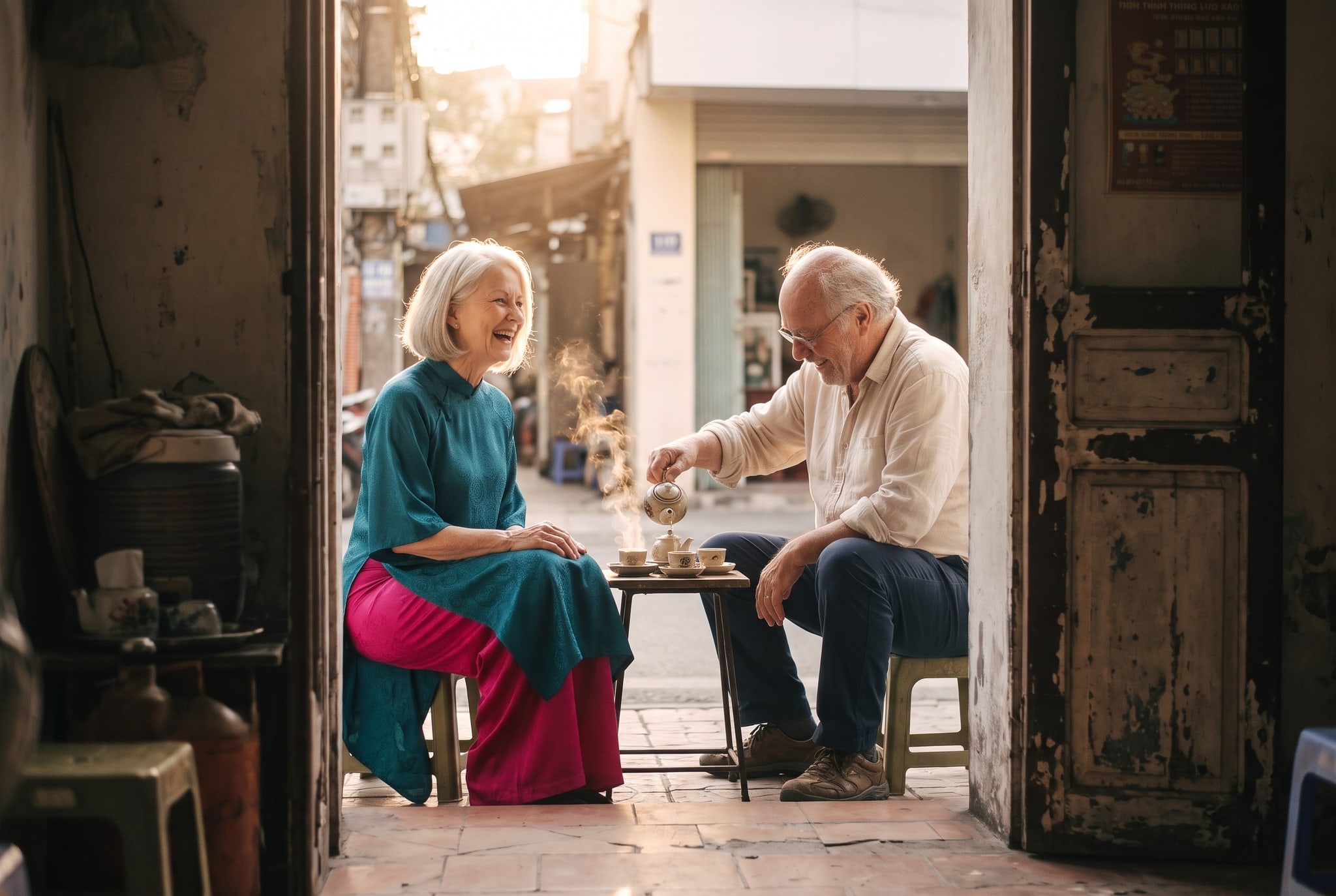
Your occasion dictates fabric, color, and embroidery. Casual rentals (cotton or cotton-blend, minimal embroidery, solid or subtle patterns) suit city strolls, casual photoshoots, or daywear—breathable and forgiving. Formal ao dai (silk, intricate beading or embroidery, jewel tones or white) fit weddings, graduation ceremonies, or official events—they command attention and respect. Ceremonial pieces (heavy brocade, gold/silver thread, gold-trimmed collar and hem, often featuring dragons or plum blossoms) are reserved for Tet, engagement ceremonies, or religious rites—the most sacred tier. When booking with Ao Dai Diaries, specify your event; the stylist will recommend the right weight and detail level, preventing both underdressing and over-formality.
📸 Ao dai + photoshoot packages
How Do You Avoid Cultural Disrespect When Wearing an Ao Dai?
Respect the garment: never pose mockingly, sexually, or in physically compromising positions. Don't eat heavily, smoke, or drink alcohol while wearing it; stains damage both fabric and your reputation. Never alter, cut, or customize a rental without explicit written permission—alterations require professional re-tailoring and may be irreversible. Avoid mixing ao dai with shoes that don't match (athletic sneakers, heavy boots are jarring; wear flat sandals, ballet flats, or traditional slippers). Don't wear it as a "costume"—it's a living cultural symbol, not a photo prop. If invited to an event, follow local dress codes: ask the host which shade, formality level, and embroidery style are appropriate. Ao Dai Diaries staff will guide you; ask before committing.
What's Included in a Rental, and What Are the Hidden Costs?
A typical ao dai rental includes: the tunic (áo), trousers (quần), fitting appointment (1–2 hours), basic tailoring to your exact measurements, and care instructions. Many packages add hair/makeup styling consultation or photoshoot coordination. Hidden costs to confirm upfront:
- Delivery to hotel: some shops include it, others charge separately.
- Rush fitting (same-day): may incur a small fee if your appointment is <48 hours away.
- Damage deposit: typically held as security (released upon return in good condition).
- Cleaning if soiled: stains beyond normal wear may result in charges.
- Return deadlines: late returns (after agreed date) often incur per-day fees.
Always ask before booking: "What does the rental price cover, and what costs extra?" Request a written breakdown. See how ao dai rental works for the full process.
Which Cities Have the Best Ao Dai Rental Options, and What's the Difference?
| City | Best For | Rental Focus | Styling Support |
|---|---|---|---|
| Hanoi | Cultural immersion, wedding guests, Tet celebrations | Heritage pieces, family heirlooms, formal silk | High; many stylists trained in court etiquette |
| Ho Chi Minh City | Tourist photoshoots, modern formal events | Diverse styles, quick turnaround, fashion-forward | Fast service; trend-conscious guidance |
| Hoi An | Authenticity, bespoke experiences, slow travel | Custom tailoring, hand-embroidery, artisan fabrics | Boutique; 1-on-1 design consultation common |
| Da Nang | Beach photoshoots, weddings, modern occasions | Lightweight silk, vibrant colors, practical styles | Balanced; good for mixed tourist/local clientele |
Hanoi skews traditional; Hoi An offers bespoke craftsmanship; Ho Chi Minh City prioritizes speed and variety; Da Nang blends both. Browse rental options by city and book 3–5 days ahead for custom fitting.
---

Before You Rent: A Real Checklist
Measurements (have these ready):
- Bust (around fullest point, standing upright)
- Waist (natural indent)
- Hip (around fullest point)
- Shoulder width (bone to bone, across back)
- Inseam or full height (ankle to natural waist)
- Sleeve length (shoulder bone to wrist bone)
Occasion clarity:
- Date, time, venue (formal wedding vs. casual stroll = different ao dai)
- Dress code from host (if attending an event)
- Photo style you want (traditional, modern, candid)
- Any religious or family traditions to respect
Booking logistics:
- When you need the ao dai (same-day, next morning, 2 weeks out?)
- Delivery address (hotel, home, rental shop)
- Return date and time (penalties apply if late)
- Deposit amount and payment method
- Cancellation policy (can you reschedule for free?)
Fabric and fit preferences:
- Budget (does it match the quality you want?)
- Comfort priority (silk is formal but warm; cotton-blend is practical)
- Embroidery style (minimal for understated elegance, ornate for ceremonies)
- Color (white for purity/weddings, jewel tones for formality, pastels for youth)
Contact Ao Dai Diaries via WhatsApp/Zalo +84 338 762 340 with these details; the team will propose 2–3 options and book your fitting.
---
What If You Want to Buy Instead of Rent?
If you plan to wear ao dai multiple times or want a custom heirloom piece, buying is worth considering. Rental works best for one-off occasions; owning makes sense if you attend Vietnamese events regularly, want a unique design, or value long-term possession. However, buying ao dai requires expertise: fabric quality varies widely, tailoring by hand takes 2–4 weeks, and prices (especially silk) can exceed short-term rental costs. Ao Dai Diaries rents; for custom purchase, the team can recommend trusted tailors in Hoi An (known for hand-embroidered heritage work) or Ho Chi Minh City (modern design, faster turnaround). Discuss options during your booking consultation.
👗 Rent your ao dai — WhatsApp/Zalo +84 338 762 340
---
Historical Context: Why the Ao Dai Looks the Way It Does
The ao dai evolved from 18th-century royal court dress (áo giao linh), simplifying over centuries into the form we know today. French colonial influence introduced lighter fabrics and tapered silhouettes; the 1950s solidified the modern version—a full-length tunic split at the sides (for mobility on bicycles and in fields) worn over loose trousers. The high neckline and long sleeves reflect Buddhist and Confucian modesty ideals. Post-war Vietnam adopted it as national dress, and it remains mandatory for female civil servants and common for school uniforms, weddings, and Tet. Understanding this lineage deepens respect for the garment when you wear it.
---
A Comparison: Rental vs. Fast Fashion "Ao Dai" Costumes
| Factor | Authentic Rental | Cheap "Costume" Online |
|---|---|---|
| Fabric | Real silk, cotton-blend, or quality synthetic (breathes, drapes naturally) | Polyester, thin synthetic (stiff, hot, shiny) |
| Fit | Custom tailored to body (flatters, moves with you) | One-size-fits-most (gapes, pulls, uncomfortable) |
| Longevity | 50+ wears with care (lasting investment) | 1–3 wears before seams fail or fading |
| Cultural respect | Worn with understanding and styling guidance | Often treated as generic "Asian dress" |
| Price per wear | see packages & prices per wear over time (rental) or see packages & prices+ (purchase high-quality) | see packages & prices upfront (seems cheap, but wastes money) |
| Styling support | Professional advice on color, embroidery, occasion | Self-guided; high risk of mismatched shoes/makeup |
Rental ensures you look and feel authentic without commitment. Cheap costumes online undermine the garment's dignity and rarely fit well. Invest in rental quality.
---
Getting Started: Next Steps
- Identify your occasion (photoshoot, wedding guest, Tet, stroll, graduation).
- Take your measurements or schedule a fitting appointment.
- Choose your city: Hanoi, Ho Chi Minh City, Hoi An, or Da Nang.
- Contact Ao Dai Diaries: WhatsApp/Zalo +84 338 762 340 with date, occasion, and preferences.
- Confirm rental terms: price, deposit, fitting date, return deadline.
- Attend fitting: 1–2 hours; stylist tailors and advises on styling.
- Wear with respect and joy.
📍 See rental by city and learn how ao dai rental works for full logistics.
---
Frequently asked questions
Is it disrespectful for a foreigner to wear an ao dai?
No—wearing it respectfully (correct occasion, proper fit, no mockery) honors Vietnamese culture. Locals appreciate foreigners who understand and celebrate the tradition. Wear it with intent and reverence, not as a novelty.
What's the difference between an áo dài and an áo gấm?
Áo dài is the national dress (tunic + trousers). Áo gấm is formal brocade, often for ceremonies. Áo dài is the umbrella term; áo gấm is a high-end fabric choice within it.
Can I wear an ao dai outside Vietnam, and will it fit in luggage?
Yes, but it wrinkles easily in luggage. Rent on-site if traveling abroad, or pack flat, wrapped in tissue, in a garment bag. Many international Vietnamese communities rent ao dai for Tet and weddings.
How long does a typical rental appointment take?
Fitting and tailoring: 1–2 hours. Return: 10–15 minutes (deposit refunded if no damage).
What shoes should I wear with an ao dai?
Flat sandals (leather or silk), ballet flats, or traditional slippers. Avoid sneakers, heavy boots, and high heels (unless it's a formal event and you walk little). Bare feet are acceptable indoors.
How much deposit do I need to pay upfront?
Deposits typically range from 30–50% of rental cost, held as damage security. Ask your rental shop for specifics; it's refundable upon return in good condition.
Can I customize or alter a rental ao dai?
No, without written permission from the rental shop. Tailoring is included during fitting; after that, alterations risk damage and may be charged. Always discuss needs before booking.
Dozens of colours, all sizes XS–XXL, delivered to your hotel in Hanoi, Saigon, Hoi An or Da Nang. One WhatsApp or Zalo message.
More guides
You might also like
The ao dai is Vietnam's iconic silk dress, worn for celebrations and formal occasions. Ao Dai Diarie
May is Vietnam's hottest month before monsoon season. We'll help you choose the right outfit—whether
December weather in Vietnam is cool and dry—ideal for wearing the ao dai. Here's what suits the seas