guide/ao-dai
Ao Dai Vietnamese Dress Origin: History, Styles & Where to Rent
Ao Dai Diaries team · All guides →
The ao dai emerged in 18th-century Vietnam when Chinese-influenced court robes merged with local tailoring to create a fitted, floor-length tunic worn over wide trousers. Its silhouette—snug bodice, high collar, side slits—became standardized by the 20th century and was declared Vietnam's national dress. Today, it appears at weddings, Tet celebrations, graduations, and formal events across all regions. When you rent through Ao Dai Diaries, we help you select a style (traditional silk, modern embroidery, or regional variant) that suits your occasion, body type, and skin tone, with same-day fittings available in Hanoi, Ho Chi Minh City, Hoi An, and Da Nang. Rentals typically cost from modest daily rates upward depending on fabric and embellishment; we include sizing from XS–XXL, basic alterations, and care guidance to ensure you wear it respectfully and comfortably. 👗 Rent your ao dai — WhatsApp/Zalo +84 338 762 340 ---
What is the ao dai, and when did it become Vietnam's national dress?
The ao dai is a long, flowing tunic worn over straight-leg trousers—the national costume of Vietnam. It evolved from 18th-century court fashion when Vietnamese tailors adapted Chinese-inspired robes, shortening sleeves and emphasizing a fitted waist to suit the tropical climate and local aesthetic. By the early 1900s, it had become the everyday wear for educated women and was officially recognized as Vietnam's symbol of cultural identity during the colonial period. Today it represents grace, tradition, and national pride worn at weddings, Tet (Lunar New Year), graduations, and state ceremonies.
The garment's rise as a cultural icon reflects Vietnam's ability to absorb outside influence while creating something distinctly its own. Understanding this history helps you wear it with appropriate respect and confidence.
---
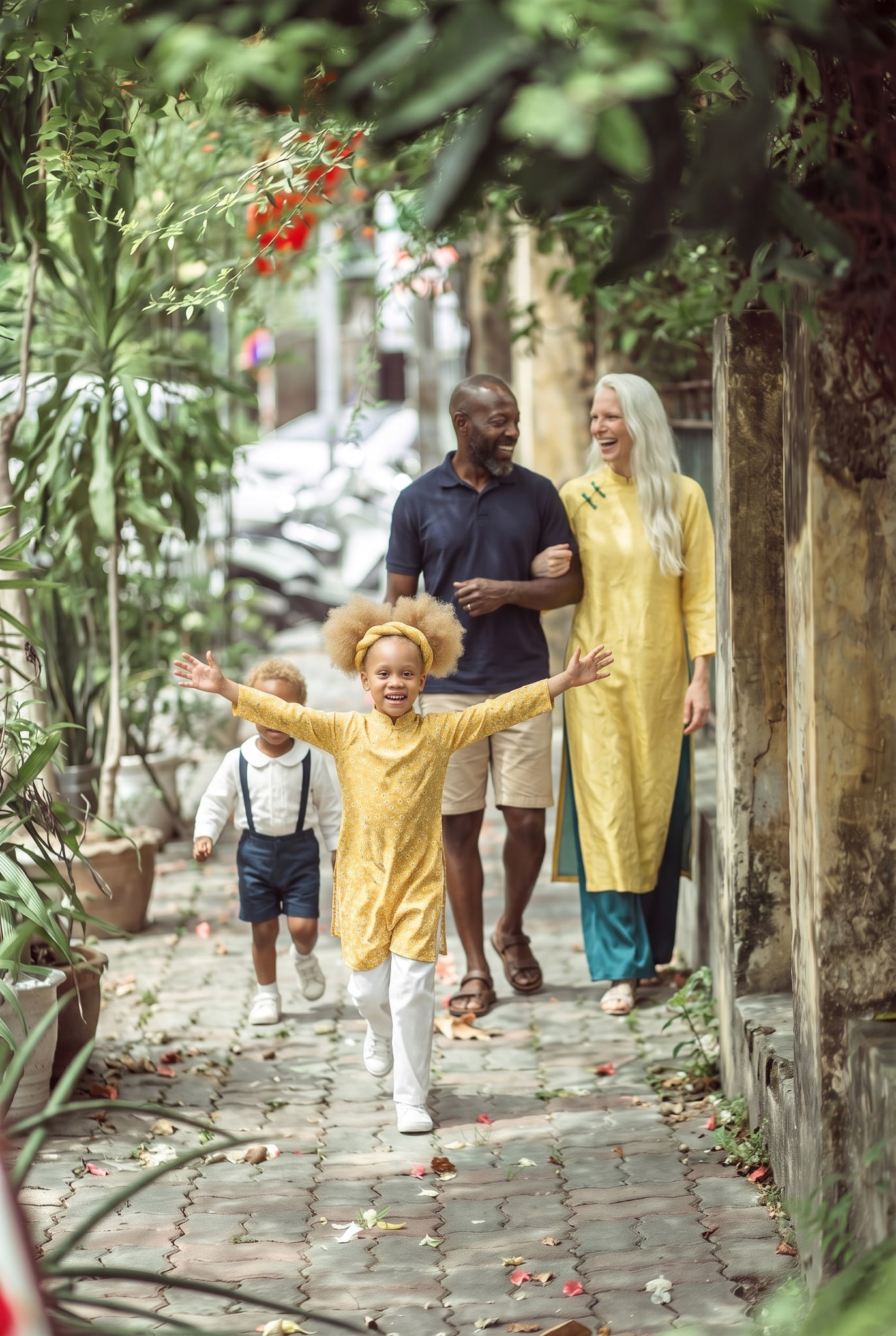
Why does the ao dai have a high collar, side slits, and fitted waist?
The ao dai's silhouette serves both practical and aesthetic purposes rooted in its evolution. The high collar came from Chinese court dress but was adapted to sit closer to the neck for a more elegant, modest line. Side slits—often rising to the hip or higher—allow freedom of movement for walking, sitting, and traditional activities like cycling or working in fields, while the fitted waist creates the dress's signature flowing, flattering drape. The long tunic and wide trousers together balance formality with comfort in Vietnam's warm, humid climate.
When you rent, these proportions matter: the collar height should sit just above your collarbone, and slit height depends on your comfort level and the occasion (formal Tet or wedding rentals often feature more modest slits; modern photoshoots may emphasize higher cuts for drama). A skilled fitter will adjust these details so the dress honors tradition while flattering your body.
---
How do regional and modern ao dai styles differ, and which should you choose?
Regional styles reflect Vietnam's geographic and ethnic diversity. Northern ao dai (associated with Hanoi and the Red River Delta) tend toward simpler fabrics, subtle embroidery, and understated elegance—ideal for formal state events and Tet. Central ao dai (Hue, Hoi An) feature richer silk, more elaborate embroidery, and sometimes contrasting fabrics between tunic and trousers, reflecting imperial court heritage. Southern ao dai (Ho Chi Minh City and the Mekong) embrace bolder colors, modern prints, and lighter fabrics suited to the hotter climate and a more relaxed aesthetic.
Modern interpretations add lace overlays, contemporary patterns, ombre dyes, or mixed fabrics—perfect for photoshoots and creative celebrations while maintaining respect for the traditional form.
| Style | Best for | Fabric & Detail | Who wears it |
|---|---|---|---|
| Northern traditional | Tet, formal ceremonies, weddings | Plain or subtly embroidered silk | Families, officials, traditional events |
| Central (Hue/Hoi An) | Heritage weddings, cultural events | Rich silk, elaborate embroidery, imperial colors | Brides, cultural enthusiasts, formal occasions |
| Southern modern | Photoshoots, casual celebrations, city strolls | Cotton, prints, lighter pastels, lace accents | Tourists, young people, Instagram moments |
| Contemporary fusion | Fashion shoots, creative events | Mixed fabrics, avant-garde patterns, asymmetry | Designers, artists, experimental wearers |
When renting, your choice depends on occasion (wedding vs. photoshoot?), season (summer calls for lighter cotton; winter suits silk), and where you'll wear it. Browse our rental guide to match your vision.
---
How do you find and rent the right ao dai for your body type and skin tone?
Proper fit transforms how you feel in an ao dai. The tunic should sit snugly from shoulder to hip without bunching, and the side seams should fall vertically from armpit to hip slit (not pull forward or backward). Sleeve length should graze your wrist bone; too long looks careless, too short looks unfinished. Trouser inseam must reach your ankle bone, and the trouser rise should sit naturally at your waist without gapping at the back.
Ao Dai Diaries fitters measure you across shoulders, bust, waist, hips, shoulder-to-waist, waist-to-slit, and inseam to identify the best size base from our XS–XXL range, then adjust for a custom fit. Our team works with you in-person at Hanoi, Ho Chi Minh City, Hoi An, and Da Nang to ensure comfort and proper draping.
Skin tone and color:
- Warm undertones (golden, olive, peachy) glow in jewel tones (emerald, ruby, sapphire), warm reds, and gold-threaded embroidery.
- Cool undertones (pink, rosy) suit pastels, cool reds, silvers, and ice-blue.
- Neutral undertones work with nearly any color; white, cream, and black are always elegant.
Our stylists help you test colors in natural light before committing, and we offer photoshoot packages so you see yourself in the ao dai before finalizing rental.
---
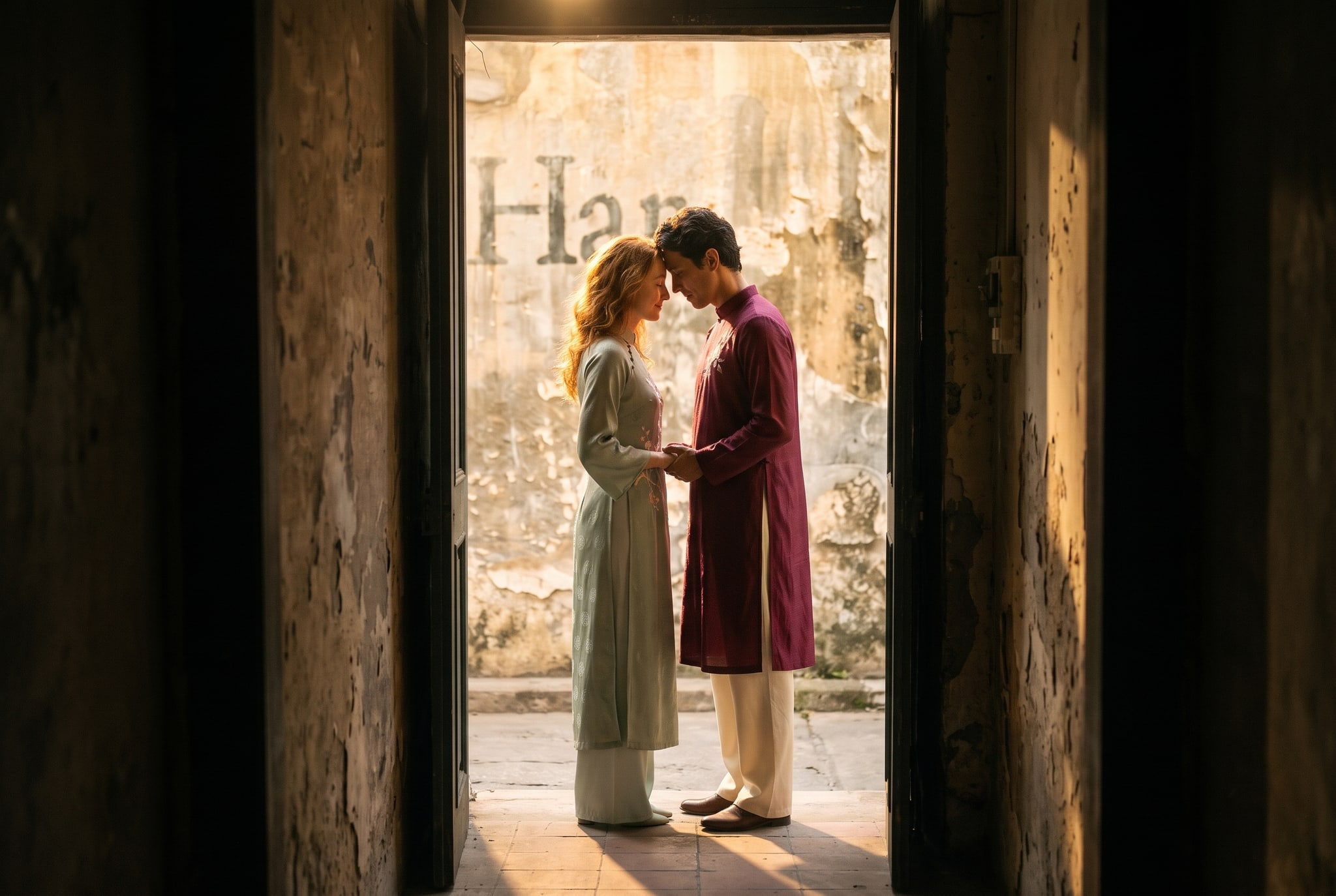
What should you check before ordering an ao dai rental to avoid fit, etiquette, or style mishaps?
Before you confirm a rental, verify these five points:
- Occasion clarity — Is this a formal Tet celebration (traditional, modest), a wedding (embellished, refined), or a photoshoot (creative, modern)? Different settings call for different styles.
- Fabric and season — Summer visitors should choose lightweight cotton or linen; winter visitors in northern regions can wear silk. Ask our team which fabrics suit your travel dates.
- Slit comfort level — Decide in advance how high you want the side slits (waist-high for traditional formality, hip-high for photoshoots). This shapes how you move and sit.
- Jewelry and hair — An ao dai looks best with minimal, elegant jewelry (delicate earrings, a simple bracelet, no heavy necklaces). Hair should be styled up or sleekly back to frame the neckline.
- Movement practice — During fitting, walk, sit, and bend to confirm you can do these naturally. The ao dai should flow, not restrict; if something catches or pulls, ask the fitter to adjust before you leave.
Respect is built into fit. A well-fitted ao dai worn with intention honors Vietnamese culture; a careless or overly revealing rental dishonors it. Learn more about how ao dai rental works and etiquette expectations.
📸 Ao dai + photoshoot packages
---
Why should tourists and Vietnamese rent instead of buying an ao dai?
Renting offers practical and respectful advantages:
- Cost: A quality rental is a fraction of purchase price, especially for visitors wearing it once.
- Fit: Professional fitters ensure the dress flatters your body—something off-the-rack often misses.
- Variety: Rent multiple styles for different occasions in one visit rather than committing to one dress.
- Care: We handle cleaning, pressing, and storage so you avoid accidental damage to precious fabric.
- Cultural guidance: Our team advises on appropriate styling, etiquette, and occasions so you wear it with genuine respect.
Vietnamese customers often rent for seasonal celebrations (Tet, graduations) or special events (weddings, anniversaries) when they want a fresh look or specific embroidery without storage hassle. Tourists rent to experience Vietnamese culture authentically—to feel what the dress embodies rather than wear a costume.
👗 Rent your ao dai — WhatsApp/Zalo +84 338 762 340
---
What does the rental process look like from booking to wearing?
Booking is straightforward: contact us via WhatsApp/Zalo (+84 338 762 340), email, or visit one of our four rental locations. Share your occasion, preferred style, and rough measurements (height, weight, clothing size). We confirm availability and schedule a fitting.
At the fitting, we take detailed measurements, show you fabric and color options, and discuss occasion and comfort preferences. You try on sizes and alterations are made or scheduled (typically completed within 24–48 hours). We explain care basics: keep the dress cool and dry, avoid heavy makeup staining, and be gentle with embroidery. You leave with the ao dai, a care instruction card, and our direct contact for any questions.
After wear, you return the dress clean (light hand-wash or dry clean if heavily stained) within the agreed rental period. A refundable deposit—held during rental—is released when the dress is returned in good condition. This system protects both you and our inventory while keeping rental costs accessible.
📍 See rental by city
---
Frequently asked questions
Is it disrespectful for a foreigner to wear an ao dai?
No—wearing an ao dai respectfully is celebrated. Avoid overly high slits, bare midriffs, or irreverent behavior; the dress symbolizes grace and tradition. Rent from a cultural guide like Ao Dai Diaries, and you'll learn appropriate contexts and styling so you honor the garment.
Can I wear an ao dai to casual occasions like a city stroll or café visit?
Yes. Modern Vietnamese society embraces casual ao dai wear for tourism, casual celebrations, and fashion moments. Summer cotton ao dai styled simply work well for daytime activities. For formal events (weddings, Tet ceremonies), choose silk and embroidery. Our team helps you pick the right tone for your plans.
What if the fitted size doesn't match my body exactly?
Fittings include basic alterations (hemming, waist adjustment, shoulder seaming). Ao Dai Diaries adjusts ao dai in-person in Hanoi, Ho Chi Minh City, Hoi An, and Da Nang to ensure comfort. If you need major reshaping, let us know early so we can schedule modifications before your rental start date.
How is an ao dai different from a cheongsam or qipao?
The ao dai has side slits and a more flowing silhouette; the cheongsam is more fitted and often sleeveless. The ao dai's tunic-and-trousers combination is distinctly Vietnamese, while the cheongsam is Chinese. Both are beautiful—renting an ao dai lets you experience Vietnam's version of elegant tradition.
What seasons or holidays are best for wearing an ao dai in Vietnam?
Tet (Lunar New Year, January–February) is peak season—families wear formal ao dai for celebrations and temple visits. Summer is ideal for photoshoots and tourists (light fabrics, bright colors). Autumn and early winter suit silk in the north; the south stays warm year-round. Weddings and graduations happen throughout the year. Contact us to choose the right style for your dates.
Can I rent an ao dai for a photoshoot with a professional photographer?
Absolutely. We offer photoshoot packages that bundle rental with styling advice and photographer connections in Hanoi, Ho Chi Minh City, Hoi An, and Da Nang. Modern ao dai styles—lace overlays, ombre, contemporary colors—photograph beautifully and work perfectly for creative sessions.
Frequently asked questions
Is it disrespectful for a foreigner to wear an ao dai?
No—wearing an ao dai respectfully is celebrated. Avoid overly high slits, bare midriffs, or irreverent behavior; the dress symbolizes grace and tradition. Rent from a cultural guide like Ao Dai Diaries, and you'll learn appropriate contexts and styling so you honor the garment.
Can I wear an ao dai to casual occasions like a city stroll or café visit?
Yes. Modern Vietnamese society embraces casual ao dai wear for tourism, casual celebrations, and fashion moments. Summer cotton ao dai styled simply work well for daytime activities. For formal events (weddings, Tet ceremonies), choose silk and embroidery. Our team helps you pick the right tone for your plans.
What if the fitted size doesn't match my body exactly?
Fittings include basic alterations (hemming, waist adjustment, shoulder seaming). Ao Dai Diaries adjusts ao dai in-person in Hanoi, Ho Chi Minh City, Hoi An, and Da Nang to ensure comfort. If you need major reshaping, let us know early so we can schedule modifications before your rental start date.
How is an ao dai different from a cheongsam or qipao?
The ao dai has side slits and a more flowing silhouette; the cheongsam is more fitted and often sleeveless. The ao dai's tunic-and-trousers combination is distinctly Vietnamese, while the cheongsam is Chinese. Both are beautiful—renting an ao dai lets you experience Vietnam's version of elegant tradition.
What seasons or holidays are best for wearing an ao dai in Vietnam?
Tet (Lunar New Year, January–February) is peak season—families wear formal ao dai for celebrations and temple visits. Summer is ideal for photoshoots and tourists (light fabrics, bright colors). Autumn and early winter suit silk in the north; the south stays warm year-round. Weddings and graduations happen throughout the year. Contact us to choose the right style for your dates.
Can I rent an ao dai for a photoshoot with a professional photographer?
Absolutely. We offer [photoshoot packages](/packages) that bundle rental with styling advice and photographer connections in Hanoi, Ho Chi Minh City, Hoi An, and Da Nang. Modern ao dai styles—lace overlays, ombre, contemporary colors—photograph beautifully and work perfectly for creative sessions.
Dozens of colours, all sizes XS–XXL, delivered to your hotel in Hanoi, Saigon, Hoi An or Da Nang. One WhatsApp or Zalo message.
More guides
You might also like
The ao dai is Vietnam's iconic silk dress, worn for celebrations and formal occasions. Ao Dai Diarie
May is Vietnam's hottest month before monsoon season. We'll help you choose the right outfit—whether
December weather in Vietnam is cool and dry—ideal for wearing the ao dai. Here's what suits the seas