guide/ao-dai
Ao Dai Vietnamese: How to Rent & Style Hanoi's Traditional Dress
Ao Dai Diaries team · All guides →
The ao dai is a floor-length tunic worn over wide trousers, Vietnam's national dress since the 18th century. At Ao Dai Diaries, you rent one for photoshoots, weddings, Tet, graduations or city strolls across Hanoi, Ho Chi Minh City, Hoi An and Da Nang. A rental includes fitting (sizes XS–XXL), styling advice, and same-day or hotel delivery; you return it clean within the agreed period. Typical rental durations range from 4–24 hours, with pricing based on garment complexity and occasion. The key is booking 2–3 days ahead and being honest about your measurements so the ao dai sits properly at the shoulders and ankles—loose fitting is disrespectful to the garment's heritage. Deposits (often refundable) secure your booking; cancellation policies vary by location, so confirm on WhatsApp/Zalo +84 338 762 340. ---
What makes an ao dai different from other traditional dresses?
The ao dai's two-piece structure—a long, fitted tunic with a high collar and a pair of wide, flowing trousers—sets it apart. Most traditional dresses drape or wrap; the ao dai is tailored. A skilled tailor takes eight to twelve hours to make one by hand, measuring the wearer's height, bust, waist and shoulder width to ensure the tunic skims the body without clinging. This precision fit is non-negotiable: a poorly fitted ao dai looks shapeless and disrespects the wearer and the dress itself. When you rent, the fitter adjusts the tunic's length (it must touch the floor at your heel) and sometimes the waist seam, so you leave looking intentional, not borrowed. No other Southeast Asian dress demands this level of personalization.
👗 Rent your ao dai — WhatsApp/Zalo +84 338 762 340
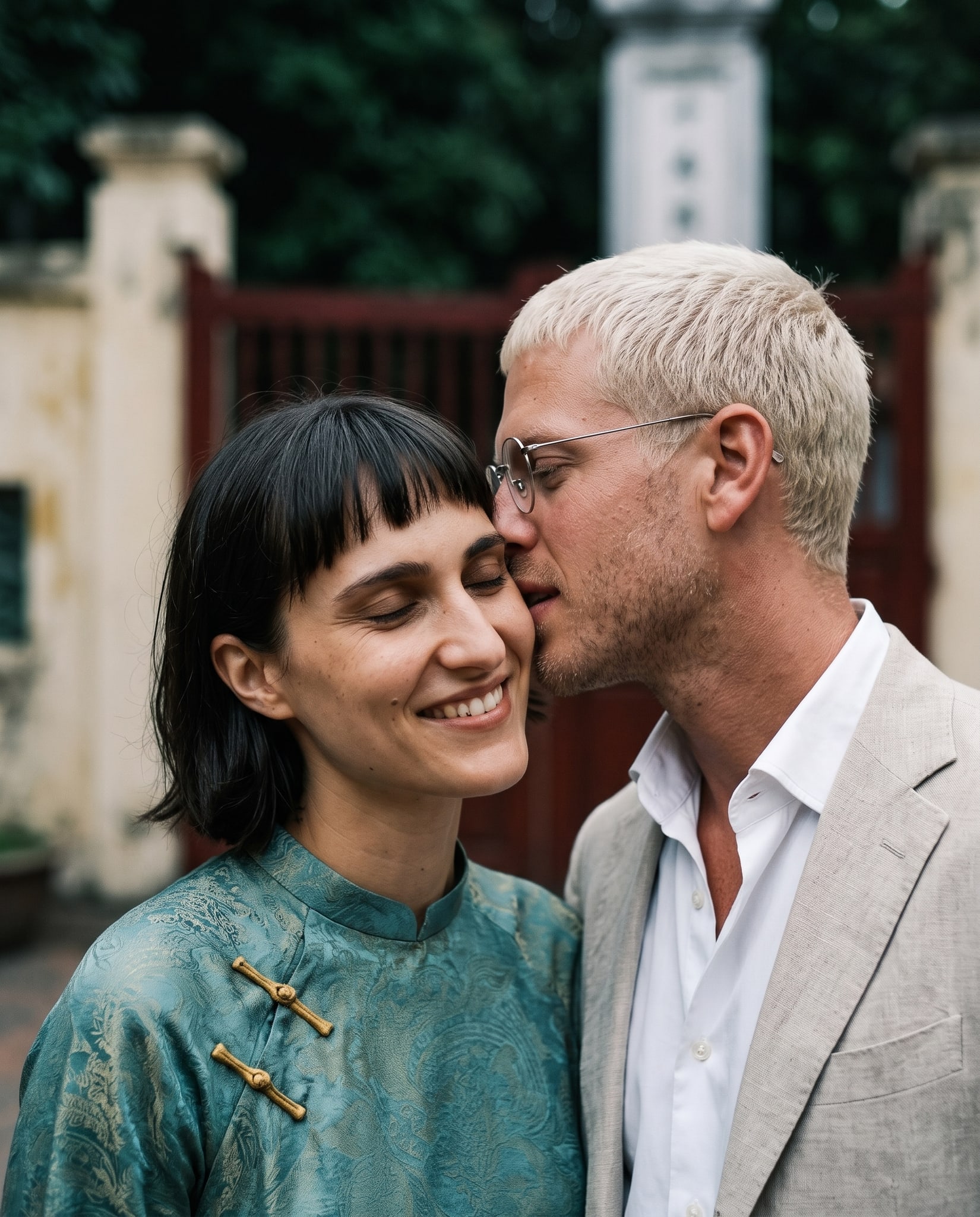
Where should you rent an ao dai by your location?
Rental availability clusters in four main cities: Hanoi (North, capital), Ho Chi Minh City/Saigon (South, largest), Hoi An (Central, UNESCO heritage town) and Da Nang (Central, beach gateway). Each city has different rental depth. Hanoi and Saigon have the most shops and fastest same-day turnaround due to foot traffic and tourist volume. Hoi An, where the ao dai originated centuries ago, has specialist tailors and cultural advisors who can discuss seasonal colors and embroidery meanings. Da Nang suits travelers on a tighter schedule, with express rentals and hotel delivery. See rental options by city to compare booking windows and pricing—some areas offer free hotel pickup, others charge a small delivery fee. Most require a deposit (typically refundable) and a WhatsApp/Zalo contact for updates. Choose your city first, then contact that location 2–3 days before your event so tailors have time to fit you properly.
How do different occasions change what you should rent?
| Occasion | Ao Dai Style & Color | Fabric & Embellishments | Best Rental Window |
|---|---|---|---|
| Photoshoot | Modern cut, jewel tones or pastels | Silk or linen, subtle embroidery | 4–6 hour rental, often with stylist |
| Tet (Lunar New Year) | Traditional, red or gold | Brocade, ornate embroidery | 24–48 hour rental, book 2+ weeks ahead |
| Wedding (guest or family) | Formal tunic, coordinated color | High-quality silk, beading, matching underdress | Full day rental, deposits typically required |
| Graduation | Elegant, personal color choice | Silk or blend, modest accessories | 6–8 hour rental with grooming |
| City stroll / casual | Relaxed fit, pastels or neutrals | Cotton or linen, minimal print | 2–4 hour rental, walk-in sometimes available |
Your occasion dictates fabric, length, color symbolism, and rental cost. Red and gold are reserved for Tet and weddings; pastels suit photography; jewel tones work year-round. A Tet ao dai is heavier (brocade and embroidery add weight) and takes longer to fit. A photoshoot rental often bundles styling tips, so you know how to stand, angle your body, and move your sleeves for camera. Wedding ao dais come with tailored underdresses (a second layer of trousers and a camisole) to match your tunic. Explore ao dai + photoshoot packages to see bundled pricing and services—many photographers partner with Ao Dai Diaries to offer combined bookings at discounts.
📸 Ao dai + photoshoot packages
What size and fit details should you provide when booking?
Provide your height (in cm), bust (over your loosest point), waist (natural waist, not hip) and shoulder width. Most rental shops carry sizes XS–XXL, but the fit isn't one-size-fits-all: a tailor uses your measurements to pin the tunic seam for your specific frame. If you're under 5'2" (157 cm), hemming is essential; over 6' (183 cm), the tunic may need lengthening, which some shops do in-house for a small fee. Shoulder width is critical: if your shoulders are narrow, the ao dai neckline will sag; if broad, it'll pull. Be honest about these numbers—shops won't judge, and precision fitting saves embarrassment on the day. During your in-person fitting (usually 30–45 minutes), the tailor will ask you to stand, sit, and walk so they can see where the tunic rides and where it bunches. If you can't visit in person, video-call fitting is increasingly available; send clear photos of your full body (front, side, back) in fitted clothes so the tailor can assess proportions. Most shops hold your measurements on file if you rent again, so your second rental is faster.
📍 See rental by city
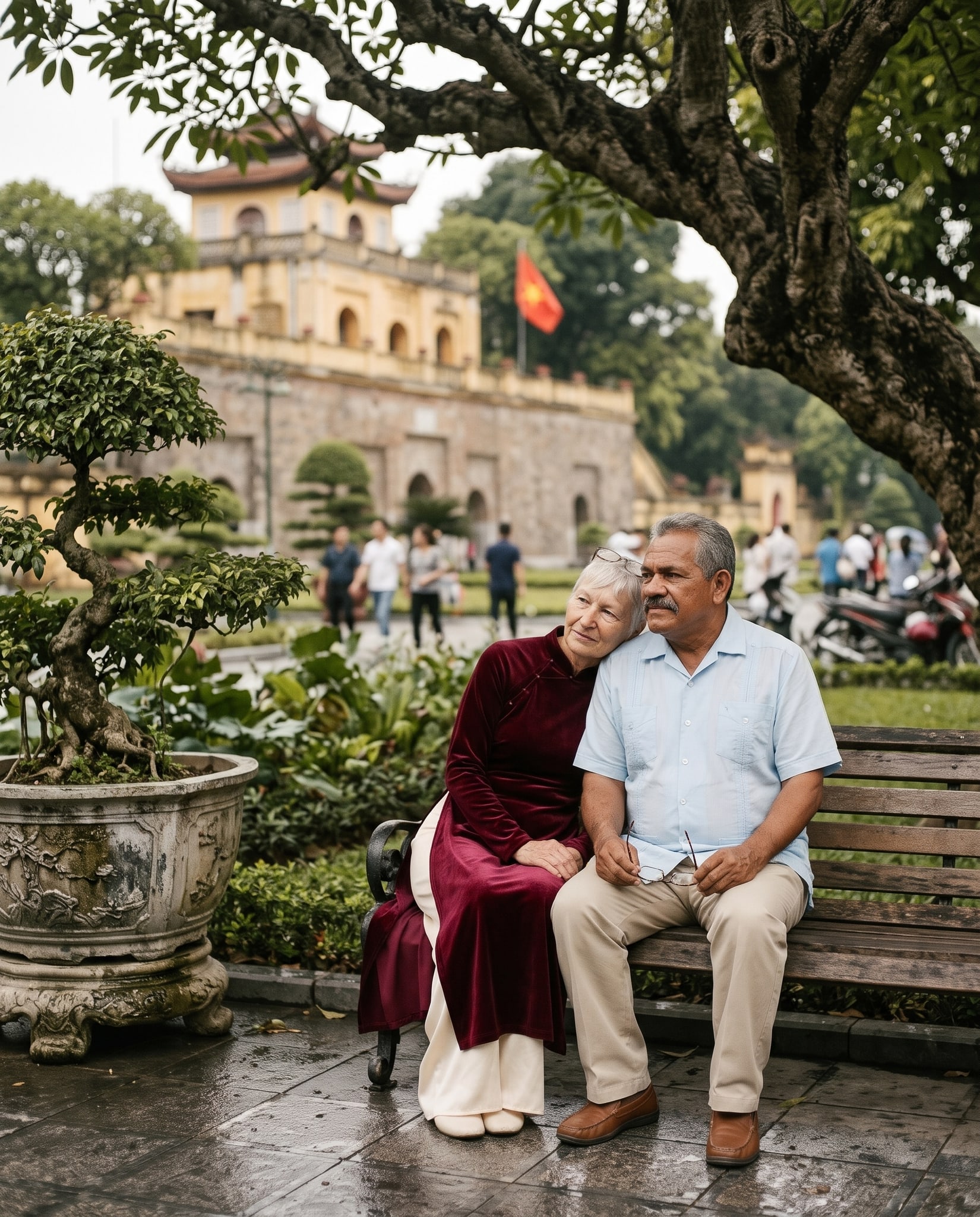
What's the real process: from booking to return?
- Contact & booking (Day 1): WhatsApp/Zalo your city, occasion, preferred dates and rough measurements. Shops respond within 2–12 hours. Confirm availability and deposit amount (often 20–30% of rental cost, refundable if returned on time and clean). Payment is usually bank transfer, e-wallet (Momo, Zalo Pay) or cash on fitting day.
- Fitting appointment (Day 2–3): Visit the shop or arrange video fitting. The tailor pins, marks and sometimes hand-stitches adjustments (hems, seams, underdress layers). Fitting takes 30–60 minutes. You'll receive care instructions: avoid perfume on the tunic (oil stains are hard to remove), don't sit on it for hours, and handle the trousers carefully (they're delicate fabric).
- Pickup or delivery (Day of event): Many shops offer same-day pickup or hotel delivery 2–4 hours before your event. Delivery within the city is often free; outside-city delivery (e.g., from Hanoi to a nearby resort) incurs a charge. You'll receive a fitted tunic, trousers, and underdress (if applicable), plus a styling guide or photo reference.
- Return (24–48 hours after event): Drop off at the shop or arrange pickup. Light wear stains (dust, minor makeup marks) are normal; excessive stains (food, makeup, perfume) may incur a cleaning fee (typically see packages & prices equivalent). Most shops have a grace period for returns (e.g., 2 hours late is fine; 4+ hours incurs an extra day's fee). Deposit is refunded within 5–7 business days.
Learn how ao dai rental works for full details on deposits, cancellation, and sizing guides.
---
What are the most common mistakes renters make—and how to avoid them?
Mistake 1: Ordering the wrong size "to be safe." A tight ao dai looks disrespectful and uncomfortable; a loose one looks borrowed and shapeless. Trust the tailor's guidance. If you're between sizes, rent a half-size up and let them adjust the seam; don't guess.
Mistake 2: Booking too late. Ao dai fitting isn't instant tailoring. If you book 12 hours before your event, you may get a pre-fitted garment that doesn't suit you. Book 3–5 days ahead so the tailor has time to measure, pin, and alter. Tet and wedding season (Nov–Jan) book out 2–3 weeks early.
Mistake 3: Ignoring color and fabric meaning. Red and gold are festive; black and white are mourning colors. Pastels suit photography; heavy brocade suits formal events. Ask the tailor which style fits your occasion; they'll steer you away from culturally mismatched choices.
Mistake 4: Neglecting the underdress. The tunic drapes over wide, lightweight trousers and a camisole (underdress). If you skip the camisole, the tunic clings to your body underneath, which looks cheap. Always rent the full set.
Mistake 5: Wearing perfume or sitting carelessly. Oil stains, food smudges, and makeup marks are the top return issues. Perfume is particularly risky on delicate fabrics. If you spill something, tell the shop immediately—they may be able to treat it before the next renter. Don't assume you'll "wear it out" or hide it.
Mistake 6: Not taking styling guidance seriously. The ao dai is formal wear that demands a specific posture. You sit with your legs together and your tunic pooled slightly around you; you walk with small steps; you keep your arms relaxed. Ask for a style brief or watch a 2–3 minute styling video when you pick up your rental.
---
Deciding between renting and buying—which makes sense for you?
Rent if: You're visiting Vietnam once, celebrating one occasion (photoshoot, wedding, Tet), or unsure about your style. Rental costs see packages & prices equivalent per day (depending on complexity and city), with no storage or cleaning burden. You get a fitted, clean, respected garment without the see packages & prices+ investment and care commitment. Most travelers and one-time celebrants rent.
Buy if: You live in Vietnam, celebrate Tet annually, want a specific color or design, or plan to wear it multiple times over years. Buying means finding a tailor, getting measured, commissioning a custom ao dai (2–4 weeks lead time, typically see packages & prices equivalent), and learning how to care for it (hand wash, hang-dry, avoid direct sun). This makes sense if you're Vietnamese, married, or deeply invested in the tradition. Visit the Ao Dai Diaries guide for more on ao dai culture, history, and etiquette; it will help you decide.
Hybrid approach: Rent for your first event to learn what suits you (color, style, fabric weight). If you love it, commission a custom ao dai later from your tailor's recommendation.
---
What should you check before confirming your rental?
- Deposit terms: Refundable or non-refundable? What triggers a fee (late return, stains, damage)?
- Fitting slot availability: Can you visit in person? Is video fitting available? How long is the appointment?
- Size options: Does the shop have your size in stock, or will they adjust a similar size? How much adjustment is feasible?
- Fabric & style: See photos or visit the shop. Is the color, embroidery, and weight right for your occasion?
- Delivery & pickup: Is hotel delivery included? Any extra charge? What's the latest pickup time before your event?
- Care instructions: Are you allowed to sit, eat, or move freely? What's the penalty for stains?
- Return window: How much time do you have to return after your event? What time do they close?
- Payment method: Bank transfer, e-wallet, or cash? Is there a surcharge for foreign cards?
- Cancellation policy: If your event is postponed, can you reschedule for free or for a small fee?
- Contact & language: Does the shop have English-speaking staff? Will they WhatsApp updates?
Most Ao Dai Diaries rental partners cover all these in their booking confirmation; if something's unclear, ask on WhatsApp/Zalo before paying your deposit.
---
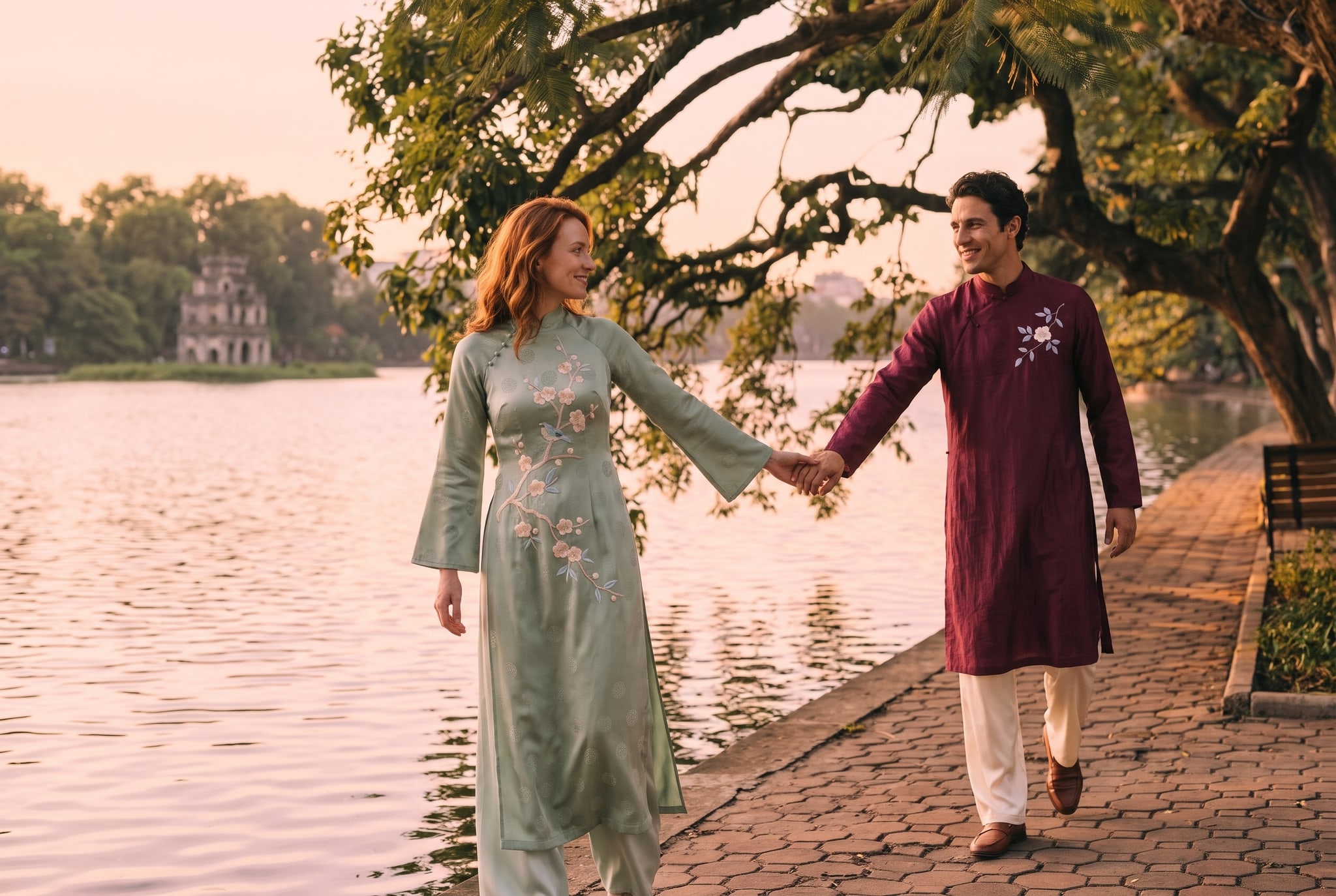
Frequently asked questions
Can I rent an ao dai for just a 2-hour photoshoot, or is there a minimum rental time?
Most shops offer 4–6 hour rentals for photoshoots, which covers fitting, photography, and return. Some allow 2-hour express rentals for an extra fee. Confirm the minimum when you book; shorter windows suit studio shoots, while outdoor city strolls often need 4–6 hours to account for travel time.
What if I'm not Vietnamese—is it okay to wear an ao dai as a tourist?
Absolutely. Wearing an ao dai respectfully is celebrated, not offensive. The key is treating it as formal, sacred wear: avoid disrespectful poses, tight fitting, or careless handling. Many Vietnamese are delighted to see foreigners honoring their tradition. Rent from a reputable shop that can advise you on appropriate styling.
Will the ao dai fit me if I'm very tall or plus-size?
Yes, most rental shops carry sizes XS–XXL and will adjust hems and seams to fit your height and frame. If you're over 6' (183 cm) or wear size XXL, mention this when booking so they reserve a garment with enough fabric for adjustment. Video fitting helps confirm fit before you visit in person.
How much does ao dai rental typically cost?
Rental costs vary by city, fabric, and occasion. A basic photoshoot rental typically costs less than a formal wedding or Tet ao dai. Confirm exact pricing with your chosen shop on WhatsApp/Zalo; deposits are often 20–30% of the rental fee and refundable if you return on time and care for the garment properly.
Can I rent an ao dai with same-day service if I book last-minute?
It's possible in Hanoi and Saigon, where shops have pre-fitted inventory, but tailoring adjustments will be minimal and may not fit perfectly. Booking 2–3 days ahead ensures a proper fitting. Contact your city's rental shop immediately if you need same-day service; they'll tell you honestly if it's feasible.
What should I wear under my ao dai—undergarments, layers, shoes?
Wear a smooth camisole (often included in rentals), lightweight undershorts, and modest undergarments (no visible lines or bulk). The ao dai sits on your natural waist, so avoid thick belts or bulky layers. Shoes are up to you: flat sandals, ballet flats, or dressy heels work; avoid athletic shoes. The underdress (provided by the rental) is the second tunic and trousers layer; don't add extra clothing under it. ===
Dozens of colours, all sizes XS–XXL, delivered to your hotel in Hanoi, Saigon, Hoi An or Da Nang. One WhatsApp or Zalo message.
More guides
You might also like
The ao dai is Vietnam's iconic silk dress, worn for celebrations and formal occasions. Ao Dai Diarie
May is Vietnam's hottest month before monsoon season. We'll help you choose the right outfit—whether
December weather in Vietnam is cool and dry—ideal for wearing the ao dai. Here's what suits the seas