guide/ao-dai
Ao Dai (Vietnamese Traditional Dress): Rent for Photos, Weddings & Tet
Ao Dai Diaries team · All guides →
The ao dai is a floor-length, high-necked tunic dress paired with wide-leg silk trousers—Vietnam's national formal wear, dating back centuries. It drapes elegantly and signals respect, grace, and cultural pride. You rent one through Ao Dai Diaries by choosing your city (Hanoi, Saigon/HCMC, Hoi An, or Da Nang), selecting a style and color, and booking a fitting appointment via WhatsApp/Zalo (+84 338 762 340). Sizes range XS–XXL; rental includes the full outfit (tunic, trousers, underdress, sometimes headpiece). A deposit secures your booking. Same-day rentals are available; delivery to your hotel is offered. Rental costs vary by city and garment quality. The ao dai is respected formal wear—wear it with humility, avoid disrespect, and follow any local etiquette your stylist advises. Ao Dai Diaries provides guidance on occasion-appropriate colors and fits to ensure you feel confident and culturally conscious. ---
What exactly is an ao dai, and why do people rent rather than buy?
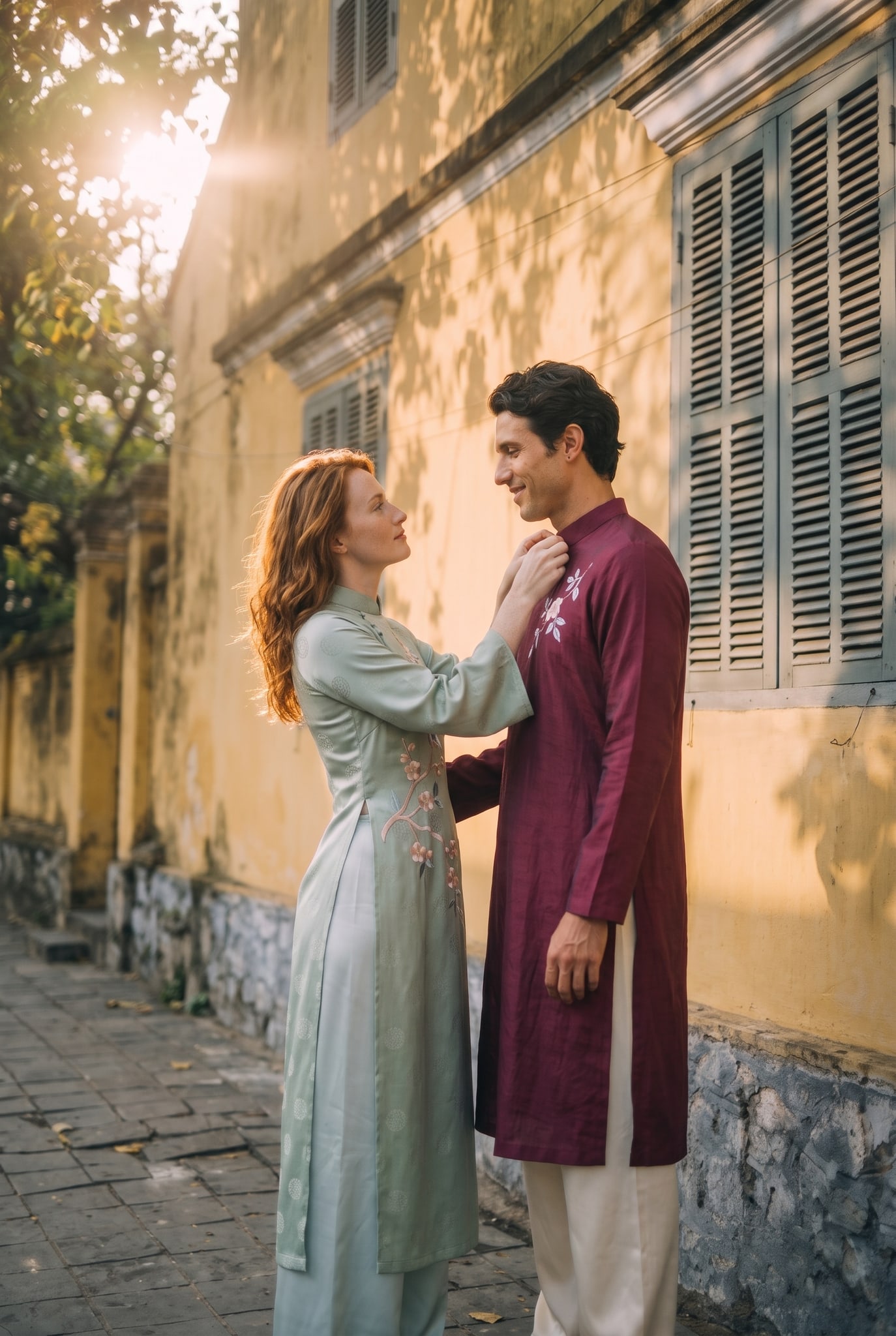
The ao dai (pronounced "ao yai") is a flowing, high-necked tunic worn over full-length trousers—the most recognizable symbol of Vietnamese elegance. It's formal wear: weddings, Tet (Lunar New Year), graduations, government events, and temple visits call for it. Most tourists and locals rent because owning requires tailoring (ao dai must be custom-fitted to your body—hemming, shoulder adjustment, bust shaping), storage in humid climates, and dry-cleaning costs. Renting lets you wear authentic, well-maintained pieces for one event without the commitment or logistics.
When do you actually need an ao dai—which occasions?
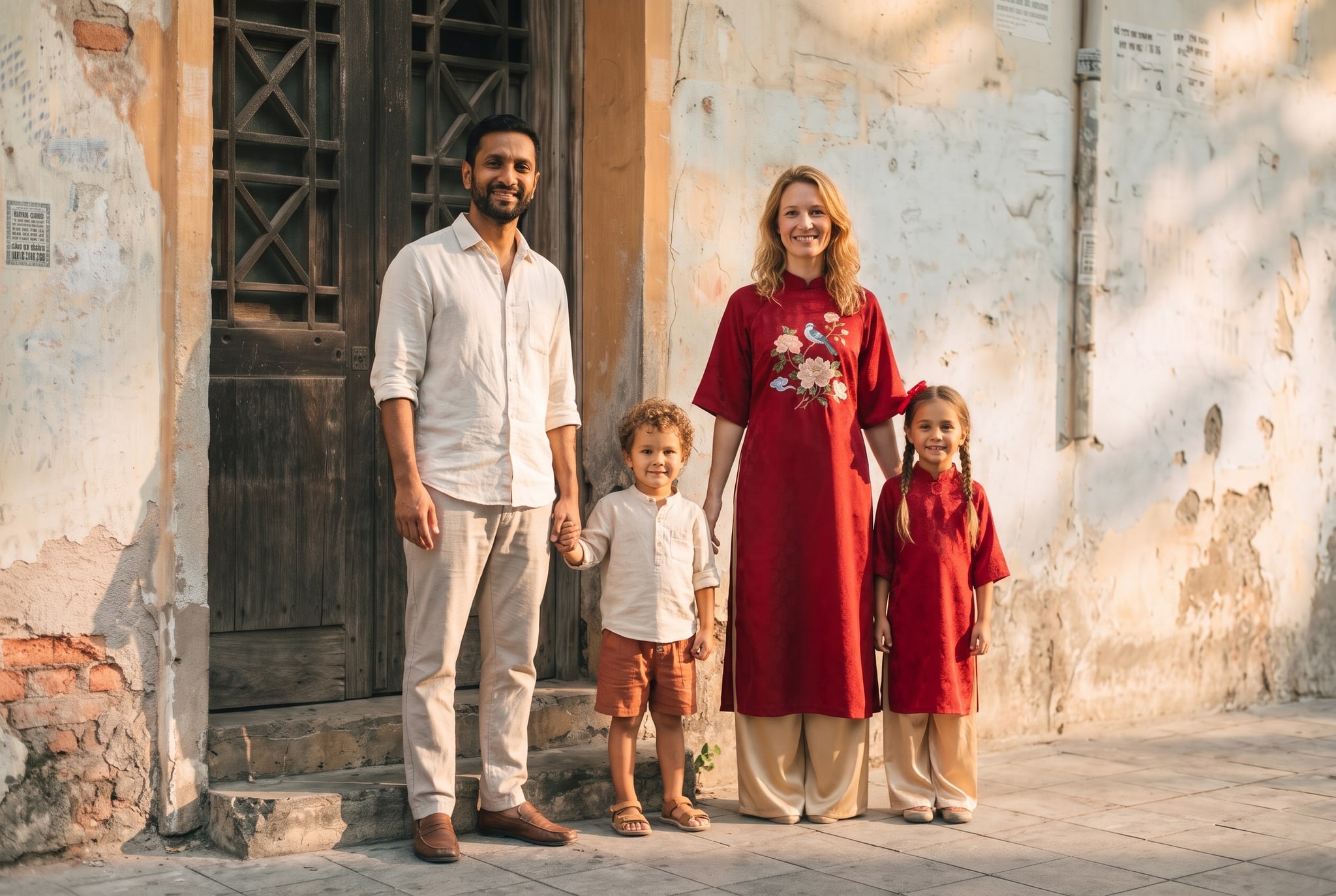
Tet (Lunar New Year): Families wear new ao dai for ancestor worship and family gatherings—a spiritual and celebratory tradition.
Weddings: Guests in ao dai show respect; brides often wear ao dai during ceremonies or receptions.
Graduation: Universities photograph students in traditional dress; it marks a cultural milestone.
Photoshoots: Tourists book ao dai + photographer packages for Hanoi's Old Quarter, Saigon's colonial streets, Hoi An's lantern-lit heritage sites, or Da Nang's beaches.
Temple visits & cultural events: Wearing ao dai to pagodas or cultural festivals shows reverence. Conclusion: ao dai moves from daily absence into formal, celebratory, or spiritually meaningful moments.
How does Ao Dai Diaries' rental process actually work—step by step?
1. Contact via WhatsApp/Zalo (+84 338 762 340). Message your city, occasion, preferred date, and any color/style preference.
2. Booking & fitting appointment. A stylist reserves your slot—usually same-day or next-morning, depending on demand.
3. Physical fitting. You visit the studio (or stylist arranges hotel pickup in some cases). They measure shoulder width, bust, waist, hip, and inseam. They show you color options, fabric weights, and embroidery styles.
4. Deposit & rental period. You pay a deposit (non-refundable if cancelled; covers 24–48-hour rental). Final balance due at pickup or on return.
5. Pickup or delivery. Collect your outfit ironed and wrapped, or receive it at your hotel. Includes styling tips (posture, how to sit, standing photo angles).
6. Return & condition check. Return within the agreed window. Minor wear is normal; major stains or tears incur a damage fee (stated upfront). Conclusion: the process prioritizes fit accuracy and cultural respect, not speed-rental convenience.
👗 Rent your ao dai — WhatsApp/Zalo +84 338 762 340
What sizes and color options are realistically available?
Ao Dai Diaries stocks pieces XS–XXL across these color families:
| Color family | Worn for | Symbolism | Best cities |
|---|---|---|---|
| Red, gold | Tet, weddings (auspicious) | Joy, prosperity, luck | All cities |
| White, cream | Graduation, temple visits | Purity, respect, youth | Hanoi, Hoi An |
| Pastel (pink, lavender, mint) | Photoshoots, casual celebrations | Softness, femininity, modernity | Saigon, Da Nang |
| Deep jewel tones (navy, emerald, burgundy) | Weddings, formal dinners | Sophistication, maturity | All cities |
| Black, grey | Formal events, mourning contexts | Respect, seriousness | Hanoi |
Size reality: Most renters fall between S and L. XS and XXL have limited stock (reserve 2–3 days ahead). Petite frames under 5'2" may need custom hemming (paid extra, 24-hour turnaround). Tall or plus-size renters: Hoi An and Saigon studios usually carry a wider range; call ahead. Conclusion: fit is non-negotiable—Ao Dai Diaries prioritizes accuracy over instant availability.

How much does ao dai rental cost, and what's included?
Rental pricing varies by city, fabric (silk vs. silk blend), and embroidery complexity. Ao Dai Diaries does not publish fixed prices online to account for seasonal demand and custom requests—this is standard practice across Hanoi, Saigon, and Da Nang rental studios. Expect a deposit of see packages & prices (roughly 250–600 KVN) per rental. Final cost typically runs see packages & prices for a standard 24–48-hour rental.
What's included: ✓ Full ao dai set (tunic + trousers + underdress/slip) ✓ Styling consultation ✓ Tailored fit adjustments (shoulder, length, bust) ✓ Pressing and wrapping ✓ Basic care instructions
What's often extra: – Hair clip or headpiece (see packages & prices) – Delivery to hotel (varies by distance) – Urgent same-day rental (premium charge, if slots remain) – Damage insurance (optional, see packages & prices)
How to avoid sticker shock: Ask the stylist upfront for a deposit amount and estimated final total. Request itemization (tunic + trousers separate, if offered). Bring a credit card or cash (VND preferred, USD accepted at slight markup). Conclusion: transparency saves friction—Ao Dai Diaries commits to clear pricing at your fitting, not a surprise invoice.
📸 Ao dai + photoshoot packages
Which city's ao dai rental is right for your trip—and what's different?
Hanoi: Older studios, more traditional embroidery. Best for Tet, temple visits, Old Quarter photoshoots. Stock leans classic (reds, whites, subtle patterns). Fitting appointments fill fastest during Tet season (book 5–7 days ahead).
Ho Chi Minh City (Saigon): Most studio locations, widest size range, modern + traditional styles. Best for weddings, evening events, photoshoots in District 1 (Bitexco, Reunification Palace backdrop). Faster turnaround, late-night delivery options.
Hoi An: Tailor-rich heritage town. Best for photoshoots in the Ancient Town (lanterns, water reflections, yellow walls). Ao dai rentals here often pair with same-day tailor-made custom pieces (3–5-day rush available). Studios work closely with photographers.
Da Nang: Beach-city vibe, casual + formal blends. Best for Tet beach celebrations, wedding events, soft-focus coastal photoshoots. Stock includes lighter fabrics (silk blends, not heavy). Fewer walk-in studios; booking 24–48 hours ahead recommended.
Decision framework: Photoshoot in a heritage site? Choose Hoi An. Wedding guest? Go to Saigon or Hanoi (widest formal selection). Tet celebration? Any city works; book early. Casual exploration or beach event? Da Nang. See rental by city for your next move.
What styling and etiquette rules must you know before wearing ao dai?
Respect the garment: The ao dai is formal, sacred in context. Avoid wearing it to casual bars, beaches without occasion, or disrespectful situations. Never sit directly on fabric when possible (sit upright or tuck folds beneath you).
Color etiquette: Red/gold = celebration, Tet, luck. White = youth, graduation, temple reverence. Black = mourning or solemn formal events—avoid unless attending a funeral. Ask your stylist if unsure for your occasion.
Posture & movement: Ao dai flatters an upright, graceful stance. When sitting, tuck the front panel to the side or center between your legs. When walking, let the skirt flow; small steps are natural and elegant. For photos, angle your body slightly; face the camera square and it risks bunching.
Photography tips: Stand near water, architecture, or gardens (ao dai photograph best against visual interest). Avoid backlit harsh sun (soft morning or golden hour better). Ask your stylist for a 3–5-minute posing demo (worth it).
With elders & religious spaces: Bow slightly when greeting older relatives. Enter temples and pagodas with removed shoes and humble demeanor. The ao dai signals respect—live up to it.
Conclusion: Wear the ao dai as a guest in Vietnamese culture, not a costume. Ao Dai Diaries staff will coach you; listen to their cues.
---
What to check before you book your ao dai rental
- Confirm deposit amount & cancellation policy – Is it non-refundable? Can you reschedule?
- Measure yourself – Height, bust, waist, inseam (in cm or inches). Bring a tape measure to your fitting.
- Specify occasion & color preference – "Wedding guest, jewel tones" vs. "Tet celebration, red preferred."
- Ask about damage terms – What counts as normal wear? What incurs a fee? Get it in writing (screenshot the chat).
- Confirm return logistics – Drop-off location, hours, late-return fees (if any).
- Book early for high seasons – Tet (Jan–Feb) and wedding seasons (Nov–Dec) fill weeks ahead.
- Test the fit at the studio – Walk, sit, bow. If something tugs or gaps, ask for adjustment before leaving.
---
Frequently asked questions
Can I rent an ao dai online without visiting in person?
No. Ao dai requires physical fitting to ensure proper length, shoulder fit, and bust shaping. You must visit the studio or arrange a hotel pickup for measurement. Ao Dai Diaries books fitting appointments via WhatsApp/Zalo; final selection happens face-to-face.
How long can I keep a rented ao dai?
Standard rental is 24–48 hours. Extensions are possible (ask your stylist). Late returns incur hourly or daily overage fees. Multi-day rates (Tet week, wedding weekends) are negotiated at booking.
What if the ao dai doesn't fit after I rent it?
Return immediately. A stylist will refit you or offer an alternative piece from stock. Minor adjustments (hem, shoulder tape) are usually done same-day at no extra cost if the fit issue is a studio error.
Can I wash or dry-clean a rented ao dai myself?
No. Silk is delicate. Return it in the condition received. If you spill food or drink, inform the studio immediately—they assess damage and charge accordingly (minor stains often waived; major staining or tearing will result in a fee, stated upfront).
Do I need to wear anything under the ao dai?
Yes. You wear a silk slip/underdress (included in the rental) under the tunic. No bra strap showing; wear a strapless or convertible bra, or none if you feel comfortable. The underdress provides modesty and smooth lines.
Can a man rent an ao dai?
The áo dài tunic is traditionally worn by women and girls. Men wear the áo ghi (buttoned tunic) or western formal wear at most events. Ao Dai Diaries serves all renters respectfully; ask the stylist about men's traditional options or modern gender-neutral celebrations.
What happens if I damage the ao dai during rental?
Minor wear (wrinkles, loose threads) is normal—no charge. Major damage (large rips, deep stains, missing panels) incurs a damage fee. The studio assesses it at return and shows you the charge basis. Damage insurance (optional, small cost) can be purchased at booking to cover accidental tears.
Is it disrespectful for foreigners to wear an ao dai?
No. Wearing ao dai respectfully—for formal events, cultural immersion, or photoshoots—is welcomed by Vietnamese people. Disrespect arises from treating it as a costume, wearing it to casual bars, or mocking the cultural significance. Ao Dai Diaries staff will guide you; listen to their cues, dress modestly, and approach the garment with genuine curiosity and reverence.
Which city should I rent from if I'm visiting multiple cities?
Rent from your first city, then return there within the rental period. Transferring rentals between cities adds logistics costs and risks lost or damaged pieces. If you're splitting time, rent locally in each city. Hoi An works well for 2–3-day stays; Saigon and Hanoi for 1–2 days. Ask the stylist about multi-city deals if you're visiting all four. --- 👗 Rent your ao dai — WhatsApp/Zalo +84 338 762 340 📍 See rental by city for Hanoi, Saigon, Hoi An, Da Nang studio details and booking. Guide to ao dai & rental etiquette for deeper cultural context.
Frequently asked questions
Can I rent an ao dai online without visiting in person?
No. Ao dai requires physical fitting to ensure proper length, shoulder fit, and bust shaping. You must visit the studio or arrange a hotel pickup for measurement. Ao Dai Diaries books fitting appointments via WhatsApp/Zalo; final selection happens face-to-face.
How long can I keep a rented ao dai?
Standard rental is 24–48 hours. Extensions are possible (ask your stylist). Late returns incur hourly or daily overage fees. Multi-day rates (Tet week, wedding weekends) are negotiated at booking.
What if the ao dai doesn't fit after I rent it?
Return immediately. A stylist will refit you or offer an alternative piece from stock. Minor adjustments (hem, shoulder tape) are usually done same-day at no extra cost if the fit issue is a studio error.
Can I wash or dry-clean a rented ao dai myself?
No. Silk is delicate. Return it in the condition received. If you spill food or drink, inform the studio immediately—they assess damage and charge accordingly (minor stains often waived; major staining or tearing will result in a fee, stated upfront).
Do I need to wear anything under the ao dai?
Yes. You wear a silk slip/underdress (included in the rental) under the tunic. No bra strap showing; wear a strapless or convertible bra, or none if you feel comfortable. The underdress provides modesty and smooth lines.
Can a man rent an ao dai?
The áo dài tunic is traditionally worn by women and girls. Men wear the áo ghi (buttoned tunic) or western formal wear at most events. Ao Dai Diaries serves all renters respectfully; ask the stylist about men's traditional options or modern gender-neutral celebrations.
What happens if I damage the ao dai during rental?
Minor wear (wrinkles, loose threads) is normal—no charge. Major damage (large rips, deep stains, missing panels) incurs a damage fee. The studio assesses it at return and shows you the charge basis. Damage insurance (optional, small cost) can be purchased at booking to cover accidental tears.
Is it disrespectful for foreigners to wear an ao dai?
No. Wearing ao dai respectfully—for formal events, cultural immersion, or photoshoots—is welcomed by Vietnamese people. Disrespect arises from treating it as a costume, wearing it to casual bars, or mocking the cultural significance. Ao Dai Diaries staff will guide you; listen to their cues, dress modestly, and approach the garment with genuine curiosity and reverence.
Which city should I rent from if I'm visiting multiple cities?
Rent from your first city, then return there within the rental period. Transferring rentals between cities adds logistics costs and risks lost or damaged pieces. If you're splitting time, rent locally in each city. Hoi An works well for 2–3-day stays; Saigon and Hanoi for 1–2 days. Ask the stylist about multi-city deals if you're visiting all four. --- [👗 Rent your ao dai — WhatsApp/Zalo +84 338 762 340](https://wa.me/84338762340) [📍 See rental by city](/rent) for Hanoi, Saigon, Hoi An, Da Nang studio details and booking. [Guide to ao dai & rental etiquette](/guide/ao-dai) for deeper cultural context.
Dozens of colours, all sizes XS–XXL, delivered to your hotel in Hanoi, Saigon, Hoi An or Da Nang. One WhatsApp or Zalo message.
More guides
You might also like
The ao dai is Vietnam's iconic silk dress, worn for celebrations and formal occasions. Ao Dai Diarie
May is Vietnam's hottest month before monsoon season. We'll help you choose the right outfit—whether
December weather in Vietnam is cool and dry—ideal for wearing the ao dai. Here's what suits the seas