how-it-works
Ao Dai vs Kimono vs Hanbok: Which Robe to Rent in Vietnam
Ao Dai Diaries team · 2026-10-03 · All guides →
The ao dai is Vietnam's long, flowing silk tunic worn over high-waisted trousers—a silhouette designed for the tropical climate and formal or casual wear. The kimono (Japan) is a wrapped robe tied with an obi, never typically worn today except festivals or formal tea ceremonies. Hanbok (Korea) combines a short wrap top and high-waisted, pleated skirt, historically worn daily but now reserved for celebrations like weddings and Lunar New Year. All three are respected cultural symbols—never costumes. Ao dai rentals are the most accessible and flexible in Vietnam; Ao Dai Diaries offers same-day and delivery-to-hotel options in Hanoi, Ho Chi Minh City, Hoi An, and Da Nang, with sizes XS–XXL and fittings that take 15–30 minutes. Kimono and hanbok require specialized rental networks in Japan and Korea respectively. For travelers in Vietnam, renting an ao dai is simpler, more affordable, and deeply meaningful—your presence in the robe honors the wearer's heritage and invites local connection. ---
What exactly is an ao dai, and how does it differ from a kimono in structure?
An ao dai consists of two pieces: a fitted silk tunic that splits at the hip and flows to the ankles, paired with high-waisted, straight-leg trousers. A kimono wraps around the body and is secured with an obi belt. The ao dai is cut to hug the torso and waist; the kimono is loose and shapeless unless belted tightly. Ao dai sits closer to the body and moves with the wearer; kimono fabric billows and creates distance. This structural difference means an ao dai complements a wider range of body types without requiring intensive knowledge of wrapping technique.
---
Why is hanbok silhouette different, and when do Koreans wear it today?
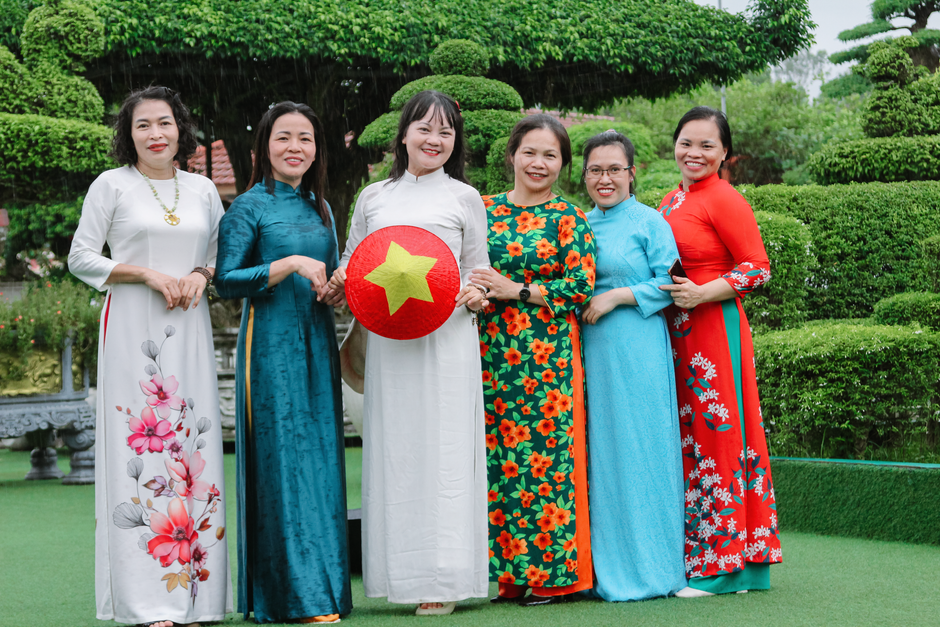
Hanbok—especially the jeogori (short jacket) and chima (high-waisted skirt)—emphasizes vertical line and curves the skirt outward from the waist upward. The ao dai, by contrast, is linear and fluid from shoulder to ankle. Hanbok is now worn primarily at Lunar New Year (Seollal), weddings, and formal celebrations; it's no longer daily wear. In Vietnam, the ao dai remains flexible—tourists and locals wear it for photoshoots, weddings, Tet (Lunar New Year), graduations, and casual city walks. This modern versatility makes the ao dai a better rental option for travelers who want authentic cultural experience without ceremonial formality.
---
Does wearing an ao dai respect Vietnamese culture, or is renting one as a tourist appropriation?
Wearing an ao dai as a foreign traveler is welcomed and respected in Vietnam when you approach it with intent and care. Vietnamese people invited tourists into ao dai culture as a bridge—not a barrier. The key: rent from legitimate local businesses, listen to fitting and styling advice, and understand you're honoring the wearer's grandmother's identity. Never treat it as a Halloween costume or wear it disrespectfully. Ao Dai Diaries staff walk you through proper fit, etiquette, and occasions; they ensure your rental is an act of cultural participation, not mockery. Wearing an ao dai to a photoshoot, museum visit, or Tet celebration signals genuine curiosity—locals respond with warmth and often share stories.
---
What does an ao dai rental actually include, and how is sizing handled for foreign travelers?
When you rent an ao dai through Ao Dai Diaries, your rental includes the tunic, trousers, and access to a fitting appointment (15–30 minutes). Sizes range XS–XXL to accommodate most body types; measurements are taken or confirmed at fitting to ensure the tunic sits at the right length and the trousers rest properly at the waist and ankles. A deposit secures your booking; same-day rental or hotel delivery are available. Fitting ensures the ao dai flows correctly and doesn't bunch or drag—essential for photos and comfort during wear. If you're renting in Hanoi, Ho Chi Minh City (Saigon), Hoi An, or Da Nang, pickup at a local shop or delivery to your hotel both take 1–2 hours from confirmation.
---
How does the cost and rental process of ao dai compare to kimono or hanbok options?
| Robe | Location | Rental Process | Typical Duration | Why Choose It |
|---|---|---|---|---|
| Ao dai | Vietnam (4 cities) | Same-day fitting or delivery to hotel | 4–8 hours to multi-day | Flexible, accessible, respectful cultural entry |
| Kimono | Japan (Kyoto, Tokyo) | Pre-booked through specialist shops; requires advance planning | Usually full day | Formal festivals, tea ceremonies, cultural depth |
| Hanbok | South Korea (Seoul) | Pre-booked; wrapping/styling included | 4–8 hours | Celebrations, Seollal, weddings, photography |
Ao dai rentals are the most spontaneous: you can book via WhatsApp/Zalo, get fitted same-day, and wear it immediately. Kimono and hanbok require advance reservation and deeper knowledge of wrap-and-tie protocols. For travelers already in Vietnam, renting an ao dai removes planning friction.
👗 Rent your ao dai — WhatsApp/Zalo +84 338 762 340
---
What styling choices do you actually make when renting an ao dai—and what mistakes to avoid?
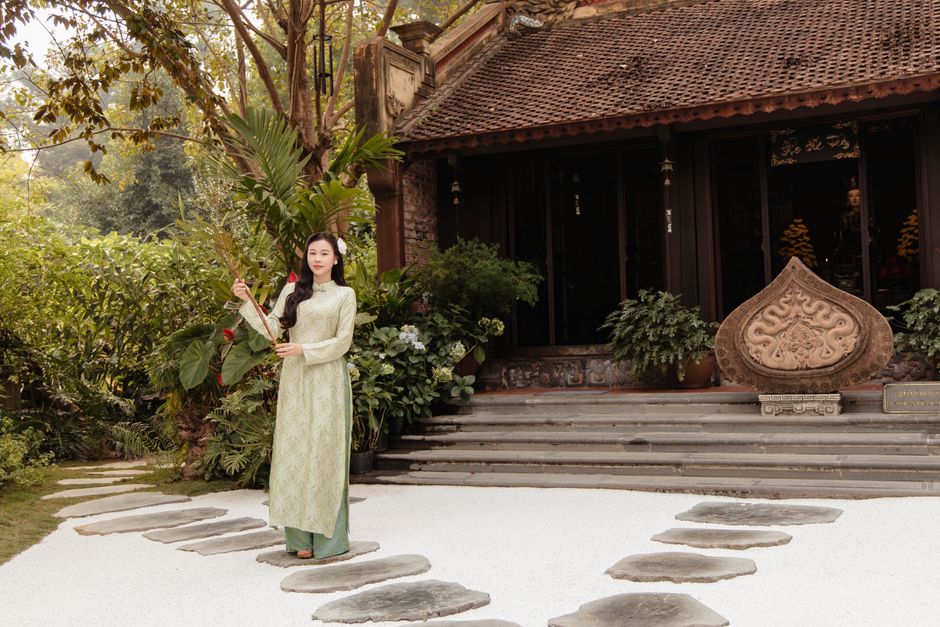
When you rent, you'll choose traditional or modern color and pattern. Deep jewel tones (emerald, sapphire, burgundy) and pastels (soft pink, lavender, cream) photograph beautifully; bold neon or overly trendy patterns can feel disconnected from the tradition. Your stylist will suggest accessories—a silk scarf draped lightly over the shoulders, or subtle jewelry—without overloading the look. Common mistakes: wearing the tunic too loose (it should skim your waist); pairing an ao dai with Western sneakers (Vietnamese sandals or flat dress shoes ground it culturally); or posing in disrespectful ways (mocking squats, pulling the tunic up). The ao dai commands quiet dignity. Sit carefully, stand tall, and move slowly. Your renter will show you how to walk, sit, and ascend stairs without catching fabric.
📸 Ao dai + photoshoot packages
---
What should you check before renting—real issues and how Ao Dai Diaries avoids them?
Before booking:
- City availability: Confirm your city is served (Hanoi, Saigon, Hoi An, Da Nang) and your date is open.
- Measurement accuracy: Provide chest, waist, hip, and inseam via WhatsApp to speed fitting; bring a tailored shirt for comparison.
- Deposit and cancellation: Clarify deposit terms and cancellation deadlines—Ao Dai Diaries will explain these in your first message.
- Fabric condition: Ask about care during your rental (e.g., avoid food/liquids, avoid direct sunlight in photos if silk is delicate).
- Return logistics: If you're renting same-day in Hanoi but leaving for Da Nang next morning, arrange drop-off or courier return in advance.
- Photography session timing: If you're renting for a photoshoot, book your photographer and ao dai slot on the same day to avoid stress.
Ao Dai Diaries addresses these upfront—no hidden fees, no miscommunication. Your rental period is clear, your size is triple-checked during fitting, and your renter walks you through return on pickup day.
---
---
Are there specific occasions where one robe clearly makes sense over the others?
| Occasion | Best Robe | Why |
|---|---|---|
| Vietnam Tet (Lunar New Year) | Ao dai | Colors (red, gold, crimson) carry luck; worn by locals daily during festival. Rental in all cities. |
| Japanese tea ceremony or Kyoto visit | Kimono | Ceremonial and formal; unavoidable in temple settings; requires specialist rental. |
| Korean wedding as guest | Hanbok | Expected attire; chima-jeogori is standard; signals respect and participation. |
| Vietnam photoshoot (Hanoi, Hoi An) | Ao dai | Landscape and architecture pair with traditional Vietnamese silhouette; logistics are simple. |
| Mumbai or Bangkok visit | Neither | These robes are not your option; respect local dress codes instead. |
For travelers in Vietnam, the ao dai is the only robe that makes logistical and cultural sense. Its availability, flexibility, and deep relevance to Vietnam's identity make it the obvious choice. Kimono and hanbok belong in Japan and Korea respectively, or in diaspora communities celebrating heritage.
---
Real examples: When travelers chose wrong and what to avoid?
A traveler once rented a kimono in Hanoi and wore it to a traditional Vietnamese restaurant—staff were polite but confused. The robe felt out of place and diluted the meal's cultural weight. By contrast, a traveler who rented an ao dai at the same restaurant was welcomed, asked about her experience, and joined a conversation with local diners about color meanings. The difference wasn't disrespect—it was relevance. Wearing ao dai in Vietnam signals you're honoring that culture specifically, not collecting "Asian robes." Another mistake: a foreign guest wore an ao dai to a Vietnamese wedding but didn't ask about color etiquette and chose white (symbolizing mourning). The bride's family gently corrected her privately, but the faux pas was noted. Before you rent, ask your stylist about color and pattern meanings for your event.
---
👗 Rent your ao dai — WhatsApp/Zalo +84 338 762 340
---
How to decide: ao dai, kimono, or hanbok for your trip?
Ask yourself:
- Where am I traveling? (Vietnam = ao dai; Japan = kimono; Korea = hanbok.)
- What's my occasion? (Photoshoot, celebration, casual walk—all favor ao dai in Vietnam.)
- How much time do I have to plan? (Ao dai: same-day. Kimono/hanbok: book 1–2 weeks ahead.)
- Am I learning about this specific culture, or collecting "traditional" costumes? (Honest answer clarifies if rental is respectful.)
For travelers in Vietnam, the answer is ao dai—every time. Its structure, history, modern availability, and deep cultural resonance make it the right choice. Start your booking today.
---
Frequently asked questions
Can I wear an ao dai as a foreigner without offending Vietnamese people?
Yes—when you rent it intentionally, wear it respectfully (no mocking poses), and choose appropriate occasions (photoshoots, Tet, city walks, weddings). Vietnamese actively welcome tourists into this tradition. Your stylist at Ao Dai Diaries will guide you through etiquette so you participate with genuine respect.
What's the main structural difference between an ao dai and a kimono?
An ao dai is two separate pieces (tunic + trousers) that sit fitted to the body; a kimono is one wrapped robe secured by an obi belt. Ao dai is linear and flows from shoulder to ankle; kimono is loose and billows unless pulled very tight.
Is hanbok easier to wear than an ao dai or kimono?
Hanbok is simpler to don (skirt ties at waist, jacket wraps easily); an ao dai requires careful tunic-and-trouser coordination; a kimono demands obi-wrapping skill. For ease, ao dai wins—your stylist ensures perfect fit in 15–30 minutes.
Why shouldn't I wear a kimono or hanbok in Vietnam?
Because you're signaling the wrong cultural identity. Wearing hanbok in Hanoi is confusing and can feel dismissive of Vietnamese heritage. In Vietnam, wear ao dai to honor Vietnamese culture specifically and authentically.
How long does an ao dai rental take from booking to wearing?
Same-day bookings are available in all cities (Hanoi, Saigon, Hoi An, Da Nang). Message WhatsApp/Zalo +84 338 762 340, confirm your size and occasion, and you can be fitted and wearing within 1–3 hours or receive delivery to your hotel in 2–4 hours.
What colors or patterns should I avoid in an ao dai rental?
Avoid bright neon (feels cheap), overly trendy Western prints, or pure white for celebrations (white symbolizes mourning in Vietnamese culture). Ask your stylist about color meanings for your specific occasion—pastels, jewel tones, and traditional patterns are safe, beautiful choices.
Can I wear an ao dai more than once during my Vietnam trip?
Yes. Many travelers rent for multiple occasions—one day for a photoshoot, another for Tet celebration or a visit to a heritage site. Discuss multi-day or repeat rental with Ao Dai Diaries when you book; they can arrange flexible terms.
Frequently asked questions
Can I wear an ao dai as a foreigner without offending Vietnamese people?
Yes—when you rent it intentionally, wear it respectfully (no mocking poses), and choose appropriate occasions (photoshoots, Tet, city walks, weddings). Vietnamese actively welcome tourists into this tradition. Your stylist at Ao Dai Diaries will guide you through etiquette so you participate with genuine respect.
What's the main structural difference between an ao dai and a kimono?
An ao dai is two separate pieces (tunic + trousers) that sit fitted to the body; a kimono is one wrapped robe secured by an obi belt. Ao dai is linear and flows from shoulder to ankle; kimono is loose and billows unless pulled very tight.
Is hanbok easier to wear than an ao dai or kimono?
Hanbok is simpler to don (skirt ties at waist, jacket wraps easily); an ao dai requires careful tunic-and-trouser coordination; a kimono demands obi-wrapping skill. For ease, ao dai wins—your stylist ensures perfect fit in 15–30 minutes.
Why shouldn't I wear a kimono or hanbok in Vietnam?
Because you're signaling the *wrong* cultural identity. Wearing hanbok in Hanoi is confusing and can feel dismissive of Vietnamese heritage. In Vietnam, wear ao dai to honor Vietnamese culture specifically and authentically.
How long does an ao dai rental take from booking to wearing?
Same-day bookings are available in all cities (Hanoi, Saigon, Hoi An, Da Nang). Message WhatsApp/Zalo +84 338 762 340, confirm your size and occasion, and you can be fitted and wearing within 1–3 hours or receive delivery to your hotel in 2–4 hours.
What colors or patterns should I avoid in an ao dai rental?
Avoid bright neon (feels cheap), overly trendy Western prints, or pure white for celebrations (white symbolizes mourning in Vietnamese culture). Ask your stylist about color meanings for your specific occasion—pastels, jewel tones, and traditional patterns are safe, beautiful choices.
Can I wear an ao dai more than once during my Vietnam trip?
Yes. Many travelers rent for multiple occasions—one day for a photoshoot, another for Tet celebration or a visit to a heritage site. Discuss multi-day or repeat rental with Ao Dai Diaries when you book; they can arrange flexible terms.
Dozens of colours, all sizes XS–XXL, delivered to your hotel in Hanoi, Saigon, Hoi An or Da Nang. One WhatsApp or Zalo message.
More guides
You might also like
The ao dai is Vietnam's iconic long tunic—elegant, formal, and deeply respectful. For men, wearing i
The ao dai suits specific seasons and occasions in Vietnam. Learn when to wear it, what works for yo
Choosing the right ao dai size means understanding Vietnamese measurements and your body's proportio