guide/ao-dai
Can Non-Vietnamese Wear Ao Dai? Style Guide & Rental Tips
Ao Dai Diaries team · All guides →
Yes, non-Vietnamese can and should wear the ao dai. It's Vietnam's national dress, meant to be shared and celebrated. Ao Dai Diaries rents traditional and modern styles (XS–XXL) in Hanoi, Ho Chi Minh City, Hoi An, and Da Nang for photoshoots, weddings, Tet, and city strolls. Rental includes fitting, alteration, delivery to your hotel, and typically lasts same-day to multi-day. The key is respect: understand the dress code for your occasion (formal vs. casual), wear it with grace, and avoid treating it as a costume. Prices vary by style and length of rental; book via WhatsApp/Zalo to confirm sizing and occasion details. Most visitors find the experience profound—the ao dai connects you to Vietnamese culture authentically.
What Does Wearing Ao Dai Mean to Vietnamese People?
The ao dai is more than fashion—it's a national symbol of identity, tradition, and grace. Vietnamese women wear it for Tet, weddings, graduations, and formal celebrations; men wear it for formal occasions. When non-Vietnamese wear it respectfully—with proper fitting, appropriate occasion, and genuine interest in its history—Vietnamese people almost universally welcome it as cultural appreciation. It signals respect and openness. Never wear it as a joke, Halloween costume, or with disrespectful behavior (e.g., sitting carelessly in formal poses, treating the silk carelessly). When you approach it with reverence, you honor both the garment and the people who made it. This mindset transforms a rental into a meaningful cross-cultural moment.
👗 Rent your ao dai — WhatsApp/Zalo +84 338 762 340
Which Occasion Decides What Style You Should Rent?
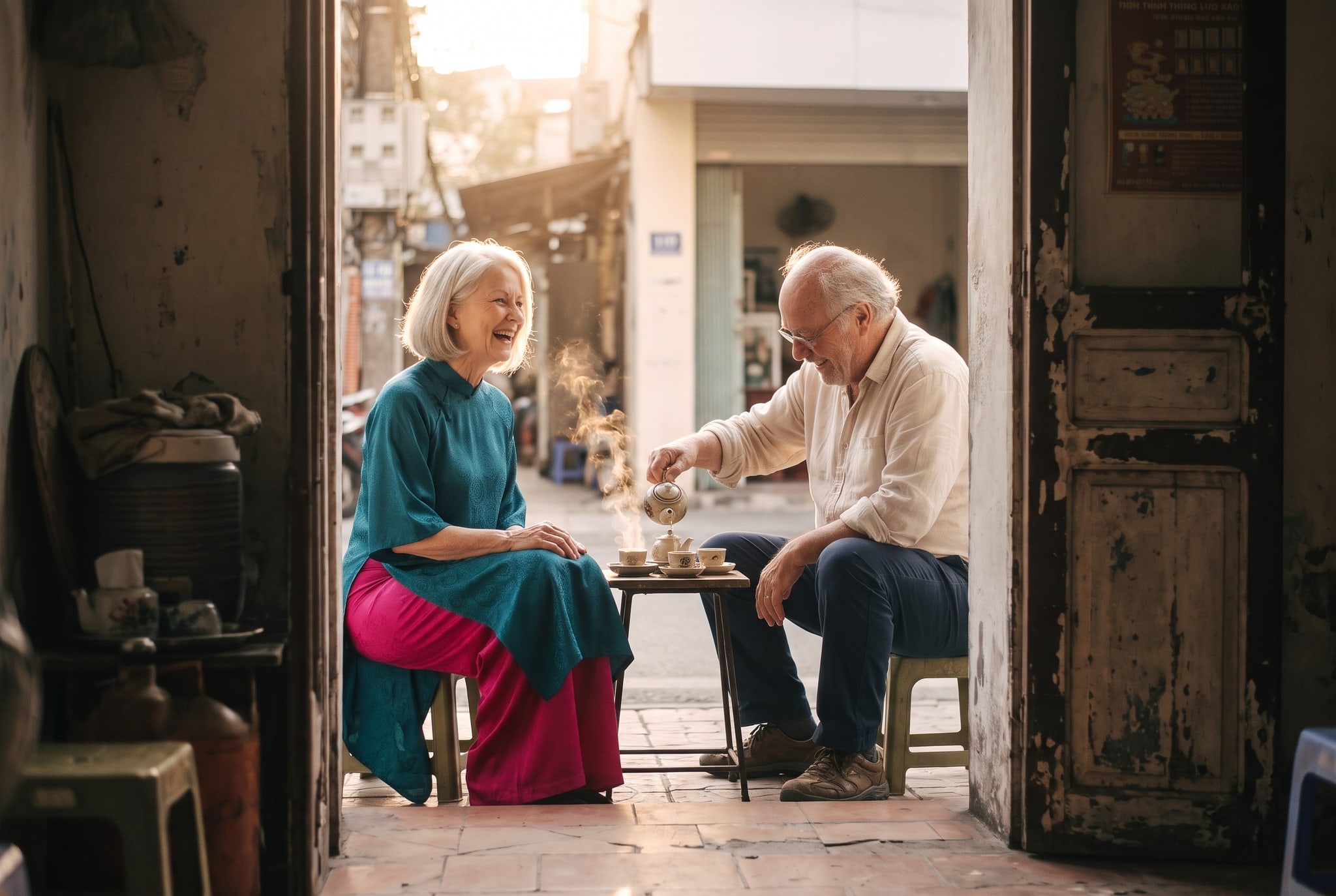
Your occasion determines whether you wear a formal, semi-formal, or casual ao dai—and this choice matters. Formal events (weddings, government ceremonies, Tet celebrations) call for rich fabrics (silk, brocade), intricate embroidery, and classic cuts; informal strolls allow lighter cotton, modern designs, or contemporary colors. Photoshoots often mix both—staged formal portraits use silk; lifestyle shots use casual linen. Ao Dai Diaries offers occasion-specific packages that pair rental with professional styling guidance. Before booking, tell your stylist: the exact event, your role (guest vs. main participant), venue formality, and photos you've seen that inspire you. This clarity prevents mismatches—arriving in casual cotton to a formal wedding, or overly ornate fabric for a casual street stroll. Ask your stylist if unsure; they've fitted thousands of visitors and locals alike.
How Do You Know If Your Size and Fit Are Actually Right?
Ao dai fit is unforgiving—too tight restricts movement; too loose drowns your frame. Sizing follows Vietnamese measurements (often smaller than Western equivalents), so an XS–S usually fits US 4–8, M–L fits US 8–14, XL–XXL fits US 14+. When you book a rental via our how-it-works guide, you'll provide your bust, waist, hip, and height in centimeters (or inches—our team converts). Same-day fitting sessions (available in all cities) let you try the garment, walk, sit, and confirm comfort before leaving the shop. Common mistakes: guessing your size, not mentioning your bra size (affects bust fit), or assuming one size fits all styles (traditional silhouettes differ from modern cuts). Ask for a fitting chair test—if you can't sit gracefully, the fit is wrong. Most rentals include one free alteration adjustment; book early if you need complex hemming or taking-in.
What's the Practical Difference Between Traditional and Modern Ao Dai?
| Style | Who It's For | Fit & Fabric | Occasion | Care Needs |
|---|---|---|---|---|
| Formal Traditional | Respectful travelers, formal weddings | Silk/brocade, long tunic, wide sleeves, high collar | Tet, ceremonies, formal photoshoots | Delicate; avoid sitting on concrete |
| Semi-Formal Silk | Guests, portraits, cultural events | Silk or silk-blend, tailored, modest color | Weddings, celebrations, city walks with photos | Hand-wash; avoid perfume stains |
| Modern Casual Linen | Street photographers, day strolls, relaxed tourism | Cotton or linen, shorter tunic, contemporary cuts/colors | Instagram shoots, café visits, daytime tourism | Machine-washable (per rental terms) |
| Performance/Heavy Embroidery | Special occasions, dance, ceremonial | Brocade, ornate beading, structured underlay | Debutante balls, cultural shows, formal celebrations | Professional cleaning; not rentable for casual use |
Traditional cuts honor the classic 1950s silhouette (elegant, modest, flowing); modern designs play with hemlines, necklines, and asymmetry while keeping cultural integrity. Neither is "better"—context decides. A formal Tet dinner demands tradition; a photoshoot at a trendy café allows modern. Check available styles by browsing rental inventory in your city—Hanoi, Saigon, Hoi An, Da Nang each hold different stock.
How Do You Avoid Looking Uncomfortable or Disrespectful?
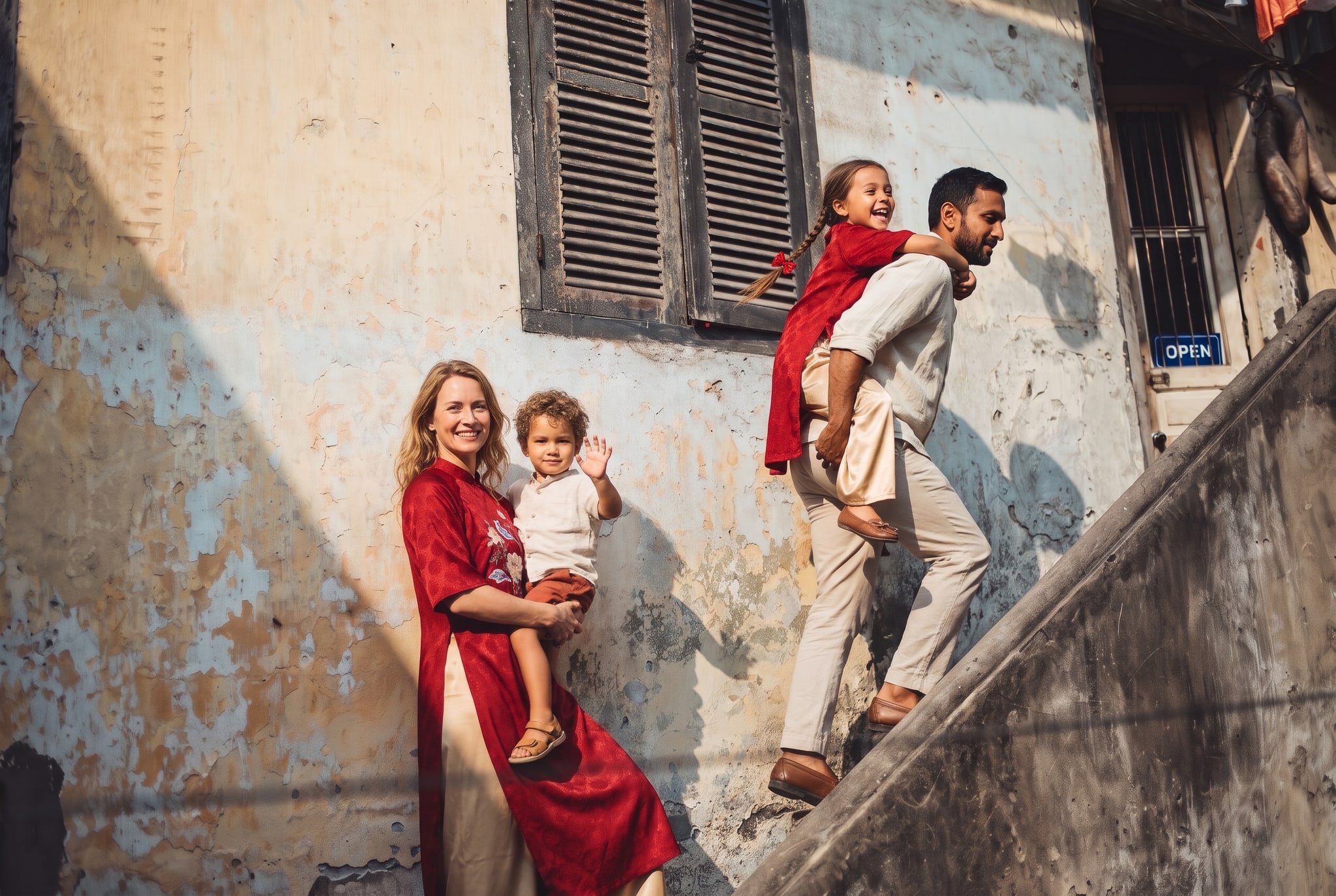
Disrespect happens by accident, not intention—here's how to avoid it. Movement: Practice sitting with the tunic flowing over your lap (never hiking it up). Walk with small steps; the trousers are fitted. Avoid squatting or kneeling unless the outfit is designed for it. Posture: The ao dai flatters upright, graceful posture—slouching or rushing undermines the elegance. Photography: Ask permission before posing in front of temples or war memorials; the ao dai amplifies your presence, and careless backdrops feel disrespectful. Behavior: Don't smoke, eat messily, or sit on the ground in formal ao dai. Protect the fabric from sweat, perfume, and food stains (most rentals charge cleaning fees). Shoes: Formal wear pairs with flats or modest heels; casual wear suits sandals. Accessories: Keep jewelry minimal and traditional (no excessive bling). Confidence: Wear it like you belong in it. Vietnamese people respond to genuine ease far more than perfection. If you're nervous, say so—a stylist or local can coach you through the first hour, and then it feels natural.
📸 Ao dai + photoshoot packages
What Should You Check Before Finalizing Your Rental Order?
Use this checklist before confirming your booking:
- Occasion clarity: Tell your stylist the exact event, time, formality level, and venue (indoor/outdoor, formal hall/street).
- Dates & duration: Confirm rental length (same-day, overnight, multi-day), pickup/delivery times, and deposit policy.
- Size & fit: Provide honest measurements in cm; ask for a fitting appointment in-shop if you're on-site.
- Color & style: Confirm the exact garment you've seen (not just "red ao dai"—styles and shades vary); ask if it's available on your dates.
- Alteration scope: Clarify what's included (hemming, taking-in, shortening sleeves) and what costs extra.
- Undergarments: Ask what to wear beneath (strapless bra, slip, etc.) and whether the rental includes them.
- Cleaning & damage: Understand the rental terms—what counts as damage, cleaning fees, stain liability.
- Insurance & returns: Confirm the 30-day smile guarantee (if applicable to your rental type) and return instructions.
- Contact & support: Get direct stylist contact (WhatsApp/Zalo) for day-of questions or emergencies.
- Styling consultation: Ask if a complimentary styling chat or in-person guide is included; use it.
Booking via WhatsApp/Zalo +84 338 762 340 lets you ask these in real time; response is usually within 2 hours during business hours.
What If You Want to Buy Rather Than Rent?
Some visitors fall in love and want to own. Explore the full Ao Dai Diaries collection pages to see buying options—handmade, tailored pieces that ship to the US in 5–10 days (free over see packages & prices). Rental is ideal if you're visiting for days or weeks; buying makes sense if you plan to wear it repeatedly (future Tets, family events, cultural celebrations). A single quality ao dai costs more than several rentals but lasts decades with care. Rental lets you try styles (traditional vs. modern, colors, fits) risk-free before committing to a purchase. Many customers rent first, then commission a bespoke piece later.
---
Frequently asked questions
Can I wear ao dai if I'm not Vietnamese?
Yes. The ao dai is Vietnam's national dress, celebrated across Vietnamese diaspora and open to anyone wearing it respectfully. Respect the occasion, fit, and care—never treat it as a costume. Vietnamese people overwhelmingly welcome genuine cultural appreciation.
Will I look like a tourist in ao dai?
No—you'll look elegant and respectful. Proper fit, appropriate occasion, and confident bearing make the difference. Visitors wearing ao dai at Tet, weddings, or formal photoshoots blend seamlessly; casual tourist wear (athletic shoes, messy hair, slouching) stands out, not the garment itself.
What size should I order if I'm usually a US 10 or larger?
Ao dai sizes run small by Western standards. US 10 typically maps to M–L; US 14+ usually L–XL. Always provide bust, waist, hip, and height measurements in cm; the stylist will size you accurately. Same-day fitting confirms comfort.
How much does ao dai rental cost?
Prices vary by style, fabric, location, and rental duration (same-day vs. multi-day). Contact Ao Dai Diaries via WhatsApp/Zalo +84 338 762 340 to confirm exact pricing for your occasion and dates—no generic quote applies to all rentals.
What happens if I stain or tear the ao dai during my rental?
Most rentals include minor wear coverage under the 30-day smile guarantee. Significant damage (large tears, heavy staining) may incur cleaning or repair fees. Ask about damage policy and consider travel insurance before finalizing. Protect the fabric from sweat, food, and rough surfaces during wear.
Can I rent ao dai in Hanoi and pick up in Saigon?
No—rentals are city-specific. Book in the city you're staying in: Hanoi, Ho Chi Minh City, Hoi An, or Da Nang. Each location holds its own inventory. If you're traveling between cities, arrange separate rentals or ask about multi-city coordination when you call.
Do I need to wear anything special under the ao dai?
Yes. Ask your stylist about undergarments (strapless or adhesive bra, slip/lining pants, etc.). Some rentals include these; others require you to provide them. Proper undergarments ensure comfort, modesty, and prevent visible lines. Clarify before pickup.
How long does it take to fit and style an ao dai?
A same-day fitting typically takes 30–45 minutes: measuring, trying on, minor adjustments (pinning hems, tightening seams), and styling (hair, posture, movement coaching). Arrive with time to spare; rushing stresses both you and the stylist. Multi-day rentals allow you to do this calmly at pickup.
Frequently asked questions
Can I wear ao dai if I'm not Vietnamese?
Yes. The ao dai is Vietnam's national dress, celebrated across Vietnamese diaspora and open to anyone wearing it respectfully. Respect the occasion, fit, and care—never treat it as a costume. Vietnamese people overwhelmingly welcome genuine cultural appreciation.
Will I look like a tourist in ao dai?
No—you'll look elegant and respectful. Proper fit, appropriate occasion, and confident bearing make the difference. Visitors wearing ao dai at Tet, weddings, or formal photoshoots blend seamlessly; casual tourist wear (athletic shoes, messy hair, slouching) stands out, not the garment itself.
What size should I order if I'm usually a US 10 or larger?
Ao dai sizes run small by Western standards. US 10 typically maps to M–L; US 14+ usually L–XL. Always provide bust, waist, hip, and height measurements in cm; the stylist will size you accurately. Same-day fitting confirms comfort.
How much does ao dai rental cost?
Prices vary by style, fabric, location, and rental duration (same-day vs. multi-day). Contact [Ao Dai Diaries via WhatsApp/Zalo +84 338 762 340](https://wa.me/84338762340) to confirm exact pricing for your occasion and dates—no generic quote applies to all rentals.
What happens if I stain or tear the ao dai during my rental?
Most rentals include minor wear coverage under the 30-day smile guarantee. Significant damage (large tears, heavy staining) may incur cleaning or repair fees. Ask about damage policy and consider travel insurance before finalizing. Protect the fabric from sweat, food, and rough surfaces during wear.
Can I rent ao dai in Hanoi and pick up in Saigon?
No—rentals are city-specific. [Book in the city you're staying in: Hanoi, Ho Chi Minh City, Hoi An, or Da Nang.](/rent) Each location holds its own inventory. If you're traveling between cities, arrange separate rentals or ask about multi-city coordination when you call.
Do I need to wear anything special under the ao dai?
Yes. Ask your stylist about undergarments (strapless or adhesive bra, slip/lining pants, etc.). Some rentals include these; others require you to provide them. Proper undergarments ensure comfort, modesty, and prevent visible lines. Clarify before pickup.
How long does it take to fit and style an ao dai?
A same-day fitting typically takes 30–45 minutes: measuring, trying on, minor adjustments (pinning hems, tightening seams), and styling (hair, posture, movement coaching). Arrive with time to spare; rushing stresses both you and the stylist. Multi-day rentals allow you to do this calmly at pickup.
Dozens of colours, all sizes XS–XXL, delivered to your hotel in Hanoi, Saigon, Hoi An or Da Nang. One WhatsApp or Zalo message.
More guides
You might also like
The ao dai is Vietnam's iconic silk dress, worn for celebrations and formal occasions. Ao Dai Diarie
May is Vietnam's hottest month before monsoon season. We'll help you choose the right outfit—whether
December weather in Vietnam is cool and dry—ideal for wearing the ao dai. Here's what suits the seas