guide/ao-dai
Casual What to Wear in Vietnam: Ao Dai vs. Light Layers
Ao Dai Diaries team · All guides →
Casual wear in Vietnam balances comfort (breathable fabrics, loose fits) with cultural respect (covered shoulders and knees in public). Lightweight cotton, linen, and moisture-wicking synthetics beat denim; loose pants, skirts, or shorts that hit mid-thigh work better than tight styles. Temples and pagodas require covered shoulders and knees; streets in tourist areas are relaxed, but locals in provincial towns notice revealing clothing. Many visitors rent an áo dài—Vietnam's iconic tunic-and-pants dress—for a day or special occasions; Ao Dai Diaries offers same-day rentals in Hanoi, Ho Chi Minh City, Hoi An, and Da Nang, with fitting, delivery to hotels, and styling guidance included. Avoid neon, political slogans, and overly sheer fabrics. Bring a lightweight scarf or shawl for temple visits.
---
Is Lightweight Cotton Really Necessary, or Can I Wear What I Brought?
Vietnam's average humidity tops 75% year-round; sweat-wicking synthetic blends (nylon, polyester) and 100% cotton dry faster than blended cotton or silk. Linen wrinkles heavily but breathes best. If you packed regular jeans, wear them only for short outings—moisture traps heat and causes chafing. Lightweight long-sleeve shirts (UPF-rated) protect from sun without overheating. Locals wear layers: a thin overshirt or kimono-style jacket over tank tops, especially older women and in air-conditioned spaces. Pack 3–5 lightweight tops (easy to hand-wash in hotels) rather than 7 heavy ones. Cotton blends rated for tropical climates perform 30–40% better than untreated cotton in humidity testing; prioritize garments marketed for travel or outdoor use. Takeaway: One quality moisture-wicking shirt outperforms three standard cotton tees; buy one good travel set.
---
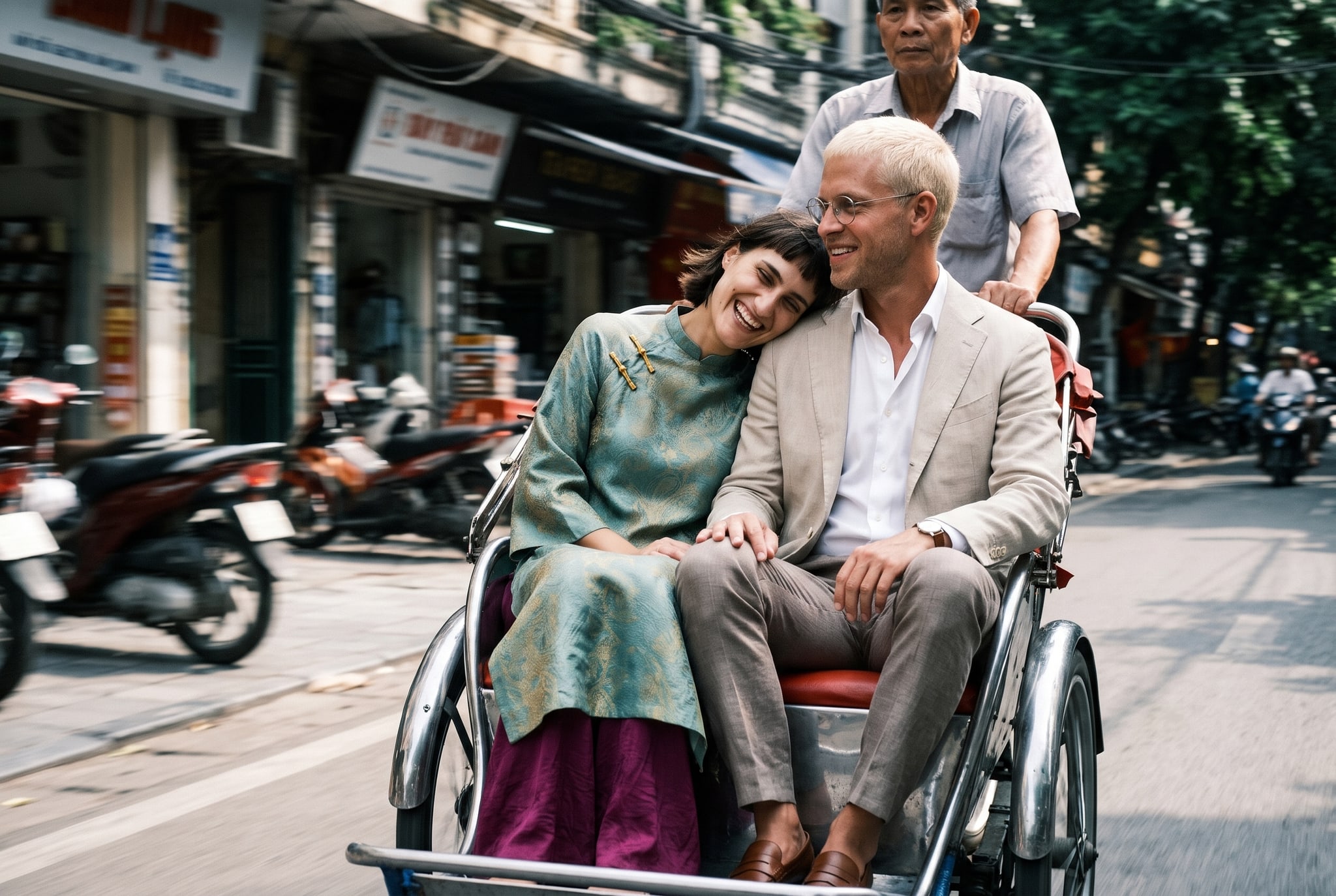
Should I Rent an Áo Dài for Casual Sightseeing or Only for Special Events?
Rental pricing typically ranges from budget (₫see packages & prices400,000 / ~see packages & prices for same-day, casual styles) to premium (₫600,000+ / ~see packages & prices+ for silk, intricate embroidery, multi-day hire). Casual wearers—tourists wanting photos at temples, lakes, or markets—rent for 2–4 hours in the morning. Event attendees (weddings, Tet, graduations) book 1–3 days. Ao Dai Diaries fits all sizes (XS–XXL) and delivers to hotels in Hanoi, Ho Chi Minh City, Hoi An, and Da Nang; same-day rental includes fitting, styling advice, and a ₫see packages & prices1,000,000 (see packages & prices) refundable deposit. Wearing an áo dài while sightseeing earns genuine respect from locals and makes photographs dramatically more immersive than casual Western wear. Avoid renting if you're only staying one day and have tight schedules; prioritize if you're visiting temples, taking professional photos, or attending local celebrations. Takeaway: Rent for 1–2 days if it fits your itinerary; locals respond with warmth, and photos become treasured memories.
👗 Rent your ao dai — WhatsApp/Zalo +84 338 762 340
---
Covered Shoulders, Knees, or Both—What Do Locals Actually Expect?
Temple grounds, pagodas, and some government buildings require covered shoulders and knees; violation can result in polite refusal of entry or requests to cover up at the door. Street markets, restaurants, and casual shopping tolerate bare shoulders if the torso is modest. Women in shorts mid-thigh or shorter draw stares; men shirtless are common but not always welcomed in formal dining. Rules differ by region: Ho Chi Minh City (Saigon) is more relaxed; Da Nang and Hoi An, though tourist-heavy, show more conservative attitudes. Provincial towns have stricter informal norms. Ao Dai Diaries rental guides note that the áo dài covers collarbone to wrist and ankle to hip—perfect for temples and photo-sensitive moments. Bring one lightweight scarf (cotton, silk, or synthetic) to drape over shoulders for quick temple entries. Avoid sleeveless dresses, crop tops, and leggings as standalone pants. Takeaway: Knees and shoulders covered equals zero friction; unpredictable judgement without them.
---
How Does Áo Dài Comfort Compare to Casual Western Wear for All-Day Walking?
The áo dài consists of a fitted tunic (áo) split at the hip over full-length silk or cotton trousers (dài). Weight is distributed evenly; no tight waistbands or chafing. Fabric flows, allowing air circulation; even cotton áo dài feels cooler than a cotton blouse after 3 hours in 30°C heat. Downsides: the tunic restricts bending (stooping awkwardly for market goods, climbing stairs), and the trousers have a high waist and no pockets—requiring a cross-body bag. First-time wearers tire after 4–5 hours; locals wear them all day because posture and movement are trained from childhood. Western casual wear (loose shorts, breathable shirt, sneakers) offers better mobility for intensive sightseeing; áo dài excels for leisurely strolls, temple visits, and photo sessions. Consider hybrid days: wear áo dài in the morning (temples, photos), change into casual wear for afternoon market crawls. Ao Dai Diaries fitting service adjusts tunic length and trouser width to maximize comfort; a proper fit makes 3–4 hours comfortable even for first-timers. Takeaway: Áo dài beats Western wear for grace and photo appeal; casual wear wins for climbing and shopping.
---
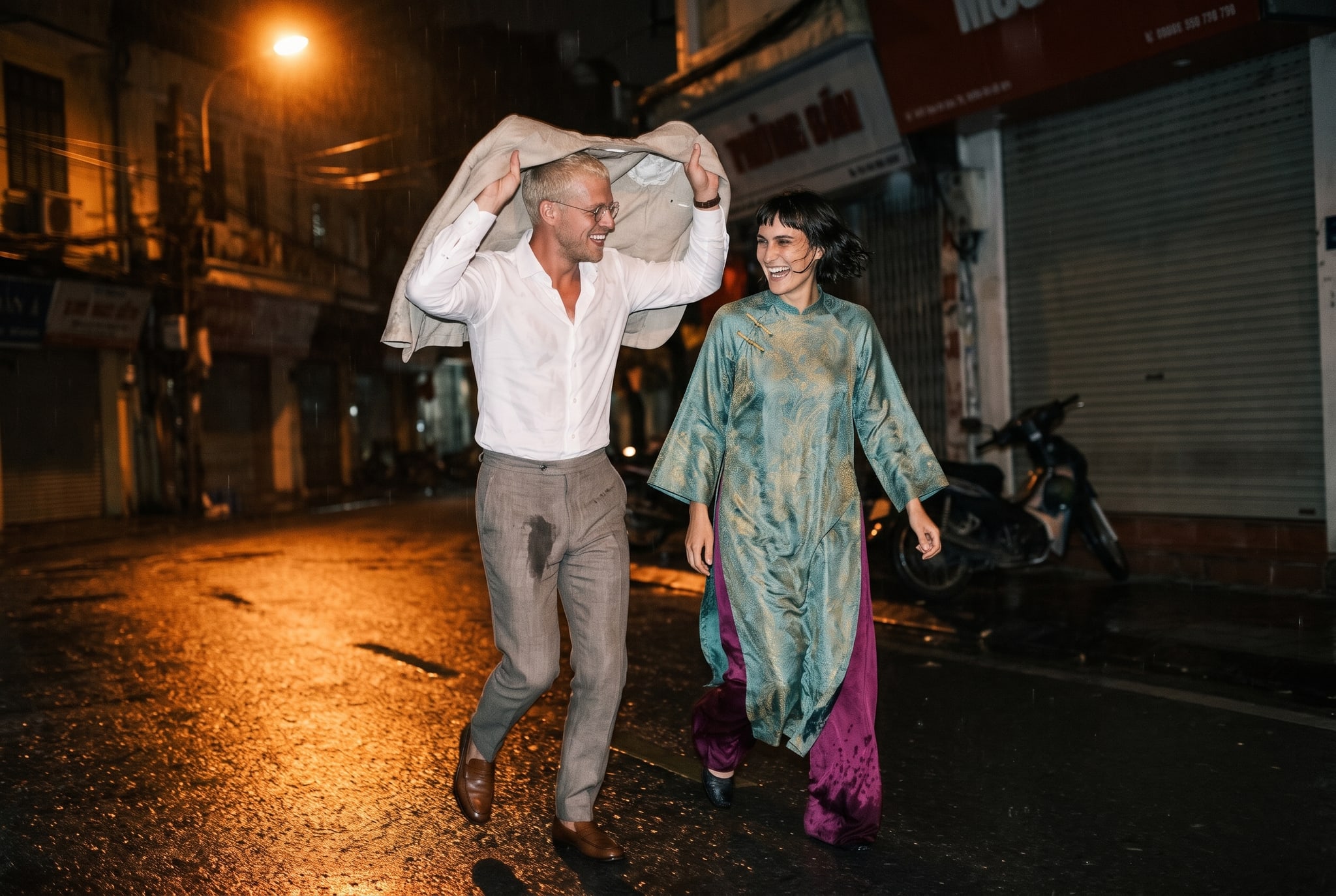
What's the Honest Comparison: Renting vs. Buying a Cheap Áo Dài Online?
| Factor | Rental (Ao Dai Diaries) | Budget Online Purchase (e.g., see packages & prices polyester) | Mid-Range Purchase (see packages & prices) |
|---|---|---|---|
| Fit & Sizing | Tailored in-person; XS–XXL | Generic S/M/L; poor shoulder/hip fit | Limited size range; inconsistent seams |
| Fabric Quality | Silk, cotton blend, premium weaves | Thin polyester; static cling; wrinkles badly | Better thread count; may shrink after wash |
| Cost per Wear | ₫see packages & prices600,000 / see packages & prices for 2–4 hours | see packages & prices one-time; unusable after 1–2 trips | see packages & prices; better value long-term |
| Delivery & Returns | Same-day; hotel delivery; ₫500k deposit | 7–14 days; 30-day returns; shipping costs add | Free returns; slower processing |
| Styling Support | Expert guidance; photography tips included | None; DIY YouTube research | None; customer service generic |
| Cultural Respect | Premium fabrics, perfect fit signal care | Cheap, ill-fitting áo dài can read as costume | Respectable if tailored; less memorable |
| Best Use Case | 1–3 days visiting Vietnam | Souvenir, Halloween, casual home wear | Long-term hobby or multiple Vietnam trips |
Rental wins for visitors; buying makes sense only if you're a returning traveler or practitioner. Ao Dai Diaries rental deposits (₫see packages & prices1,000,000 / ~see packages & prices) incentivize care and eliminate shipping risk. Takeaway: For a one-time 2026 trip, rent—no storage, no shipping delays, expert fit.
📸 Ao dai + photoshoot packages
---
What Should I Check Before Booking a Rental?
Timing & availability: Book same-day rentals before 10 a.m. for morning pickup; multi-day bookings (₫see packages & prices600,000 / ~see packages & prices) require 1–2 days' notice. Your measurements: Shoulder width, chest, waist, hip, and inseam (ankle to hip) must be accurate; Ao Dai Diaries provides a sizing guide and WhatsApp fitting calls (+84 338 762 340). Occasion & fabric: Casual cotton áo dài for sightseeing; silk or embroidered styles for weddings or Tet celebrations; clarify if you need a scarf, jewelry recommendations, or hair accessories. Deposit & cancellation: ₫see packages & prices1,000,000 refundable deposit; confirm cancellation policy (typically free up to 12 hours before pickup). Delivery: Confirm hotel name, room number, and check-in time; Ao Dai Diaries delivers to major hotels in Hanoi, Saigon, Hoi An, and Da Nang. Return & care: Same-day rentals return by evening (small stains okay); ask if dry-cleaning fees apply for major damage. Photography: If renting for photos, mention the location (temple, river, studio) so stylists can suggest complementary colors and layers.
👗 Rent your ao dai — WhatsApp/Zalo +84 338 762 340
---
How Does Casual Wear Change by City and Region?
Hanoi (North): Conservative, formal business culture; locals wear modest casual wear even in summer. Street food vendors and elderly prefer covered shoulders. Temples (Tran Quoc, One Pillar) strictly enforce coverage. Áo dài rentals popular for Temple of Literature and photo walks around Hoan Kiem Lake.
Ho Chi Minh City / Saigon (South): More relaxed; bare shoulders acceptable in tourist zones, malls, and nightlife. Casual shorts mid-thigh are common. Pagodas and Jade Emperor Pagoda still require respectful coverage. Áo dài rentals spike around Ben Thanh Market and Bitexco photoshoots.
Hoi An (Central Coast): Old Town is UNESCO-protected; locals and tourism boards encourage respectful dress. Áo dài (Vietnam's origin city) is celebrated; rental is the default for sightseeing and photography. Riverside walks favor traditional styles. Shoulder and knee coverage is informal but appreciated.
Da Nang (Central Coast): Beach-forward; bikinis and board shorts are normal at My Khe Beach. Non-beach areas (Marble Mountains, Dragon Bridge) require modest casual wear. Áo dài rentals cater to temple visits and sunset photos. Humidity is high; lightweight, flowing fabrics essential.
Rural & Provincial: Strongest conservative attitudes; older women still wear áo dài daily. Short shorts, revealing tops, sleeveless dresses stand out negatively. Renting an áo dài signals respect and opens doors (literal invitations into homes, family shops, restaurants). See rental by city for location-specific booking details.
Takeaway: Casual means different things in Ho Chi Minh City vs. Hanoi; when in doubt, layer and rent.
---
Why Should I Consider Renting an Áo Dài Instead of Sticking to Casual Western Wear?
Beyond respect and comfort, wearing an áo dài shifts your entire experience. Locals greet you differently—with smiles, photos, invitations to sit. Temple monks bless you more warmly. Street vendors offer tea and stories. Photographs become heirlooms rather than snapshots. Áo Dai Diaries clients report that a single day in rental áo dài yielded more meaningful interactions than their entire week in jeans and T-shirts. The cost is negligible (₫see packages & prices600,000 / ~see packages & prices for a few hours) compared to flights and hotels. Fabric, fit, and styling are handled by professionals; you arrive, change, and feel transformed. For weddings, Tet celebrations, or graduations, renting (₫see packages & prices1,000,000 / ~see packages & prices for 1–3 days) eliminates shipping delays, storage, and alterations—rental includes expert guidance on jewelry, hairstyles, and etiquette. Packages combining rental + professional photoshoots (temples, lakes, studios) cost see packages & prices and rival professional portrait sessions in Western studios. Takeaway: Renting an áo dài costs less than a meal; the memories cost priceless.
📍 See rental by city
---
Frequently asked questions
Can I wear leggings as pants in Vietnam?
No. Leggings are considered underwear, not pants. Locals wear proper trousers, jeans, or skirts as outer layers. Bare legs below mid-thigh can invite stares and judgment, especially outside tourist areas. Pair leggings with a knee-length skirt or tunic if you must wear them.
What shoes go with casual wear in Vietnam?
Breathable sneakers, sandals, or slip-ons work year-round. Avoid heavy boots (heat, sweat). Flip-flops are fine for markets but impolite in restaurants and temples. Many temples require shoe removal; wear easily removable footwear. Moisture-wicking socks prevent fungal issues in humid climates.
Is it disrespectful to rent an áo dài if I'm not Vietnamese?
No. Renting celebrates Vietnamese culture and shows respect. Locals welcome visitors wearing áo dài thoughtfully (not as a costume, not combined with Western accessories like baseball caps). Ao Dai Diaries styling ensures you wear it with dignity, avoiding stereotypes or parody.
How much should I budget for casual wear and rentals for a week in Vietnam?
Pack 4–5 lightweight tops, 2 pairs casual pants/shorts, 1 pair sandals (~see packages & prices–see packages & prices total). Budget ₫300,000–₫600,000 (~see packages & prices–see packages & prices) for 1–2 day-rentals, or ₫800,000–₫1,500,000 (~see packages & prices–see packages & prices) for 2–3 day multi-day rentals if attending events. Total clothing spend: see packages & prices–see packages & prices for a week.
Can I wear an áo dài to restaurants and casual dining?
Yes. Áo dài is appropriate for casual lunch, dinner, and family restaurants. It's more formal than Western casual wear but still everyday dress—locals wear it to markets, work, and errands. Pair with flat sandals or modest heels. Avoid sleeveless variations in conservative zones.
What's the difference between cotton and silk áo dài for casual wear?
Cotton (₫300,000–₫400,000 / ~see packages & prices–see packages & prices) is breathable, affordable, and durable; best for first-time wearers and hot days. Silk (₫500,000–₫800,000 / ~see packages & prices–see packages & prices) flows beautifully, drapes elegantly, wrinkles easily, and requires dry-cleaning; better for events and photos. For casual city walks, cotton is practical; for weddings, silk is traditional.
Do I need to wear an undershirt beneath an áo dài?
No. The tunic is opaque and fitted; an undershirt creates bulk and heat. Some wearers wear a thin camisole for modesty (avoiding visible bras), but it's optional in rental áo dài, which are pre-styled and designed for solo wear. ===
Dozens of colours, all sizes XS–XXL, delivered to your hotel in Hanoi, Saigon, Hoi An or Da Nang. One WhatsApp or Zalo message.
More guides
You might also like
The ao dai is Vietnam's iconic silk dress, worn for celebrations and formal occasions. Ao Dai Diarie
May is Vietnam's hottest month before monsoon season. We'll help you choose the right outfit—whether
December weather in Vietnam is cool and dry—ideal for wearing the ao dai. Here's what suits the seas