guide/ao-dai
Dress Code in Vietnam: What to Wear (& Where to Rent Ao Dai)
Ao Dai Diaries team · All guides →
Vietnam's dress code depends on context: temples require covered shoulders, knees below the knee, and no hats; daily wear is casual (shorts and T-shirts acceptable in cities); weddings demand formal attire, making the ao dai (Vietnam's long tunic dress) ideal; business settings favor long trousers or ao dai; beaches allow swimwear. The ao dai, worn by women for special occasions and daily life, signals respect and elegance. Ao Dai Diaries rents authentic, fitted ao dai in sizes XS–XXL across Hanoi, Ho Chi Minh City, Hoi An, and Da Nang—same-day rental with deposit, delivery to your hotel, and sizing fitting to ensure you honor tradition while looking stunning. Cost varies by style and city; most rentals include a fitted garment and styling guidance to avoid cultural missteps.
👗 Rent your ao dai — WhatsApp/Zalo +84 338 762 340
What does "dress code" actually mean in Vietnam?
Vietnam's dress code is unwritten but deeply respected—it balances Buddhist and Confucian values (modesty, respect for elders and sacred spaces) with modern urban casualness. In temples, beaches, and family gatherings, Vietnameses follow implicit rules rooted in tradition, not signage. What counts as "appropriate" shifts by location: a crop top works at a Saigon nightclub but offends in a pagoda. Understanding these layers protects your reputation, prevents awkward moments, and opens doors to authentic experiences locals won't offer to guests who appear dismissive of tradition.
The core principle: cover shoulders, knees, and chest in religious or formal settings; dress neutrally (avoid bright party wear, logos, or swimwear) when visiting elders or communal spaces; embrace color and formality for celebrations like weddings, Tet, or graduations. Most Vietnamese urban dwellers wear casual modern clothing daily, but respect the context shift when entering someone's home, a workplace, or a spiritual site.

Should you wear an ao dai—or just observe the dress code in normal clothes?
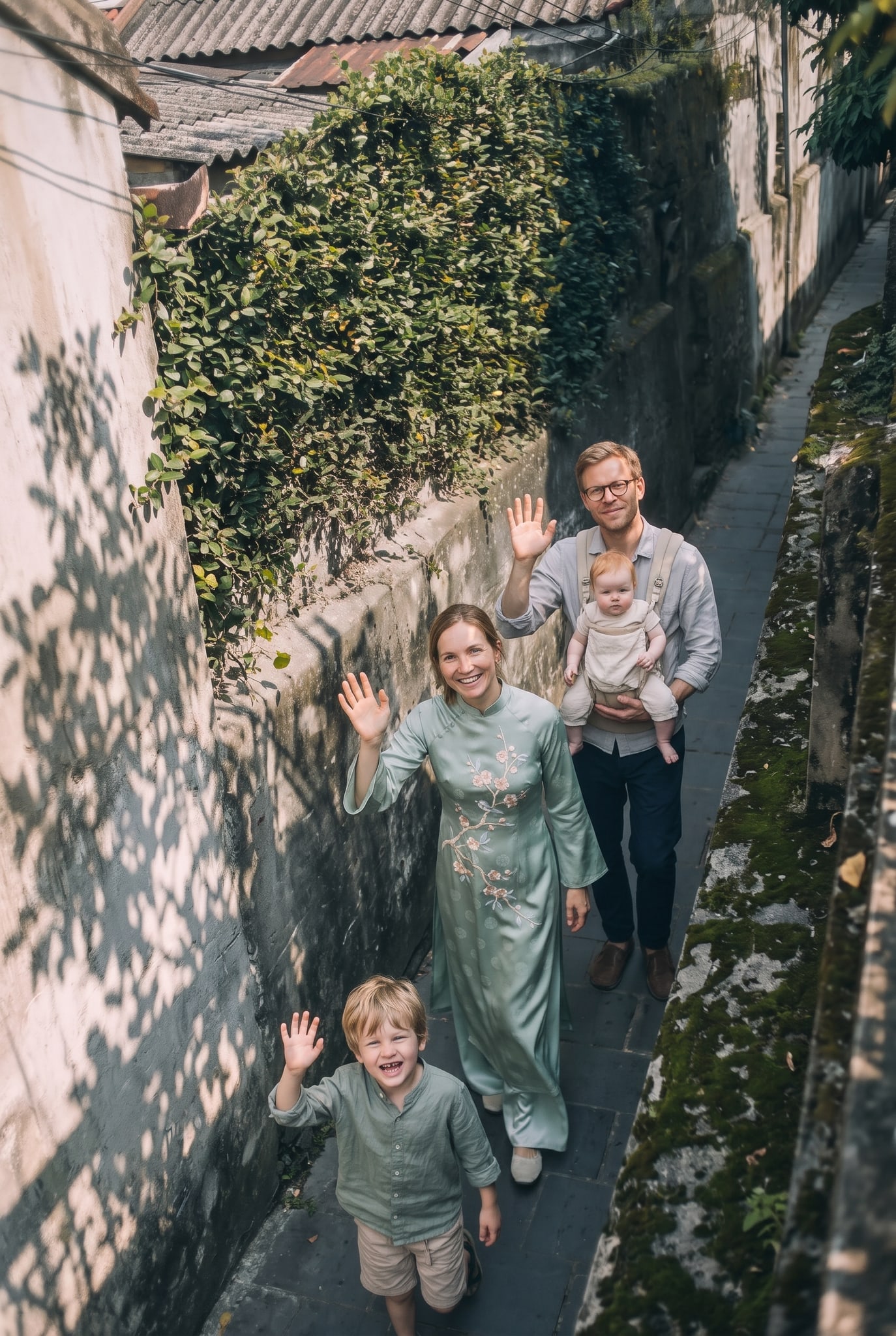
The ao dai isn't mandatory for foreign tourists, but wearing one to temples, weddings, or photoshoots signals genuine respect and creates unforgettable memories. Vietnamese people wear ao dai for Tet, weddings, graduations, formal events, and—increasingly—daily city strolls and professional settings. For you as a visitor, renting an ao dai transforms how locals treat you: doors open, photos feel authentic, and guides become storytellers instead of just service providers. If you're staying casual (day-to-day sightseeing), standard "respectful tourist" dress (long pants or below-knee skirts, closed-toe shoes, shoulders covered) suffices. But for weddings, family invitations, or cultural photoshoots, an ao dai is the difference between blending in and belonging.
Check how ao dai rental works to see if same-day or advance booking suits your schedule.
Where should you rent an ao dai in Vietnam?
Ao Dai Diaries operates across Vietnam's top tourist and cultural hubs—Hanoi, Ho Chi Minh City (Saigon), Hoi An, and Da Nang—with same-day rental, hotel delivery, and professional fitting. Each city has distinct style traditions: Hanoi leans toward classic, structured designs with silk and embroidery; Hoi An specializes in tailor-made heritage pieces; Da Nang offers modern, tourist-friendly cuts; Saigon blends contemporary colors with traditional silhouettes. When you book, you specify your city, occasion, preferred color, and size (XS–XXL). Staff will fit you on-site or via video consultation, ensuring the ao dai's sides seam aligns with your body, the length grazes your ankles, and sleeves sit at your wrist—poorly fitted ao dai feels disrespectful and looks wrong in photos.
Reserve through WhatsApp/Zalo (+84 338 762 340) or visit the rental hub to pick your city.
📸 Ao dai + photoshoot packages

What's the price range for renting an ao dai?
Rental costs depend on style, fabric, embroidery detail, and city; de-luxe heritage pieces cost more than simple silk versions. Most rentals include a fitted ao dai (tunic), matching trousers, and guidance on how to wear it properly—no additional styling fees. Deposits are refundable once you return the garment clean and on time (usually within 24–48 hours). Express same-day pickup incurs a small fee; delivery to your hotel is standard. For wedding guest rentals, expect premium pricing due to embroidery, silk quality, and fitting complexity. Budget-conscious renters should book 2–3 days ahead for better rates; last-minute bookings lock in express fees. Compare the rental guide for style-specific pricing frameworks and occasion-based package bundles that bundle photoshoots with rental.
How do you avoid cultural mistakes when wearing an ao dai?
Respect is the rule: never wear an ao dai while intoxicated, to a beach or casual party, or while disrespecting others. The garment is sacred in Vietnamese eyes—it's worn for ceremonies, family photos, and pride in heritage, not as a costume. Pair your rental with modest accessories (jewelry is fine; avoid crossing arms over your chest or slouching, which reads as disrespect). When visiting temples or family homes, remove shoes at the threshold and walk slowly. At weddings, arrive early and seat yourself modestly—elders often direct guests. If you're renting for a photoshoot, ask your guide's permission before entering temples or sacred spaces; some are off-limits to photography. Ao Dai Diaries staff will brief you on local protocol for your specific event and location, ensuring you feel confident and respectful.
Read the full ao dai guide for etiquette, history, and styling tips.
👗 Rent your ao dai — WhatsApp/Zalo +84 338 762 340
Quick comparison: When to wear ao dai vs. standard respectful dress
| Occasion | Ao Dai? | Standard Dress | Why | Rental Cost Basis |
|---|---|---|---|---|
| Temple visit | Yes (preferred) | Long pants/skirt, shoulder cover | Signals respect; expected for ceremonies | Heritage fabric, simple embroidery |
| Wedding | Yes (expected) | Formal dress if ao dai unavailable | Traditional attire; blends with guests; honors hosts | Premium silk, intricate embroidery |
| Tet celebration | Yes (common) | Festive modern dress | Marks major holiday; photo ops; family tradition | Bright colors, elaborate designs |
| Daily sightseeing | No (optional) | Long pants, T-shirt, closed shoes | Practical; heat-friendly; avoids sweat stains on rental | N/A |
| Graduation ceremony | Yes (ideal) | Business formal wear | Celebrates academic milestone; family keepsake photo | Elegant, modest silk |
| Business meeting | Maybe | Long pants/ao dai in office | Depends on company culture; ao dai adds formality | Solid colors, minimal embroidery |
| Photoshoot/Hoi An | Yes (standard) | N/A | Professional images; authentic backdrop match | All styles; packages available |
What to check before you book an ao dai rental
Size & fit: Provide your height, weight, bust, waist, and hip measurements. Ao dai length is critical—should reach your ankle with 1–2 cm clearance. Sleeves must end at your wrist; oversized garments look sloppy and feel uncomfortable.
Fabric & care: Silk and cotton blends are standard; ask if the rental includes cleaning insurance. Never wash an ao dai yourself—oils, dyes, and embroidery require professional care.
Occasion details: Specify the event (wedding, temple, photoshoot, casual). Rental staff will suggest styles, colors, and embroidery that match the context and your skin tone.
Timing & location: Book at least 2–3 days ahead for weekday rentals; same-day is possible but adds fees. Confirm your city (Hanoi, Saigon, Hoi An, Da Nang) and hotel address for delivery.
Return & deposit: Understand the refund terms, damage policy, and late-return fees. Most rentals allow 24–48 hours; deposits range and are returned intact if the garment is clean.
Styling guidance: Ask if the rental includes advice on how to tie the áo dài belt (a must for proper fit), pose for photos, and walk respectfully. Good rental services brief you on local etiquette for your specific event.
Frequently asked questions
Can I wear an ao dai to a beach or casual hangout?
No. The ao dai is formal and ceremonial wear—wearing it casually or in party settings disrespects its cultural significance. Stick to swimwear at beaches and standard casual dress for bars or clubs.
What sizes does Ao Dai Diaries offer?
Rentals are available in XS–XXL, with custom fitting based on your measurements. Same-day or advance fitting ensures the tunic length, sleeve fit, and side seams align perfectly with your body.
Do I need to know how to tie the ao dai's belt myself?
No—rental staff will teach you or tie it for you. The belt (a silk cord or fabric sash) wraps around your waist and knots at the side; practice once before your event so you feel confident.
Can I rent an ao dai for multiple days?
Yes. Longer rental periods (3–7 days) are negotiable; ask about discounted multi-day rates via WhatsApp/Zalo. Most rentals default to 24–48 hours, but contact Ao Dai Diaries for extended arrangements.
What if my rented ao dai gets damaged or stained?
The rental agreement covers normal wear. Serious damage (rips, permanent stains, burns) may incur a fee; your deposit helps cover costs. Always inform staff of accidents immediately—honesty protects you and ensures fair resolution.
Is it disrespectful to wear an ao dai if I'm not Vietnamese?
No—wearing ao dai respectfully and authentically is a sign of cultural appreciation. Vietnamese people welcome visitors who honor tradition through proper attire, fitting, and behavior. Disrespect comes from wearing it carelessly, not from wearing it as a non-citizen.
Frequently asked questions
Can I wear an ao dai to a beach or casual hangout?
No. The ao dai is formal and ceremonial wear—wearing it casually or in party settings disrespects its cultural significance. Stick to swimwear at beaches and standard casual dress for bars or clubs.
What sizes does Ao Dai Diaries offer?
Rentals are available in XS–XXL, with custom fitting based on your measurements. Same-day or advance fitting ensures the tunic length, sleeve fit, and side seams align perfectly with your body.
Do I need to know how to tie the ao dai's belt myself?
No—rental staff will teach you or tie it for you. The belt (a silk cord or fabric sash) wraps around your waist and knots at the side; practice once before your event so you feel confident.
Can I rent an ao dai for multiple days?
Yes. Longer rental periods (3–7 days) are negotiable; ask about discounted multi-day rates via WhatsApp/Zalo. Most rentals default to 24–48 hours, but contact [Ao Dai Diaries](/rent) for extended arrangements.
What if my rented ao dai gets damaged or stained?
The rental agreement covers normal wear. Serious damage (rips, permanent stains, burns) may incur a fee; your deposit helps cover costs. Always inform staff of accidents immediately—honesty protects you and ensures fair resolution.
Is it disrespectful to wear an ao dai if I'm not Vietnamese?
No—wearing ao dai respectfully and authentically is a sign of cultural appreciation. Vietnamese people welcome visitors who honor tradition through proper attire, fitting, and behavior. Disrespect comes from wearing it carelessly, not from wearing it as a non-citizen.
Dozens of colours, all sizes XS–XXL, delivered to your hotel in Hanoi, Saigon, Hoi An or Da Nang. One WhatsApp or Zalo message.
More guides
You might also like
The ao dai is Vietnam's iconic silk dress, worn for celebrations and formal occasions. Ao Dai Diarie
May is Vietnam's hottest month before monsoon season. We'll help you choose the right outfit—whether
December weather in Vietnam is cool and dry—ideal for wearing the ao dai. Here's what suits the seas