guide/ao-dai
Dress Code & What to Wear in Vietnam: The Ao Dai Guide
Ao Dai Diaries team · All guides →
Vietnam has no strict tourist dress code, but respect matters: dress modestly in temples, pagodas, and rural areas (shoulders and knees covered); wear light, breathable fabrics in humidity. The ao dai is Vietnam's national dress—appropriate for weddings, Tet, photoshoots, and formal dinners, never casual wear. Shorts, tank tops, and revealing clothing are acceptable in tourist districts and beaches, but offensive in spiritual spaces. Ao Dai Diaries rents ao dai in Hanoi, Ho Chi Minh City, Hoi An, and Da Nang for same-day or advance bookings, with sizes XS–XXL, deposits, and delivery to your hotel. Plan fittings 2–3 days before your event; costs vary by city and fabric. Always ask staff if unsure—Vietnamese culture values humility over perfection. ---
What's the difference between everyday Vietnamese wear and formal dress code?
Everyday dress in Vietnam is casual and practical: T-shirts, jeans, casual dresses, and sneakers are normal on streets and in cafés. Formal occasions—weddings, business meetings, Tet celebrations—call for the ao dai or Western formal wear (blazer, dress shoes, tailored trousers). The ao dai signals respect and festive spirit; wearing it shows you honor Vietnamese tradition. Casual shorts and tank tops are fine for shopping and sightseeing but wrong for temples or family gatherings. The key rule: match the setting's energy, not the weather.
👗 Rent your ao dai — WhatsApp/Zalo +84 338 762 340
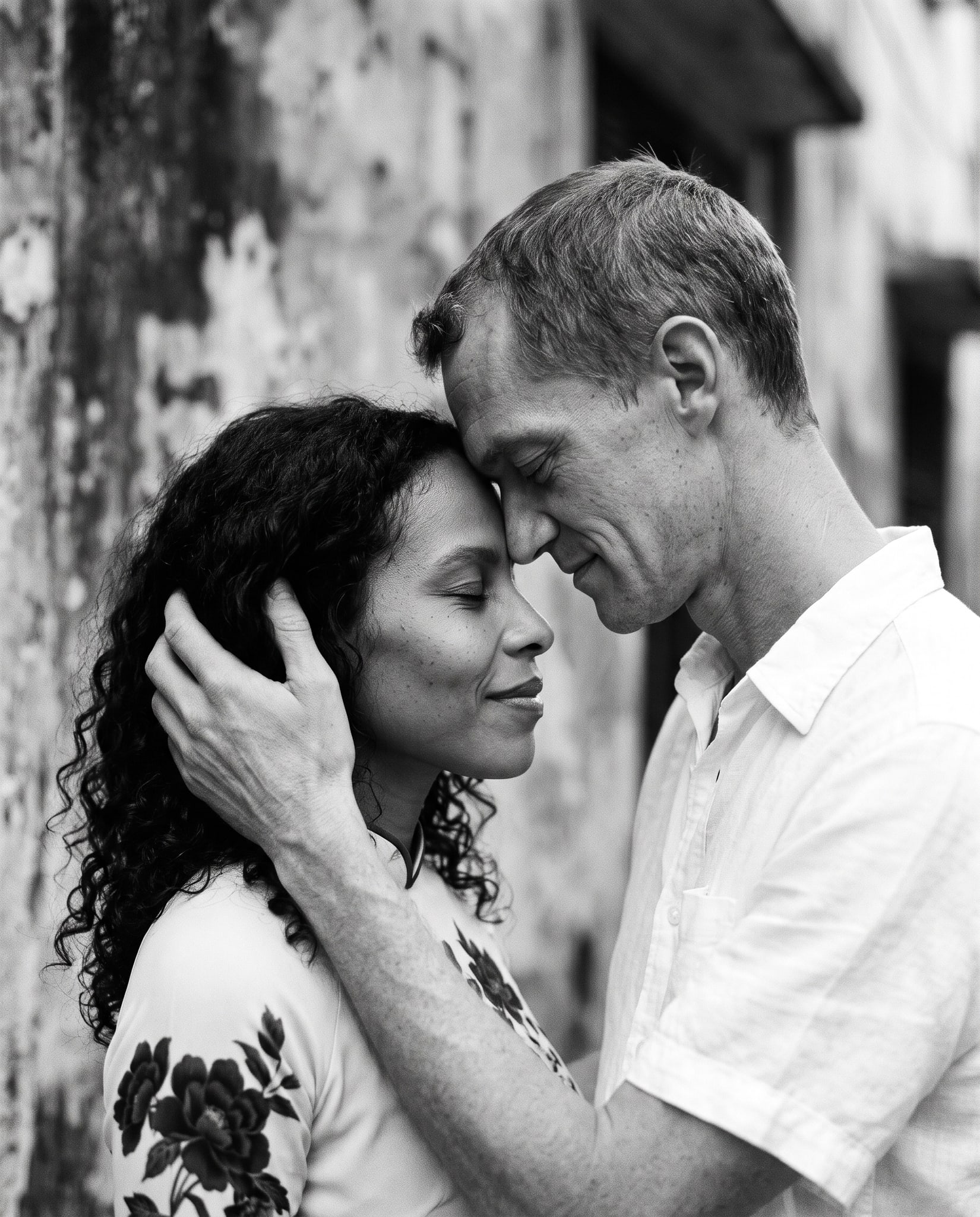
Should you rent or buy an ao dai for your Vietnam trip?
Renting is smarter for travelers. Buying an ao dai in Vietnam costs 500,000–2,000,000+ VND (see packages & prices+) for quality fabric; shipping to the US takes 3–4 weeks and costs see packages & prices Rental through Ao Dai Diaries lets you try authentic styles, get professional fitting, and wear it same-day or at your exact event without luggage burden. Renting also supports local tailors and keeps costs under control—you pay a deposit (refundable) and rental fee, typically lower than a purchase. If you're returning to Vietnam or live there, buying makes sense; for one trip, rent.
📸 Ao dai + photoshoot packages
Which ao dai style suits your occasion?
| Occasion | Ao Dai Style | Best For | Key Detail |
|---|---|---|---|
| Wedding / Tet | Silk, embroidered, jewel tones | Guests, family photos | Formal, eye-catching |
| Photoshoot / Tourism | Cotton, pastel, classic cut | Solo travelers, couples | Comfort + visual pop |
| Business dinner | Neutral silk (cream, navy) | Professional settings | Understated elegance |
| Temple visit | Simple cotton, modest cut | Respectful exploration | Plain fabrics, no flash |
| Graduation | Silk, family color / choice | Proud moments | Personal significance |
Choose based on the setting's formality and your comfort level. Silk feels luxurious but wrinkles; cotton breathes better and suits outdoor shoots. Embroidery and beads signal celebration; plain fabrics show respect in spiritual spaces.
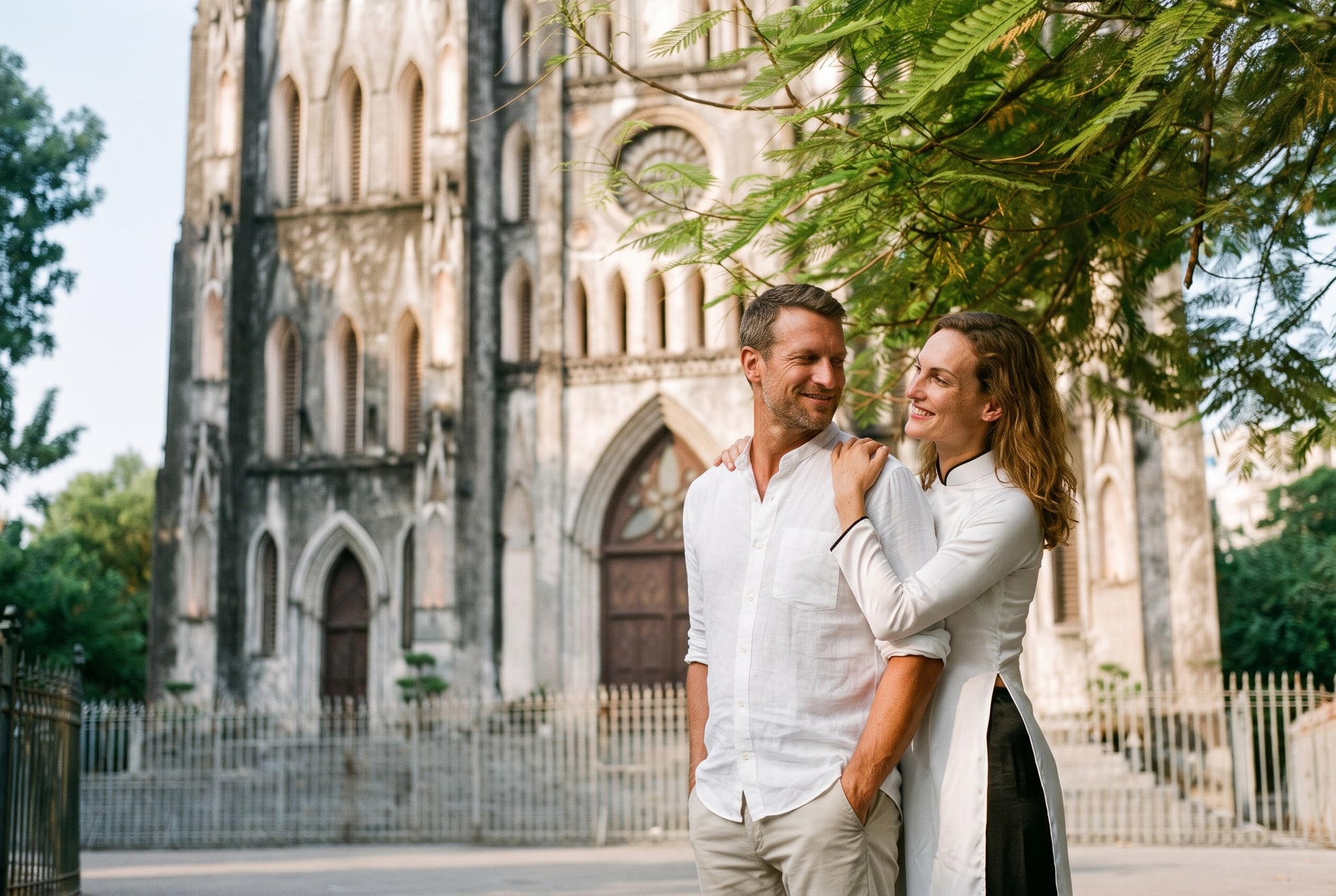
Where can you rent ao dai by city, and what's the process?
Ao Dai Diaries operates in four key cities:
- Hanoi rentals: Central Hoan Kiem and Old Quarter locations; peak Tet and Lunar New Year bookings fill 2–3 weeks ahead.
- Ho Chi Minh City (Saigon): Downtown and riverside areas; year-round tourism demand, same-day slots often available.
- Hoi An rentals: Ancient town charm; perfect for heritage photoshoots, advance booking recommended.
- Da Nang rentals: Beach and resort base; ideal for modern, lightweight ao dai styles.
See rental by city for exact addresses and availability. The booking process: contact via WhatsApp/Zalo +84 338 762 340, confirm date and size, pay a deposit (amount depends on fabric choice), attend a 20–30 minute fitting, and collect same-day or at your hotel. Returns happen within 24–48 hours of your event; late returns incur small fees. Sizes run XS–XXL; tailors make minor adjustments on-site.
👗 Rent your ao dai — WhatsApp/Zalo +84 338 762 340
What should you check before renting to avoid disappointment?
Use this checklist before booking:
- Event date & time: Confirm availability 2–3 weeks ahead for Tet and peak seasons (Dec–Feb, Jul–Aug).
- Accurate sizing: Ask for bust, waist, hip, and height measurements in cm; ao dai tailors need precision—no guessing.
- Fabric preference: Silk (formal, elegant, wrinkles easily) vs. cotton (breathable, casual-friendly, fewer wrinkles). Clarify weight and sheen.
- Embroidery & color: See photos of available styles; embroidered pieces book faster and cost more. Neutral tones suit photoshoots; jewel tones suit celebrations.
- Fitting appointment: Schedule 2–3 days before the event, not same-day, to allow minor alterations.
- Accessory needs: Ask if rental includes trousers, headpiece, or if you're styling separately. (Many rentals include tailored silk trousers; check.)
- Care & return: Confirm washing rules, damage liability, and return deadline. Ao dai should be returned clean; heavy stains may incur small care fees.
- Delivery & pickup: If your hotel is far, ask about delivery charges; Ao Dai Diaries offers delivery to most hotels in each city.
- Photography rights: If renting for a professional shoot, check if the shop allows commercial photo use of the ao dai on their site.
- Backup option: Ask about alternative styles or sizes if your first choice isn't available—good shops keep 20+ dresses in stock.
Contact Ao Dai Diaries early; experienced staff catch issues before they ruin your event.
What cultural etiquette should tourists know when wearing an ao dai?
The ao dai is Vietnam's national pride—treat it with respect. Never wear it casually to bars, street food stalls, or as a joke costume; it's a symbol of identity, not a gimmick. In temples and pagodas, ao dai is actually perfect: modest, beautiful, and respectful. If attending a Vietnamese family event, ask the host if ao dai is appropriate (it usually is; you'll fit right in and show honor). Avoid walking with the ao dai draped over your arm or sitting with it bunched—sit gracefully, keep posture upright, and move deliberately. Don't slouch or lean against walls; the silhouette matters. If locals compliment your ao dai, say thank you and ask about theirs—genuine interest goes far. Never mock the garment, alter it significantly without permission, or wear it to casual outings. Wearing it respectfully opens doors: people are warmer, shops give better prices, and photos look authentic. It's not just clothing—it's a cultural bridge.
📍 See rental by city
---
Frequently asked questions
Do I need to wear an ao dai, or is it optional?
Completely optional. Tourists in casual Western wear are normal everywhere. Wear ao dai if you want to feel authentic, honor Vietnamese culture, or create memorable photos—not because you must.
Can I wear an ao dai to the beach or casual lunch?
No. Ao dai is formal or semi-formal wear. Beach requires swimwear; casual meals wear T-shirts and shorts. Wearing ao dai casually offends the garment's significance and will make you the only overdressed person.
What if I rent an ao dai and tear it or spill something?
Contact Ao Dai Diaries immediately. Small stains (food, mud) are normal wear; light washing covers them. Major tears or severe damage may result in a modest repair fee. Always ask about liability when you book.
How much does ao dai rental cost?
Costs vary by city, fabric, and embroidery; contact Ao Dai Diaries via WhatsApp +84 338 762 340 for current pricing and a quote based on your style choice.
Can I buy a cheap ao dai online instead of renting?
You can, but cheap online ao dai (often synthetic, poor fit, thin fabric) looks cheap in photos and feels uncomfortable in Vietnam's humidity. Renting ensures quality, proper fit, and zero shipping hassle—better for a trip.
Do I need to know Vietnamese to book?
No. Ao Dai Diaries staff speak English and communicate via WhatsApp/Zalo. Messages with photos and simple English work perfectly—no fluency required.
What's the difference between summer and winter ao dai?
Summer ao dai uses lighter cotton or linen, brighter colors, simpler designs; winter uses heavier silk, deeper tones, bolder embroidery. Rental shops adjust stock by season—ask for comfort-focused styles in Jul–Sep heat.
Frequently asked questions
Do I need to wear an ao dai, or is it optional?
Completely optional. Tourists in casual Western wear are normal everywhere. Wear ao dai if you want to feel authentic, honor Vietnamese culture, or create memorable photos—not because you must.
Can I wear an ao dai to the beach or casual lunch?
No. Ao dai is formal or semi-formal wear. Beach requires swimwear; casual meals wear T-shirts and shorts. Wearing ao dai casually offends the garment's significance and will make you the only overdressed person.
What if I rent an ao dai and tear it or spill something?
Contact Ao Dai Diaries immediately. Small stains (food, mud) are normal wear; light washing covers them. Major tears or severe damage may result in a modest repair fee. Always ask about liability when you book.
How much does ao dai rental cost?
Costs vary by city, fabric, and embroidery; [contact Ao Dai Diaries](/guide/ao-dai) via WhatsApp +84 338 762 340 for current pricing and a quote based on your style choice.
Can I buy a cheap ao dai online instead of renting?
You can, but cheap online ao dai (often synthetic, poor fit, thin fabric) looks cheap in photos and feels uncomfortable in Vietnam's humidity. Renting ensures quality, proper fit, and zero shipping hassle—better for a trip.
Do I need to know Vietnamese to book?
No. Ao Dai Diaries staff speak English and communicate via WhatsApp/Zalo. Messages with photos and simple English work perfectly—no fluency required.
What's the difference between summer and winter ao dai?
Summer ao dai uses lighter cotton or linen, brighter colors, simpler designs; winter uses heavier silk, deeper tones, bolder embroidery. Rental shops adjust stock by season—ask for comfort-focused styles in Jul–Sep heat.
Dozens of colours, all sizes XS–XXL, delivered to your hotel in Hanoi, Saigon, Hoi An or Da Nang. One WhatsApp or Zalo message.
More guides
You might also like
The ao dai is Vietnam's iconic silk dress, worn for celebrations and formal occasions. Ao Dai Diarie
May is Vietnam's hottest month before monsoon season. We'll help you choose the right outfit—whether
December weather in Vietnam is cool and dry—ideal for wearing the ao dai. Here's what suits the seas