guide/ao-dai
How Do People Dress in Vietnam? A Practical Guide to Ao Dai Rental
Ao Dai Diaries team · All guides →
Vietnamese people wear modern casual Western clothing daily—t-shirts, jeans, sundresses, sneakers—adapted for tropical heat and humidity. For formal events, celebrations and cultural occasions, they choose the ao dai: a floor-length tunic-and-trousers ensemble that signals respect, elegance and tradition. If you want to experience this authentic dress during your visit, Ao Dai Diaries rents traditional ao dai by the day in Hanoi, Ho Chi Minh City, Hoi An and Da Nang, with fittings, same-day service and delivery to your hotel. Sizing runs XS–XXL; rentals suit photoshoots, weddings, Tet celebrations and city walks. Understanding when and how Vietnamese dress helps you choose the right outfit for your own occasion—and wear it respectfully.
What Do Vietnamese People Wear Every Day?
Most Vietnamese wear everyday clothing nearly identical to Western dress: lightweight t-shirts, cotton trousers, jeans, casual sundresses and sneakers. In cities like Hanoi and Ho Chi Minh City, you'll see office workers in business casual or full business dress. Young people favour casual streetwear—hoodies, cargo pants, trainers. The climate demands breathable fabrics; long sleeves and hats protect from intense sun.
Practicality, not tradition, governs daily dress. Fabric choice reflects the heat and humidity. Colours tend toward neutrals, pastels and bold accent pieces rather than patterns. Jewellery is minimal; bags are functional (backpacks, crossbody slings). Footwear ranges from sandals and flip-flops at home to closed shoes for work and school. This is how the vast majority of modern Vietnamese live and work. The ao dai belongs to different contexts entirely—formal, cultural, festive.
---
When Do Vietnamese Wear the Ao Dai?
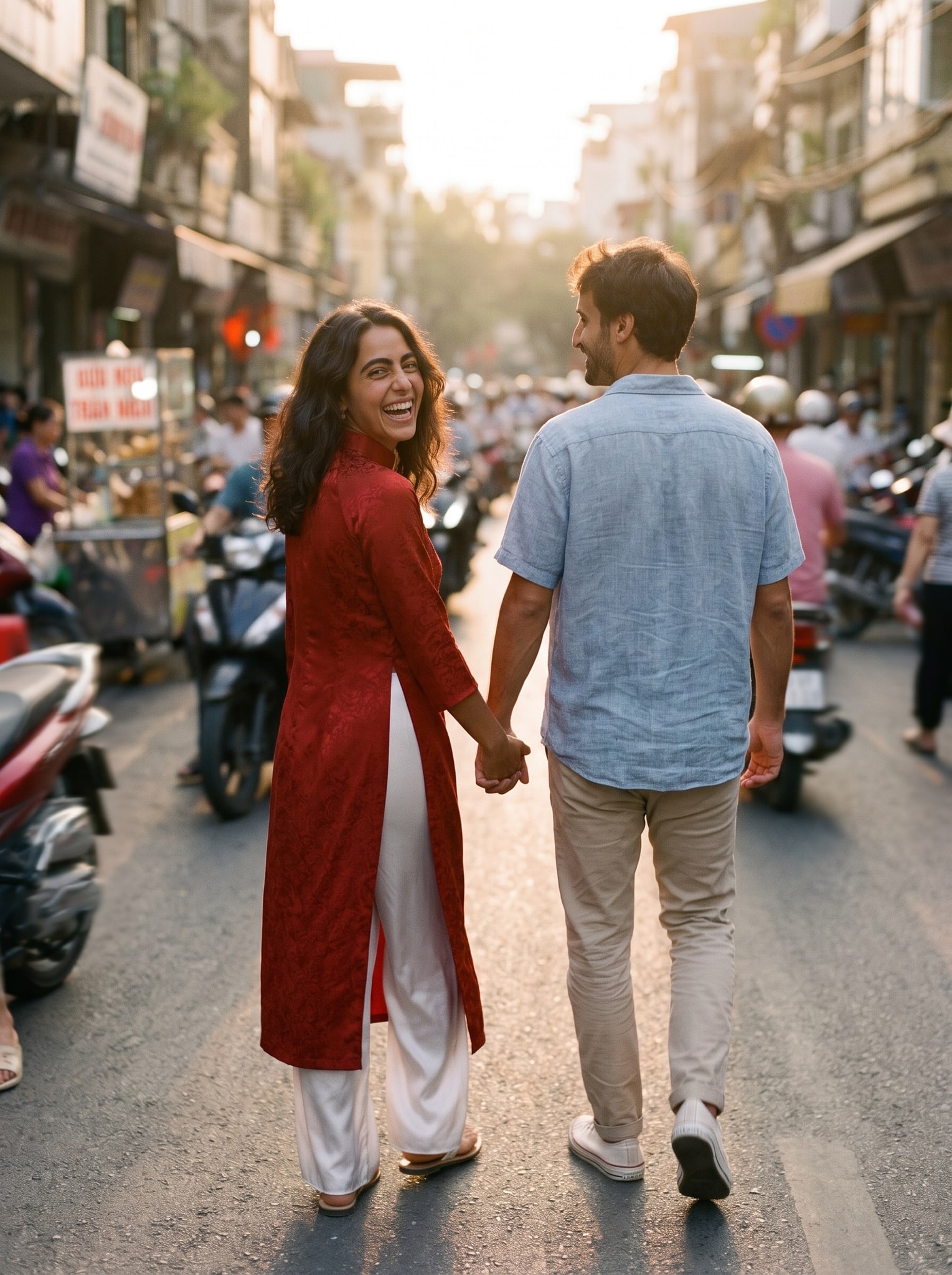
The ao dai appears at weddings, Tet (Lunar New Year), religious ceremonies, graduations, government events and cultural celebrations. Brides wear white ao dai; guests and family members choose colours like red, pink, gold or jewel tones. On Tet, families don new ao dai as a sign of renewal and respect for ancestors. Schoolgirls in many regions wear ao dai as their uniform. It is worn at temple festivals, photography portraits and formal state occasions.
It is not everyday wear. Wearing ao dai casually or disrespectfully—for a joke, in a nightclub, in damaged condition—offends Vietnamese people. The garment carries deep meaning: filial piety, national identity, beauty and tradition. When a foreign visitor chooses to rent and wear ao dai thoughtfully, Vietnamese people generally respond with warmth and appreciation. This is the core etiquette: wear it with genuine respect, learn its history, and understand when it is appropriate.
---
How Does Ao Dai Rental Work in 2026?
Ao Dai Diaries handles the entire process: you choose your city, book via WhatsApp/Zalo, attend a fitting (or provide measurements), select your outfit from available styles and colours, and wear it for the day or event. Same-day rental is available in major cities. Delivery to your hotel is included. The rental deposit is refundable; you return the ao dai clean and unharmed. Sizes range from XS to XXL; alterations and adjustments happen during fitting. Staff explain how to wear, tie and move in the garment so you feel confident and respectful.
Each city has its own rental base. Hanoi offers rentals in the Old Quarter and central districts. Ho Chi Minh City (Saigon) serves the downtown and tourist areas. Hoi An and Da Nang cater to visitors exploring the coast and ancient town. Prices vary by city and season; contact the team on WhatsApp/Zalo +84 338 762 340 for current rates and availability. Process typically takes 24–48 hours from booking to fitting. Many packages pair rental with professional photoshoots, so you have polished images of yourself in traditional dress.
👗 Rent your ao dai — WhatsApp/Zalo +84 338 762 340
---
What's the Difference Between Renting, Buying and Tourist Ao Dai?
| Option | Best For | Cost Basis | Key Trade-Off |
|---|---|---|---|
| Rental (Ao Dai Diaries) | Visitors, one-off events, photoshoots, weddings | Day or multi-day rate | Limited colour/style selection; must return on time |
| Bespoke tailoring | Locals, repeat wear, perfect fit, ownership | Higher upfront; custom design | Requires 2–4 weeks; commitment to one style |
| Mass-market ao dai (tourist shops) | Budget-conscious travellers, casual wear | Lower unit cost | Lower quality; may not fit well; disrespectful if worn carelessly |
| Heirloom or formal tailoring | Weddings, Tet, lifetime pieces | Premium cost | Significant investment; rarely rented out |
Rental wins if you want authentic fit, quality fabric, variety and zero commitment. You avoid the risk of wearing cheap tourist-grade ao dai, which Vietnamese people recognize immediately and may perceive as dismissive of the garment's dignity. Bespoke tailoring suits locals planning to wear ao dai regularly or for major life events. Tourist-shop ao dai is tempting on price but often fits poorly and signals you do not understand or respect the tradition. Ao Dai Diaries splits the difference: you wear genuine, well-made ao dai without buying it or compromising on quality.
---
How Should You Style and Accessorize an Ao Dai?
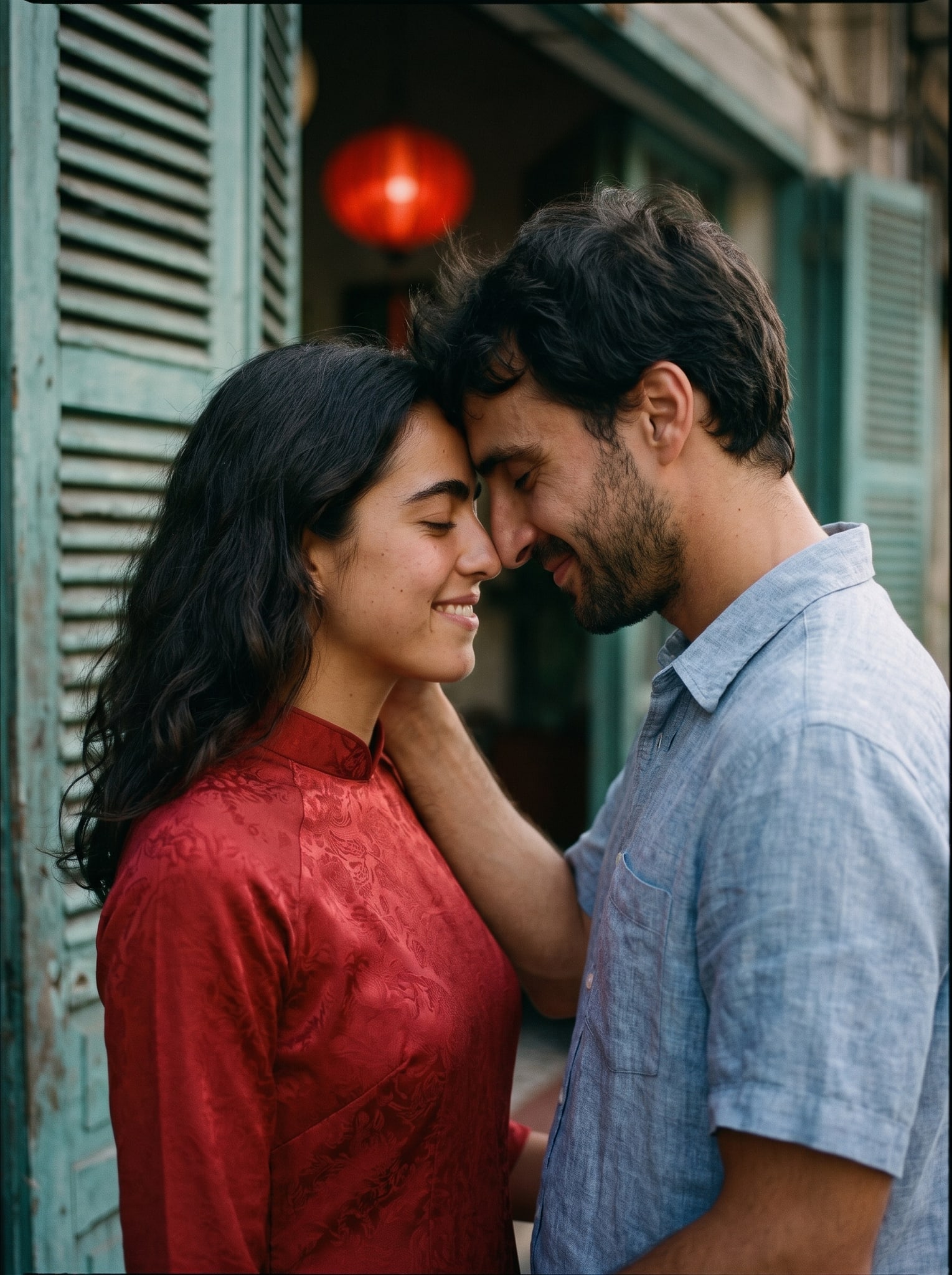
Hair is typically worn up—in a bun, twist or traditional-style knot. Face makeup is subtle and natural, rarely heavy. Jewellery is minimal: one pair of earrings, a delicate bracelet or anklet, a simple necklace. Avoid chunky statement pieces, multiple rings or loud colours that compete with the ao dai's fabric. Shoes are flat or low heel—ballet flats, embroidered slip-ons, beaded sandals or dressy flip-flops. Bare feet are acceptable for temple visits; closed shoes for formal events.
The ao dai itself is the focal point; everything else should support it without distraction. Traditional accessories—conical hats, silk scarves, beaded belts—are available through rental packages but are optional. Bags, if worn, should be small and elegant: a silk pouch, a crossbody bag or no bag at all. Avoid bright nail polish, heavy perfume and casual posture. The garment commands a certain grace; your bearing should reflect that.
Ao Dai Diaries staff brief you on styling at fitting; many clients ask for photograph recommendations, and the team can suggest poses and backdrops that honour the ao dai's elegance. This guidance is part of the rental experience and ensures you look and feel authentic.
---
What's the Practical Checklist Before You Rent?
Use this step-by-step before booking:
- Confirm your city & occasion. Hanoi? Hoi An photoshoot? Wedding in Da Nang? Each location has different availability and package options. Visit the rental guide by city.
- Check your dates early. Tet, wedding season and national holidays book fast. Confirm at least 7–10 days ahead if possible.
- Know your measurements. Provide height, bust, waist, hip and shoulder width in centimetres or inches. Fitting is done in-person or remotely via video; staff will ask clarifying questions.
- Choose your occasion & colour. Are you attending a formal event (jewel tones, rich reds, golds), a photoshoot (pastels, whites, classics), or a casual cultural visit (soft colours, simpler embroidery)? Colours carry meaning in Vietnamese culture; staff can advise.
- Ask about add-ons. Photography packages, delivery to hotel, same-day rental, alterations, styling tips—clarify what's included and what costs extra.
- Understand return & care. Ao dai must be returned clean, unharmed, on the agreed date. Minor stains or seam issues are covered; major damage may incur a fee. Ask the exact return protocol.
- Get clear contact & WhatsApp terms. Book via +84 338 762 340 (WhatsApp/Zalo). Confirm fitting time, location and payment method in writing.
- Plan your itinerary. Know where you'll wear it, how long, and what activities (walking, sitting, dancing). Ao dai movement is graceful but requires awareness.
📸 Ao dai + photoshoot packages
---
How Does Vietnamese Dress Vary by Region & Event Type?
Northern Vietnam (Hanoi, Ha Long): Formal ao dai in deep reds, navy, black; brides often choose white silk. Embroidery tends toward subtle, classical patterns (plum blossoms, phoenixes). Conical hats (nón lá) are common in rural and heritage settings.
Southern Vietnam (Ho Chi Minh City, Mekong Delta): Brighter colours (gold, coral, pink, turquoise); more visible embroidery and beading. Modern styles mix traditional silhouettes with contemporary touches.
Central Vietnam (Hoi An, Da Nang): Lighter fabrics for coastal heat; pastels and soft creams popular. Historical Hoi An celebrates ao dai in period-accurate styles; photoshoots often favour lighter colours for daylight photography.
Tet celebrations: New ao dai in any colour except black or white (mourning colours). Red, gold, pink and jewel tones dominate. Families coordinate colours; children wear bright pastels.
Weddings: Bride wears white silk ao dai, often with elaborate embroidery and a matching silk tunic (áo dài chân váy). Groom wears formal dark ao dai or Western suit. Guests wear colourful ao dai or formal dress. Ao Dai Diaries packages include wedding rental services in all four cities.
Temple visits & cultural events: Any respectful colour; modest embroidery or plain silk acceptable. Shoes should be removable; feet covered for temple entry in some regions.
---
👗 Rent your ao dai — WhatsApp/Zalo +84 338 762 340
Frequently asked questions
Is it okay for a foreigner to wear an ao dai as a tourist?
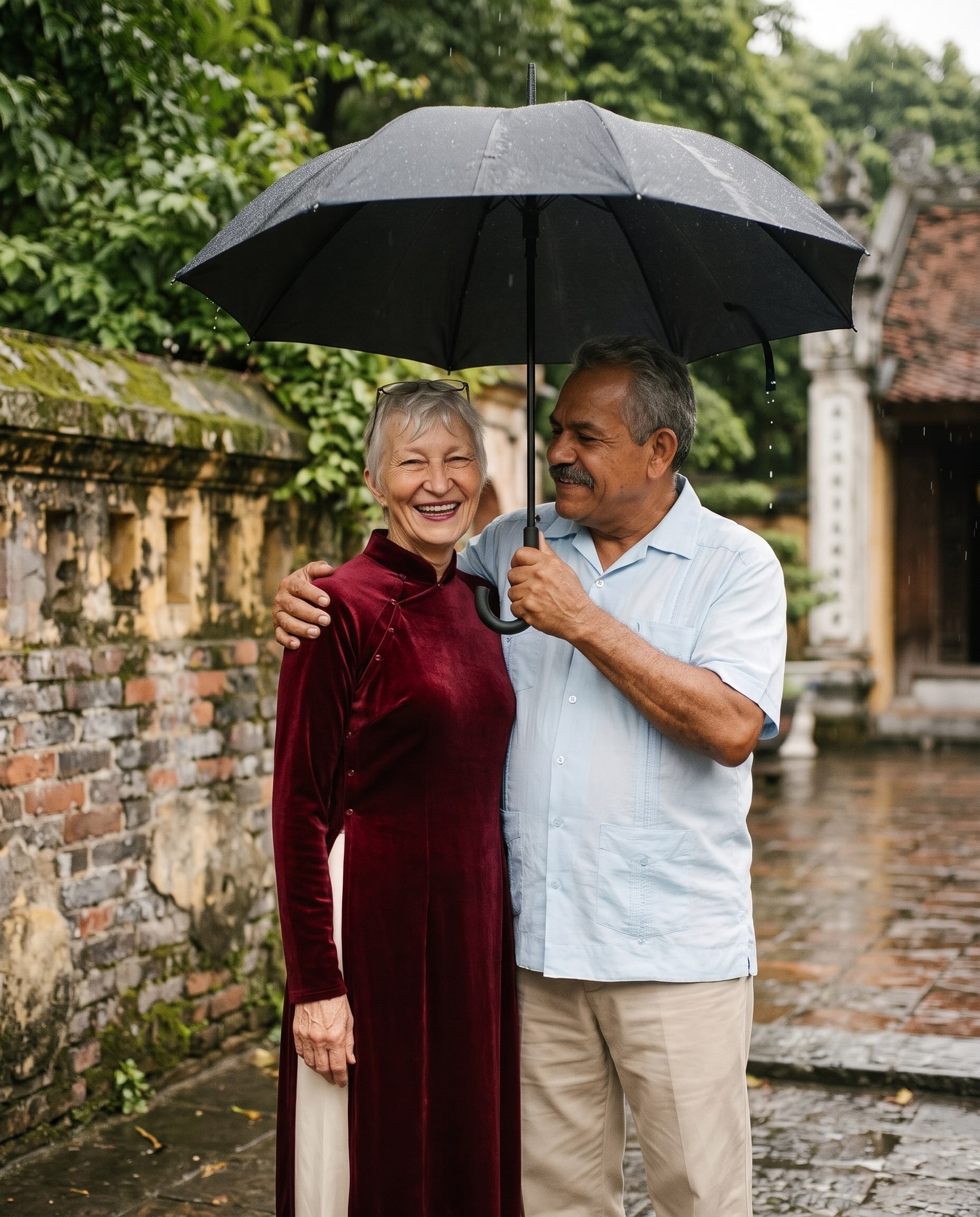
Yes, if worn respectfully and thoughtfully. Vietnamese people generally welcome visitors who engage genuinely with the culture. Avoid wearing ao dai for jokes, nightclubs or disrespectful photos. Wear it for cultural exploration, photography, weddings or Tet with proper fitting and care. If you're unsure, ask your rental staff—they'll guide you on appropriate occasions.
How long does an ao dai rental take from booking to wearing?
Typically 24–48 hours. You contact Ao Dai Diaries via WhatsApp/Zalo, schedule a fitting, choose your outfit and colour, and pick up or receive delivery. Same-day service is available in major cities if you book early. Planning at least one week ahead is recommended for weddings or Tet when demand is high.
What sizes does Ao Dai Diaries rent in?
Sizes XS to XXL. Staff fit you in-person at the rental location or guide you remotely via measurements. Traditional ao dai is tailored to body shape; good fit is essential for comfort and appearance. Alterations (hem, sleeve, side seams) are included if time permits.
What happens if the ao dai gets stained or damaged during my wear?
Minor stains and wear are normal; they're covered by the rental deposit. Major damage (large tears, permanent stains, lost buttons) may incur a fee based on repair cost. Always ask the exact damage policy when you book. Handle the garment with care—it's a respected cultural item and likely someone else's special purchase.
Can I rent an ao dai for multiple days or a full event (wedding weekend)?
Yes. Multi-day and event-based rentals are available. Contact the team to discuss your dates, event type and any additional styling or photography needs. Extended rentals may offer different pricing than single-day rentals; ask for current rates.
Where should I rent an ao dai if I'm visiting both Hanoi and Da Nang?
Book separately in each city for best availability and service. Hanoi rental, Ho Chi Minh City rental, Hoi An rental and Da Nang rental each operate independently. Delivery between cities is not offered; plan your ao dai wear around your location at the time.
What's the difference between ao dai and other Vietnamese traditional dress?
Ao dai is the national dress—a formal, elegant tunic-and-trousers worn at celebrations and formal events. Other garments (áo bà ba, áo gối) are casual, regional rural wear. Ao dai is what you see at weddings, Tet, government ceremonies and cultural tourism. It's universally recognised as deeply Vietnamese. If you're visiting Vietnam and want to experience traditional dress, ao dai is the primary choice.
Frequently asked questions
Is it okay for a foreigner to wear an ao dai as a tourist?
Yes, if worn respectfully and thoughtfully. Vietnamese people generally welcome visitors who engage genuinely with the culture. Avoid wearing ao dai for jokes, nightclubs or disrespectful photos. Wear it for cultural exploration, photography, weddings or Tet with proper fitting and care. If you're unsure, ask your rental staff—they'll guide you on appropriate occasions.
How long does an ao dai rental take from booking to wearing?
Typically 24–48 hours. You contact Ao Dai Diaries via WhatsApp/Zalo, schedule a fitting, choose your outfit and colour, and pick up or receive delivery. Same-day service is available in major cities if you book early. Planning at least one week ahead is recommended for weddings or Tet when demand is high.
What sizes does Ao Dai Diaries rent in?
Sizes XS to XXL. Staff fit you in-person at the rental location or guide you remotely via measurements. Traditional ao dai is tailored to body shape; good fit is essential for comfort and appearance. Alterations (hem, sleeve, side seams) are included if time permits.
What happens if the ao dai gets stained or damaged during my wear?
Minor stains and wear are normal; they're covered by the rental deposit. Major damage (large tears, permanent stains, lost buttons) may incur a fee based on repair cost. Always ask the exact damage policy when you book. Handle the garment with care—it's a respected cultural item and likely someone else's special purchase.
Can I rent an ao dai for multiple days or a full event (wedding weekend)?
Yes. Multi-day and event-based rentals are available. Contact the team to discuss your dates, event type and any additional styling or photography needs. Extended rentals may offer different pricing than single-day rentals; ask for current rates.
Where should I rent an ao dai if I'm visiting both Hanoi and Da Nang?
Book separately in each city for best availability and service. [Hanoi rental](/hanoi), [Ho Chi Minh City rental](/ho-chi-minh-city), [Hoi An rental](/hoi-an) and [Da Nang rental](/da-nang) each operate independently. Delivery between cities is not offered; plan your ao dai wear around your location at the time.
What's the difference between ao dai and other Vietnamese traditional dress?
Ao dai is the national dress—a formal, elegant tunic-and-trousers worn at celebrations and formal events. Other garments (áo bà ba, áo gối) are casual, regional rural wear. Ao dai is what you see at weddings, Tet, government ceremonies and cultural tourism. It's universally recognised as deeply Vietnamese. If you're visiting Vietnam and want to experience traditional dress, ao dai is the primary choice.
Dozens of colours, all sizes XS–XXL, delivered to your hotel in Hanoi, Saigon, Hoi An or Da Nang. One WhatsApp or Zalo message.
More guides
You might also like
The ao dai is Vietnam's iconic silk dress, worn for celebrations and formal occasions. Ao Dai Diarie
May is Vietnam's hottest month before monsoon season. We'll help you choose the right outfit—whether
December weather in Vietnam is cool and dry—ideal for wearing the ao dai. Here's what suits the seas