guide/ao-dai
How to Pronounce Ao Dai in Vietnamese: Rental Guide
Ao Dai Diaries team · All guides →
"Ao dai" is pronounced áo yai (rhymes roughly with "pow why")—the "ái" sounds like the English word "eye." It's Vietnam's national traditional dress: a long, flowing silk tunic worn over wide pants. Ao Dai Diaries helps travelers and locals rent ao dai in Hanoi, Ho Chi Minh City, Hoi An, and Da Nang for photoshoots, weddings, Tet celebrations, and city walks. Rentals include fitting, sizing from XS–XXL, same-day or pre-arranged delivery to your hotel, and a deposit held during use. Prices vary by style, city, and occasion; contact us on WhatsApp/Zalo +84 338 762 340 to discuss your needs and budget. Avoid assuming all ao dai are identical—styles differ by region and fabric, and improper wearing (slouching, disrespecting the garment, mixing with casual shoes) undermines its cultural significance.
👗 Rent your ao dai — WhatsApp/Zalo +84 338 762 340
What Does Ao Dai Mean, and Why Is Pronunciation Important?
"Ao" means shirt or tunic; "dai" means long. Together, áo yai names Vietnam's most recognizable national garment—a slender, high-necked silk tunic falling to the ankle, split on both sides, worn over loose trousers. Getting the pronunciation right shows respect for Vietnamese culture and helps you communicate clearly with rental staff, shopkeepers, and locals. When you say it correctly, shopkeepers and guides appreciate your effort and often offer better advice on fitting and styling. Mispronouncing it as "ay-oh day" or "ow die" marks you as unfamiliar and may slow down conversations. Ao Dai Diaries staff speak English fluently, but locals in Old Quarter (Hanoi), District 1 (Saigon), or ancient Hoi An town respond warmly to visitors who try the correct tone.
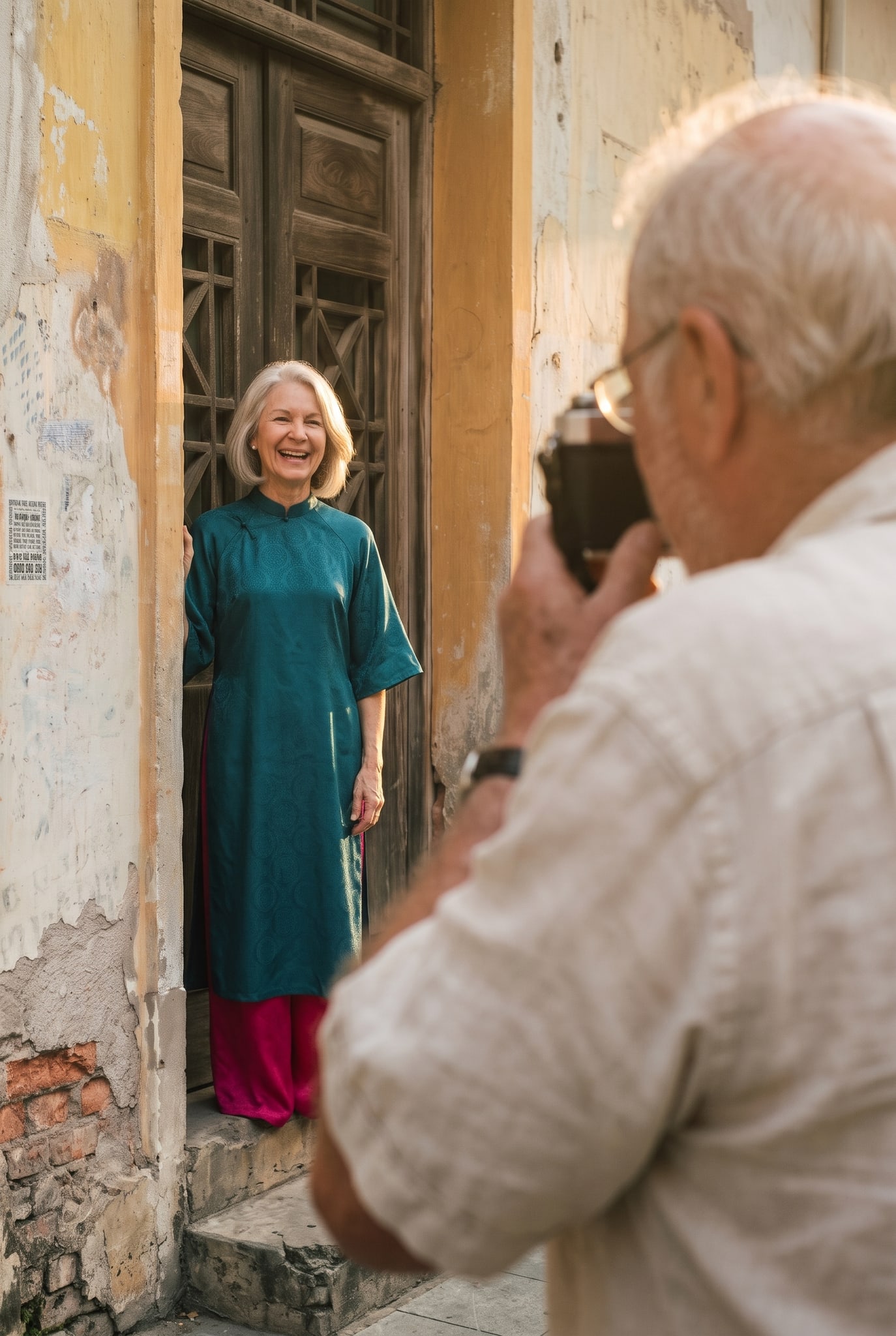
How Do You Actually Pronounce Ao Dai? Tone and Syllable Breakdown
Vietnamese uses tonal marks. "Ao dai" written in formal romanization is áo dài—the acute accent (á) on "ao" signals a rising tone; the grave accent (à) on "dai" signals a falling tone. In casual English approximation:
- Áo = "ow" (like "cow"), then slide upward (rising tone).
- Dài = "die" (like the verb), then drop (falling tone).
- Together: áo yai flows as one phrase, with stress on the first syllable.
If you pause between syllables or flatten the tone, locals may not recognize it. Practice saying it aloud three times before arriving at a rental shop or photoshoot. Hanoi's old quarter, Hoi An's tailoring district, and Saigon's District 1 rental areas all have staff ready to correct you gently. The more you say it correctly, the easier conversations about sizing, color preferences, and occasion-specific styles become. Rental shops in all four cities appreciate effort over perfection.
📸 Ao dai + photoshoot packages
What Are the Different Ao Dai Styles, and Which Suits Your Occasion?
Ao dai come in regional and modern variations. Understanding the differences helps you choose the right style for your rental and communicate it clearly to your stylist.
| Style Type | Best For | Fabric & Details | Why Pick It |
|---|---|---|---|
| Classic/Traditional | Tet, weddings, formal portraits | Silk, solid jewel tones, simple neckline | Timeless, deeply respectful, photographs beautifully in natural light |
| Modern/Contemporary | Instagram photoshoots, city strolls | Cotton blends, printed patterns, asymmetric hems | Comfortable for long wear, unique on social media |
| Regional Variants (North vs. South) | Cultural immersion, regional portraits | Slightly different sleeve width, neckline height | Authentic to your destination (Hanoi styles differ subtly from Saigon) |
| Embroidered/Beaded | Weddings, formal celebrations | Silk with gold/silver thread, pearl accents | Statement piece, expensive to rent, requires careful handling |
Before booking, ask your stylist: What fabric is used? Does it require special care (dry-cleaning only) after rental? Are beaded or embroidered styles available in your size? Ao Dai Diaries rents all types; contact us to discuss which suits your event.
How Does Ao Dai Rental Work in Vietnam's Major Cities?
Renting an ao dai follows the same process nationwide, with local variations based on inventory and demand.
Hanoi (ao dai rental in Hanoi): Old Quarter shops and nearby rental studios open 8am–6pm. Fitting takes 15–30 minutes; same-day rental or pickup next morning is standard. Deposit held (amount varies by garment quality); return within 24–48 hours. Ideal for Tet visits (late January–early February) and photoshoots at Temple of Literature or West Lake.
Ho Chi Minh City (ao dai rental in Saigon): District 1 and Dong Khoi area have multiple rental options; delivery to your hotel available. Booking ahead (2–3 days) ensures your size and color preference. Weather is hot year-round; lightweight cotton-silk blends are popular. Couples and groups often rent together for post-wedding or anniversary shoots.
Hoi An (ao dai rental in Hoi An): Ancient town shops are tiny but authentic; many tailors also offer rental. Turnover is fast (many tourists); booking same-day is often possible. Hoi An's soft lantern light and French-colonial backdrop make it a photographer's favorite for ao dai portraits. Prices may be lower here because tailoring is the local economy.
Da Nang (ao dai rental in Da Nang): Coastal city; rental studios near Han Market and beach resorts. Beach photoshoots are popular (though sand and salt water require careful cleanup). Rental periods are flexible; many shops accept half-day rentals. My Khe Beach is stunning for ao dai sunset shoots.
Across all cities: Sizing ranges XS–XXL. Fittings are non-negotiable—ao dai must fit the shoulder, bust, and hip snugly to hang correctly. A poor fit is unflattering and disrespectful to the garment. Deposits typically range from see packages & prices (roughly see packages & prices); exact amounts depend on garment value. Most shops accept cash or mobile payment (MoMo, Zalo Pay). Cancellations within 24 hours may forfeit deposit; check your rental agreement.
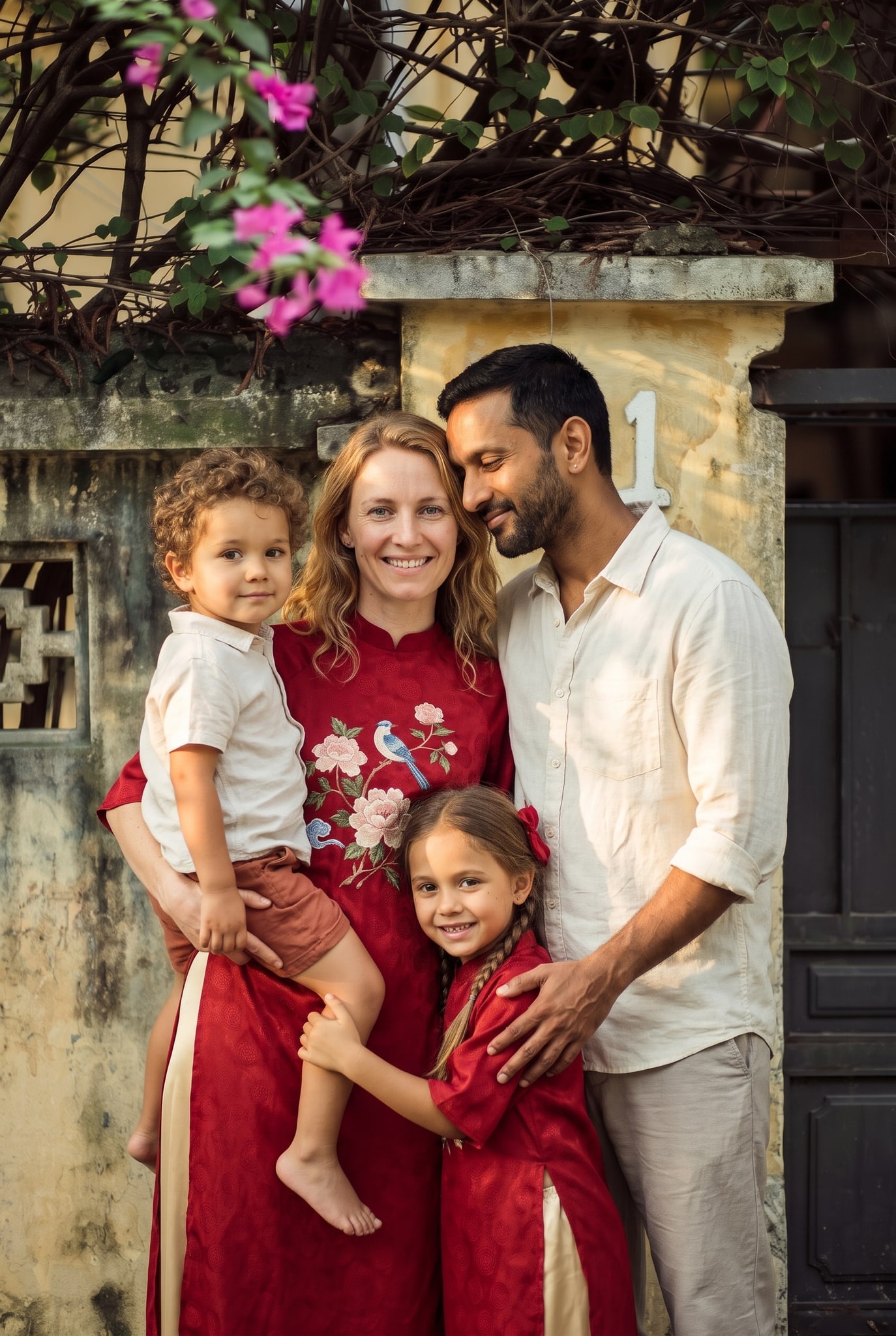
What Sizing and Fit Issues Should You Know Before Renting?
Ao dai sizing is NOT like Western clothing. The garment is tailored to drape along your silhouette; loose = shapeless, tight = uncomfortable and disrespectful to the fabric.
Common mistakes:
- Ordering "one size up" to be comfortable. Ao dai are designed slim; oversizing ruins the line.
- Assuming your dress size = ao dai size. A US size 8 woman may fit a Vietnamese M or L depending on shoulder width and hip measurement.
- Ignoring the fitting appointment. Online rentals without fitting often result in mismatches.
What to check before you rent:
- Shoulder width: The neckline should sit ¼ inch below collarbone, centered.
- Bust/waist fit: You should fit one hand flat inside the side seam (snug but not restrictive).
- Hip length: The tunic splits at hip; splits should align with your natural leg length.
- Pant length: Hems should touch the top of your foot (barefoot or in flat shoes). Too long = tripping risk; too short = disrespectful.
- Neckline height: Should feel secure; if it gapes, it's too large.
Ao Dai Diaries staff in all four cities guide you through fitting. If you're renting remotely, send a photo of yourself in fitted clothing, note your height, bust, waist, and hip measurements in centimeters, and specify your shoe size. The team will reserve the closest match and confirm by WhatsApp before delivery.
📍 See rental by city
How Should You Wear Ao Dai Respectfully and What Etiquette Applies?
Ao dai is NOT a costume; it's a living cultural symbol worn daily by Vietnamese women and worn ceremonially for decades. Respect for the garment is expected.
What to do:
- Wear it upright and gracefully. Slouching, leaning casually against walls, or sitting sprawled undermines its elegance.
- Pair it with flat shoes (sandals, ballet flats, traditional embroidered shoes). Sneakers or heavy boots clash.
- Keep the tunic front and back clean; avoid eating while wearing it.
- If you're photographing, ask locals if it's okay. Many enjoy seeing foreigners in ao dai; some (especially elders) may wish to decline.
- Return it promptly and in the condition you received it (minor wear is normal; stains or tears may incur cleaning/repair fees).
What NOT to do:
- Treat it as a "costume" for mocking or overly casual behavior (sitting on the ground, splashing in water).
- Mix it with backpack-tourist aesthetics (cargo shorts, hiking boots, baseball caps).
- Wear it in contexts where it's inappropriate (dive bars, late-night clubs, beach parties).
- Alter the fit yourself (rolling the waistband, safety-pinning seams).
Locals and rental staff will sense your respect and offer guidance. Hoi An artisans, Hanoi's older generation, and Ho Chi Minh City photographers all respond positively to visitors who treat ao dai as a privilege, not a prop. This attitude also results in better rental recommendations and sometimes complimentary styling tips.
---
What to Check Before You Book
Sizing clarity: Confirm all measurements (height, bust, waist, hip) in centimeters. If in doubt, book an in-person fitting; it's free and takes 20 minutes.
Occasion appropriateness: Weddings require formal fabrics (silk, jewel tones, minimal prints). Photoshoots allow more creativity. Tet and graduations suit traditional styles. Tell your stylist the event; she'll steer you correctly.
Deposit and cancellation policy: Ask in writing (WhatsApp) what happens if you cancel 24 hours before pickup, or if the garment is soiled. Most shops are flexible, but clarity avoids disputes.
Delivery and return logistics: If you're in a hotel, confirm the shop can deliver to your address and at what time. Agree on a return window (same-day, next morning, or extended). Late returns may incur hourly fees.
Language backup: Screenshot key phrases in Vietnamese or ask your hotel concierge to write down your rental details in Vietnamese. This speeds up pickup and prevents miscommunication.
Care instructions: Ask for written care details. Some fabrics (embroidered silk) require dry-cleaning; others are hand-wash-friendly. Never assume; confirm with the rental shop before you wear it.
---
👗 Rent your ao dai — WhatsApp/Zalo +84 338 762 340
Still unclear about pronunciation or rental? Browse our complete ao dai guide or see how ao dai rental works. For packages that combine rental with professional photoshoots, explore our packages page.

Frequently asked questions
Is "ao dai" one word or two?
Two words. "Ao" (shirt/tunic) and "dai" (long) are separate, but written together as "ao dai" in English transliteration. In Vietnamese, they're "áo dài" with tonal marks.
Can I pronounce it without the tonal marks and still be understood?
Partly. Flattening the tone (saying it as "ow die") may be understood in context (shops, photoshoots), but tonal languages like Vietnamese rely on pitch. Trying the rising-then-falling tone shows respect and ensures clarity with monolingual locals in small villages or heritage sites.
What's the difference between ao dai and other Vietnamese dresses like the ao tư thân?
Ao dai is Vietnam's national dress (modern, worn since the 1930s). Ao tư thân is an older style (four-paneled tunic, less common today). For rentals and photoshoots, ao dai is standard. Ao Dai Diaries specializes in ao dai; if you want to explore historical styles, ask your stylist during booking.
Do I need to know how to pronounce it to rent one?
No. Ao Dai Diaries staff speak English fluently and will help you regardless of pronunciation. But learning it enriches your respect for the garment and your interaction with Vietnamese locals and shopkeepers.
Are prices the same across Hanoi, Saigon, Hoi An, and Da Nang?
Pricing varies slightly by city and garment quality. Hoi An may offer lower rates (tailoring economy); Saigon rates reflect urban demand; Hanoi and Da Nang fall in between. Contact us on WhatsApp to compare options for your city and budget.
How long should I plan to spend on fitting and pickup?
In-person fitting and pickup takes 20–30 minutes. Same-day rental (if available) requires morning arrival. Delivery to your hotel adds 1–2 hours (depends on traffic and hotel location). Book 2–3 days ahead for peace of mind; last-minute bookings (same day) depend on availability.
Dozens of colours, all sizes XS–XXL, delivered to your hotel in Hanoi, Saigon, Hoi An or Da Nang. One WhatsApp or Zalo message.
More guides
You might also like
The ao dai is Vietnam's iconic silk dress, worn for celebrations and formal occasions. Ao Dai Diarie
May is Vietnam's hottest month before monsoon season. We'll help you choose the right outfit—whether
December weather in Vietnam is cool and dry—ideal for wearing the ao dai. Here's what suits the seas