guide/ao-dai
Modern Vietnamese Ao Dai Fashion: Rental vs. Buy in 2026
Ao Dai Diaries team · All guides →
Modern Vietnamese ao dai fashion in 2026 splits into two practical paths: rent for specific occasions (photoshoots, weddings, Tet, city strolls) via services like Ao Dai Diaries in Hanoi, Ho Chi Minh City, Hoi An, and Da Nang; or buy custom-made or ready-to-wear pieces that live in your closet year-round. Rental typically costs less upfront, includes fitting and tailoring, and removes storage hassle—ideal if you wear ao dai 1–3 times yearly. Buying makes sense if you attend multiple Vietnamese events, want complete control over fabric and color, or see it as a lifestyle investment. Modern styles now favor slimmer silhouettes, asymmetrical panels, ombré dyes, and blended fabrics (silk-cotton, linen blends) that move between formal dinners and casual hangs. Before deciding, ask: How often will I actually wear it? Do I have a space to store it properly? What's my real budget—rental deposit or full purchase? Answering honestly saves money and regret. ---
What Defines Modern Ao Dai Fashion Today?
Modern ao dai breaks the stereotype of stiff, formal-only dress. Today's designs feature streamlined silhouettes that fit contemporary bodies without the rigid boning of vintage styles. Necklines stay respectfully high, but sleeves now taper at the wrist, side slits rise slightly higher for easier movement, and the áo (tunic) hugs the torso before flaring softly over the pants. Fabrics have also evolved: premium cottons, linen blends, and silk-viscose mixes replace heavy brocade, especially for warm, humid Vietnamese summers. Colors range from classic whites and deep crimsons to muted teals, dusty golds, and even reversible ombre effects—ideal for photos. The key shift is wearability: modern ao dai feels like something you'd actually put on for lunch with friends, not just ancestral photos. When you rent ao dai through Ao Dai Diaries, you access curated contemporary cuts in sizes XS–XXL; fitting sessions ensure the tunic and pants proportions suit your frame without painful alterations.
---
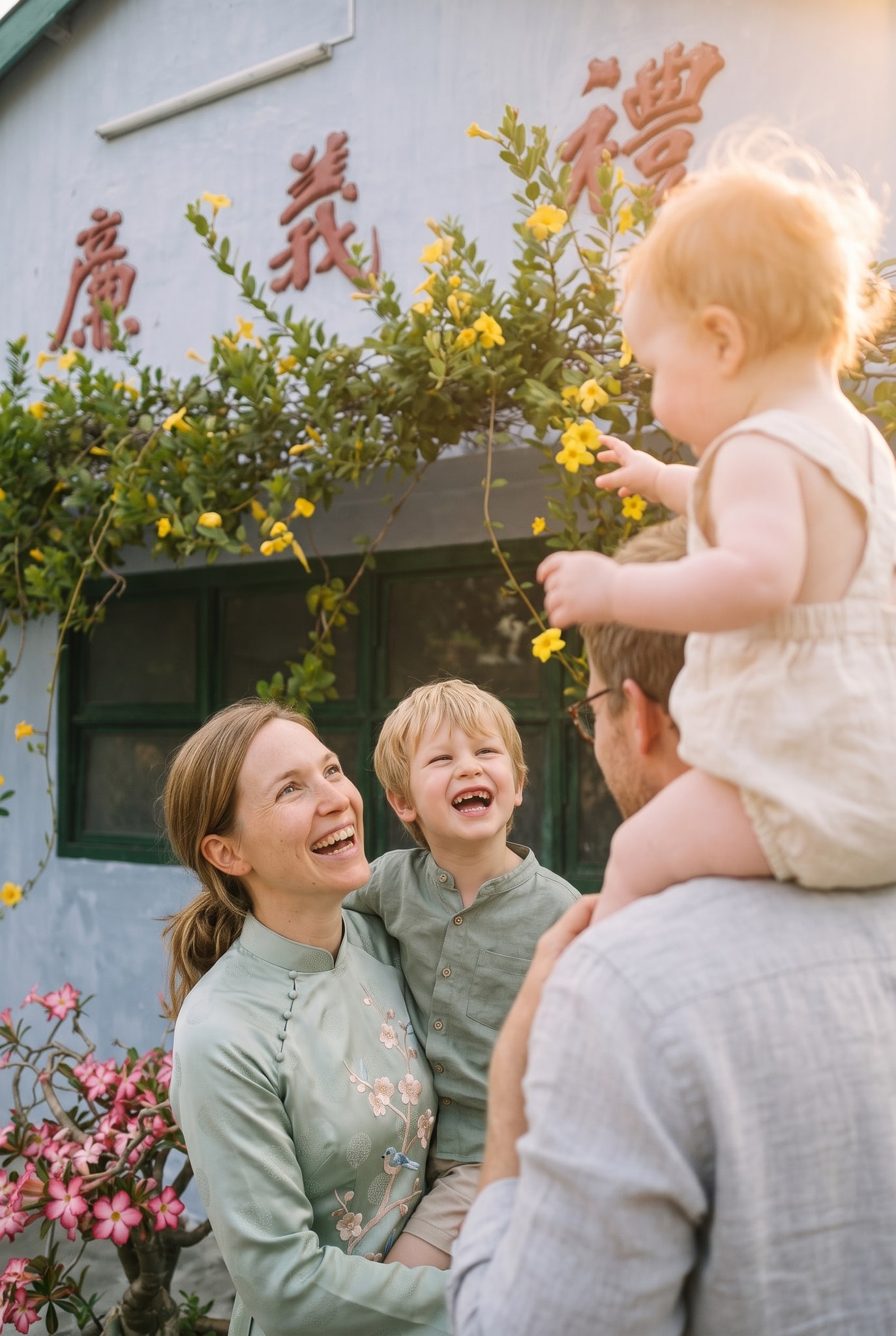
Rent vs. Buy: A Real Comparison for 2026
| Decision Factor | Renting | Buying | Best For |
|---|---|---|---|
| Upfront cost | Low (deposit recoverable) | High (full garment price) | Occasional wearers, budget-conscious |
| Time to wear | Same-day or next-day | 2–8 weeks custom, or immediate ready-made | Events with fixed dates |
| Fitting included | Yes, professional tailoring on-site | DIY or pay tailor separately | First-time wearers, uncertain sizes |
| Storage & care | Shop handles cleaning, storage | Your responsibility (humidity, moths, yellowing) | Frequent wearers in stable climates |
| Customization | Choose from existing inventory | Full control: fabric, embroidery, panels | Perfectionist, lifestyle commitment |
| Occasions per year | 1–3 times | 3+ times or lifestyle integration | Budget test: annual wear ÷ cost |
| Travel/delivery | Hotel delivery available in major cities | Shipping time + duties if importing | Tourists, remote residents |
Conclusion: Rent if you wear ao dai fewer than three times yearly or want zero storage stress. Buy if you attend regular Vietnamese events or see ao dai as daily-wear fashion.
---
How Does Ao Dai Rental Actually Work in Practice?
When you contact Ao Dai Diaries via WhatsApp/Zalo +84 338 762 340, the process is straightforward. First, you describe the occasion (wedding, photoshoot, Tet, casual stroll) and your preferences (color, modern vs. classic, sleeve style). Staff confirm availability and book a fitting appointment at your location—Hanoi, Ho Chi Minh City, Hoi An, or Da Nang—or arrange hotel delivery. At fitting, you try multiple sizes and cuts; the tailor adjusts the tunic and pants for your exact frame in real-time (usually 30–45 minutes). You pay a refundable deposit and agree on return date and condition. Same-day rental is available in peak cities if you book early. Garments are cleaned and steamed before return. What stops renters most often: unclear sizing (bring your actual chest, waist, and inseam measurements in centimeters), late returns (clarify the deadline in writing), or treating it carelessly (ao dai is respected dress—avoid food, perfume, or rough handling). Visit how ao dai rental works for the full step-by-step, or explore rental by city to find your nearest shop.
👗 Rent your ao dai — WhatsApp/Zalo +84 338 762 340
---
What Styles Suit Different Occasions and Life Moments?
Modern ao dai offers versatile cuts for distinct moments. Weddings & formal dinners call for heavier silks, jewel tones, and subtle embroidery on the tunic front or sleeves—these catch light and photograph beautifully. Photoshoots (especially in heritage cities like Hoi An) lean into softer pastels, linen blends for texture, and longer áo lengths for dramatic shots; rental here is ideal because you want outfit variety without the buy-and-store burden. Check ao dai + photoshoot packages to see bundled rates. Tet and family gatherings embrace tradition but accept modern twists: a deep red with silver threading, or a white áo with silk pants in navy—pieces you'll rewear for years. Casual city strolls (increasingly popular among locals and tourists) favor cotton blends, shorter or cropped áo lengths, lighter colors, and sleeker pants; these blur the line between fashion and tradition, perfect for Instagram but also genuinely wearable. Graduations sit between formal and celebratory: pastels, metallics, or gradient dyes work well. The rule: match fabric weight to season and venue. If you're unsure, rent first to test what flatters you and your life before committing to a purchase.
---
Sizing, Fit, and Why Most First-Time Buyers Regret Getting It Wrong
Ao dai sizing is not intuitive for Western bodies or online shoppers. The tunic must sit snug across the chest (not loose, not suffocating), taper at the waist, and flare below the hip—too much room and it looks costume-like; too tight and you can't breathe or sit. Pants should graze the ankle without bunching or dragging. Arm holes are small and sit far back on the shoulder (this is traditional and correct, not a flaw). Common mistakes: ordering based on dress size (ao dai is not a dress); guessing measurements; assuming "one size fits many" works; ignoring inseam length (if you're under 5'4", standard lengths may pool at your feet). When you rent ao dai in Hanoi, Ho Chi Minh City, Hoi An, or Da Nang, fitting is mandatory and free—the tailor adjusts everything on you, live. If you buy, invest in a local tailor familiar with ao dai (crucial; Western tailors often botch it). Pro tip: take a fitting photo or video when you rent; use it as your reference if you later buy custom-made. Sizes range XS–XXL in rental shops; custom-made can accommodate any frame if you work with a designer who gets traditional proportions.
---
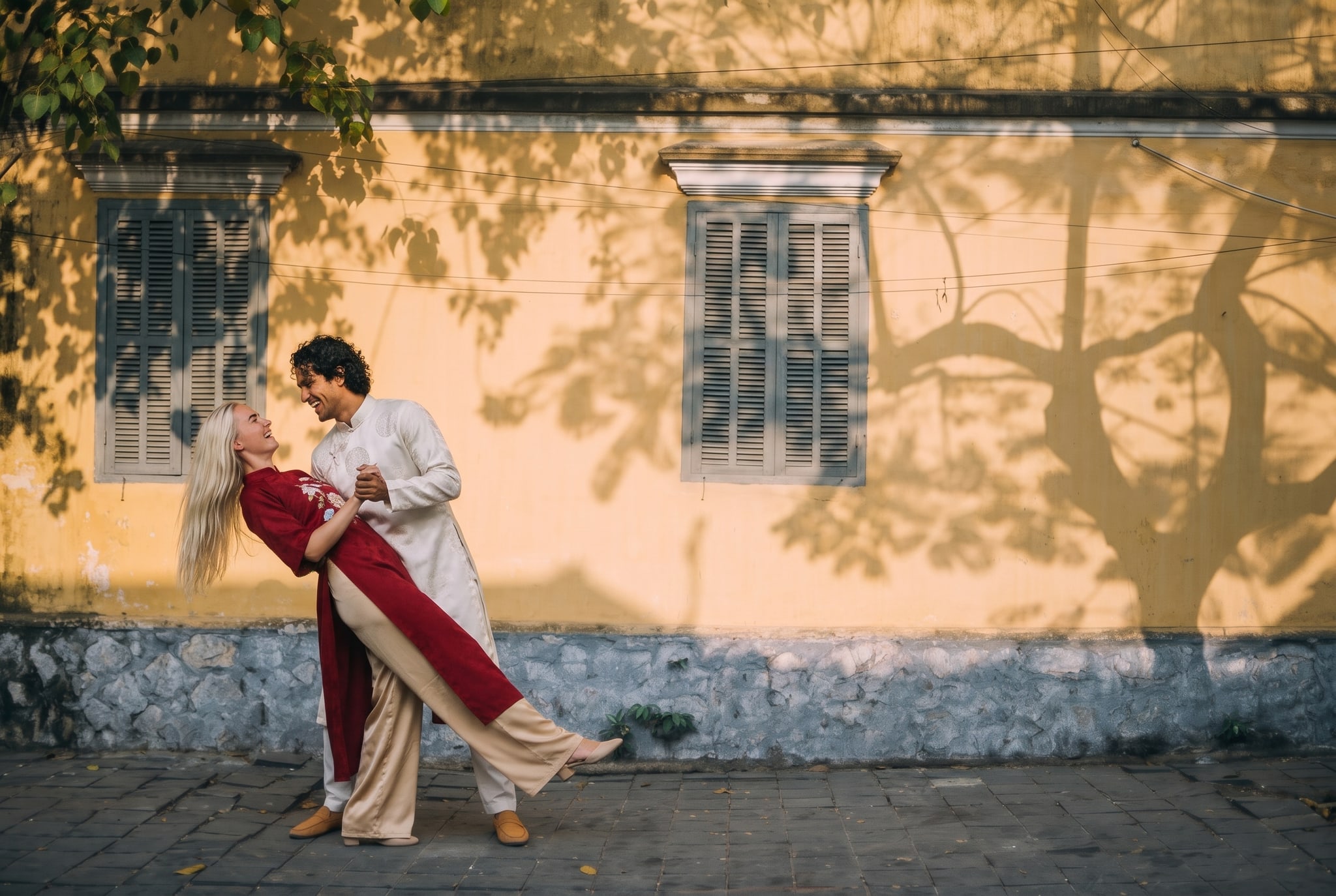
Modern Fabrics, Colors, and What Actually Lasts
Ao dai fabric choice makes or breaks durability, comfort, and appearance. Silk (100% or silk-blend) is traditional, luxurious, and fragile—wrinkles easily, needs careful storage, costs more. Cotton-silk blends (60/40 or 70/30) offer the sheen and drape of silk with cotton's washability and durability; these are increasingly popular for modern pieces. Pure cotton or linen is breathable, easy-care, and casual—ideal for summer strolls but less formal for weddings. Synthetic blends (polyester-viscose) are affordable, wrinkle-resistant, and practical for travel, though purists argue they cheapen the aesthetic. Modern dyes range from solid jewel tones and pastels to ombré (gradient) effects and hand-dyed batik looks—all photograph well. Whiteao dai (the iconic timeless classic) is now offered in multiple weights: crisp cotton for casual, heavy silk for formal, linen for texture. When renting, you skip the longevity question—rental shops replace worn items regularly. When buying, ask the maker about pre-shrinking, colorfast dyes, and care instructions. A quality silk-cotton blend ao dai, stored properly, lasts 5–10 years; pure cotton can last longer if kept away from humidity and direct sun. Vietnam's humidity is brutal on natural fibers, so storage (cotton garment bags, cedar, cool closet) matters more than fabric choice if you live there year-round.
📸 Ao dai + photoshoot packages | 📍 See rental by city
---
What to Check Before You Rent or Buy
Before renting:
- Confirm exact occasion, date, and return deadline in writing (WhatsApp is fine).
- Provide measurements in centimeters (chest, waist, inseam, shoulder width).
- Ask about fitting location and whether hotel delivery is available.
- Clarify deposit amount and refund terms.
- Request photos of available styles in your preferred colors beforehand.
- Plan the fitting ≥3 days before the event (rush bookings incur delays).
Before buying:
- Source from a tailor or designer with ao dai credentials (check portfolio photos, not just testimonials).
- Get a fabric swatch and test wash it if possible.
- Confirm measurements are in centimeters and include inseam (not just dress size).
- Ask for a fitting (in-person or video). Remote purchases sight-unseen are high-risk.
- Agree on alterations in writing; factor tailoring costs into your budget.
- Request care instructions and ask about pre-shrinking.
- Budget 4–12 weeks for custom-made; ready-made ships faster but offers less control.
General:
- Never treat ao dai carelessly. It's a symbol of Vietnamese identity and respect. Avoid sitting in dusty places, eating greasy food, or perfuming heavily.
- Ao dai is not a costume. Wear it with intention and grace.
- If unsure, rent first. It's the safer, smarter way to learn your style.
---
Real Scenarios: Who Should Rent, Who Should Buy?
Scenario 1: You're a tourist in Vietnam for two weeks, visiting Hoi An and Ho Chi Minh City. Rent. You'll wear ao dai 1–2 times. Rental costs less, includes fitting and hotel delivery, and you leave no storage burden. Browse Hoi An rental or Ho Chi Minh City rental.
Scenario 2: You're a Vietnamese-American returning home for Tet and three summer family dinners yearly. Rent for each event, or buy one quality piece. If you rent three times, it costs ≈ one purchase. If you buy, you own something you'll rewear for years. Consider: Can I store it properly in my climate? Yes → buy. No → rent each time.
Scenario 3: You're a local living in Hanoi, into fashion, and want to integrate ao dai into your weekly life. Buy, or do a mix. Rent a few modern, casual-cut pieces first to experiment with colors and styles (Hanoi rental). Then invest in 1–2 custom-made pieces you'll actually wear. This strategy is cheaper long-term and helps you figure out your aesthetic without waste.
Scenario 4: You're getting married in Vietnam and want a showstopping ao dai as part of your wedding. Buy or commission. Weddings are one-time events, but the ao dai becomes keepsake-level. Rent if you're uncertain about style; otherwise, invest in a custom piece with the embroidery, fabric, and fit you'll treasure forever.
---
Where to Start: Next Steps
Visit the Ao Dai Diaries rental guide for a deeper dive into tradition, etiquette, and styling. If you're ready to book, reach out via WhatsApp/Zalo +84 338 762 340—staff speak English, Vietnamese, and some French, and responses are usually within 2 hours. Describe your occasion, dates, and color preferences. They'll confirm availability, discuss sizing, and either invite you for a fitting or arrange delivery to your hotel. For those interested in buying, ask staff for tailor recommendations in your city; Ao Dai Diaries collaborates with trusted makers.
👗 Rent your ao dai — WhatsApp/Zalo +84 338 762 340
---
Frequently asked questions
Is renting ao dai really cheaper than buying?
Yes, for occasional wear (1–3 times yearly). Rental is a single session fee; buying costs 5–10× more. If you wear ao dai monthly, buying pays for itself within a year.
Can I rent ao dai if I'm not in Vietnam?
Ao Dai Diaries serves tourists and locals in Hanoi, Ho Chi Minh City, Hoi An, and Da Nang. International visitors can book hotel delivery; locals can arrange fitting appointments. For other countries, research local Vietnamese dress rental services or consider importing a ready-made piece.
What if the ao dai doesn't fit after I rent it?
Fitting is included in the rental process. The on-site tailor adjusts the tunic and pants to your exact measurements before you leave. If issues arise after rental (stress from sitting, unexpected movement restrictions), contact the shop immediately—professional rental services prioritize your comfort and will remake adjustments if needed.
Do I have to buy from Ao Dai Diaries if I rent from them?
No. Renting and buying are separate. Many customers rent, decide they love ao dai, and later inquire about purchase or custom commission. Staff are happy to recommend tailors and designers; it's not a hard sell, just a resource.
Can modern ao dai look casual, not formal?
Absolutely. Modern cuts in cotton or linen, lighter colors (cream, lavender, soft blue), and streamlined designs are worn casually by Vietnamese young people for weekend hangouts, cafés, and Instagram. Pair with simple sandals and a small crossbody bag. Formality depends entirely on fabric, color, and context, not the garment itself.
What's the difference between ao dai fabric types in terms of cost?
Pure silk is most expensive; silk-cotton blends are mid-range; cotton and linen are budget-friendly; synthetics are cheapest. For rental, fabric type is included in the session fee—no extra charge. When buying custom-made, expect costs to climb with silk percentage and embroidery detail.
Dozens of colours, all sizes XS–XXL, delivered to your hotel in Hanoi, Saigon, Hoi An or Da Nang. One WhatsApp or Zalo message.
More guides
You might also like
The ao dai is Vietnam's iconic silk dress, worn for celebrations and formal occasions. Ao Dai Diarie
May is Vietnam's hottest month before monsoon season. We'll help you choose the right outfit—whether
December weather in Vietnam is cool and dry—ideal for wearing the ao dai. Here's what suits the seas