guide/ao-dai
Outfit Ideas: What to Wear in Vietnam (Traveler's Guide 2026)
Ao Dai Diaries team · All guides →
Vietnam's tropical heat (25–35°C year-round), urban density, and deep respect for traditional dress mean outfit choices differ sharply from Western travel norms. For daily wear: breathable cotton, ankle-length or knee-length bottoms, closed-toe shoes in crowded markets, and a light layer for over-air-conditioned spaces. For cultural occasions—weddings, Tet, temple visits, graduation photos—an ao dai (Vietnam's floor-length silk tunic worn over fitted trousers) is the gold standard: respectful, photogenic, and available to rent same-day in Hanoi, Saigon, Hoi An, and Da Nang through Ao Dai Diaries and independent rental shops. Rental typically costs see packages & prices (see packages & prices) for one day, includes fitting and basic tailoring, and requires a see packages & prices (see packages & prices) refundable deposit. Avoid shorts, sleeveless tops in pagodas, see-through fabrics, and loud logos in formal settings. Plan ahead for peak Tet (January–February): rental shops fill fast.
Vietnam's climate, culture and occasions shape what you'll actually wear. Whether you're exploring Hanoi's Old Quarter or attending a Tet celebration, this guide shows you realistic outfit combinations—and why renting an ao dai transforms your Vietnam experience.
What should you wear for everyday exploring in Vietnam?
Daily wear in Vietnam prioritizes comfort, respect, and practicality. Lightweight cotton shirts, linen pants, and breathable skirts in neutral tones work best; the humidity averages 75–80% most months, and synthetic fabrics trap sweat. Closed-toe shoes (sneakers, slip-ons, or light sandals with ankle support) protect your feet in crowded markets and from uneven pavements. A lightweight scarf or cardigan shields you from aggressive air conditioning indoors—temperature swings of 10°C between street and mall are common. Avoid shorts above the knee, sheer fabrics, and tight clothes; locals dress modestly, and you'll draw less attention (useful in pickpocket-heavy areas). Sunscreen (SPF 50+), a hat, and sunglasses are essential—UV index is severe year-round. Neutral colors (cream, khaki, soft blues) photograph better than pure white (glare) and help you blend in rather than stand out as an obvious tourist. Expect to sweat; pack quick-dry fabrics and change socks if your feet get wet on rainy days (May–September).
👗 Rent your ao dai — WhatsApp/Zalo +84 338 762 340
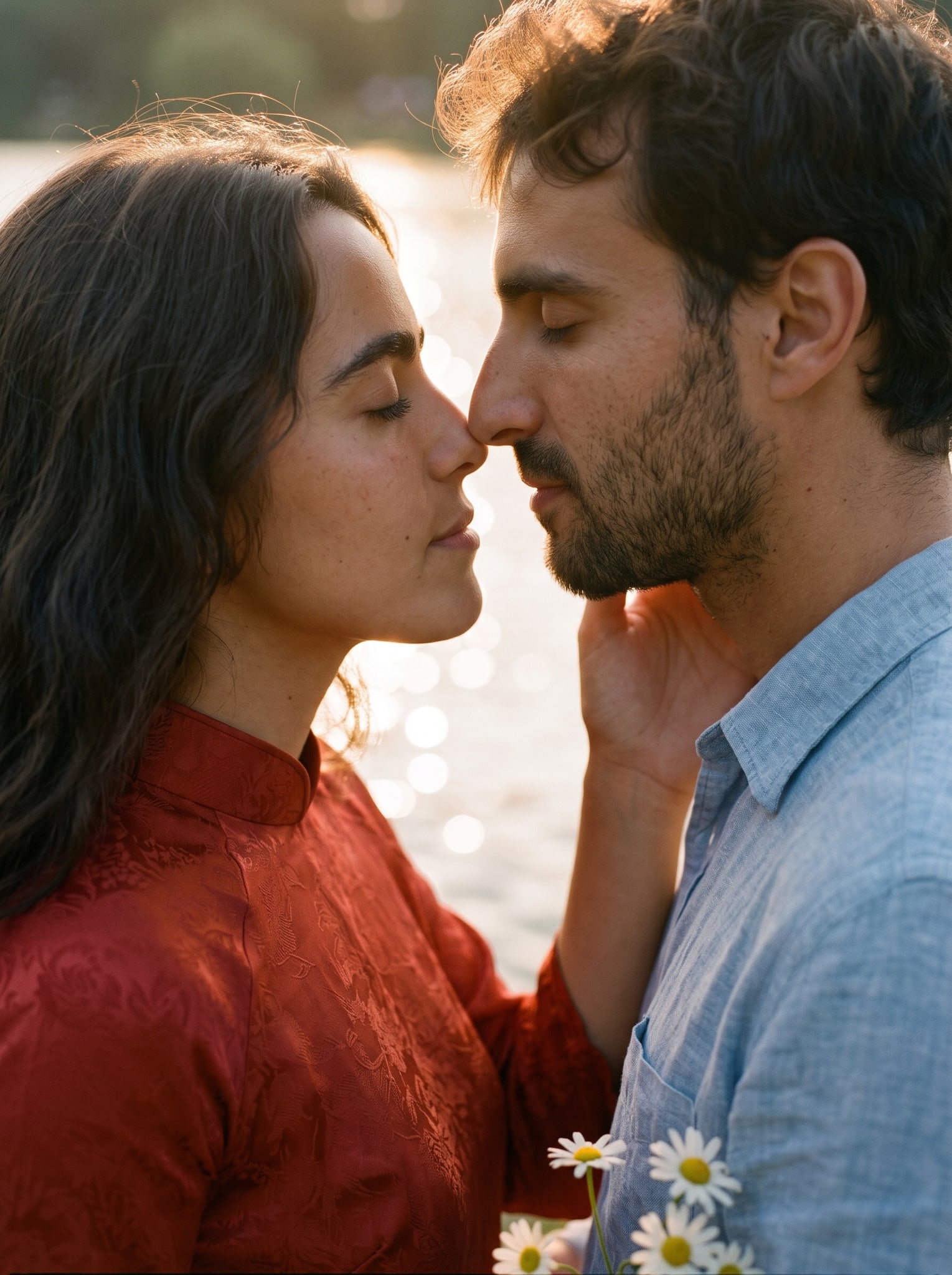
When do you actually need to wear an ao dai, and who rents one?
An ao dai is mandatory or strongly expected at Vietnamese weddings, Tet celebrations, temple festivals, graduations, formal family photos, and professional events—contexts where traditional dress signals respect and belonging. Foreigners wearing an ao dai to these occasions are warmly welcomed; Vietnamese often see it as a compliment. Tourist photoshoots (at landmarks, in heritage towns like Hoi An, or styled sessions in rice fields) are another common reason: the ao dai's elegance and cultural authenticity make it far more striking than Western clothes in these settings. Wedding guests should wear an ao dai if invited as family or close friend; casual colleagues can wear smart casual. Tet (lunar new year, late January–early February) is peak rental season—shops can be fully booked five days before the holiday. International travelers, expatriates working in Vietnam, and Vietnamese living abroad often rent for nostalgia or one-time formal events. Same-day rental is standard; book via WhatsApp/Zalo with Ao Dai Diaries or local shops in your city. Sizes range XS–XXL; deposits are refundable and required to prevent loss.
📍 See rental by city
What's the difference between casual, wedding, and formal ao dai styles?
| Style | Occasion | Fabric & Detail | Who Chooses It | Fit Timeline |
|---|---|---|---|---|
| Casual cotton | City photoshoot, tourist stroll | Plain cotton or linen; simple silhouette | First-time renters, budget travelers | 15–30 min fitting |
| Silk embroidered | Wedding guest, Tet dinner, family portrait | Hand-stitched florals, subtle beading; premium silk | Returnees, cultural pride, formal events | 30–45 min fitting + alteration |
| Heirloom or vintage | Bridal, anniversary, heritage shoot | Antique silk, inherited patterns, rare colors | Vietnamese families, nostalgia seekers | Custom fitting (book 3+ days ahead) |
Casual ao dai suits first-time wearers and photoshoots; rental shops typically stock these in standard sizes. Wedding-guest ao dai (silk, embroidered, more tailored) require fitting and minor hem adjustments; expect an extra 15–20 minutes. Formal bridal or heirloom pieces need advance booking and detailed measurements. Ao Dai Diaries offers fitting at each city location—Hanoi, Saigon, Hoi An, Da Nang—and can deliver to your hotel same-day if you book by noon. Ask about color choices when you reserve; popular hues (deep red, emerald, gold, navy) book up first during Tet.
How do you avoid looking like a costume in an ao dai?
The most common mistake: wearing an ao dai as a novelty prop rather than a garment. An ao dai demands posture, grace, and cultural humility. Keep your hair neat (a bun or braid looks polished; loose hair over shoulders works too). Avoid heavy makeup or glitter; natural, well-groomed appearance suits the dress's elegance. Never sit cross-legged, squat, or kneel in an ao dai—the fabric and fit require upright, deliberate movement. Don't pair it with casual sneakers or modern backpacks; wear simple ballet flats, beaded sandals, or traditional slip-ons. Skip Western accessories (chunky chains, logos); a single bracelet or earrings are enough. Most importantly, learn the context: know why you're wearing it (wedding = formal respect; photoshoot = artistic homage; Tet = cultural participation). Vietnamese people can sense sincerity; wear it as an honor, not a costume. Ao Dai Diaries staff guide you through styling during your fitting—ask questions about posture, sitting, and photo angles. If you're unsure, a rental shop's recommendation is worth trusting.
📸 Ao dai + photoshoot packages

What's the rental process, and what deposits or fees should you expect?
Booking an ao dai takes five minutes: contact Ao Dai Diaries on WhatsApp/Zalo at +84 338 762 340 with your dates, size, color preference, and occasion. You'll receive a fitting appointment (walk-in is possible but risky during peak seasons like Tet). At the shop, staff measure your height, bust, waist, and hips; most rentals fit within 30–45 minutes. The rental deposit (refundable) is typically see packages & prices (see packages & prices), held until you return the dress on your agreed date. Rental cost varies by silk quality and embroidery: basic cotton ao dai start lower than silk embroidered pieces (exact pricing from the catalog available on booking). Return is same-time same-location or, if you've arranged delivery, returned to your hotel. Damage (stains, rips, broken zippers) may incur a fee—treat the dress as you would a borrowed formal garment. Check rental details by city or explore how Ao Dai Diaries works. Late returns (past your agreed time) may have hourly charges; confirm your return time upfront. Most shops offer insurance add-ons (typically see packages & prices / see packages & prices) if you're anxious about accidents.
What should you pack or prepare before your ao dai fitting?
Before you book, measure yourself accurately: height (cm), bust, waist, and hip circumference with a soft tape. Wear form-fitting clothes to the fitting appointment—loose layers make it hard for staff to gauge fit. Bring a photo of yourself or a mood board if you want a specific vibe (wedding-formal vs. casual-chic); shops appreciate visual direction. If you have a specific photoshoot location or event time, mention it—some rental shops coordinate with photographers or recommend styling. Polish your nails and groom your eyebrows beforehand; grooming shapes how the final look feels. Wear minimal jewelry to the fitting; you'll want to see how the ao dai neckline sits without clutter. Bring a phone charger so you can reference the rental details and contact the shop if you have last-minute questions. On pickup day, arrive early (10–15 minutes) to ensure a calm fitting and any last-minute hem adjustments. Take a photo of the return checklist; it documents what you're responsible for (no stains, all buttons intact, undamaged seams). If you're renting for a wedding, attend your fitting at least 2–3 days before the event—alterations take time, and rush jobs cost more.
---
Before You Rent: A Quick Checklist
- Dates confirmed? Book at least 3 days ahead; 7+ days during Tet.
- Size clear? Measure bust, waist, hips, height in advance.
- Occasion defined? Wedding, photoshoot, Tet, or casual stroll shapes style choice.
- Deposit understood? Ask for receipt; confirm refund process and timeline.
- Color/fabric preference? Specify silk vs. cotton; popular colors fill fast.
- Fitting time realistic? Allow 30–60 minutes; don't rush the appointment.
- Return logistics locked? Confirm date, time, and where you'll drop off the dress.
- Damage coverage? Ask if insurance is included or available.
👗 Rent your ao dai — WhatsApp/Zalo +84 338 762 340 | 📸 Ao dai + photoshoot packages | 📍 See rental by city
---
Styling an Ao Dai by City: What Works in Hanoi vs. Saigon vs. Hoi An
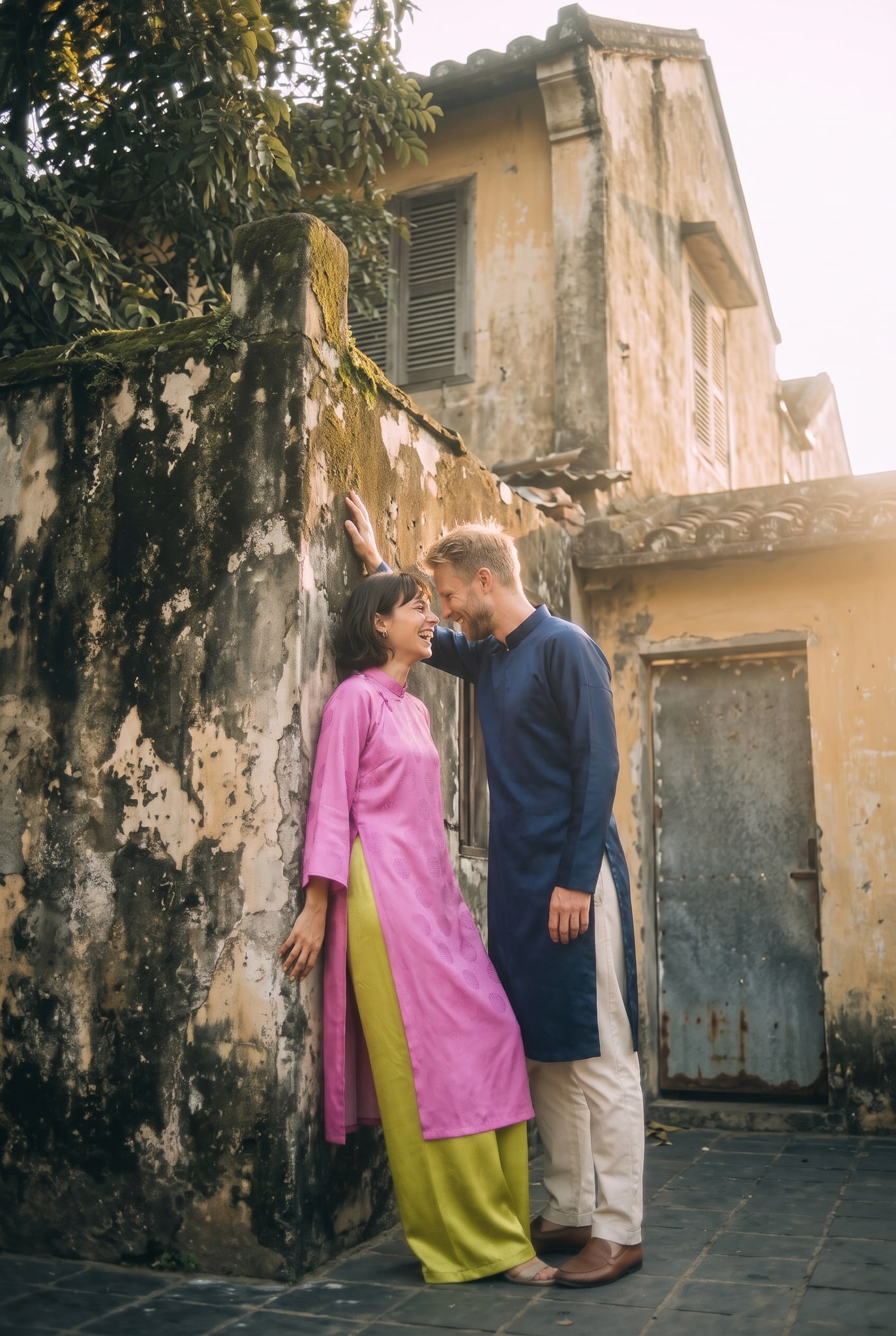
Hanoi favors classic, understated ao dai in deep jewel tones (burgundy, navy, emerald); the city's colonial architecture and lakeside temples suit elegant simplicity. Saigon embraces brighter, more embroidered pieces; the modern skyline and high-energy vibe pair with gold-threaded silk. Hoi An, a UNESCO heritage town, leans vintage and romantic—pastels, soft fabrics, and hand-embroidered details feel authentic here. Da Nang sits between beach-casual and formal; lightweight cotton ao dai in sunset hues (peach, rose, cream) suit seaside photoshoots. Each city's rental shops stock styles tuned to local aesthetics; ask staff what's popular for your occasion. Browse rental options by location or check city-specific guides for photographer recommendations and backdrop tips.
---
Real Talk: What Goes Wrong and How to Prevent It
Issue: Ill-fitting arms or shoulder width. Prevention: Mention if you're broad-shouldered or have longer arms; standard sizes assume average proportions. Ask the tailor to adjust the armhole during fitting.
Issue: Hem dragging or exposing ankles. Prevention: Wear the shoes you'll use on the day to your fitting. Stand and walk; hems should brush the top of your foot.
Issue: Zippers or snaps breaking within 24 hours. Prevention: Dress gently; avoid tugging the ao dai over your head (use side zippers). Return it within your agreed timeframe to reduce wear-and-tear claims.
Issue: Color transfer to white shoes or light fabrics. Prevention: Wet silk can bleed dye. Wear dark shoes; avoid sitting on light-colored upholstery immediately after fitting.
Issue: Stains from food, makeup, or sweat. Prevention: Eat and drink carefully. Ask the shop for a small stain pen. Blot (don't rub) spills immediately. Raise issues transparently at return; minor accidental marks are often forgiven.
Issue: Forgetting the deposit or not understanding the refund. Prevention: Get a written receipt. Ask: "When do I get my deposit back?" and confirm whether it's returned in cash, via bank transfer, or held until you collect it.
---
Read our full ao dai guide for history, etiquette, and regional styles.
Frequently asked questions
Can I wear an ao dai if I'm not Vietnamese?
Absolutely. Wearing an ao dai respectfully (neat grooming, upright posture, appropriate occasion) is seen as honoring Vietnamese culture. Rental shops welcome foreign guests; it's one of their most popular services.
What's the cheapest way to wear an ao dai in Vietnam?
Rent a basic cotton ao dai for a photoshoot or casual stroll (typically starting from the lower end of rental pricing; exact cost available on booking). Avoid silk or heavily embroidered pieces unless the occasion warrants it.
Can I rent an ao dai and wear it to a Vietnamese wedding as a guest?
Yes, if invited. Silk or embroidered ao dai in jewel tones are standard wedding-guest attire. Confirm the dress code with the host; "casual" may mean smart casual, not ao dai.
How long does an ao dai fitting actually take?
15–30 minutes for a standard fit; 30–45 minutes if minor hems or seam adjustments are needed. Avoid peak Tet hours (last week of January, early February) unless you've booked ahead.
What if I damage the ao dai and the shop charges a fee?
This depends on the severity and your rental agreement. Minor wear is expected; accidental stains or small snags are often forgiven. Intentional damage (rips, deep stains, broken zippers from misuse) may incur a fee. Clarify liability and insurance options before renting.
Can I request a specific fabric or color if it's not in stock?
Yes. Contact the shop 5–7 days ahead if you want a custom order. Peak seasons (Tet, wedding season April–May) have limited options; early booking is essential.
Dozens of colours, all sizes XS–XXL, delivered to your hotel in Hanoi, Saigon, Hoi An or Da Nang. One WhatsApp or Zalo message.
More guides
You might also like
The ao dai is Vietnam's iconic silk dress, worn for celebrations and formal occasions. Ao Dai Diarie
May is Vietnam's hottest month before monsoon season. We'll help you choose the right outfit—whether
December weather in Vietnam is cool and dry—ideal for wearing the ao dai. Here's what suits the seas