guide/ao-dai
Traditional Vietnamese Clothing: Ao Dai Rental vs. Purchase Guide
Ao Dai Diaries team · All guides →
The ao dai is a flowing two-piece Vietnamese garment: a fitted silk or cotton tunic worn over loose trousers. It's a sign of respect for Vietnamese culture when worn thoughtfully at weddings, Tet celebrations, photoshoots, graduations, or cultural events. Ao Dai Diaries offers same-day rentals in Hanoi, Ho Chi Minh City, Hoi An, and Da Nang in sizes XS–XXL with tailoring to fit. Rental includes fitting, alteration, delivery to your hotel, and a damage deposit (returned after safe return). A one-day rental typically costs from see packages & prices depending on fabric quality and embroidery detail; silk with hand-embroidered elements command higher rates. Purchase options exist—traditional tailors and online sellers offer new and vintage ao dai from simple cotton to elaborate silk brocade. Before renting or buying, confirm your exact size and occasion requirements; respect the garment as sacred dress, never wear it casually or disrespectfully. Book via WhatsApp/Zalo +84 338 762 340 or visit Ao Dai Diaries to check availability and book same-day. 👗 Rent your ao dai — WhatsApp/Zalo +84 338 762 340 ---
What exactly is an ao dai, and when should I wear it?
The ao dai is a long, graceful tunic split up the sides, worn over wide silk or cotton trousers. It fits snugly at the bust and waist, then flows to the ankles—a silhouette unchanged for centuries. Wear it to weddings, Tet (Lunar New Year), photoshoots, graduations, formal dinners, temple visits, or city strolls to show respect for Vietnamese heritage. Never wear it as a Halloween costume or in a way that mocks or sexualizes the dress; Vietnamese people consider it sacred and dignified. Ao Dai Diaries customers rent ao dai most often for cultural photoshoots, family celebrations, and tourist experiences—occasions where you'll spend 2–8 hours in the garment.
Key occasions for ao dai:
- Weddings & engagement ceremonies
- Tet celebrations & family gatherings
- Professional photoshoots & city strolls
- Graduations & formal events
- Temple visits & cultural festivals
Renting is ideal if you visit Vietnam once or twice yearly; buying makes sense if you're relocating, getting married locally, or planning frequent wear.
📸 Ao dai + photoshoot packages
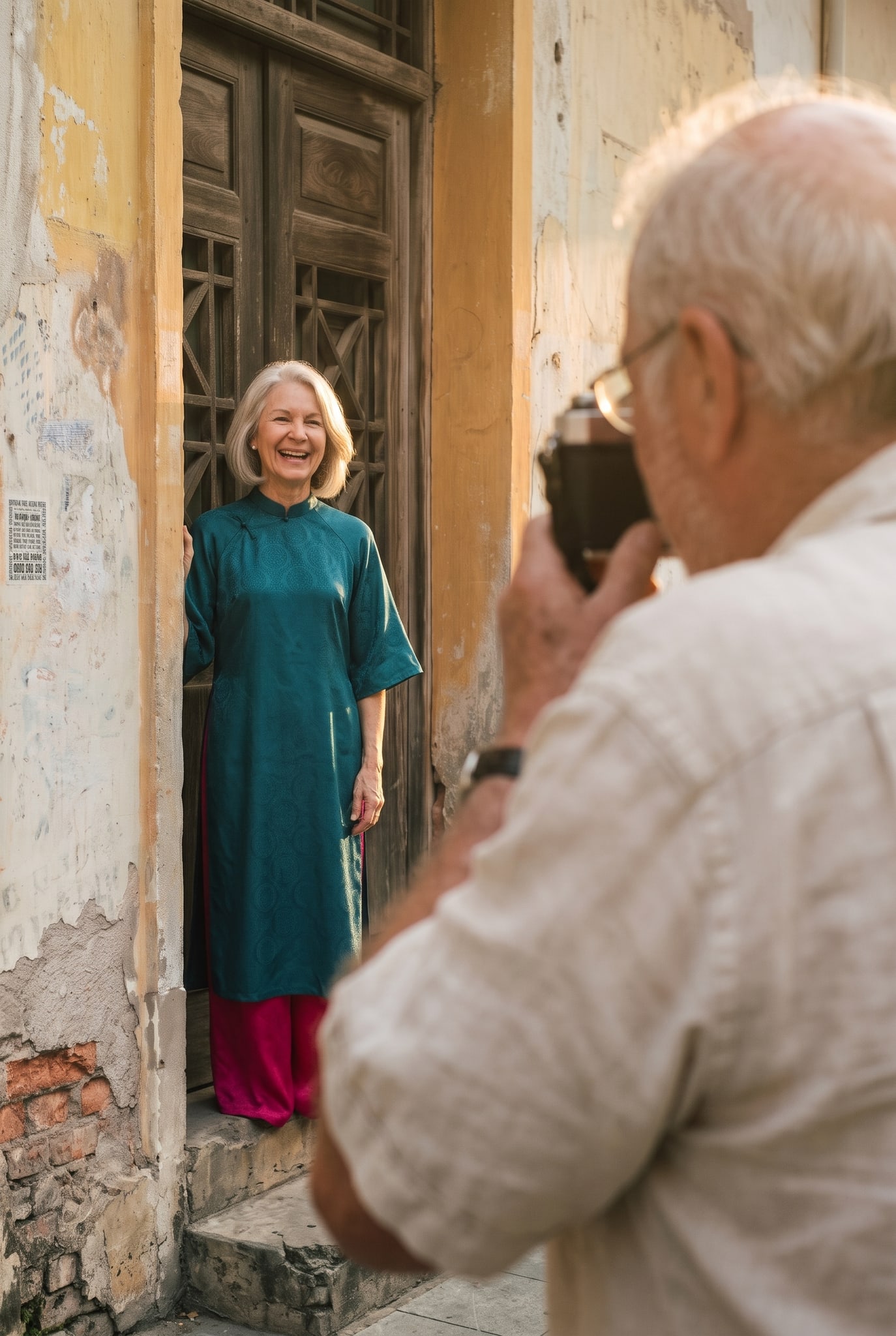
Should I rent or buy an ao dai?
| Option | Best for | Time to own | Upfront cost | Fit guarantee |
|---|---|---|---|---|
| Rent (Ao Dai Diaries) | Tourists, one-time events, uncertain fit | Same day | see packages & prices | Professional tailoring included |
| Buy new (online/tailor) | Residents, frequent wear, exact vision | 2–4 weeks | see packages & prices+ USD | Fitting over multiple visits |
| Buy vintage (street market) | Budget-conscious, experimental | Immediate | see packages & prices | Hit-or-miss; alterations costly |
| Commission custom (master tailor) | Weddings, heirloom wear, perfect fit | 4–8 weeks | see packages & prices+ USD | Unlimited fittings, personal design |
Rent if: you're visiting for under a month, unsure about sizing, or want risk-free wear. Ao Dai Diaries handles all tailoring and returns. Buy if: you live in Vietnam year-round, plan to wear it monthly, or want an heirloom piece. A new silk ao dai with modest embroidery from a reputable tailor costs see packages & prices; hand-embroidered silk bridal versions run see packages & prices+ USD. Buying new also means you'll own it outright—no rental deposit, no return deadline stress.
How does ao dai rental work at Ao Dai Diaries?
Rental is simple: contact us 1–7 days ahead (or same-day if in-stock) via WhatsApp/Zalo +84 338 762 340. We ask your height, bust, waist, and occasion. You arrive for a 20–30 minute fitting where we confirm the tunic length, trouser rise, and chest fit—the ao dai is adjusted on-site by our team. We collect a refundable damage deposit (amount depends on fabric and embroidery) and confirm your pickup/return date. Delivery to your hotel is available in major cities. You wear the ao dai for your event, then return it clean and intact within the agreed timeframe. The deposit is refunded when we inspect the returned garment for damage.
Typical rental timeline:
- Message us your dates & size details
- Confirm availability & final cost
- Arrive for fitting (20–30 min) or hotel delivery arranged
- Pay rental fee + deposit (cash, bank transfer, or card)
- Wear for 2–8 hours up to overnight (confirm with us)
- Return clean & dry; deposit refunded within 1–2 days
Same-day rentals are possible if you're in Hanoi, Saigon, Hoi An, or Da Nang and we have stock in your size. Sizes range XS–XXL; we tailor for most body types. Never rent an ao dai that doesn't fit properly—an ill-fitting tunic dishonors the garment and spoils your photos.
What are the real price differences between cities and styles?
Rental costs vary by city, fabric, and embroidery. Ho Chi Minh City (Saigon) and Hanoi see higher foot traffic, so rental prices tend to be slightly higher than Hoi An or Da Nang—but differences are small. A plain cotton ao dai rents for less than a hand-embroidered silk version. Photoshoot packages combining rental + professional photography are offered at discounted rates. We don't publish exact prices publicly to stay flexible with exchange rates and seasonal demand, but you'll get a transparent quote via WhatsApp within minutes. Historical note: Vietnamese tailors in Hoi An, known as the "tailor capital," often charge less for buying because they own their workshops and minimize overhead—but rental pricing is consistent across all four cities we serve.
Pricing factors:
- Fabric: cotton < silk < silk with gold/silver thread
- Embroidery: none < simple < intricate hand-embroidered
- Occasion: casual wear < wedding < bridal
- City: smaller towns may offer slight discounts vs. Hanoi/Saigon
- Duration: same-day < overnight < multi-day
For a rough comparison: a one-day rental of a quality silk ao dai (modest embroidery) in Hanoi or Saigon costs approximately see packages & prices; a plain cotton version is see packages & prices. Buying that same silk ao dai new from a tailor is see packages & prices. Photoshoot packages bundle rental + professional shots for see packages & prices depending on package length and photographer experience.
📸 Ao dai + photoshoot packages
What should I check before renting or buying?
Before committing, verify these five points:
1. Fit & measurements. Provide honest measurements: height (heel to head), bust (fullest point), waist (natural indent), hip (fullest point), and inseam (crotch to ankle). An oversized ao dai looks sloppy; a too-tight one is uncomfortable and risks tears. Ao Dai Diaries tailors to your exact frame—never skip the fitting.
2. Fabric & care. Cotton ao dai are durable, machine-washable, and affordable; silk requires hand-wash or dry-clean. Ask the rental or seller: "Is this 100% silk, cotton, or a blend?" Silk wrinkles easily and stains show; cotton hides minor marks. If you sweat heavily or worry about accidents, cotton is forgiving.
3. Occasion appropriateness. Pastel or white ao dai suit photoshoots and casual wear. Deep reds, golds, and jewel tones are for weddings and formal events. Embroidered designs signal celebration; plain versions work for temple visits or everyday strolls. Confirm the style matches your reason for wearing it.
4. Return/damage terms. Renters: understand what damage costs refund deduction (stains, tears, seam splits). Buyers: ask the seller about alteration guarantees (if the hem or seams need adjusting after purchase, do they re-do it free?).
5. Cultural respect. The ao dai is a deeply meaningful garment. Never wear it as a costume, for humorous posts, or in ways that mock Vietnamese culture. Respect its history and elegance. If you're unsure whether your planned wear is respectful, ask us—we'll be honest.
---
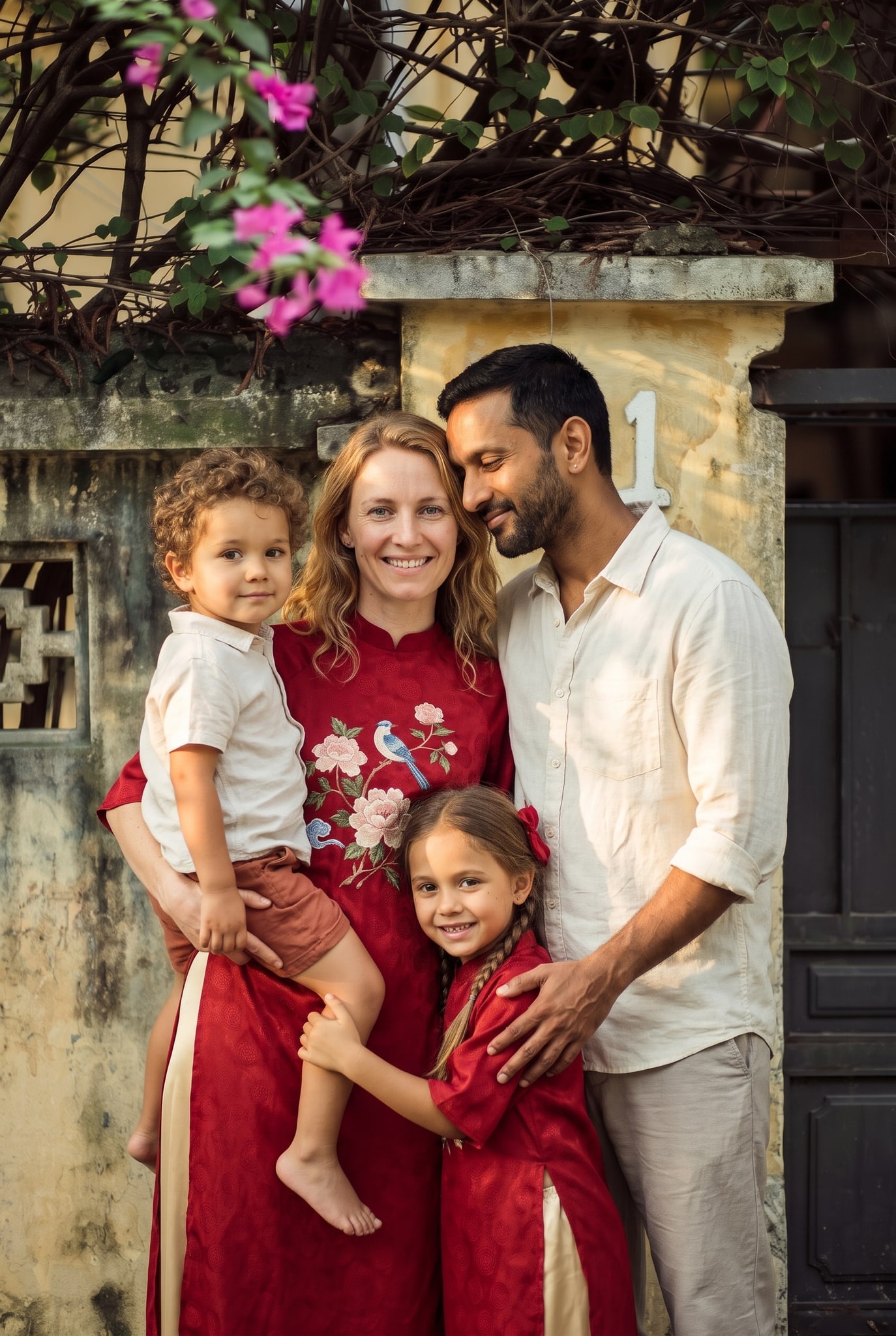
How do sizes work for ao dai, and can alterations fix a poor fit?
The ao dai is tailored, not off-the-rack. Sizes XS–XXL indicate a starting pattern; the actual fit is customized. During rental fitting, we measure your specific frame and adjust the tunic length (from shoulder to ankle), trouser inseam, bust seam, and waist. Small alterations (hem, seam tightening, strap adjustment) take 15–30 minutes; major overhauls (resizing the entire tunic) take a few hours and may incur extra fees. If you're buying, a master tailor will spend 1–3 hours over multiple visits getting every seam perfect. An ao dai that fits poorly will photograph badly and feel restrictive—never settle for "close enough."
Typical alterations during rental:
- Hem tunic length to your height
- Adjust trouser inseam for your leg length
- Tighten or loosen bust seam for your chest
- Taper or widen side slits for your preference
- Strap adjustment for shoulder/armhole comfort
If you're between two sizes or have an unusual body shape (very tall, petite, curvy), mention it when booking—we'll allocate extra fitting time.
Where can I rent an ao dai in each city?
Hanoi: Our Hanoi rental location serves the Old Quarter and central areas. Same-day availability is common; we can deliver to hotels in District 1, Ba Dinh, and Hoan Kiem. Book ao dai rental in Hanoi.
Ho Chi Minh City (Saigon): Our Saigon hub covers Districts 1–7; same-day rentals available most days. Delivery to hotels in District 1 and 3 is included. Book ao dai rental in Saigon.
Hoi An: This UNESCO town is famous for tailors; our Hoi An service includes fitting in the town center. Photoshoots on the riverside and ancient streets are popular. Book ao dai rental in Hoi An.
Da Nang: Our Da Nang location serves the beach city and nearby mountains. Perfect for casual wear during your coastal stay. Book ao dai rental in Da Nang.
Contact us via WhatsApp/Zalo +84 338 762 340 to confirm your city and preferred dates. Same-day slots fill quickly during peak season (Tet, June–September); book at least 1–2 days ahead for guaranteed availability.
---
What is the difference between owning a new ao dai vs. renting one?
Ownership pros: It's yours forever. No return stress, no deposit, no damage charges. You can experiment with styling, wear it monthly or yearly, build a collection. A new silk ao dai is an investment—wear it 10 times and the cost-per-wear drops. You'll learn its care routine and develop a personal relationship with it. Heirloom ao dai can be passed to daughters or grandchildren.
Ownership cons: Upfront cost is steep (see packages & prices+ USD for quality new wear). Storage requires closet space and moth-proofing (silk attracts pests). Dry-cleaning costs accumulate (see packages & prices per clean for silk). If your fit changes or fashion tastes shift, the garment may sit unused. Tailoring mistakes are permanent.
Rental pros: No upfront cost (only a small damage deposit). Zero storage or care responsibility. Instant access to different colors, fabrics, and styles without commitment. Perfect for one-time events or testing if you like wearing ao dai. Ao Dai Diaries handles all tailoring, returns, and cleaning. Ideal for tourists or people trying Vietnamese culture.
Rental cons: You don't own it—must return on time. Damage deposits are held until return inspection. If you fall in love with a rental ao dai, buying a similar one takes time and research. Rental is most economical for single events; frequent wear (4+ times yearly) makes buying cheaper.
For most tourists, renting 1–2 times during a Vietnam trip costs see packages & prices total. Buying a comparable new ao dai costs see packages & prices—worth it only if you'll wear it regularly or want an heirloom.
👗 Rent your ao dai — WhatsApp/Zalo +84 338 762 340
---
How do I style an ao dai for different occasions and seasons?
Photoshoots (urban or nature): Soft pastels (blush, pale green, cream) or jewel tones (emerald, sapphire) photograph beautifully. Embroidered silk with gold thread adds elegance without overwhelming the frame. Pair with simple jewelry: pearl earrings, a delicate bracelet, no heavy necklaces (they compete with the neckline). Hair in a low bun or loose waves; makeup natural and dewy. Avoid makeup that's too heavy—the ao dai is delicate.
Weddings (guest): Deep reds, gold, burgundy, or navy signal festivity and respect. Hand-embroidered silk versions are ideal—show you've invested effort. Add a traditional silk scarf (khăn trm) if it's a formal ceremony. Jewelry can be bolder: gold hoops, layered bracelets, a small clutch in matching silk. Avoid white (bride's color), black (mourning), or overly casual fabrics (cotton looks too casual for a wedding).
Tet & family gatherings: Bright reds and golds are traditional luck colors. New ao dai (unworn before Tet) is auspicious. Silk or high-quality cotton both work. Simpler embroidery is fine—the gesture of wearing ao dai is what matters. Comfort is key; you may wear it 4–8 hours at family dinners. Flat shoes or sandals (you'll remove them indoors); avoid heels unless the event is formal.
Temple visits: Modest, understated colors (cream, pale blue, muted green, soft gray). Plain or lightly embroidered silk. Ensure the tunic fully covers your shoulders; avoid slits that show too much leg. Wear respectfully as a spiritual guest, not a tourist prop. Footwear: easily removed shoes (no heels).
Casual city strolls & tourism: Cotton ao dai in pastels or soft prints are comfortable and washable. Simple embroidery or none. Pair with sandals or flats. A crossbody bag works well. Plan 2–4 hours of wear; longer wear (8+ hours) requires comfort-focused fabric choice (breathable cotton in warm months, thicker silk for cooler weather). Ao Dai Diaries can suggest styles suited to your energy level and weather.
Seasonal tips:
- Hot months (May–Sept): Thin cotton or linen-blend ao dai; pale colors reflect heat; sleeveless or short-sleeve versions exist (ask us).
- Cool months (Nov–Feb): Silk ao dai; deeper jewel tones; heavier embroidery adds visual warmth.
Learn more in our full ao dai styling guide.
---
What mistakes should I avoid when wearing or renting an ao dai?
Sizing mistakes:
- Too loose: Looks sloppy, photographs poorly, feels shapeless. Always get fitted.
- Too tight: Seams split, movement is restricted, photos show strain. Honest measurements prevent this.
Care mistakes (after wearing):
- Machine washing silk: Shrinking, color bleeding, seam damage. Hand-wash only or dry-clean.
- Leaving stains unwashed: They set permanently. Spot-clean immediately after wear.
- Storing in plastic: Silk needs air circulation. Fold in tissue paper, cedar block in drawer.
Occasion mistakes:
- White ao dai to a wedding guest event: White is for brides; you'll offend the bride.
- Cotton ao dai to a formal wedding: Looks too casual; wrinkles easily under photo lights.
- Plain cotton to a Tet celebration: Tet deserves silk or embroidered versions—wear something special.
Rental mistakes:
- Overdue return: Damage deposits may be forfeited; Ao Dai Diaries may charge late fees.
- Returning stained or damaged: Photos damage costs are deducted from your deposit. We understand accidents, but honesty matters.
- Ignoring fitting advice: If the tailor says "this tunic is too big for you," trust them. A poor fit ruins your experience.
Cultural mistakes:
- Wearing it as a costume: Halloween, themed parties, or humorous contexts disrespect the garment.
- Inappropriate posing: Suggestive, mocking, or irreverent photos trivialize Vietnamese heritage.
- Combining it with disrespectful clothing: Pair ao dai with modest bottoms and neutral jewelry; never mix it with beach wear, logos, or band tees.
📍 See rental by city
---

Frequently asked questions
Is the ao dai only for special occasions, or can I wear it for everyday activities?
Traditionally, ao dai is formal wear—reserved for celebrations, work, or cultural respect. Modern Vietnam sees ao dai worn casually by some locals, but as a visitor, wearing it for everyday strolls shows thoughtfulness. Hanoi and Hoi An welcome tourists in ao dai; it's a sign of respect and interest in culture. Avoid wearing it carelessly (to nightclubs, bars, or in ways that mock tradition). Keep wear purposeful: photoshoots, temple visits, family dinners, or cultural events.
Can I alter a rented ao dai if it doesn't fit perfectly?
Yes. Ao Dai Diaries includes fitting and on-site alterations as part of rental. During your fitting appointment, we adjust the hem, trouser length, bust seam, and side slits to your exact frame. Major alterations (full resizing) take 1–3 hours; minor tweaks (hem, strap) take 15–30 minutes. All alterations are included in your rental cost. We never send you out in a poorly fitted ao dai; our team's reputation depends on you looking beautiful.
What is the damage deposit, and what deductions are common?
The damage deposit is a refundable amount held during rental—typically see packages & prices–see packages & prices depending on fabric quality and embroidery. It protects Ao Dai Diaries against major damage: large rips (beyond 2 inches), permanent stains (wine, oil, makeup), seam separations, or lost embellishments. Minor wear (a small thread pull, light wrinkle, faint mark) is normal and not charged. We inspect and photograph returned ao dai; if damage is found, we deduct repair costs and return the remainder. Most rentals result in a full deposit return.
How long can I rent an ao dai, and are there overnight or multi-day options?
Standard rental is 4–8 hours (perfect for photoshoots or events). Overnight rental (return next morning) and multi-day rental (up to 3 days) are available—rates scale slightly for longer durations. Contact us via WhatsApp +84 338 762 340 to confirm. Longer wear requires extra care: keep the ao dai in a garment bag when not wearing it, avoid folding it tightly, and wash stained areas immediately. We clean and return everything upon pickup; you're not responsible for dry-cleaning.
What is the best time of year to rent an ao dai in Vietnam?
Peak seasons are Tet (late January–early February), summer holidays (June–August), and autumn (September–October). Availability is best during low season (March–May, November–December) when fewer tourists are booking. For guaranteed same-day availability, contact us 1–2 days ahead; Tet and peak months require 3–7 days' notice. Off-season rental often means better pricing negotiation and less crowded photoshoot locations (like Hoi An's ancient town).
Can I buy an ao dai from Ao Dai Diaries, or do you only offer rental?
We specialize in rental to keep costs low for travelers. However, we work with trusted master tailors across Hanoi, Saigon, Hoi An, and Da Nang who can create custom new ao dai or refer you to reputable sellers. If you're interested in buying during your rental experience, ask us during your fitting—we'll connect you with tailors or shops. A new custom ao dai takes 2–4 weeks; purchase during a trip if you're relocating or staying long-term.
Dozens of colours, all sizes XS–XXL, delivered to your hotel in Hanoi, Saigon, Hoi An or Da Nang. One WhatsApp or Zalo message.
More guides
You might also like
The ao dai is Vietnam's iconic silk dress, worn for celebrations and formal occasions. Ao Dai Diarie
May is Vietnam's hottest month before monsoon season. We'll help you choose the right outfit—whether
December weather in Vietnam is cool and dry—ideal for wearing the ao dai. Here's what suits the seas