guide/ao-dai
Traditional Vietnamese Dresses: Ao Dai Rental Guide & Styles
Ao Dai Diaries team · All guides →
Traditional Vietnamese dresses center on the ao dai: a long, high-collared tunic paired with silk trousers, worn by women (and increasingly men) for formal, cultural and celebratory occasions. The garment is hand-cut and sewn in cotton, silk or linen blends; modern rental services at Ao Dai Diaries offer fits from XS to XXL with fittings in major cities. Rental typically includes a tunic, trousers and sometimes a silk scarf (khăn); deposits and same-day delivery to hotels are standard. Costs vary by fabric and occasion—photoshoot rentals are usually shorter-term and lower-cost than wedding or ceremonial pieces. Key: respect the ao dai as sacred dress; avoid stains, and always confirm sizing at fitting to prevent last-minute issues. For specific city availability and booking, contact us on WhatsApp/Zalo +84 338 762 340. 👗 Rent your ao dai — WhatsApp/Zalo +84 338 762 340 | 📍 See rental by city ---
What's the difference between ao dai fabric types?
The ao dai comes in silk, cotton, linen and synthetic blends. Silk—the traditional choice—drapes elegantly and feels luxurious but requires careful handling and costs more. Cotton is breathable, easier to care for and suits everyday celebrations; linen offers a structured, artisanal look. Synthetic blends are durable and affordable, ideal for travelers who worry about damage. When renting, ask which fabric suits your event: silk for formal weddings, cotton for photoshoots, synthetics for all-day comfort. Your choice depends on budget, climate and how you'll wear it.
📸 Ao dai + photoshoot packages
---

How do you know which ao dai style fits your occasion?
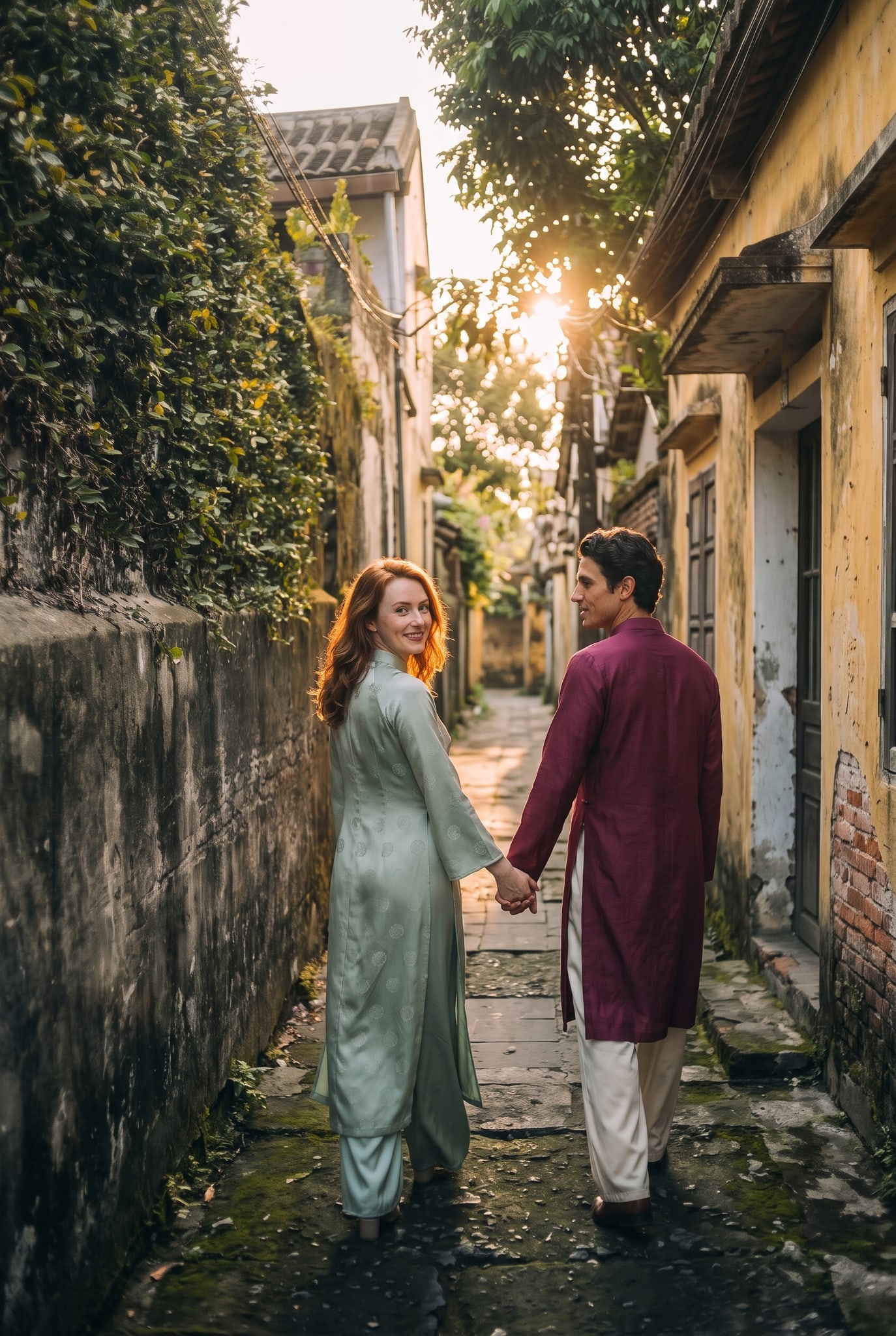
Ao dai tailoring varies by region and formality. Classic Hanoi styles feature high collars and fitted bodices in jewel tones or white; Saigon versions embrace bolder colors and looser silhouettes. Wedding ao dai are heavily embroidered, often with gold thread and beading. Photoshoot rentals favor modern pastel silks or printed cottons for visual pop. Tet and graduation pieces blend tradition with contemporary cuts. Before booking, check your event's dress code and venue—formal celebrations demand silk, while casual photoshoots allow creative fabrics. Rental services match you to the right style based on occasion.
---
What's included in a standard ao dai rental?
A typical rental package covers the tunic (áo), matching trousers (quần), and often a silk scarf (khăn). Some shops include undergarments, jewelry or hair accessories depending on your event and package tier. Fitting appointments are free; same-day delivery to hotels is standard in Hanoi, Saigon, Hoi An and Da Nang. Rental periods range from a few hours (photoshoots) to multi-day (weddings, Tet celebrations). Deposits—usually refundable—secure your booking; damage policies vary by shop, so clarify before renting. Always ask what's included before committing.
---
How does ao dai sizing work for international renters?
Ao dai is made-to-measure or semi-custom; sizes range XS to XXL to fit diverse body types. International travelers often worry about fit—this is solved by in-person fitting appointments at rental locations in major cities. Staff measure your height, bust, waist and hip, then adjust the piece (hem length, shoulder seam, waist taper) within 24–48 hours. If same-day fitting isn't possible, many rental services measure via video call and ship adjusted pieces to your hotel. Always book fittings at least 3–5 days before your event to allow for alterations.
📍 See rental by city | ℹ️ How rental works
---
What are the main mistakes renters make—and how to avoid them?
Common errors: (1) booking too late, leaving no time for fitting; (2) ignoring fabric care instructions (silk stains easily, doesn't dry-clean fast everywhere); (3) underestimating how much movement matters—wear the ao dai around your hotel room first; (4) not clarifying damage policies before signing; (5) forgetting that the ao dai is a respected cultural dress, not a costume (never mock it, avoid inappropriate photos). Solution: book 1–2 weeks ahead, confirm all inclusions and policies in writing via WhatsApp, do a fitting, and treat the garment as you would a borrowed family heirloom.
---
When should you rent vs. buy an ao dai?
| Scenario | Rent or Buy? | Cost Basis | Best For |
|---|---|---|---|
| First-time visitor, one photoshoot | Rent | Hours to 1 day, lower deposit-based fee | Casual travelers, minimal commitment |
| Multiple events in Vietnam (Tet, wedding, photoshoot) | Rent | 3–7 days per event, flexible refund | Tourists staying 2+ weeks |
| Getting married in ao dai | Buy custom | Higher investment, keeps piece forever | Brides, grooms, family heirlooms |
| Weekly ao dai cultural classes | Buy | Lower cost-per-wear over months | Expats, long-term residents |
| "I'll never wear it again" mindset | Rent | Lowest cost, zero storage | Solo travelers, one-off events |
Renting is almost always smarter for visitors: no shipping headaches, instant local fitting, and expert laundering included. Buying makes sense only if you plan 10+ wearings or want a keepsake.
---
Where can you rent traditional Vietnamese dresses by city?
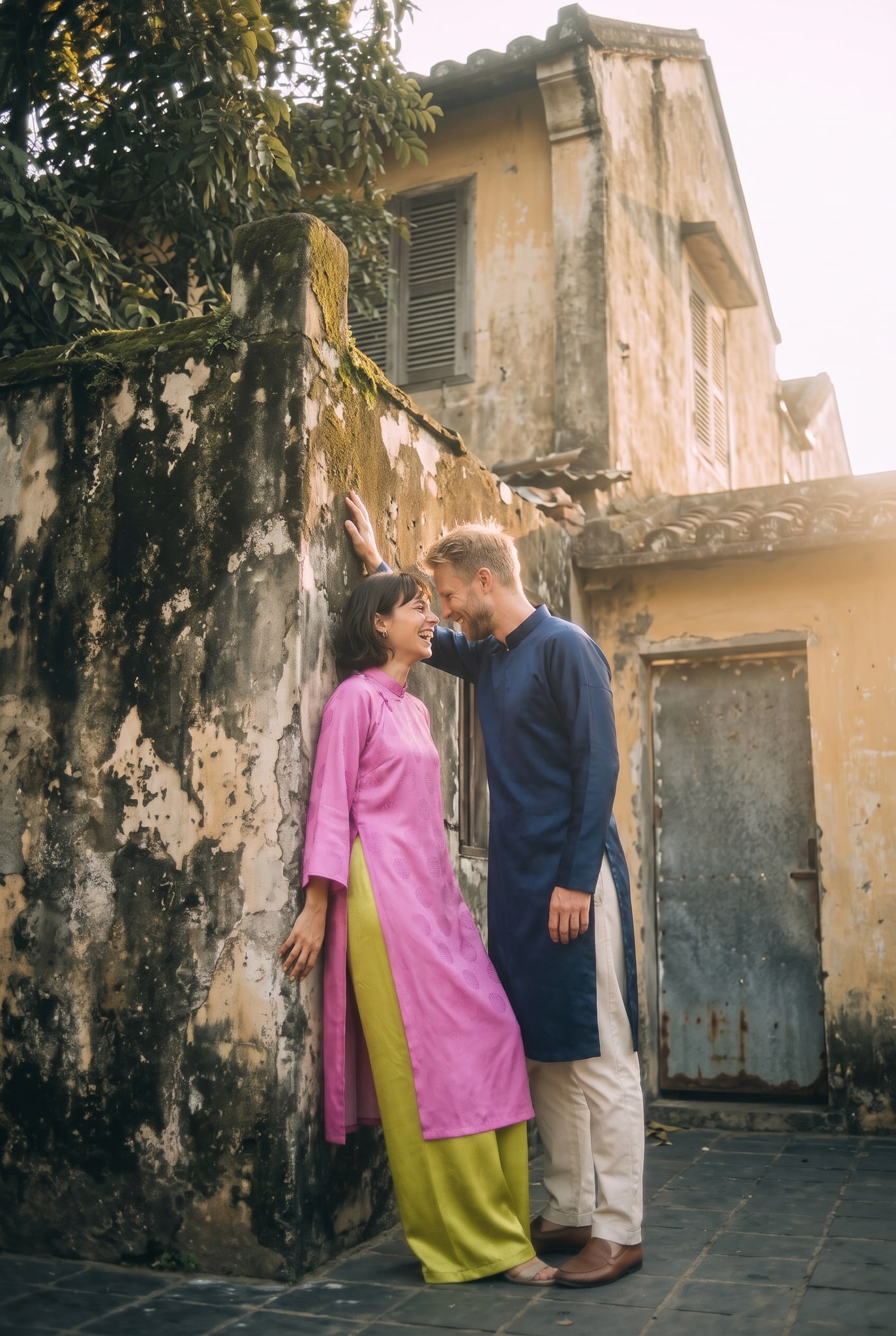
Hanoi rental locations specialize in classic, formal ao dai; north Vietnam's preference for white and jewel tones dominates. Saigon shops stock modern, colorful designs and rapid same-day alterations. Hoi An is the tailoring heartland—expect premium custom work and heritage-conscious styles. Da Nang offers beach-friendly, lighter fabrics for casual celebrations. Check city pages for specific neighborhoods, fitting hours and delivery zones. Booking 48 hours ahead ensures availability; 1 week is ideal for custom fits.
👗 Rent your ao dai — WhatsApp/Zalo +84 338 762 340
---
What's the real cost of renting an ao dai?
Pricing depends on fabric, event and rental length. Standard photoshoot rentals range from modest to mid-tier; wedding and Tet packages cost more due to embroidery and premium silks. Deposits are refundable; late-return or damage fees apply per policy. Currency: most shops quote in VND; conversions to USD are for reference only. Do not assume prices online—contact Ao Dai Diaries directly on WhatsApp/Zalo +84 338 762 340 for current rates, your city and your specific occasion. Transparency on costs appears after you share details.
---
How should you care for a rented ao dai during and after your event?
During wear: avoid food/drink spills, don't sit aggressively (the tunic drapes, not compresses), and keep perfume, sunscreen and makeup off the fabric. If you sweat, wipe stains gently with a damp cloth, don't scrub. After your event, return the piece as soon as possible—the sooner the rental shop can launder it, the easier stain removal. For rented pieces, the shop assumes standard care and minor wear; major damage (tears, permanent stains) may incur fees. Treat borrowed ao dai like a museum piece: precious, borrowed, cherished.
---
Comparison: Ao Dai vs. Other Traditional Vietnamese Dress Options
While the ao dai dominates, Vietnam also has regional alternatives. The áo tứ thân (four-panel tunic, older style) and áo yếm (embroidered undershirt) are worn in specific rural contexts or by elder generations. For modern celebrations, tourists and locals choose ao dai because it's recognized, versatile and beautifully photogenic. Rental services focus on ao dai because demand is highest; other styles are niche, harder to fit and rarely available for short-term rental. If you're curious about lesser-known traditional dress, ask your rental stylist—they may recommend museums or cultural centers instead.
📸 Ao dai + photoshoot packages | ℹ️ Full rental guide
---
What to Check Before You Book Your Ao Dai Rental
- Event date and duration: photoshoot (hours), celebration (day), multi-day event (Tet).
- Exact dress code: formal, semi-formal, casual, ceremonial.
- Your measurements: height, bust, waist, hip (shops may ask for photos or video fitting).
- City preference: confirm rental shop location and delivery zone.
- Fabric preference: silk (luxury, fragile), cotton (practical), synthetic (affordable).
- Deposit amount and refund policy: what's refundable, what isn't, damage fees.
- Inclusions: tunic, trousers, scarf, jewelry, shoes, alterations, insurance.
- Timing: book 1–2 weeks ahead; same-day rentals may limit choice.
- Damage policy: what counts as normal wear vs. damage; costs.
- Return process: drop-off location, extension options, late fees.
Ask all these before signing anything. Transparency saves stress and money.
---
Frequently asked questions
Can I rent an ao dai if I'm visiting Vietnam for just a few days?
Yes. Most rental shops offer same-day or next-day fitting and same-day delivery to hotels. For a 3–5 day visit, book at least 2 days before your event to allow fitting time. Express rentals for photoshoots can happen same-day in major cities.
What if the rental ao dai doesn't fit perfectly after fitting?
Rental shops tailor pieces on-site or overnight. If you discover fit issues (hem too long, shoulder seam off) at pickup, alert the shop immediately—most offer free last-minute adjustments. Never leave for your event if you're uncomfortable; ask for a re-fit.
Are there age or body type restrictions for renting an ao dai?
No. Ao dai rental serves all body types (XS–XXL) and all ages (children to seniors). The garment is designed to flow and drape; skilled tailors adjust length, width and neckline to flatter your frame. Always attend a fitting to confirm.
Can I wear an ao dai as everyday casual wear, or is it only for special occasions?
Traditionally, ao dai is formal or ceremonial. However, modern Vietnamese culture embraces wearing ao dai for photoshoots, cultural events, and even daily wear in cities. Rental is perfect for tourists exploring in ao dai; locals may wear it 1–2 times weekly for cultural pride or tourism. Respect the dress's heritage; avoid irreverent photos or mockery.
What happens if I damage a rented ao dai? Will I have to pay a huge fine?
Most rental shops have damage policies: minor stains, small tears or loose threads are considered normal wear and covered. Major damage (large rips, permanent stains, lost pieces) may incur repair or replacement fees. Clarify your shop's policy in writing before renting. Many shops include damage insurance or a small damage waiver in the rental fee.
Can I have an ao dai custom-made and shipped to the US if I fall in love with one?
Yes, many Vietnamese tailoring shops ship internationally; standard US delivery takes 5–10 days. However, Ao Dai Diaries focuses on rental experiences in Vietnam, not international shipping. Contact your rental shop's tailor directly if you'd like to commission a custom piece after your trip.
Is there a difference between renting a modern printed ao dai vs. a traditional embroidered one?
Yes. Traditional embroidered silk ao dai (heavy gold/silver threading) are premium, formal and often rented for weddings or Tet. Modern printed cotton or synthetic ao dai are lighter, easier to care for, and popular for photoshoots. Choose based on event formality and your personal style—both are authentic and respectful when worn appropriately.
How early should I book if I'm visiting during Tet?
Book 2–4 weeks ahead for Tet (lunar new year, typically January–February). Demand surges during this period; premium pieces and fittings fill quickly. Last-minute bookings during Tet may have limited stock and higher fees.
Dozens of colours, all sizes XS–XXL, delivered to your hotel in Hanoi, Saigon, Hoi An or Da Nang. One WhatsApp or Zalo message.
More guides
You might also like
The ao dai is Vietnam's iconic silk dress, worn for celebrations and formal occasions. Ao Dai Diarie
May is Vietnam's hottest month before monsoon season. We'll help you choose the right outfit—whether
December weather in Vietnam is cool and dry—ideal for wearing the ao dai. Here's what suits the seas