packages
Traditional Vietnamese Wedding Ao Dai: Rent vs. Buy Guide 2026
Ao Dai Diaries team · All guides →
A traditional Vietnamese wedding ao dai is a floor-length tunic paired with tailored trousers, worn by brides, grooms, and wedding guests as formal ceremonial dress. The garment's formality, embroidery density, and fabric quality differ sharply from casual versions. You can rent one for a single event (same-day to multi-day) or commission/buy a custom or ready-made piece. Rental costs from Ao Dai Diaries depend on embroidery and silk grade; buying ranges from budget ready-made to premium custom (typically several million VND). Renting suits one-time guests and budget-conscious families; buying makes sense for brides or those attending multiple Vietnamese events. Before booking, confirm your city location, wedding date, and whether the style matches the groom's family's region—Northern, Central, or Southern ao dai carry different traditions. Contact Ao Dai Diaries on WhatsApp/Zalo +84 338 762 340 for fitting details, deposit terms, and current availability.
---
What is the difference between a wedding ao dai and everyday wear?
Wedding ao dai feature heavier silk, intricate hand-embroidered or beaded bodices, and structured tailoring. Everyday versions use lighter cotton or synthetic blends and minimal decoration. Wedding pieces often display symbolic motifs—phoenix for brides, cranes for longevity, peonies for prosperity—reflecting family wishes. The fabric weight (silk dupioni or crepe) and seam quality are noticeably superior in formal versions. Everyday ao dai prioritize comfort and washability; wedding ao dai prioritize presence and heirloom durability. This distinction affects both rental cost and longevity. Wedding ao dai command premium rental rates and resale value because they serve as once-in-a-lifetime keepsakes or multi-generational heirlooms for families.
📸 Ao dai + photoshoot packages
---
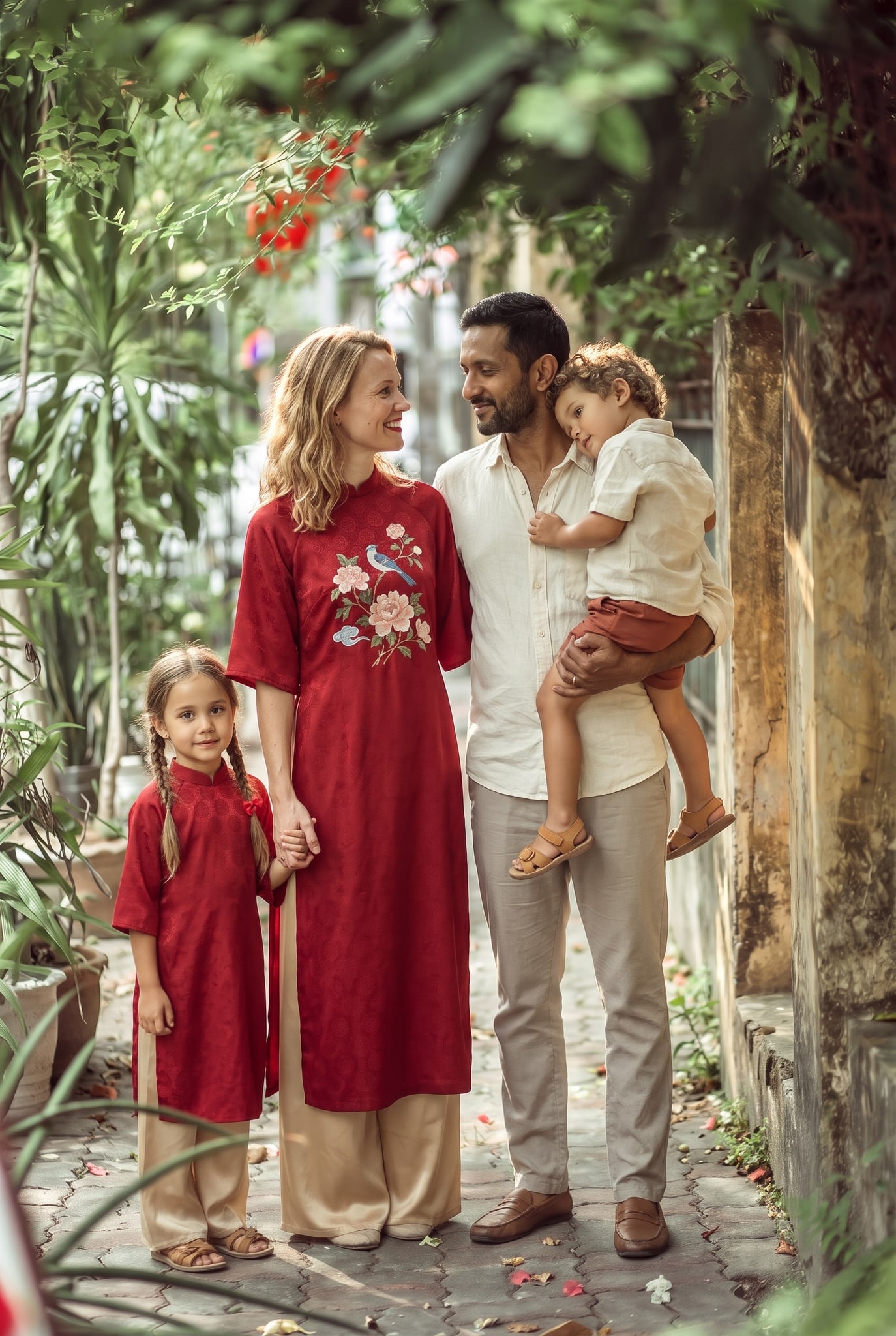
Should you rent or buy a wedding ao dai?
| Factor | Rent | Buy | Best For |
|---|---|---|---|
| Upfront cost | Low deposit + rental fee | High (custom or quality ready-made) | Budget guests; first-time wearers |
| Time to event | 3–7 days; same-day available | 4–12 weeks (custom) | Last-minute invites; planned weddings |
| Sizing | Fitted to your body (XS–XXL) | One-time fit or tailoring cost | Variable body changes; indecisive fit |
| Reusability | Once per rental | Multiple events, Tet, future weddings | Brides; frequent ceremony attendees |
| Storage/care | None (returned after wear) | Dry cleaning, preservation costs | Minimal space or care tolerance |
| Customization | Limited color/style choice | Full embroidery, monogram, region-specific design | Bridal vision; family heirloom intent |
Renting through Ao Dai Diaries makes sense if you're a wedding guest attending one or two events per year and lack storage space. Buying justifies itself if you're a bride, expect to wear traditional dress 2+ times annually, or want a piece reflecting your family's heritage region. Rental involves a refundable deposit and rental fee due at fitting; buying requires upfront payment and weeks of lead time or a ready-made inventory search. The break-even point occurs around 3–4 rentals per year—after that, buying becomes financially competitive.
---
How do regional styles affect your choice?
Northern Vietnamese ao dai (Hà Nội style) feature white or cream silhouettes with subtle gold or silver embroidery on the bodice and shoulders. Central ao dai (Huế style) showcase richer colors—blush, champagne, soft gold—with denser, more elaborate floral patterns reflecting royal court influence. Southern ao dai (Sài Gòn style) embrace bolder colors, looser fits, and modern embellishments while maintaining traditional structure.
Your choice depends on the groom's family region and wedding location. A bride marrying into a Huế family typically wears a Central-style ao dai as a sign of respect; Northern families often favor understated elegance. If you're unsure, ask the groom's family or wedding planner which style is expected. Renting lets you match the regional aesthetic without committing to ownership; buying a piece tied to one region limits versatility across future events.
Ao Dai Diaries staff in Hà Nội, Hồ Chí Minh City, Huế-adjacent Da Nang, and Hội An can advise on regional styling. If you're traveling from abroad, clarifying this before booking prevents last-minute style mismatches.
---
What's the rental process and how long does fitting take?
Booking starts with a WhatsApp/Zalo message to +84 338 762 340 including your city, wedding date, size range (XS–XXL), and style preference. Ao Dai Diaries confirms availability and suggests 2–3 rental options. You then book a fitting appointment (30–45 minutes in-person or via video if remote).
At fitting, the stylist takes your bust, waist, hip, and length measurements, checks the current ao dai against your body, and notes any adjustments (hem, sleeve taper, shoulder width). You pay a refundable deposit (amount confirmed at booking) and rental fee (varies by embroidery complexity and silk grade). Same-day rental is possible for urgent bookings; multi-day rental (24–72 hours) accommodates rehearsal dinners, ceremony, and photos.
After wear, you return the ao dai within the agreed window—laundering by Ao Dai Diaries is included. Your deposit refunds within 3–5 business days if the garment is returned undamaged. For destination weddings, hotel or venue delivery is available in major cities. The entire process, from first contact to wearing, typically spans 5–7 days; rush bookings of 48 hours are possible depending on size availability.
---
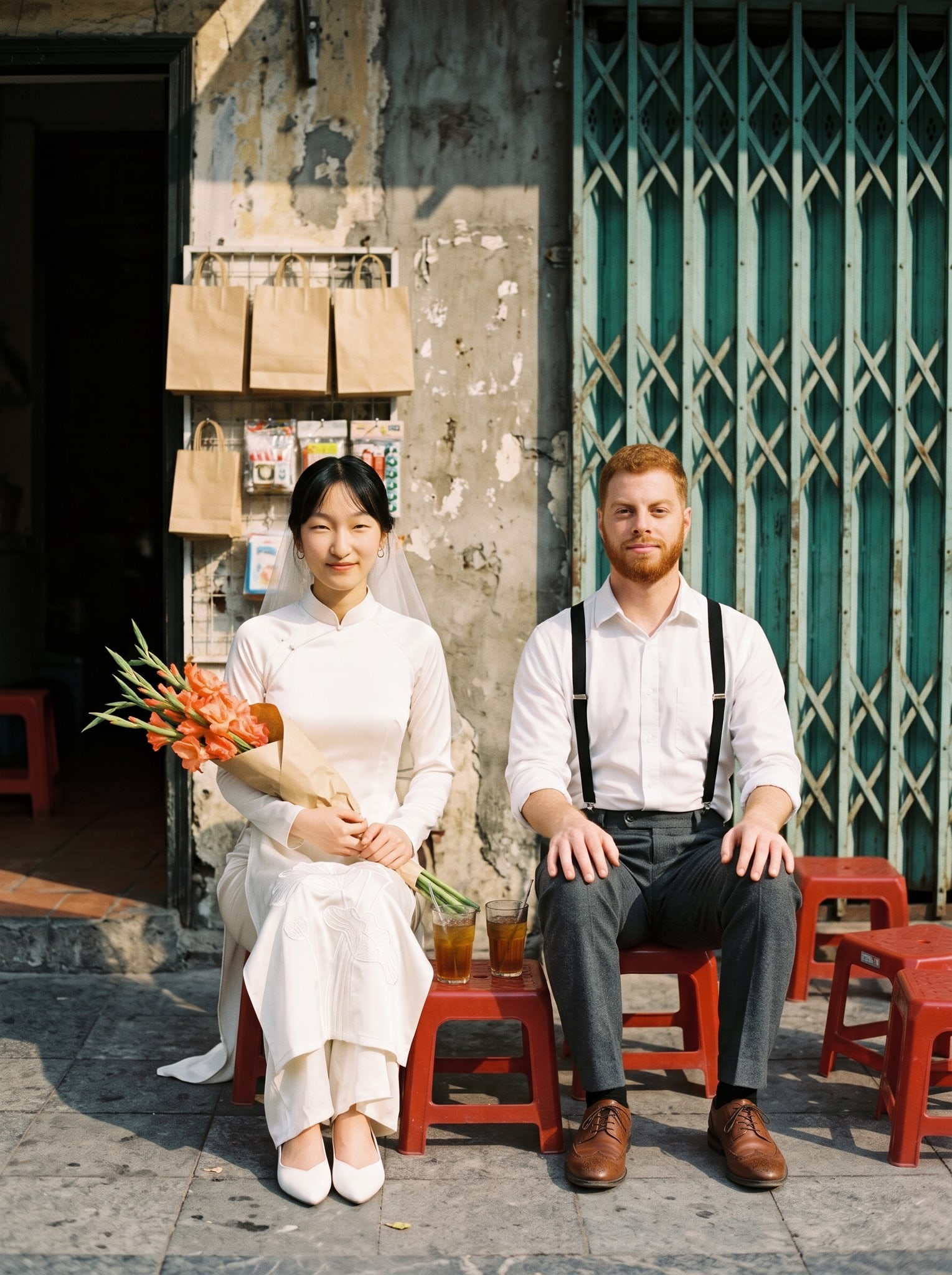
What should you check before booking a wedding ao dai rental?
Before confirming, verify these five points:
- Availability by date & size: Wedding season (Nov–Jan, June–Aug) fills quickly. Confirm your size is in stock for your rental window.
- Regional style & groom's family expectation: Ask the wedding planner or groom's mother which ao dai style (Northern, Central, Southern) and color (white, cream, blush, gold) align with family tradition.
- Delivery & fitting location: If traveling from overseas, confirm whether Ao Dai Diaries can deliver to your hotel in Hanoi, Saigon, Hội An, or Da Nang. Video fitting is an option for remote clients.
- Deposit terms & cancellation policy: Clarify the refundable deposit amount, when it's due, and the cancellation deadline (typically 7 days prior to rental).
- Damage policy & care instructions: Understand what constitutes "normal wear" vs. chargeable damage (large stains, tears, broken beads). Ask for written care instructions to avoid cleaning mishaps.
Ask these questions upfront to avoid surprises. Message Ao Dai Diaries directly—written confirmation prevents miscommunication.
👗 Rent your ao dai — WhatsApp/Zalo +84 338 762 340
---
How do you style a wedding ao dai for different roles (bride, groom, guest)?
Bride: Wears the most elaborate ao dai—highest silk quality, densest embroidery (phoenix, peonies, cranes), often in white, cream, or blush. Hair is traditionally styled with gold or pearl accessories (combs, pins). Makeup is minimal and formal. Gold jewelry (earrings, bracelets) complements the garment; rings are worn but keep them understated. Shoes are flat or low heels in matching or neutral tones (no loud colors).
Groom: Traditionally wears a matching or complementary ao dai in darker tones (cream, soft gold, champagne) with less ornate embroidery than the bride's. Some grooms in modern weddings wear Western formal wear instead. If renting an ao dai, coordination with the bride's color and embroidery style is essential.
Guests (female): Wear moderate embroidery, lighter than bride's but richer than casual wear. Colors include pastels, blush, pale gold, or jewel tones (sapphire, emerald). Avoid white (bride's color) and black (funeral associations). Hair and makeup can be more contemporary than bride's formal style.
Guests (male): Wear a simpler ao dai or traditional long-sleeved shirt (áo sơ mi) with trousers. Embroidery is minimal. Colors are neutral or complementary to the overall wedding palette.
The rental guide on Ao Dai Diaries breaks down these roles visually. Clarify your role when booking—stylist suggestions differ for bride, groom, and guest.
---
What's the honest cost breakdown for renting vs. buying?
Renting a wedding ao dai: Deposit (refundable, typically a modest percentage of rental fee) + rental fee (depends on embroidery density, silk grade, and rental duration). Same-day or 3-day rental is standard. Rental is designed for guests and one-time wearers—it's affordable and hassle-free.
Buying ready-made: Quality ready-made pieces (lower embroidery) start lower; premium ready-made (moderate embroidery, good silk) cost more. Search ao dai collections to see current range.
Buying custom-commissioned: Premium custom ao dai with hand-embroidery, monogramming, or region-specific beading take 4–12 weeks and require upfront payment (typically 50% deposit, 50% on completion). Prices reflect artisan labor and silk quality.
What NOT to compare: Don't compare a rental ao dai to a budget fast-fashion ao dai bought online cheaply—quality, fit, and durability differ vastly. Rental ao dai are professionally maintained; cheap purchases often look stiff and fade after one wear.
If this is your first Vietnamese wedding, rent. If you plan to attend Tet, future weddings, or formal events every 1–2 years, buying pays for itself. For brides, buying (custom or high-quality ready-made) is standard—the ao dai becomes an heirloom.
---
What are common rental mistakes and how to avoid them?
Mistake 1: Booking too late (within 48 hours of event). Solution: Contact Ao Dai Diaries at least 5–7 days in advance. Peak season (Nov–Jan, June–Aug) fills quickly—book early.
Mistake 2: Wrong size assumption. Solution: Get professionally measured at fitting, not from home. Ao dai fit is highly personal; XS–XXL ranges exist, but inches matter. Video fitting is available if you're remote.
Mistake 3: Ignoring regional style. Solution: Ask the groom's family or wedding planner which ao dai style (Northern, Central, Southern) is appropriate before booking. Renting the "wrong" region's style, while not taboo, can feel out of place.
Mistake 4: Not checking return deadline. Solution: Clarify rental duration and return window at booking. Late returns may incur additional charges (rare but possible).
Mistake 5: Wearing an unreturned or dirty garment carelessly. Solution: Read care instructions provided by Ao Dai Diaries. Normal wear (light sweat, minor wrinkles) is expected; large stains or tears trigger damage fees. A quick dress bag is provided—use it when storing between events.
Mistake 6: Forgetting to budget for shoes & accessories. Solution: Ao dai rental covers the tunic and trousers; shoes, jewelry, and hair accessories are separate. Plan an additional small budget for these items (they're inexpensive but often overlooked).
Contact Ao Dai Diaries early and ask questions—communication prevents regrets.
Frequently asked questions
Can I rent an ao dai for a destination wedding if I live overseas?
Yes. Ao Dai Diaries offers hotel delivery in Hanoi, Ho Chi Minh City, Hoi An, and Da Nang. Video fitting is available; ship measurements and fitting notes to +84 338 762 340 via WhatsApp/Zalo. Same-day or multi-day rental can be arranged in-country.
What sizes does Ao Dai Diaries carry?
Rental inventory ranges from XS to XXL. Sizes are fitted individually at appointment. If your size is unavailable for your date, custom rushing or nearby-size adaptation may be discussed—contact directly.
How is a rental ao dai laundered after wear?
Ao Dai Diaries handles professional dry cleaning or hand-washing as part of the rental. You return the worn ao dai; Diaries cleans and restocks it. No laundry cost to you.
Can I request a specific embroidery color or motif in a rental?
Rental options are pre-made and limited. If you need exact customization (e.g., phoenix in gold vs. silver, or specific motifs), buying or custom-commissioning is better. Rental offers style variety but not made-to-order flexibility.
What happens if I damage the ao dai during rental?
Minor wear (light stains, loose threads) is normal and covered. Major damage (large tears, set-in stains, broken beads/sequins) may incur a repair charge. Damage terms are clarified at booking. A dress bag and care sheet are provided to minimize risk.
Is it cheaper to rent multiple times per year or buy once?
If attending 2–3 Vietnamese events annually, break-even favors buying after year one. If attending fewer than 2 events, renting remains cheaper. Check Ao Dai Diaries packages for your frequency and decide accordingly.
How far in advance should I book for a large wedding?
Book 3–4 weeks in advance for peak season (Nov–Jan, June–Aug). Off-season (Feb–May, Sep–Oct) allows 1–2 weeks' notice. Last-minute (48 hours) is possible if your size is available.
Do I need to match the bride's ao dai color or style?
As a guest, no—avoid only white (bride's traditional color) and black (funeral). Central and Southern brides often wear cream or blush; guests wear pastels or jewel tones. Ask the wedding planner if unsure. Rental gives flexibility to choose a flattering shade.
Frequently asked questions
Can I rent an ao dai for a destination wedding if I live overseas?
Yes. Ao Dai Diaries offers hotel delivery in [Hanoi](/hanoi), [Ho Chi Minh City](/ho-chi-minh-city), [Hoi An](/hoi-an), and [Da Nang](/da-nang). Video fitting is available; ship measurements and fitting notes to +84 338 762 340 via WhatsApp/Zalo. Same-day or multi-day rental can be arranged in-country.
What sizes does Ao Dai Diaries carry?
Rental inventory ranges from XS to XXL. Sizes are fitted individually at appointment. If your size is unavailable for your date, custom rushing or nearby-size adaptation may be discussed—contact directly.
How is a rental ao dai laundered after wear?
Ao Dai Diaries handles professional dry cleaning or hand-washing as part of the rental. You return the worn ao dai; Diaries cleans and restocks it. No laundry cost to you.
Can I request a specific embroidery color or motif in a rental?
Rental options are pre-made and limited. If you need exact customization (e.g., phoenix in gold vs. silver, or specific motifs), buying or custom-commissioning is better. Rental offers style variety but not made-to-order flexibility.
What happens if I damage the ao dai during rental?
Minor wear (light stains, loose threads) is normal and covered. Major damage (large tears, set-in stains, broken beads/sequins) may incur a repair charge. Damage terms are clarified at booking. A dress bag and care sheet are provided to minimize risk.
Is it cheaper to rent multiple times per year or buy once?
If attending 2–3 Vietnamese events annually, break-even favors buying after year one. If attending fewer than 2 events, renting remains cheaper. Check [Ao Dai Diaries packages](/packages) for your frequency and decide accordingly.
How far in advance should I book for a large wedding?
Book 3–4 weeks in advance for peak season (Nov–Jan, June–Aug). Off-season (Feb–May, Sep–Oct) allows 1–2 weeks' notice. Last-minute (48 hours) is possible if your size is available.
Do I need to match the bride's ao dai color or style?
As a guest, no—avoid only white (bride's traditional color) and black (funeral). Central and Southern brides often wear cream or blush; guests wear pastels or jewel tones. Ask the wedding planner if unsure. Rental gives flexibility to choose a flattering shade.
Dozens of colours, all sizes XS–XXL, delivered to your hotel in Hanoi, Saigon, Hoi An or Da Nang. One WhatsApp or Zalo message.
More guides
You might also like
A Vietnamese wedding calls for respect, beauty, and cultural awareness. The ao dai—Vietnam's iconic
A Vietnamese wedding áo dài for men is a formal, floor-length tunic paired with trousers—steeped in
A groom's ao dai is the centerpiece of a Vietnamese wedding. Renting a tailored groom ao dai lets yo