guide/ao-dai
Vietnam Dress Code for Tourists: What to Wear & Rent
Ao Dai Diaries team · All guides →
Vietnam has no strict formal dress code for tourists, but respect matters. Temples, royal sites, and family gatherings expect modest clothing: knees and shoulders covered. Cities like Hanoi and Ho Chi Minh City are casual for daytime; beach towns (Da Nang, Hoi An) are relaxed year-round. For weddings, Tet (lunar new year), graduations, or photoshoots, wearing an ao dai—Vietnam's iconic silk tunic dress—shows respect and photographs beautifully. Ao Dai Diaries rents traditional and modern ao dai by city, with fitting, same-day service, and hotel delivery. Rentals typically include the tunic, pants, and styling advice. Avoid revealing clothes near temples; tight synthetics in heat cause discomfort. Plan ahead for peak seasons (Tet, summer) or book your look within 24 hours for immediate pickup.
Vietnam's dress code isn't written in law, but it's woven into culture. Whether you're walking Hanoi's Old Quarter, attending a family dinner in Saigon, or posing at Hoi An's lantern-lit riverside, what you wear signals respect—or carelessness. This guide unpacks the real expectations, introduces you to the ao dai rental option, and helps you choose the right outfit for your moment.
What do temples and sacred sites require you to wear?
Temple etiquette is non-negotiable in Vietnam. Shoulders, chest, and knees must be covered—no exceptions. Monks and pilgrims will gently redirect you if your tank top or shorts violate this. Loose, breathable cotton or linen works year-round. Avoid black clothing (associated with mourning) at religious ceremonies. Slip-on shoes are best; you'll remove them at entrances. Hoi An's Japanese Covered Bridge and Da Nang's Linh Ung Pagoda draw thousands of tourists daily; staff are patient but firm about modest dress. Conclusion: cover shoulders, knees, and cleavage, choose neutral colors, and bring a lightweight scarf as backup.
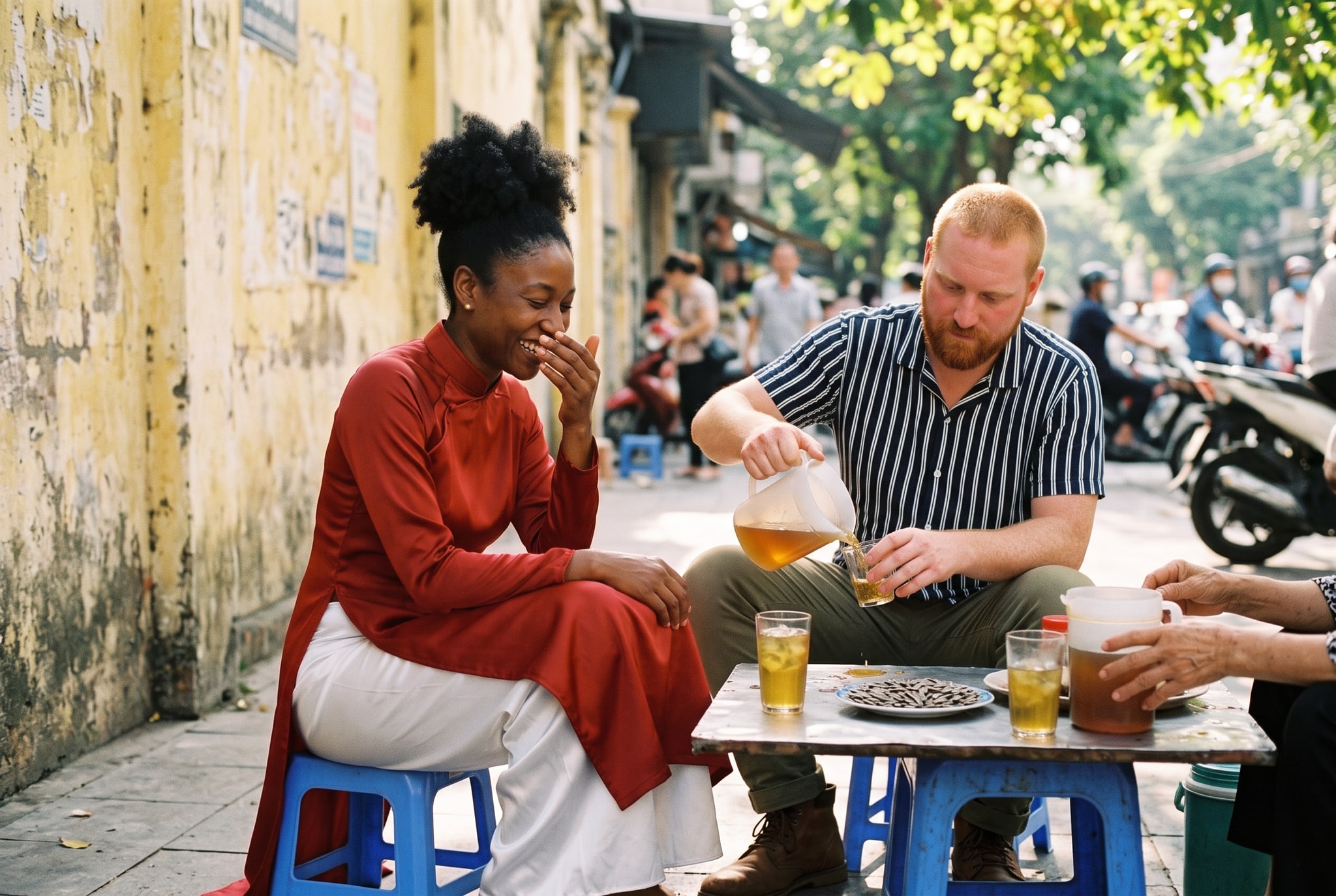
How do dress codes differ between Hanoi, Saigon, Hoi An, and Da Nang?
Hanoi (capital, fast-paced, traffic-heavy): Business-casual downtown; jeans and breathable tops in tourist zones. Summers are muggy (April–September); light, long sleeves protect from sun and mosquitoes. Hanoi ao dai rental lets you blend in for photoshoots or temple visits.
Saigon (Ho Chi Minh City) (cosmopolitan, commerce-focused, humid): Casual dress dominates; locals wear whatever keeps them cool. Nightlife is relaxed; no dress codes at bars or restaurants frequented by tourists. Ho Chi Minh City rental is fastest for same-day service in a sprawling metro area.
Hoi An (heritage, photogenic, traditional): This town breathes ao dai culture. Wearing one feels natural, not touristy. Narrow streets, low traffic, perfect for strolling in silk. Hoi An's rental services cater to visitors seeking authentic experiences and Instagram moments.
Da Nang (beach resort, relaxed, growing): Swimwear at the beach is normal; cover up for temples and restaurants. Casual evening dress at waterfront venues. Da Nang rentals suit beach-to-temple day trips and wedding ceremonies.
Conclusion: city pace and climate shape dress codes; renting an ao dai signals cultural appreciation everywhere.
When should you rent an ao dai instead of buying your own?
| Scenario | Best option | Why | Duration |
|---|---|---|---|
| One-week tourist visit, 2–3 occasions | Rent locally | No luggage weight, no shipping, same-day fit, return after use | 1–7 days |
| Destination wedding, 2–3 days | Rent in that city | Perfect fit, styling advice, hotel delivery, no packing stress | 2–5 days |
| Tet or lunar new year (Feb/March) | Book 2–3 weeks ahead | High demand, tailor-made sizing, traditional designs | 3–10 days |
| Photoshoot (1–3 hours) | Rent + package | Includes hair, makeup, photographer coordination, ao dai swap | 4–8 hours |
| Recurring events (local resident) | Buy or long-term rent | Economical after 5–6 wears | Indefinite |
Rental workflow:
- Contact Ao Dai Diaries via WhatsApp/Zalo (+84 338 762 340) with your city, date, and occasion.
- Choose style (traditional, modern, printed, pastel, bold color).
- Provide your height, bust, waist, hip measurements; staff confirm fit in 24–48 hours.
- Pay deposit (refundable) and balance on fitting or pickup.
- Receive garment, styling tips, and care notes.
- Return within agreed rental window; deposit refunded (minus damage charges, if any).
Conclusion: rent if you're visiting for <2 weeks or attending one major event; buy if you'll wear it annually.
👗 Rent your ao dai — WhatsApp/Zalo +84 338 762 340
What are the key differences between traditional, modern, and fusion ao dai styles?
Traditional ao dai (silk, fitted, long sleeves, ankle-length):
- Best for: weddings, Tet, family ceremonies, temple visits, formal dinners.
- Silhouette: snug bodice, high neckline, no cleavage, graceful slit up each leg (chaste, never exposed).
- Fabrics: silk, brocade, damask; hand-embroidered or plain.
- Color range: jewel tones, pastels, white (purity), black (formal/mourning).
- Price range: rental typically lower than modern styles; cost depends on embroidery and fabric weight.
Modern ao dai (cotton-silk blend, shorter sleeves, contemporary cuts):
- Best for: photoshoots, daytime outings, younger wearers, beach town strolls.
- Details: asymmetric hems, printed patterns, bold geometrics, off-shoulder necklines (still modest relative to Western fashion).
- Fabrics: linen-blend, cotton, lightweight synthetic-natural mixes.
- Fit: less restrictive, easier to move in.
Fusion ao dai (creative interpretations: cropped top + high-waisted pants, sleeveless, sheer overlays):
- Best for: fashion photoshoots, art projects, adventurous visitors.
- Warning: not appropriate for temples or conservative family events; reserved for creative contexts.
Browse traditional ao dai styles, modern designs, and photoshoot options to compare in person before booking.
Conclusion: traditional suits ceremonies and temples; modern works daily wear; fusion is for creative expression only.

How do you avoid cultural missteps when wearing an ao dai as a foreigner?
The ao dai is Vietnam's treasured national dress—revered, not trendy. Wearing it respectfully opens doors; wearing it carelessly can offend.
Do:
- Wear it to weddings, Tet, temples, and photoshoots (foremost occasions).
- Ask permission before photographing others in ao dai.
- Follow your rental stylist's guidance on hair, shoes, and jewelry.
- Sit and walk with composure; the garment demands grace (a feature, not a flaw).
Don't:
- Wear it to nightclubs or casual bars (misses the point).
- Customize it without consulting the rental shop.
- Treat it as a costume; it's a uniform of cultural identity.
- Pair it with crop tops, exposed undergarments, or heavy makeup that clashes with its elegance.
- Ignore the tailor's fit adjustments; wrong sizing looks disrespectful.
Real-world check: If locals around you are dressed formally, your ao dai is perfect. If everyone else is in shorts and flip-flops, change for that moment.
Conclusion: respect the garment's history, follow local cues, and ask when unsure.
📸 Ao dai + photoshoot packages
What should you check before booking an ao dai rental?
- Availability & Lead time: Peak seasons (Tet, summer, wedding season June–July) fill up 3–4 weeks ahead. Off-peak (autumn, early winter) allows same-day or next-day booking. Text +84 338 762 340 to confirm availability.
- Measurements: Ao dai fit is critical. You'll provide bust, waist, hip, height, and inseam. If measurements are off by >1 cm, the fit can pinch or sag. Have someone measure you (not self-measured) and double-check against the rental shop's sizing guide.
- Color & Style: Photos online are guides, not guarantees. Silk takes light differently in person. Ask for a fitting appointment or video call to see the exact garment.
- Deposit & Cancellation: Understand the refund policy. Most rental shops require a non-refundable deposit (typically 20–30% of rental fee) and hold the balance until return. Read the T&Cs carefully.
- Return condition: Minor wrinkles and light wear are expected. Stains, burns, rips, or odors trigger damage charges. Rental shops are reasonable but strict about this; treat the garment like a borrowed heirloom.
- Delivery & Pickup: Confirm whether the rental includes hotel delivery or if you pick it up in-store. Da Nang, Hoi An, and Saigon have multiple rental locations; Hanoi's options vary by neighborhood.
- Alteration timeline: If custom tailoring is needed (inseam, bust, length), budget 3–7 days. Rush tailoring (24–48 hours) may cost extra.
- Styling & hair/makeup: Ask if styling is included. Some shops offer free advice; others charge for professional hair and makeup services. Photoshoot packages bundle these.
Booking checklist:
- [ ] Confirm city/availability.
- [ ] Send accurate measurements.
- [ ] Choose style, color, and occasion.
- [ ] Clarify rental duration and return date.
- [ ] Confirm deposit amount and payment method.
- [ ] Verify delivery or pickup address.
- [ ] Get written T&Cs and cancellation policy.
- [ ] Ask questions via WhatsApp/Zalo before paying.
Conclusion: a 10-minute pre-booking call saves headaches; Ao Dai Diaries staff speak English and are patient with first-timers.
📍 See rental by city
What's the broader context for dress codes across Vietnam's regions?
Vietnam's climate, religion, and history shape dress norms. The north (Hanoi, cooler, mountainous) has slightly more formal business culture; the south (Saigon, Mekong, beach) is relaxed. Buddhism and Catholicism coexist; respect both. Tourist zones are forgiving; off-the-beaten-path villages notice what you wear. Conservative dress in rural areas (long pants, covered shoulders) is appreciated. Urban young people dress Western-style; elderly and rural populations favor modesty. Dress codes are softer for tourists than locals, but effort to respect them goes far.
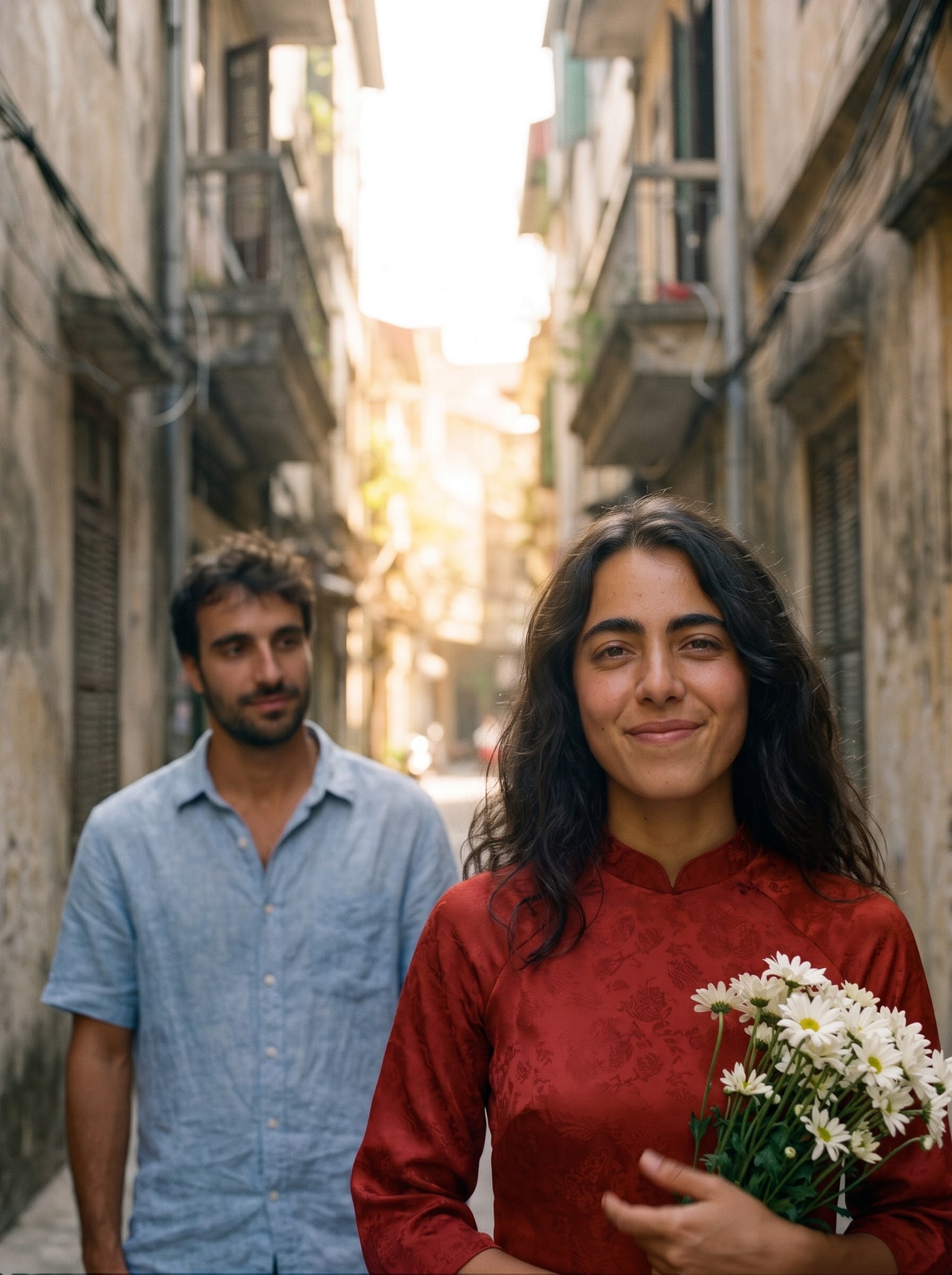
Renting an ao dai isn't just about looking good—it's a bridge. You're saying, "I recognize your culture, and I want to experience it on its terms." That's the inverse of tourist tokenism; it's genuine.
👗 Rent your ao dai — WhatsApp/Zalo +84 338 762 340
---
Frequently asked questions
Can I wear shorts in Vietnam as a tourist, or will I offend people?
Shorts are fine in cities, beaches, and casual settings. In temples, government buildings, and village gatherings, knees-down is expected. Use common sense: if the setting feels formal, cover up.
How much does it cost to rent an ao dai for a day?
Rental costs vary by city, style, and fabric; Ao Dai Diaries quotes custom prices after you provide dates and preferences. Contact +84 338 762 340 for an instant estimate tailored to your occasion.
What if my ao dai doesn't fit when I arrive for pickup?
The rental shop will adjust seams, hems, and waist ties on-site if time allows. Major issues (bust too tight, inseam wrong) should be caught in your measurements before booking; that's why precise sizing up front is crucial.
Is it disrespectful to rent an ao dai as a foreigner, or should I buy one?
Renting is respectful if worn thoughtfully and in appropriate settings. Buying is an option if you want to keep it; either way, the garment's dignity matters more than your nationality.
Can I wear an ao dai to a casual dinner or nightclub?
Not typically. Ao dai is reserved for formal occasions, ceremonies, photoshoots, and temple visits. A nightclub or casual bar would cheapen its significance; wear everyday clothes instead.
How do I style shoes and jewelry with a rental ao dai?
Traditional: flat sandals or embroidered shoes, minimal jewelry (small earrings, delicate necklace). Modern: ballet flats, simple sneakers, or low heels. Avoid chunky boots, loud statement pieces, or Western sportswear—let the ao dai lead.
Dozens of colours, all sizes XS–XXL, delivered to your hotel in Hanoi, Saigon, Hoi An or Da Nang. One WhatsApp or Zalo message.
More guides
You might also like
The ao dai is Vietnam's iconic silk dress, worn for celebrations and formal occasions. Ao Dai Diarie
May is Vietnam's hottest month before monsoon season. We'll help you choose the right outfit—whether
December weather in Vietnam is cool and dry—ideal for wearing the ao dai. Here's what suits the seas