guide/ao-dai
Vietnamese Ao Dai Meaning: Tradition, When to Wear & Where to Rent
Ao Dai Diaries team · All guides →
The ao dai (áo dài) is Vietnam's iconic long tunic paired with fitted trousers, representing elegance, respect, and cultural identity since the 18th century. Worn by women, men, and schoolgirls, it drapes gracefully to the ankle, often split at the sides for movement. Today, tourists and Vietnamese wear ao dai for weddings, Tet holidays, photoshoots, and city strolls—not as everyday wear but as a statement of reverence for heritage. Ao Dai Diaries rents authentic ao dai in Hanoi, Ho Chi Minh City, Hoi An, and Da Nang, with same-day fittings, sizes XS–XXL, and delivery to your hotel. Rental typically includes the tunic, trousers, and styling advice; pricing starts from modest daily rates (contact us on WhatsApp/Zalo +84 338 762 340 for current rates). The dress demands respect—never wear it carelessly or in disrespectful contexts, as it carries profound national meaning for Vietnamese people. 👗 Rent your ao dai — WhatsApp/Zalo +84 338 762 340 ---
What does ao dai symbolize in Vietnamese culture?
The ao dai is far more than clothing—it's a living emblem of Vietnamese identity, femininity, and national pride. The name itself comes from 18th-century reformers who blended Chinese and Vietnamese tailoring; the vertical lines of the tunic and the high waist emphasize grace and dignity. When a Vietnamese woman wears an ao dai, she signals respect for her heritage and the occasion at hand. In schools, girls wear white ao dai as uniforms, linking the dress to youth and purity. On Tet (Lunar New Year), families don colorful ao dai for family photos and temple visits—it's an unspoken rule of celebration. For foreign visitors, wearing an ao dai isn't appropriation if worn thoughtfully; it's a bridge to understanding Vietnamese values: modesty, elegance, and connection to history.
The ao dai also carries gendered meanings. Women's ao dai emphasize curves through tailoring; men's versions (worn less today, but still for formal events) are looser and shorter. Both versions project formality and respect. Because of this weight, Ao Dai Diaries staff always advise renters on proper etiquette—never wear an ao dai to a beach in an sexualized way, and always ask permission before being photographed in one at someone else's family event.
📸 Ao dai + photoshoot packages
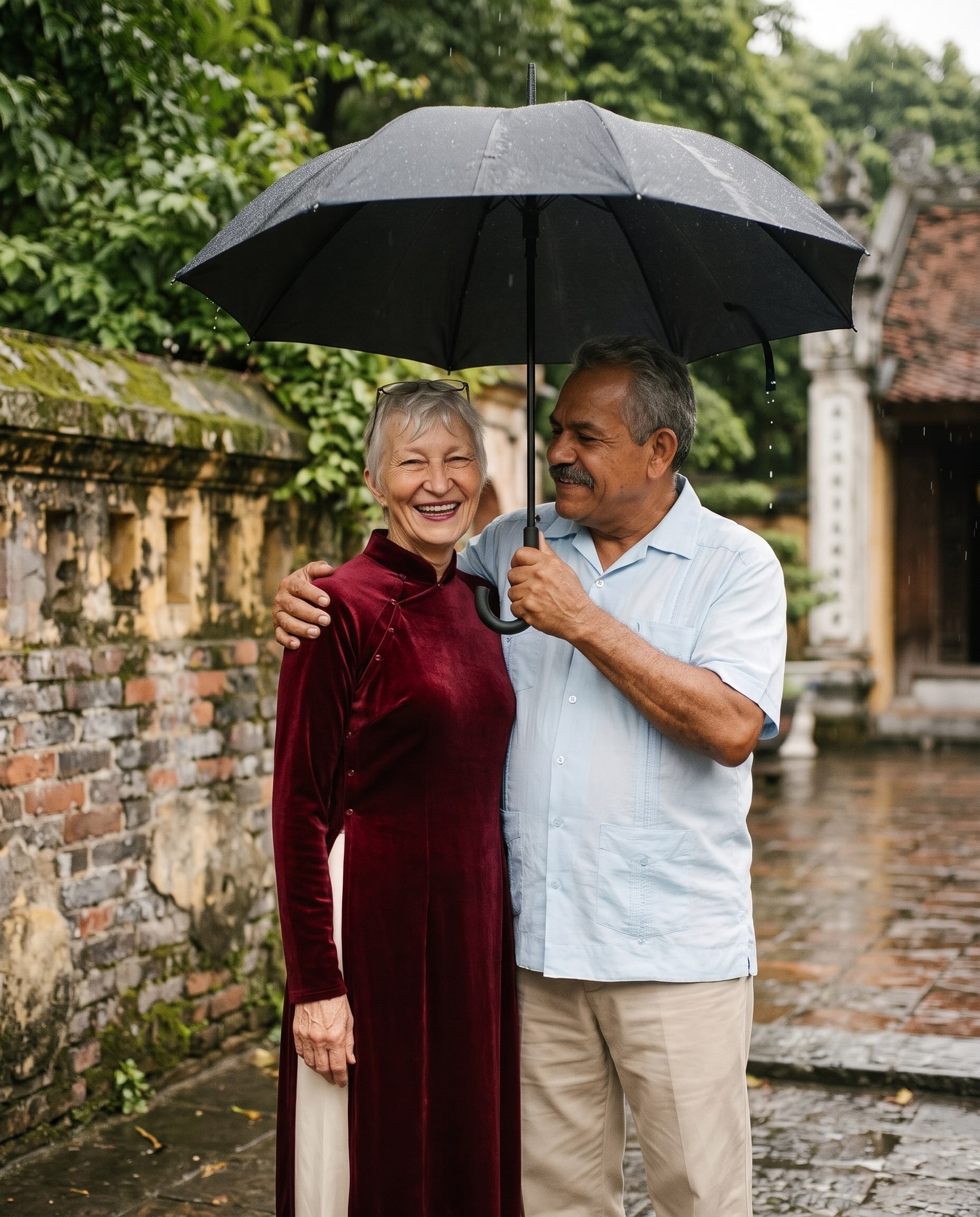
When do people actually wear ao dai in 2026?
Modern ao dai wear falls into five clear moments: formal celebrations (weddings, engagements), national holidays (Tet, National Day), photoshoots and tourism, school uniforms, and professional branding (hotels, airlines, tour guides wear ao dai as dress code). In everyday life, most Vietnamese don't wear ao dai to work or shopping—it's reserved, intentional, special. This is key to understanding why rental demand peaks around lunar holidays and during tourist seasons when visitors want to feel authentic. Tourists often rent ao dai for Instagram-worthy photoshoots in Hoi An's lantern-lit old town or Hanoi's lake areas. Vietnamese increasingly rent or commission custom ao dai for significant life moments: university graduation photos, engagement parties, or to send abroad to relatives. Some professionals (hotel concierges, spa staff) wear ao dai as part of their uniform. Schools still mandate white ao dai for girls on formal occasions. If you're planning a trip or event in 2026, check whether an ao dai moment fits—it often does.
Ao Dai Diaries has tracked rental requests by season: Tet (January–February) sees the highest volume; summer (June–August) peaks for international tourists; and October–November brings wedding season. Knowing this helps you book early for same-day or next-day rental and secure the exact style you want.
Who wears ao dai: tourists, locals, or both?
Both. Tourists represent roughly 40–60% of Ao Dai Diaries' rental clients (based on our booking data), seeking a photo experience or cultural immersion. Vietnamese renters are the other 40–60%—families wanting Tet photos, graduates, wedding guests, and professionals. This mix shapes how we stock sizes (XS–XXL to fit diverse builds) and styles (modern, classic, formal, playful). A foreign visitor might rent an ao dai for a city stroll and photoshoot; a Vietnamese bride's aunt might rent one for a wedding. A schoolgirl's parent might buy a white ao dai uniform; a young professional might rent a tailored silk version for a corporate event. The key difference: tourists treat it as an experience; locals often treat it as a ceremonial or professional obligation—or a proud choice to honor tradition. Neither is more "right." Both are respected. Avoid generalizing: the ao dai is for anyone who approaches it with genuine interest and respect for its meaning.
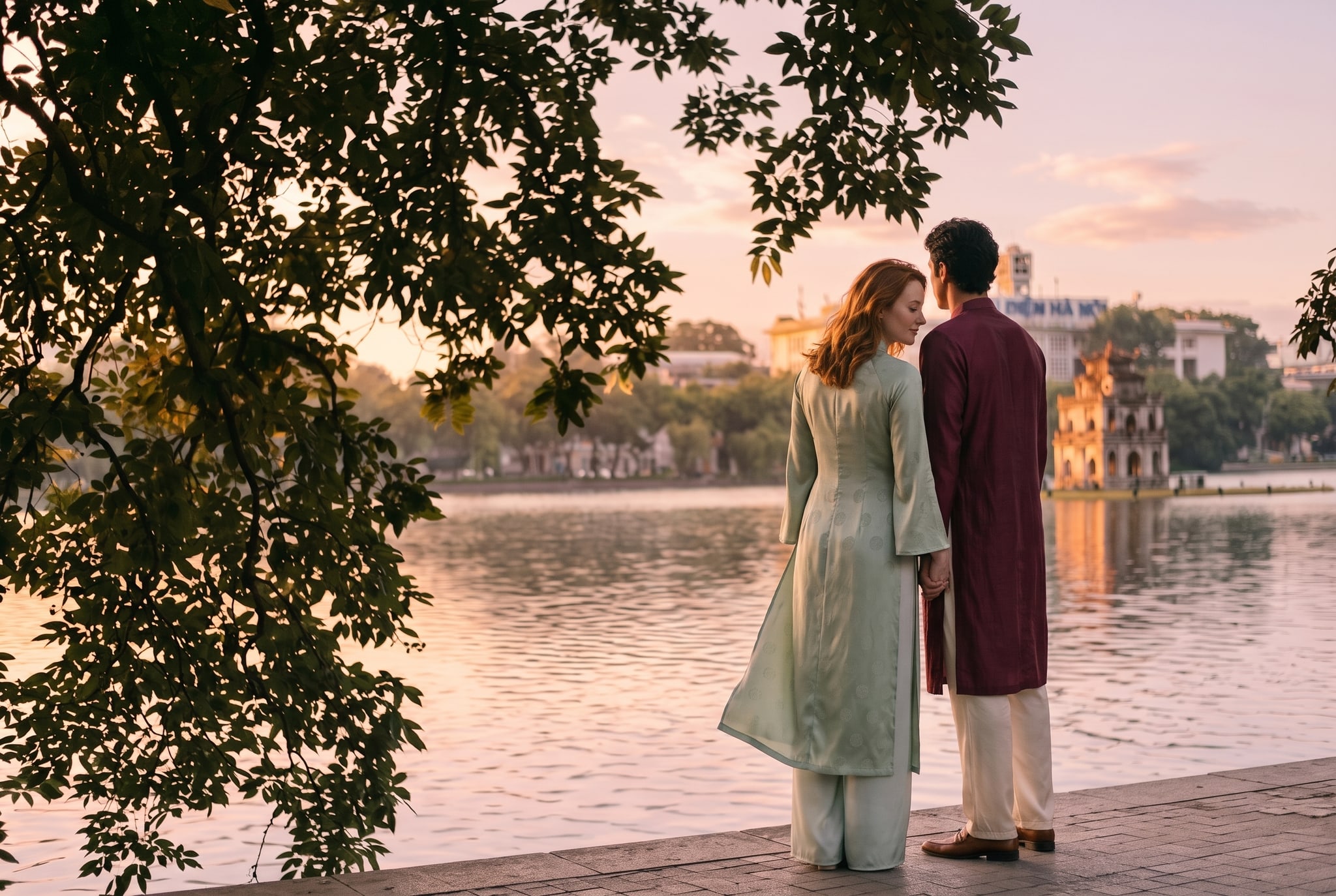
How does ao dai styling differ by occasion and body type?
| Occasion | Typical Style | Fabric | Body Type Considerations | Renter Goal |
|---|---|---|---|---|
| Tet/family photos | Colorful silk, bold patterns | 100% silk or silk blend | Flatters curves; XS–M for petite | Warmth, tradition |
| Wedding guest | Formal, solid jewel tones or pastel | Premium silk with embroidery | Taller frames need longer tunic; sizes L–XXL | Elegance without upstaging couple |
| Tourist photoshoot | Vibrant, multiple options to try | Cotton or cotton-silk | Petite and curvy frames suit fitted styles | Instagram-ready moment |
| Graduation | Modern cut, soft pastels or metallics | Cotton-silk blend | Younger renters: emphasize youth; offer multiple fits | Proud milestone image |
| Professional wear | Classic, neutral or corporate colors | Linen-silk blend | Tailored fit essential; sizes vary by role | Authority, cultural pride |
Every ao dai rental should include a fitting session—this is non-negotiable. Ao dai is not one-size-fits-all. A petite woman (5'0") needs a tunic hemmed shorter than a woman 5'8" tall. Wider hips need side slits positioned correctly. Smaller busts benefit from internal darts. Ao Dai Diaries' fitting process (see how ao dai rental works) takes 15–30 minutes and is included in every rental. If a shop offers same-day rental without fitting, walk away.
📍 See rental by city
What should you check before renting or buying an ao dai?
Here's a checklist based on real rental returns and fitting issues:
- Occasion & dress code: Is white required (school, formal daytime events), or are colors acceptable? Some weddings expect jewel tones; some Tet celebrations welcome bright silk.
- Tunic length: It should reach your ankle bone when standing. Too short looks disrespectful; too long reads as a costume. Confirm the shop will hem it for you.
- Fit at shoulders & chest: The tunic should drape without pulling. If it's tight across the chest, it won't close properly. Ask the tailor to check before you leave.
- Trouser fit: Trousers must be high-waisted and sit at your natural waist, not hips. They should be straight or gently flared, never skinny. Check the inseam.
- Side slits: They should fall mid-thigh, not higher (disrespectful) or lower (too conservative). Adjust this if customizing.
- Color & fabric: Silk is traditional and drapes beautifully; cotton-silk is affordable and durable. Choose a color that honors the event—avoid black unless it's a formal funeral.
- Underdress: The ao dai shows a slip underneath. Ao Dai Diaries includes a matching white or neutral slip in rentals; if buying, budget for this separately.
- Shoes: Flat sandals, embroidered shoes, or elegant heels work. Avoid athletic wear—it breaks the line.
- Accessories: A simple necklace, earrings, or traditional hairpin can elevate the look. Avoid loud jewelry.
- Deposit & cancellation: Understand the rental deposit (typically required to secure the dress) and cancellation policy. Ao Dai Diaries accepts deposits via bank transfer, and cancellations within 48 hours may forfeit a portion.
👗 Rent your ao dai — WhatsApp/Zalo +84 338 762 340
Where do you rent or buy ao dai by city?
If you're in Vietnam, Ao Dai Diaries operates rental shops and partnerships in four major cities:
- Hanoi: Rentals in central districts (Hoàn Kiếm, Ba Đình) near lakes and historical sites. Walk-ins welcome for same-day fittings.
- Ho Chi Minh City (Saigon): Rentals in District 1 and Bình Thạnh, close to the Saigon River and tourist zones.
- Hoi An: Rentals near the Ancient Town (UNESCO site). Many renters combine a fitting with a photoshoot on the iconic Japanese Bridge.
- Da Nang: Rentals near the city center, with beach and mountain photoshoot options.
Each location offers same-day rental (if you book by mid-morning), delivery to your hotel, and professional styling. If buying (not renting), Vietnamese tailor shops in these cities can custom-make an ao dai in 5–10 days—typically costing more than renting but lasting for years. For tourists, renting is practical; for Vietnamese who'll wear it regularly, buying makes sense.
See the full guide to ao dai for styling tips, and explore packages that include photoshoots for the full experience.
---
Frequently asked questions
Is it disrespectful for a foreigner to wear an ao dai?
No, if worn thoughtfully. The ao dai celebrates Vietnamese culture; wearing it respectfully—with proper fit, at appropriate occasions, and with humility—honors that. Avoid sexualizing it or wearing it carelessly to bars or beaches. Ask permission before attending family events in one.
What's the difference between ao dai and áo dài? Do they mean the same thing?
"Áo dài" (with the diacritical mark) is Vietnamese spelling; "ao dai" is the English transliteration. They mean the same garment. Both refer to the traditional long tunic and trousers ensemble.
Can men wear ao dai, or is it just for women?
Men can and do wear ao dai, especially for formal events, weddings, and national ceremonies. Men's ao dai is looser, shorter (knee-length), and typically worn with a turban or hat. It's less common in daily wear today, but historically significant and still respected.
How much does it cost to rent an ao dai for a day?
Pricing varies by city, fabric, and style. Contact Ao Dai Diaries on WhatsApp/Zalo +84 338 762 340 for current rental rates and availability. Most rentals include fitting, tailoring adjustments, the tunic, trousers, and a slip.
What sizes does Ao Dai Diaries stock, and do you alter rentals for fit?
We stock XS–XXL and adjust every rental during the fitting session—hemming tunic length, adjusting side slits, and ensuring trouser fit. Alterations are included in the rental. No rental leaves our fitting room until it fits properly.
Can I rent an ao dai for a photoshoot in multiple locations (Hanoi, Hoi An, Da Nang)?
Yes. We offer city-specific rentals and multi-day photoshoot packages that can include outfit changes and location coordination. Contact us to plan a custom itinerary across cities.
What should I wear under an ao dai?
A white, cream, or neutral-colored slip that matches the tunic color, worn under the outer layer. Ao Dai Diaries provides this in rentals. If buying, purchase a slip separately; it's visible at the neckline and underarms.
Is there an age limit for ao dai rentals?
No. We rent to children (for school uniforms or family photos), teens, adults, and elders. Sizing and style adapt to age and body type. A 7-year-old schoolgirl's ao dai differs from a 70-year-old grandmother's formal style, but both are honored equally.
Frequently asked questions
Is it disrespectful for a foreigner to wear an ao dai?
No, if worn thoughtfully. The ao dai celebrates Vietnamese culture; wearing it respectfully—with proper fit, at appropriate occasions, and with humility—honors that. Avoid sexualizing it or wearing it carelessly to bars or beaches. Ask permission before attending family events in one.
What's the difference between ao dai and áo dài? Do they mean the same thing?
"Áo dài" (with the diacritical mark) is Vietnamese spelling; "ao dai" is the English transliteration. They mean the same garment. Both refer to the traditional long tunic and trousers ensemble.
Can men wear ao dai, or is it just for women?
Men can and do wear ao dai, especially for formal events, weddings, and national ceremonies. Men's ao dai is looser, shorter (knee-length), and typically worn with a turban or hat. It's less common in daily wear today, but historically significant and still respected.
How much does it cost to rent an ao dai for a day?
Pricing varies by city, fabric, and style. Contact Ao Dai Diaries on WhatsApp/Zalo +84 338 762 340 for current rental rates and availability. Most rentals include fitting, tailoring adjustments, the tunic, trousers, and a slip.
What sizes does Ao Dai Diaries stock, and do you alter rentals for fit?
We stock XS–XXL and adjust every rental during the fitting session—hemming tunic length, adjusting side slits, and ensuring trouser fit. Alterations are included in the rental. No rental leaves our fitting room until it fits properly.
Can I rent an ao dai for a photoshoot in multiple locations (Hanoi, Hoi An, Da Nang)?
Yes. We offer city-specific rentals and [multi-day photoshoot packages](/packages) that can include outfit changes and location coordination. Contact us to plan a custom itinerary across cities.
What should I wear under an ao dai?
A white, cream, or neutral-colored slip that matches the tunic color, worn under the outer layer. Ao Dai Diaries provides this in rentals. If buying, purchase a slip separately; it's visible at the neckline and underarms.
Is there an age limit for ao dai rentals?
No. We rent to children (for school uniforms or family photos), teens, adults, and elders. Sizing and style adapt to age and body type. A 7-year-old schoolgirl's ao dai differs from a 70-year-old grandmother's formal style, but both are honored equally.
Dozens of colours, all sizes XS–XXL, delivered to your hotel in Hanoi, Saigon, Hoi An or Da Nang. One WhatsApp or Zalo message.
More guides
You might also like
The ao dai is Vietnam's iconic silk dress, worn for celebrations and formal occasions. Ao Dai Diarie
May is Vietnam's hottest month before monsoon season. We'll help you choose the right outfit—whether
December weather in Vietnam is cool and dry—ideal for wearing the ao dai. Here's what suits the seas