guide/ao-dai
Vietnamese Ao Dai Poses: How to Plan Your Photoshoot & Rental
Ao Dai Diaries team · All guides →
Vietnamese ao dai poses work best when you honor the garment's structure: keep the áo (tunic) and quần (pants/skirt) aligned, let the panel folds fall naturally, and avoid sitting poses that crease the silk panels unevenly. Ao Dai Diaries rents tailored ao dai in four cities—Hanoi, Ho Chi Minh City, Hoi An, and Da Nang—with same-day and delivery-to-hotel options (deposit + rental fee; most rentals run 4–6 hours). Poses should emphasize vertical lines, gentle hand placement on the áo's front panel, and walking shots that showcase the fabric's flow. Standing portraits, profile shots near architecture, and movement-based poses (turning, walking through gardens) photograph better than static sitting. Before booking, confirm your rental includes fitting adjustments and has clear guidance on pose safety—improper positioning risks panel damage and deposit charges. ---
What makes an ao dai pose respectful and photogenic?
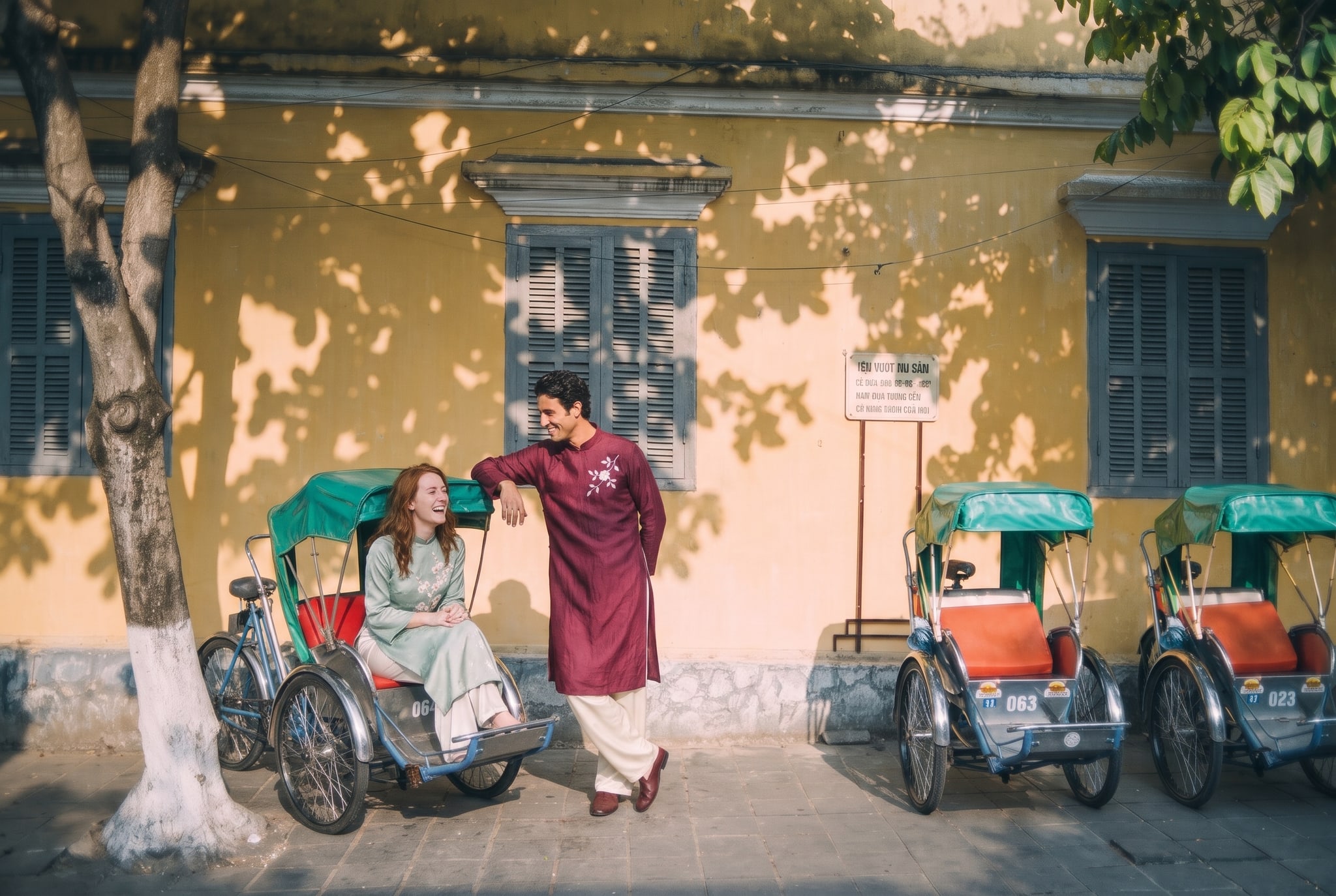
Respectful ao dai poses center on the garment's design intent: the front áo panel should hang straight, creating elegant vertical lines from shoulder to hem. Your shoulders stay relaxed; forced posture looks strained in photos. Hands rest gently on the side seams or at your sides—never grab the fabric or pull it across your body. The back panel drapes freely; avoid leaning hard against walls, which creases the silk. A gentle walking pose or a three-quarter turn photographs better than face-on standing, as it lets the side panel breathe and the front panel's embroidery (if any) catch light. This is traditional wear, not costume; treat it with the formality you'd show a ceremonial garment. When you rent from Ao Dai Diaries, your fitter will show you how the panels should move—that brief lesson is worth more than any pose guide.
Which cities offer the best ao dai rental for photoshoots?
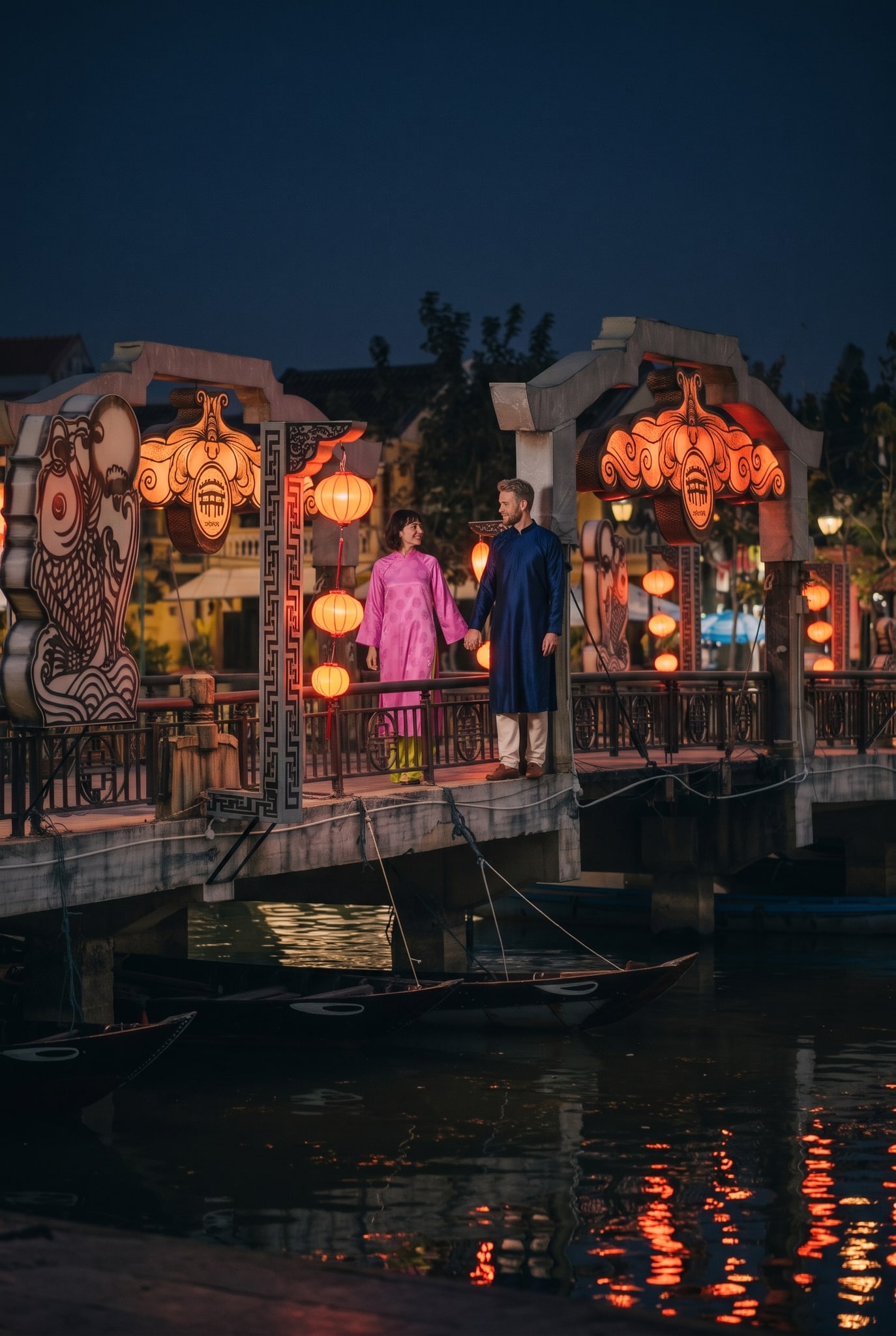
Hanoi, Ho Chi Minh City (Saigon), Hoi An, and Da Nang each have distinct backdrops and rental availability. Hanoi rentals suit French colonial architecture, red-tile roofs, and water-temple shoots; Hanoi's Old Quarter and West Lake offer dense, layered backgrounds. Ho Chi Minh City rentals work for modern urban geometry, riverside parks, and high-rise silhouettes. Hoi An rentals are ideal for ancient architecture, lantern-lit alleys, and heritage-focused shoots—many renters pair shoots with walking tours. Da Nang rentals offer beach poses, mountain backdrops, and golden-hour lighting on coastal roads. Each city has rental partners with same-day or next-day fittings; check your city to confirm availability and delivery terms. Most support WhatsApp/Zalo booking, so you can send photos of your planned location and get fitting recommendations before you arrive.
👗 Rent your ao dai — WhatsApp/Zalo +84 338 762 340
How do you avoid common pose mistakes that damage the ao dai?
The top mistake is sitting in a way that bunches the back panel or creases the front panel's embroidery zone. If you must sit, sit on a bench facing forward (not at an angle), keep your back straight, and avoid leaning side-to-side. Second: tugging the áo to show embroidery or fit—this stresses seams and can pop stitches. Third: posing in wind without holding the fabric—ao dai panels catch wind and can flip awkwardly, risking tears to delicate silk or lining. Fourth: wrapping the fabric around your body or tying it tighter—the ao dai is fitted during rental; adjusting it yourself can undo the fitter's work. Fifth: wearing shoes that scuff the hem—wear clean, flat shoes or sandals. Before shooting, ask your fitter or rental partner for a 2-minute pose walkthrough; they'll show you how far to turn, where your hands should rest, and which moves risk damage. This pre-shoot briefing prevents 90% of rental mishaps and deposit disputes.
What's the best decision framework for choosing an ao dai style for your pose series?
Use this three-step framework:
- Location + season → fabric choice: Outdoor midday shoots in Ho Chi Minh City heat demand silk-cotton blends or lightweight linen (cooler, less clinging). Morning shoots in Hoi An's old town suit heavier silk dupioni (richer color saturation in low light). Beach shoots need fabric that won't cling wetly to your legs.
- Pose complexity → neckline + sleeve length: If your poses include turning, walking, or arm movement, avoid sleeveless (áo cách) or high-neck (áo dài cổ lọc) styles—they're beautiful but restrict shoulder mobility and photograph stiffer. Long sleeves (áo dài tay dài) photograph dramatically but need careful arm placement. Cap sleeves (áo dài tay phồng) offer balance: movement freedom + visual softness.
- Color + backdrop → contrast: Avoid color clash—pastels fade into light-colored stone (old-town shoots); jewel tones (emerald, sapphire, plum) pop against both historic terracotta and modern urban gray. Nude or white ao dai work on bold architectural backgrounds; dark colors suit garden shoots.
| Decision | Hanoi/Saigon Urban | Hoi An Heritage | Da Nang Beach |
|---|---|---|---|
| Fabric | Silk-cotton blend | Silk dupioni (heavier) | Linen or cotton silk |
| Neckline | Cổ tròn (crew) | Cổ lọc (high) or cổ yếm (keyhole) | Cổ tròn (crew) |
| Sleeves | Tay dài (long) | Tay phồng (cap) | Tay cách (sleeveless) |
| Color | Jewel (sapphire, emerald) | Soft pastels or heritage reds | White, cream, soft blues |
| Pose focus | Walking, turning | Standing, profile | Movement, turning |
| Why it works | Rich color in daylight | Period-correct, timeless | Flow + skin tone balance |
How do rental, fitting, and photoshoot logistics fit together?
Booking an ao dai rental and planning poses is a three-phase process:
Phase 1: Booking & Rental Info (1–2 weeks before)
- Contact Ao Dai Diaries via WhatsApp/Zalo (+84 338 762 340) with your date, city, and shoot plan (location, pose type, duration).
- Confirm rental duration (most rentals are 4–6 hours) and whether you need delivery to your hotel or pickup.
- Provide your size and preferred style (color, sleeve, neckline). Sizes range XS–XXL; fitters adjust for fit.
- Agree on deposit (held until safe return) and total fee. Most rentals run a few hundred thousand VND (roughly see packages & prices, depending on style and location).
Phase 2: Fitting & Pose Prep (day before or morning-of)
- Arrive at rental partner's location 30–45 minutes before your shoot.
- Fitter adjusts the áo for your exact fit, shows you how the panels hang, and demonstrates safe posing.
- Ask the fitter which poses work best for your body type and the garment's style.
- Wear the ao dai for 5–10 minutes before shooting to feel the weight and drape.
Phase 3: Photoshoot (your rental window)
- Photographer should know ao dai etiquette—avoid contorted poses, respect the fabric, focus on movement and natural light.
- Use the mirror trick: face-on shots photograph flatly; ask your photographer for more profile, three-quarter, and walking shots.
- Change locations if possible (foreground + background interest); ao dai photographs better with depth.
- If you're self-directing (phone tripod, friend's camera), move slowly and intentionally; rushed poses look tense.
Return the ao dai clean and undamaged within your rental window to recover your full deposit.
📸 Ao dai + photoshoot packages
What should you check before ordering an ao dai rental for poses?
Use this pre-booking checklist:
- Rental duration: Is 4–6 hours enough for your shoot? Travel between locations eats time. Confirm pickup/return windows.
- Size range: Confirm the rental has your size (XS–XXL available). Ask if the fitter adjusts for fit or if you get a pre-sized garment.
- Fitting time: Do they allow 30–45 min for fitting? If you book same-day, confirm fitting is available before your shoot time.
- Damage terms: What counts as damage vs. normal wear? Can you sit, walk in water, or turn freely without risking extra charges? Get this in writing via chat.
- Delivery & pickup: If your hotel is outside the rental area, confirm delivery cost and timing. Same-day delivery adds 1–2 hours.
- Photoshoot package: Does the rental partner work with photographers, or do you bring your own? Ask if they recommend local photographers experienced with ao dai.
- Weather backup: If shooting outdoors in monsoon season, confirm the rental's policy on rescheduling due to rain.
- Deposit amount: Confirm the exact deposit, how it's held (cash, card, app), and the refund timeline.
Ask your rental partner (WhatsApp/Zalo +84 338 762 340) for a one-page checklist; reputable partners will provide this without hesitation.
📍 See rental by city
---
Related guides & resources
For deeper insight into ao dai culture, fit, and regional styles, read our full ao dai guide. If you're booking a rental + professional photoshoot, explore our ao dai + photoshoot packages. New to rental logistics? How ao dai rental works walks you through deposit, fitting, and return. For city-specific rental partners and availability, check Hanoi, Ho Chi Minh City, Hoi An, or Da Nang rental pages.
---
Frequently asked questions
Can I pose sitting down in an ao dai without damaging it?
Yes, but only on flat surfaces (benches, chairs) facing forward or in profile. Avoid angled sits, leaning back, or crossing your legs tightly—these bunch the back panel and crease embroidery. Keep your posture upright and your back against the seat. Most fitters show you the safe sitting angle during your fitting; practice once before your shoot.
What's the best lighting for ao dai photoshoots?
Golden hour (early morning or late afternoon) is ideal: soft, directional light flatters the fabric's sheen and creates flattering skin tones. Overcast days work well too—no harsh shadows on the áo's details. Avoid bright midday sun unless you're in shade. Backlighting (sun behind you) can silhouette the panels beautifully but risks blown-out highlights on light-colored fabric.
Do I need a professional photographer for good ao dai photos?
No, but photographers experienced with ao dai know pose angles that flatter the fabric. If you're using a friend's camera or phone tripod, ask them to shoot profile and three-quarter angles rather than face-on, and to include your full body in most shots so the áo's flow is visible. Many photographers in Hanoi, Saigon, and Hoi An specialize in ao dai; your rental partner can recommend local names.
Can I wear an ao dai in rain or near water?
Most rental ao dai are silk or silk-blend, which water-spots easily. Light moisture (mist, splash) is usually fine, but dunking or prolonged wetness risks staining or weakening seams. Confirm your rental's water policy before booking beach shoots or temple-fountain poses. Some partners rent water-resistant linen blends for rainy locations.
How much does it typically cost to rent an ao dai for a photoshoot?
Rental costs vary by city, style, and duration. Most 4–6 hour rentals run within a reasonable budget (check rental by city pages for current partner pricing). Deposits are held separately and refunded if the ao dai is returned clean and undamaged. Ask your rental partner for a full quote via WhatsApp/Zalo before booking.
Can I rent an ao dai for a wedding as a guest?
Yes. Wedding ao dai rentals often run longer (6–8 hours or overnight) and may cost more than casual photoshoot rentals. Confirm the partner has formal styles (often in jewel tones or pastels) and can deliver to your hotel the morning-of your event. Provide your exact schedule (arrival time, departure time) so the rental window aligns with the wedding timing.
Frequently asked questions
Can I pose sitting down in an ao dai without damaging it?
Yes, but only on flat surfaces (benches, chairs) facing forward or in profile. Avoid angled sits, leaning back, or crossing your legs tightly—these bunch the back panel and crease embroidery. Keep your posture upright and your back against the seat. Most fitters show you the safe sitting angle during your fitting; practice once before your shoot.
What's the best lighting for ao dai photoshoots?
Golden hour (early morning or late afternoon) is ideal: soft, directional light flatters the fabric's sheen and creates flattering skin tones. Overcast days work well too—no harsh shadows on the áo's details. Avoid bright midday sun unless you're in shade. Backlighting (sun behind you) can silhouette the panels beautifully but risks blown-out highlights on light-colored fabric.
Do I need a professional photographer for good ao dai photos?
No, but photographers experienced with ao dai know pose angles that flatter the fabric. If you're using a friend's camera or phone tripod, ask them to shoot profile and three-quarter angles rather than face-on, and to include your full body in most shots so the áo's flow is visible. Many photographers in Hanoi, Saigon, and Hoi An specialize in ao dai; your rental partner can recommend local names.
Can I wear an ao dai in rain or near water?
Most rental ao dai are silk or silk-blend, which water-spots easily. Light moisture (mist, splash) is usually fine, but dunking or prolonged wetness risks staining or weakening seams. Confirm your rental's water policy before booking beach shoots or temple-fountain poses. Some partners rent water-resistant linen blends for rainy locations.
How much does it typically cost to rent an ao dai for a photoshoot?
Rental costs vary by city, style, and duration. Most 4–6 hour rentals run within a reasonable budget (check [rental by city](/rent) pages for current partner pricing). Deposits are held separately and refunded if the ao dai is returned clean and undamaged. Ask your rental partner for a full quote via WhatsApp/Zalo before booking.
Can I rent an ao dai for a wedding as a guest?
Yes. Wedding ao dai rentals often run longer (6–8 hours or overnight) and may cost more than casual photoshoot rentals. Confirm the partner has formal styles (often in jewel tones or pastels) and can deliver to your hotel the morning-of your event. Provide your exact schedule (arrival time, departure time) so the rental window aligns with the wedding timing.
Dozens of colours, all sizes XS–XXL, delivered to your hotel in Hanoi, Saigon, Hoi An or Da Nang. One WhatsApp or Zalo message.
More guides
You might also like
The ao dai is Vietnam's iconic silk dress, worn for celebrations and formal occasions. Ao Dai Diarie
May is Vietnam's hottest month before monsoon season. We'll help you choose the right outfit—whether
December weather in Vietnam is cool and dry—ideal for wearing the ao dai. Here's what suits the seas