guide/ao-dai
Vietnamese Ao Dai Traditional: What to Rent, Not Buy
Ao Dai Diaries team · All guides →
The Vietnamese ao dai is a two-piece traditional garment: a long, flowing tunic (áo dài) paired with fitted trousers. It's worn at weddings, Tet celebrations, graduations, formal events, and cultural photoshoots across Vietnam and by diaspora communities worldwide. Ao Dai Diaries offers same-day and advance rentals in Hanoi, Ho Chi Minh City (Saigon), Hoi An, and Da Nang—sizes XS to XXL, with professional fitting. Rentals include tailoring adjustments, pressing, and hotel delivery. Expect to pay a refundable deposit plus a daily rate; exact figures depend on style and occasion. The key advantage: wear heritage-quality silk ao dai for one event without buying, storing, or maintaining it. Always treat the ao dai with respect—it's not a costume, but a cultural honor. ---
What makes Vietnamese ao dai different from other traditional dress rentals?
The ao dai isn't a robe or a costume; it's a two-piece system requiring precise fit across shoulders, bust, waist, and hip. Unlike wrap-based garments, every ao dai needs personalized tailoring to move and hang correctly. Ao Dai Diaries fits clients in-store using a standard size range (XS–XXL) and custom hemming for height. The tunic must sit at mid-calf or ankle without dragging; trousers must align with your natural waistline. Most competitors rent one-size-fits-many pieces. We measure, fit, and adjust before you leave—meaning your rental piece feels tailored, not borrowed. This precision is why ao dai rental requires booking in advance or arriving early for same-day fittings.
📍 See rental by city | 👗 Rent your ao dai — WhatsApp/Zalo +84 338 762 340
---

What's the difference between silk, cotton, and synthetic ao dai fabrics?
| Fabric | Who It's For | Feel & Drape | Care | Best Occasion |
|---|---|---|---|---|
| Silk (100%) | Weddings, formal events, photoshoots | Lustrous, fluid, cool against skin | Hand wash or professional clean; wrinkles easily | Ceremonies, evening wear |
| Cotton blend (60/40 cotton–polyester) | Daily wear, Tet market visits, casual outings | Breathable, structured, wrinkle-resistant | Machine wash cold; low iron | Daytime tourism, informal celebrations |
| Synthetic (polyester–nylon) | Budget-conscious travelers, quick rentals | Stiff initially, lighter weight | Easy wash, minimal ironing | Same-day casual wear, photo ops |
Silk ao dai commands higher rental rates and requires careful handling. It's the standard for weddings and formal photography—the fabric drapes elegantly and photographs brilliantly. Cotton blends suit warm-weather tourism and Tet market strolls. Synthetic options are affordable and low-maintenance but lack the prestige and movement of natural fibers. At Ao Dai Diaries, we stock all three types. Your occasion and budget determine your choice. If you're unsure, ask during booking—our fitters will recommend the best match for your event and climate.
👗 Rent your ao dai — WhatsApp/Zalo +84 338 762 340
---
How do you choose the right style for your event or photoshoot?
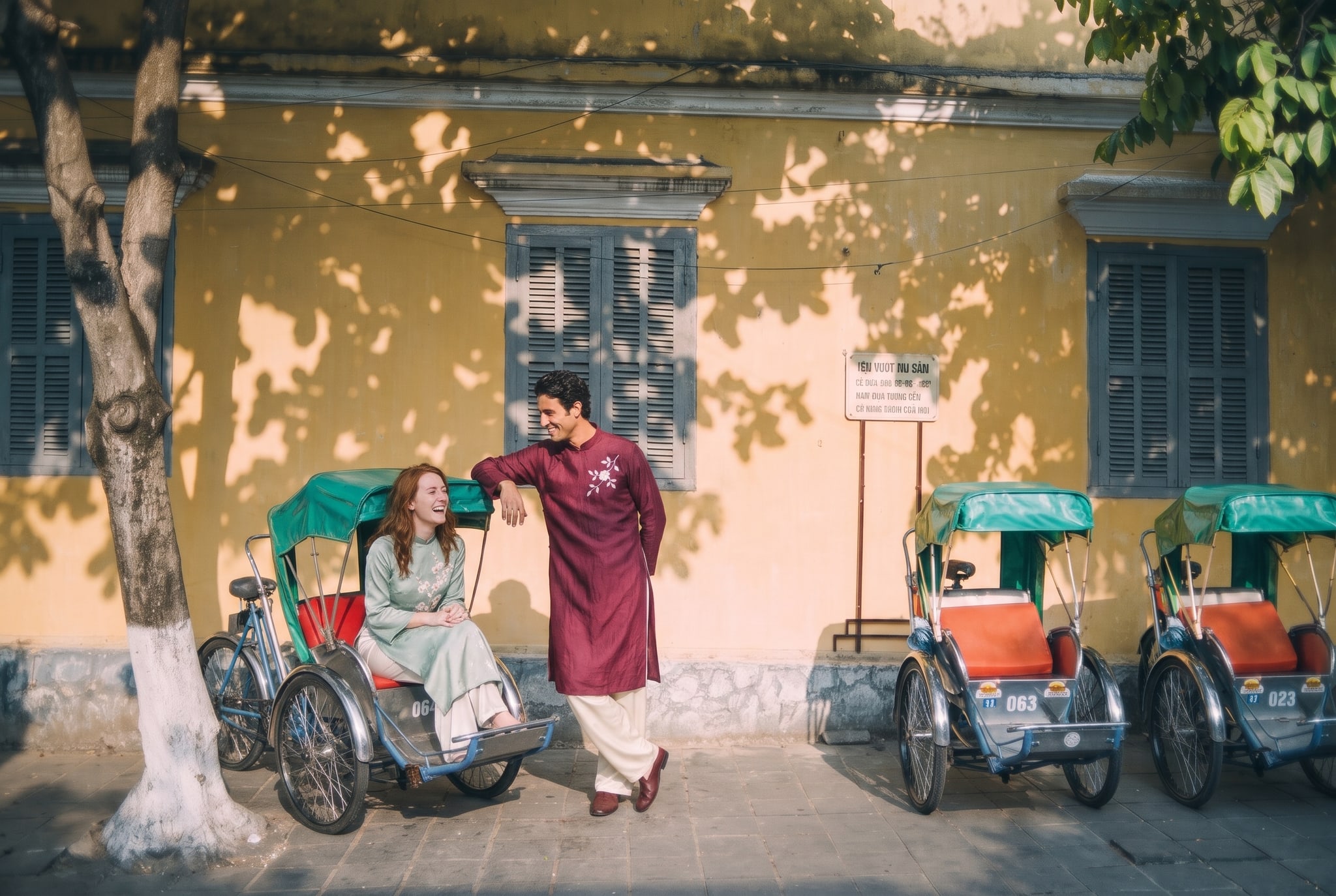
The ao dai comes in dozens of regional and modern styles: traditional north-style (simple, high neckline), south-style (lower neckline, wider sleeves), and contemporary interpretations. For weddings, brides often wear elaborate embroidered or beaded versions; guests wear classic solid colors. For Tet, reds and golds dominate (symbolizing luck). For photoshoots in Hoi An or Da Nang, vintage or pastel silk pieces suit aesthetic backdrops. Casual city strolls allow bolder colors and modern cuts. Start by defining your event: formal ceremony (choose embroidered silk), casual tourism (cotton blend in a favorite color), or portrait session (consult your photographer on style and color). Ao Dai Diaries holds inventory across all these categories. During fitting, you'll see swatches, neckline options, and sleeve variations. Choose based on how the piece feels on you, not just appearance—comfort and confidence show in photographs and movement.
---
What should you check before renting to avoid fit or damage issues?
Before you book:
- Confirm your exact dress size (many travelers underestimate) by providing measurements or visiting in person.
- State your event date and any time constraints (same-day vs. advance).
- Ask about the fabric content and care instructions for your rental period.
During fitting:
- Walk, sit, and reach in the ao dai; it should not pull at the armpits or shoulders.
- Check that the tunic hem clears the floor by 1–2 inches when standing; longer pieces risk tripping.
- Confirm the trousers sit on your natural waist, not hips.
Upon handover:
- Photo-document the rental piece (front, back, side seams) before leaving the shop.
- Ask about the deposit terms, rental duration, and late-return fees.
- Clarify what damage is considered normal wear (minor wrinkles) vs. billable (stains, tears).
During your rental:
- Avoid eating greasy foods in the ao dai; silk stains easily.
- Keep the tunic away from direct sunlight for extended periods to prevent color fading.
- Store on a hanger in a cool, dry place overnight (not crumpled in luggage).
- If an accident occurs, notify the rental shop immediately—fast action prevents permanent damage.
Upon return:
- Return the ao dai clean and pressed (or pay for pressing).
- Inspect together with the shop assistant to confirm no new damage.
- Collect your deposit receipt.
---
How much does ao dai rental cost, and what's included?
Rental costs vary by fabric, embellishment, and region. Ao Dai Diaries pricing follows market rates in Hanoi, Saigon, Hoi An, and Da Nang—with higher costs for silk, embroidery, and beaded details. All rentals include in-store fitting, tailoring (hemming and waist/shoulder adjustments), professional pressing, and basic care instructions. Delivery to your hotel is available in major cities for an additional fee. A refundable deposit (typically equivalent to 50–70% of the rental cost) holds your booking and covers damage liability. Daily rental rates apply for multi-day events. Many travelers bundle ao dai rental with photoshoot packages or rent for consecutive days at a slight discount. Ask specifically about your intended dates—peak periods (Tet, New Year, weddings in summer) may have limited availability. To get exact figures and lock in your rental, message Ao Dai Diaries on WhatsApp/Zalo +84 338 762 340.
---
Where can you rent Vietnamese ao dai by city?
Hanoi: Traditional north-style ao dai dominate; rentals near the Old Quarter, French Quarter, and major hotels. High foot traffic supports same-day rentals.
Saigon (Ho Chi Minh City): Modern and south-style pieces; rentals concentrate in District 1 and District 3. Beach-inspired and contemporary silhouettes available.
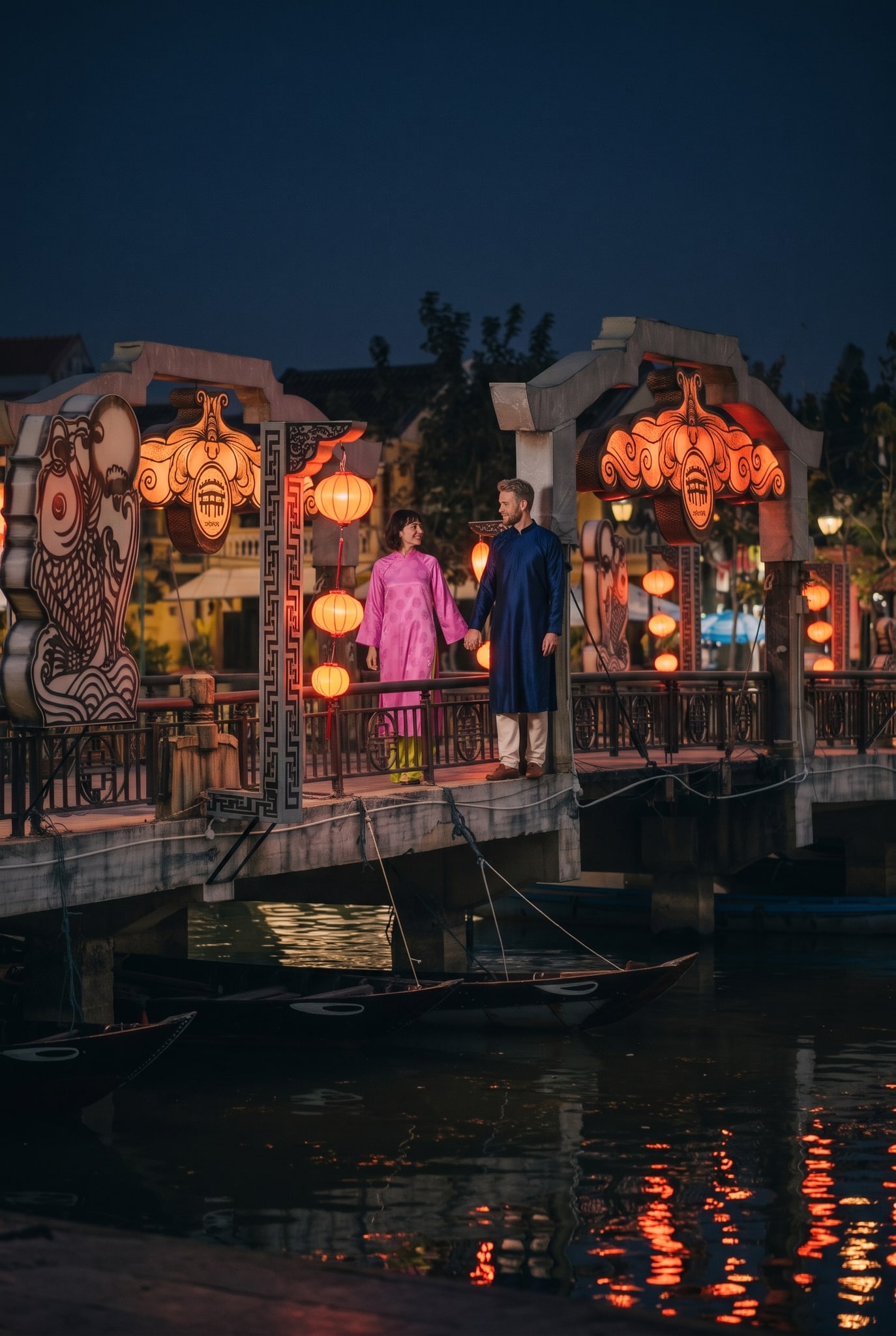
Hoi An: Vintage and tailor-made ao dai culture; many local shops offer bespoke fitting and rush services. Ideal for photoshoots due to the ancient town backdrop.
Da Nang: Seaside casual rentals; beach-appropriate fabrics and lighter colors. Growing photoshoot scene pairs well with ao dai.
Each city's inventory reflects local taste and tourism demand. Hanoi emphasizes tradition; Saigon offers trendy cuts; Hoi An specializes in artisanal pieces. Visit our city rental pages for location details, opening hours, and direct contacts.
---
How is ao dai worn respectfully, and what's considered disrespectful?
The ao dai is Vietnam's national dress and cultural symbol—wear it with genuine appreciation, not as a "costume" or joke. Never deliberately wrinkle, stain, or damage the ao dai during wear. Avoid behavior that mocks traditional attire: no removing the tunic indoors unless changing into another outfit, no sitting on it, no pulling or tugging at the fabric disrespectfully. During formal events (weddings, ceremonies), observe local protocol: remove shoes when entering temples or homes, bow slightly when greeting elders, and ask permission before photographing. If wearing an ao dai at a cultural site, show reverence—you're honoring the garment's significance. Foreigners who rent and wear ao dai thoughtfully are welcomed and respected. Conversely, travelers who treat it carelessly or use it for disrespectful content damage their reputation and the rental community's trust. Ao Dai Diaries clients receive etiquette guidance during fitting. When in doubt, ask—respect is always appreciated.
---
Comparison: Should you rent or buy an ao dai?
| Factor | Rent | Buy |
|---|---|---|
| Upfront cost | Low (daily rate + deposit) | High (bespoke or quality ready-made) |
| Time commitment | Hours (fitting to wear) | Weeks to months (tailoring) |
| Fit precision | Professional fitting included | Depends on tailor; may need adjustments |
| Storage | None (return after event) | Closet space, care over years |
| Fabric quality | Premium options (silk) available | Own choice; full investment |
| Maintenance | Shop handles cleaning | Your responsibility (dry clean, storage) |
| Best for | Tourists, one-off events, trials | Residents, frequent wearers, brides |
Rent if: You're visiting for a week, attending one event, unsure of fit, or testing whether you'll wear traditional dress regularly.
Buy if: You live in Vietnam year-round, celebrate Tet annually, or need custom pieces for multiple events.
Most tourists and first-time wearers rent. It removes pressure, ensures proper fit, and lets you experience the ao dai without commitment. Ao Dai Diaries supports both paths—consult us on WhatsApp/Zalo +84 338 762 340 if you're deciding.
---
What to check before you book an ao dai rental—a practical checklist.
- [ ] Date & time. Confirm your event date and whether you need same-day or advance rental.
- [ ] Measurements. Provide height, bust, waist, hip, and shoe size (affects hem length).
- [ ] Fabric preference. Choose silk, cotton blend, or synthetic based on occasion and climate.
- [ ] Style. Decide on color, embellishment (embroidery, beading), and traditional vs. modern cut.
- [ ] Delivery. Confirm whether you need hotel delivery or will collect from the shop.
- [ ] Deposit & cost. Clarify refundable deposit, daily rental rate, and any add-on fees (pressing, cleaning, late return).
- [ ] Damage policy. Understand what's considered normal wear and what incurs charges.
- [ ] Return process. Confirm rental duration, return time, and inspection procedure.
- [ ] Backup plan. Ask about availability—peak seasons may require earlier booking.
---
📸 Ao dai + photoshoot packages
---
Frequently asked questions
Can I rent an ao dai if I've never worn one before?
Absolutely. Ao Dai Diaries fits first-timers daily. Our staff explains how to stand, sit, and move in the tunic. Professional fitting takes 15–30 minutes. Many travelers wear ao dai successfully on their first try. Confidence builds when the fit is right.
How long does a typical ao dai rental last?
Rentals are priced per day (usually 24 hours from pickup). You can extend for additional days at the daily rate. Multi-day events (weddings, Tet celebrations) often offer discounted packages. Ask about your specific duration when booking.
Is the ao dai easy to remove and put on?
Yes. The tunic is simply slipped over your head; the trousers have a waistband zip or button. No special undergarments required, though a slip or seamless undergarment is recommended to prevent visibility through silk. Putting on takes 2–3 minutes once you're familiar.
What happens if I spill something on the rental ao dai?
Notify the rental shop immediately. Fresh stains are often removable if treated quickly. Dried or set stains may incur a cleaning fee or partial damage charge. Avoid eating greasy food in the ao dai to prevent this situation.
Can I wear the ao dai for a casual day out, or is it only for events?
The ao dai works for both. Formal silk pieces suit weddings and ceremonies; casual cotton-blend ao dai are perfect for sightseeing, Tet markets, and street photography. Many tourists rent for a full day of exploration. It's your choice—formality depends on fabric and style.
Do I need to speak Vietnamese to rent an ao dai?
No. Ao Dai Diaries staff and most rental shops speak English. You can book via WhatsApp/Zalo, email, or phone in English. Translation apps work for in-store communication if needed.
What's the difference between a traditional and modern ao dai design?
Traditional ao dai have higher necklines, longer sleeves, and minimal embellishment—reflecting north Vietnamese heritage. Modern designs feature lower necklines, side slits, and contemporary embroidery or beading. Both are respectful; choose based on your comfort and event formality. Ask your fitter for guidance. --- 👗 Rent your ao dai — WhatsApp/Zalo +84 338 762 340 | 📍 See rental by city | Return to Ao Dai Guide
Frequently asked questions
Can I rent an ao dai if I've never worn one before?
Absolutely. Ao Dai Diaries fits first-timers daily. Our staff explains how to stand, sit, and move in the tunic. Professional fitting takes 15–30 minutes. Many travelers wear ao dai successfully on their first try. Confidence builds when the fit is right.
How long does a typical ao dai rental last?
Rentals are priced per day (usually 24 hours from pickup). You can extend for additional days at the daily rate. Multi-day events (weddings, Tet celebrations) often offer discounted packages. Ask about your specific duration when booking.
Is the ao dai easy to remove and put on?
Yes. The tunic is simply slipped over your head; the trousers have a waistband zip or button. No special undergarments required, though a slip or seamless undergarment is recommended to prevent visibility through silk. Putting on takes 2–3 minutes once you're familiar.
What happens if I spill something on the rental ao dai?
Notify the rental shop immediately. Fresh stains are often removable if treated quickly. Dried or set stains may incur a cleaning fee or partial damage charge. Avoid eating greasy food in the ao dai to prevent this situation.
Can I wear the ao dai for a casual day out, or is it only for events?
The ao dai works for both. Formal silk pieces suit weddings and ceremonies; casual cotton-blend ao dai are perfect for sightseeing, Tet markets, and street photography. Many tourists rent for a full day of exploration. It's your choice—formality depends on fabric and style.
Do I need to speak Vietnamese to rent an ao dai?
No. Ao Dai Diaries staff and most rental shops speak English. You can book via WhatsApp/Zalo, email, or phone in English. Translation apps work for in-store communication if needed.
What's the difference between a traditional and modern ao dai design?
Traditional ao dai have higher necklines, longer sleeves, and minimal embellishment—reflecting north Vietnamese heritage. Modern designs feature lower necklines, side slits, and contemporary embroidery or beading. Both are respectful; choose based on your comfort and event formality. Ask your fitter for guidance. --- [👗 Rent your ao dai — WhatsApp/Zalo +84 338 762 340](https://wa.me/84338762340) | [📍 See rental by city](/rent) | [Return to Ao Dai Guide](/guide/ao-dai)
Dozens of colours, all sizes XS–XXL, delivered to your hotel in Hanoi, Saigon, Hoi An or Da Nang. One WhatsApp or Zalo message.
More guides
You might also like
The ao dai is Vietnam's iconic silk dress, worn for celebrations and formal occasions. Ao Dai Diarie
May is Vietnam's hottest month before monsoon season. We'll help you choose the right outfit—whether
December weather in Vietnam is cool and dry—ideal for wearing the ao dai. Here's what suits the seas