guide/ao-dai
Vietnamese People Traditional Dress: Ao Dai Guide & Rental
Ao Dai Diaries team · All guides →
The ao dai is Vietnam's national dress: a fitted silk tunic worn over silk pants, originating in the 15th century and refined during French colonial and modern eras. Vietnamese people wear it for Tet (Lunar New Year), weddings, graduations, temple visits, and formal occasions; younger generations and tourists now rent for photoshoots and city exploration. Ao Dai Diaries offers same-day and advance rentals in Hanoi, Ho Chi Minh City, Hoi An, and Da Nang, with fitting in sizes XS–XXL, custom tailoring on request, and hotel delivery. Rentals typically include the tunic, pants, and styling advice; a refundable deposit secures the booking. Costs range based on fabric quality (cotton blends, silk) and design complexity; expect to budget accordingly per city and occasion. Before renting, confirm your actual shoulder and bust measurements, preferred color, and event date—ao dai is respected cultural dress, so wear with reverence and follow etiquette guidelines (no disrespect, cover shoulders during temple visits, ask permission before photography). ---
What makes ao dai different from other traditional Asian dresses?
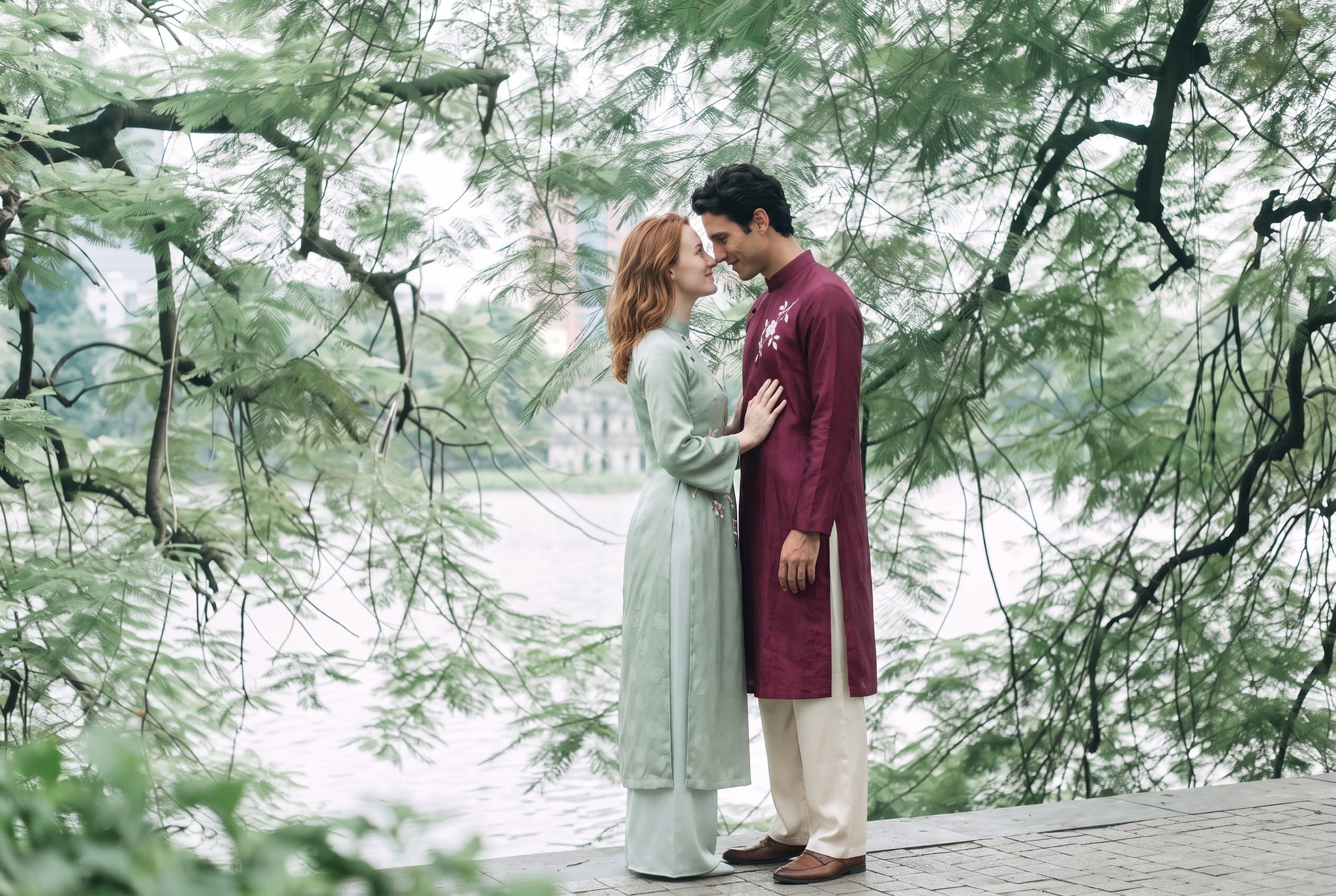
The ao dai's silhouette is its signature: a high, fitted bodice that skims the waist and hips, then splits from the hip to floor in front and back, worn over flowing pants. Unlike Japan's kimono (wrapped and belted), Thailand's cheongsam, or Cambodia's sampot, the ao dai's slim, column-like shape reflects Vietnam's aesthetic—modest yet elegant. Its neckline is typically high and rounded; sleeves are either long and tapered or short, depending on era and occasion. The fabric drapes weightlessly, creating a flowing, almost ethereal effect when you walk. Vietnamese people choose ao dai for formal events precisely because it conveys grace, tradition, and cultural pride without bulk. Renting lets you experience that sensation—how the fabric moves, how the fit transforms your posture—rather than viewing it as costume.
Who actually wears ao dai in modern Vietnam?
School girls and high school students wear white or pale ao dai as daily uniform in many institutions. Brides wear ornate silk ao dai (often red or gold) on wedding days; grooms wear formal versions too. Government officials and airline staff wear tailored ao dai at work. Temple-goers wear simple cotton ao dai for religious observance; the dress signals respect and mindfulness. Tourists and diaspora Vietnamese rent ao dai for Tet celebrations, photoshoots at UNESCO sites like Hoi An's Ancient Town, and to connect with heritage. Young professionals now wear modern ao dai interpretations to weddings and formal dinners. The dress is not "historical costume"—it's living tradition, worn by millions daily. When you rent from Ao Dai Diaries, you're stepping into a garment that real Vietnamese people choose, not performing history.
👗 Rent your ao dai — WhatsApp/Zalo +84 338 762 340
How do you choose the right ao dai for your body and occasion?
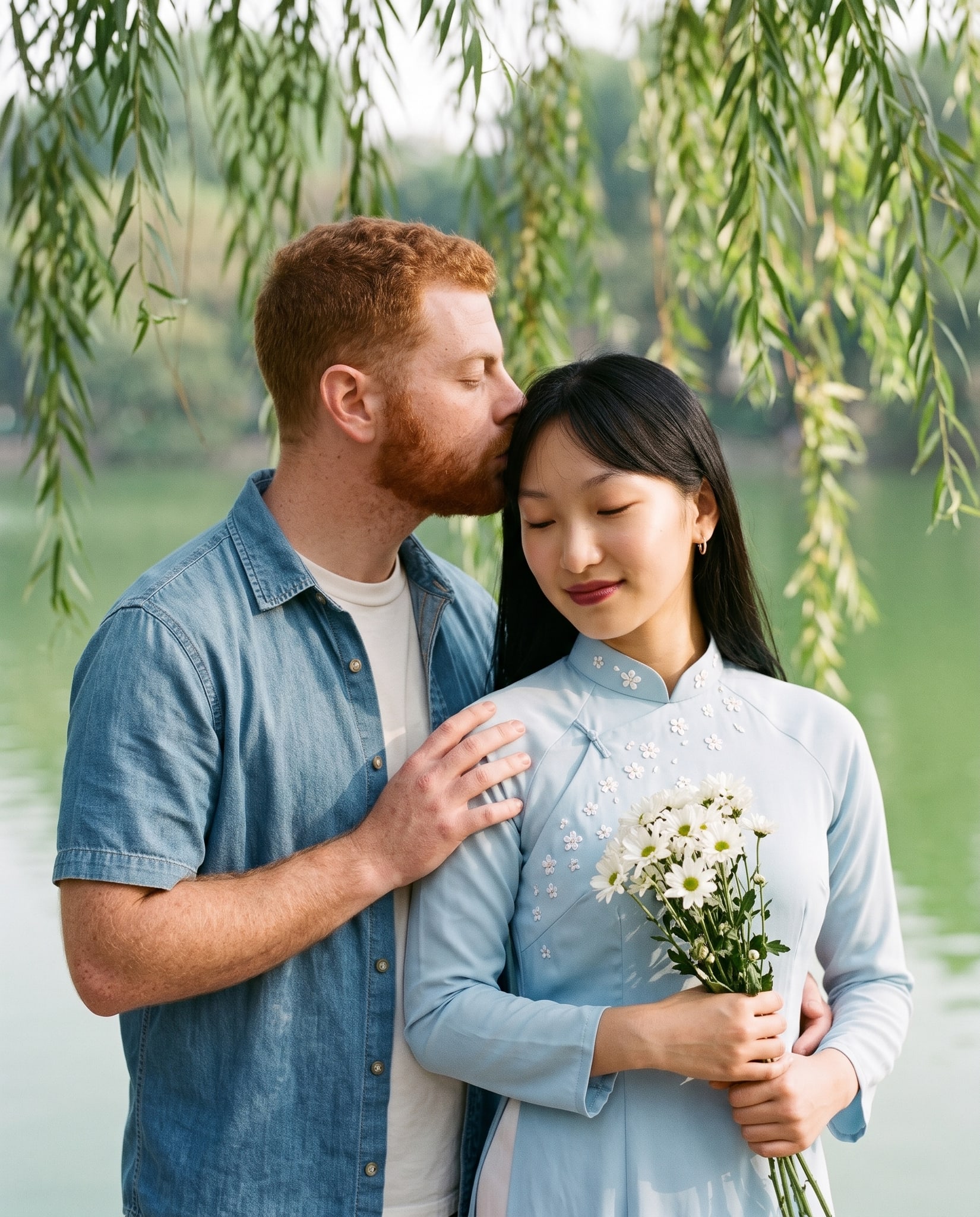
Ao dai fit depends on three measurements: shoulder width (how the neckline sits), bust (the fitted panel), and inseam (the pants length). Rentals in sizes XS–XXL accommodate most frames; custom tailoring adds 2–3 days. For photoshoots, lighter cotton blends and pastel colors (lavender, mint, pale pink, cream) photograph beautifully; silk versions (deep jewel tones, red, teal) suit weddings and Tet. Temple visits and formal events call for understated designs and modest sleeve length. If you're petite, shorter sleeve lengths and simple patterns elongate your frame; taller frames handle longer sleeves and bolder embroidery. Request a fitting appointment before your rental date so the stylist can confirm comfort and movement. The ao dai should feel snug but not restrictive—you'll be moving in it for hours. A poorly fitting ao dai restricts breathing and pulling the neckline off-center; proper fit is non-negotiable.
| Occasion | Best Fabric | Color Guide | Sleeve Style | Embroidery Level |
|---|---|---|---|---|
| Photoshoot/city walk | Cotton blend or light silk | Pastels (cream, lavender, mint) | Short or 3/4 | Minimal or floral |
| Wedding (guest/family) | Silk | Deep jewel tones or red | Long, tapered | Intricate beading/embroidery |
| Tet celebration | Silk or silk-blend | Red, gold, or deep jewel | Long, traditional | Moderate to ornate |
| Temple visit | Cotton or cotton-blend | White, cream, or muted colors | Long-sleeved | None or subtle |
| Formal dinner/gala | Silk | Navy, teal, wine, or black | Long or 3/4 | Subtle to moderate |
| High school/student | Cotton-blend | White or pale pastel | Long, tapered | None (uniform style) |
This table reflects rental options based on purpose and cultural sensitivity—each combination balances aesthetic beauty with appropriate respect for the occasion.
What's the rental process, and what should you verify before booking?
Here's the step-by-step workflow:
- Contact & consultation (WhatsApp/Zalo +84 338 762 340): Share your event date, body measurements, color preference, and occasion.
- Fitting appointment: Visit the rental studio (or request video fitting for hotel guests) within 2–3 days.
- Tailoring confirmation: Stylist adjusts hem, neckline, or sleeve length if needed (standard alterations included; major adjustments add 1–2 days).
- Deposit & booking: Refundable deposit confirms your reservation and delivery/pickup date.
- Styling session: Learn how to wear, adjust, and pose in the ao dai; receive care instructions.
- Delivery or pickup: Same-day or scheduled delivery to your hotel or rental studio.
- Return & refund: Drop off on agreed date (within rental window); inspect for damage and process refund.
Before booking, verify:
- Exact shoulder and bust measurements (measure snugly, not loosely).
- Rental dates (include buffer time if traveling on event day).
- Color and sleeve-length preferences (bring reference photos).
- Hotel address or pickup location.
- Whether tailoring is needed and how many days it takes.
- Deposit amount and payment method (cash, bank transfer, card).
- Return deadline and late fees (if any).
- Care instructions (can you hand-wash, or must you dry-clean?).
- Insurance or damage policy (what if the ao dai tears?).
Avoid surprises: ask questions upfront. Ao Dai Diaries staff answer via WhatsApp in English and Vietnamese, so there's no language barrier.
📸 Ao dai + photoshoot packages
Where should you rent ao dai by city, and what's the pricing landscape?
Rental availability and styling vary by location. Hanoi rentals are concentrated in the Old Quarter and French Quarter (near temples, historic streets, photo-friendly architecture). Ho Chi Minh City (Saigon) has studios in District 1 and District 3 (central, near Ben Thanh Market, Notre-Dame Cathedral, and the Bitexco Financial Tower). Hoi An, a UNESCO Ancient Town, is the photoshoot capital—rental studios cluster near the Night Market and Japanese Covered Bridge, with tailored packages for tourists. Da Nang serves both beachside shoots and formal events; studios are near the city center and the Marble Mountains.
Pricing is based on fabric quality, design complexity, and rental duration. Basic cotton-blend rentals for short photoshoots are more affordable; silk versions and longer rental periods cost more. Multi-day rentals often offer discounts. Same-day rentals (same-day fitting + delivery) incur rush fees. Deposit amounts vary by city and rental value; ask during consultation. The /guide/ao-dai pillar resource outlines estimated budget ranges by city; the /how-it-works page explains payment and deposit policies in detail.
For city-specific rental availability and studios, visit /hanoi, /ho-chi-minh-city, /hoi-an, and /da-nang pages.
How do you style an ao dai respectfully and avoid cultural mistakes?
The ao dai is not costume—it's a living cultural garment. Respect starts with intent: wear it to celebrate, honor heritage, or genuinely experience Vietnamese culture, not to mock or trivialize. Here are key etiquette points:
Do:
- Wear the ao dai with the neckline high and centered (no plunging or off-shoulder variations unless explicitly designed).
- Pair it with traditional Vietnamese jewelry (delicate bracelets, simple earrings) or modern minimalist pieces.
- Wear it with hair neatly styled (pulled back, loose waves, or a traditional bun).
- Cover your shoulders and knees during temple visits (long sleeves and full-length pants are standard).
- Ask permission before photographing locals or in sacred spaces.
- Treat the fabric gently; hand-wash or dry-clean per instructions.
Avoid:
- Wearing it disrespectfully or as a "costume joke."
- Pairing it with casual sneakers or loud Western logos (wear flat sandals, embroidered shoes, or ballet flats).
- Pulling the neckline down or altering the silhouette to sexualize it.
- Eating or drinking heavily in the ao dai (it stains easily).
- Sitting on the tunic or creasing the pleats unnecessarily.
- Taking photos that demean Vietnamese culture or sacred places.
Ao Dai Diaries stylists guide you through these norms during fitting. Ask questions if you're unsure—that's what they're there for. Wearing an ao dai respectfully deepens your connection to Vietnam and honors the people who shaped this tradition.
---
What to check before you book
| Checklist Item | Why It Matters | How to Confirm |
|---|---|---|
| Measurements (shoulder, bust, inseam) | Poorly fitted ao dai is uncomfortable and photographs badly. | Measure snugly at home or ask stylist to re-measure during fitting. |
| Event date and rental window | Booking too close to the event leaves no buffer for tailoring or delivery delays. | Confirm 4–7 days in advance if possible; same-day rentals carry rush fees. |
| Color and sleeve preference | Color affects how you photograph and whether the ao dai suits your skin tone and occasion. | Bring reference photos; ask stylist which colors are in stock. |
| Fabric and embroidery type | Silk drapes beautifully but requires careful care; cotton-blends are easier to maintain but less formal. | Ask about fabric composition; inquire about embroidery care (dry-clean only? hand-wash safe?). |
| Tailoring timeline | Major alterations (hemming, neckline adjustments, sleeve length) take time. | Ask upfront if alterations are needed and how many days the studio requires. |
| Deposit and payment terms | Unclear terms lead to disputes. | Confirm deposit amount, what it covers, payment methods, and refund conditions. |
| Care instructions and damage policy | You're responsible for the rental during your period; know what's expected. | Request written care instructions and clarify who covers accidental damage (stains, tears). |
| Delivery or pickup logistics | Miscommunication about where/when to drop off causes stress and late fees. | Confirm delivery address, times, and return deadline before signing the agreement. |
A quick WhatsApp check-in covers all of this and prevents headaches. Ao Dai Diaries aims for zero surprises—ask everything.
---
Frequently asked questions
What is the main difference between an ao dai worn by Vietnamese students versus formal ao dai for weddings?
School ao dai are typically white or pale pastel cotton-blends with minimal embroidery—simple, durable, and easy to care for daily. Wedding ao dai are silk or embellished blends with intricate beading, hand-embroidered motifs, and richer colors (red, gold, jewel tones). The silhouette and neckline are similar, but wedding versions convey ceremony and luxury through fabric and detail. Rental studios carry both; ask which style suits your event.
Can foreigners rent and wear ao dai, or is it reserved for Vietnamese people?
Foreigners absolutely can rent and wear ao dai—Vietnamese culture welcomes respectful participation and interest. Millions of tourists and diaspora Vietnamese rent every year for photoshoots, Tet, and celebrations. Wear it with genuine respect, follow etiquette (no mockery, cover shoulders in temples), and you'll be received warmly. Ao Dai Diaries rents to visitors from all backgrounds daily.
How long can I rent an ao dai, and are there discounts for multi-day rentals?
Rental periods vary by studio—typically 1 day, 3 days, or a week. Multi-day rentals often have sliding-scale pricing; ask during consultation. Same-day rentals (fitting + wear the same day) may incur rush fees. For events like weddings where you'll wear it multiple days, negotiate the rental window upfront. Contact Ao Dai Diaries via WhatsApp to discuss your timeline and get a quote.
What if the ao dai doesn't fit after I bring it back, or I accidentally stain it?
Proper fitting during the rental appointment should prevent size issues—but if something feels wrong after pickup, contact the studio immediately for adjustments. Minor stains (depending on fabric) may be forgiven; major damage or permanent stains typically involve damage fees, per the rental agreement. Treat the garment carefully during wear: avoid food and drink, sit mindfully, and handle the fabric gently. Ask about the specific damage policy before booking.
Are there ao dai rental packages that include photoshoots or styling services?
Yes—many studios offer ao dai + photoshoot packages bundling rental, styling advice, and connections to local photographers or pre-arranged shoot locations. These are especially popular in Hoi An and Da Nang. Packages often include hair and makeup, multiple outfit changes, and edited photos. Prices and inclusions vary; see the packages page or ask Ao Dai Diaries what's available for your city and date.
What measurements do I need to provide, and how do I measure myself accurately?
You'll need shoulder width (bone-to-bone across your back), bust (snugly around the fullest part, not compressed), and inseam (inside seam of the leg, ankle to crotch). Use a soft measuring tape; wear a bra if you normally do. Measure standing straight, not bent. If you're unsure, ask the stylist to re-measure during your fitting appointment—they'll catch any errors. Accurate measurements are essential for comfort and a flattering fit. ===
Frequently asked questions
What is the main difference between an ao dai worn by Vietnamese students versus formal ao dai for weddings?
School ao dai are typically white or pale pastel cotton-blends with minimal embroidery—simple, durable, and easy to care for daily. Wedding ao dai are silk or embellished blends with intricate beading, hand-embroidered motifs, and richer colors (red, gold, jewel tones). The silhouette and neckline are similar, but wedding versions convey ceremony and luxury through fabric and detail. Rental studios carry both; ask which style suits your event.
Can foreigners rent and wear ao dai, or is it reserved for Vietnamese people?
Foreigners absolutely can rent and wear ao dai—Vietnamese culture welcomes respectful participation and interest. Millions of tourists and diaspora Vietnamese rent every year for photoshoots, Tet, and celebrations. Wear it with genuine respect, follow etiquette (no mockery, cover shoulders in temples), and you'll be received warmly. Ao Dai Diaries rents to visitors from all backgrounds daily.
How long can I rent an ao dai, and are there discounts for multi-day rentals?
Rental periods vary by studio—typically 1 day, 3 days, or a week. Multi-day rentals often have sliding-scale pricing; ask during consultation. Same-day rentals (fitting + wear the same day) may incur rush fees. For events like weddings where you'll wear it multiple days, negotiate the rental window upfront. Contact Ao Dai Diaries via WhatsApp to discuss your timeline and get a quote.
What if the ao dai doesn't fit after I bring it back, or I accidentally stain it?
Proper fitting during the rental appointment should prevent size issues—but if something feels wrong after pickup, contact the studio immediately for adjustments. Minor stains (depending on fabric) may be forgiven; major damage or permanent stains typically involve damage fees, per the rental agreement. Treat the garment carefully during wear: avoid food and drink, sit mindfully, and handle the fabric gently. Ask about the specific damage policy before booking.
Are there ao dai rental packages that include photoshoots or styling services?
Yes—many studios offer [ao dai + photoshoot packages](/packages) bundling rental, styling advice, and connections to local photographers or pre-arranged shoot locations. These are especially popular in Hoi An and Da Nang. Packages often include hair and makeup, multiple outfit changes, and edited photos. Prices and inclusions vary; see the packages page or ask Ao Dai Diaries what's available for your city and date.
What measurements do I need to provide, and how do I measure myself accurately?
You'll need shoulder width (bone-to-bone across your back), bust (snugly around the fullest part, not compressed), and inseam (inside seam of the leg, ankle to crotch). Use a soft measuring tape; wear a bra if you normally do. Measure standing straight, not bent. If you're unsure, ask the stylist to re-measure during your fitting appointment—they'll catch any errors. Accurate measurements are essential for comfort and a flattering fit. ===
Dozens of colours, all sizes XS–XXL, delivered to your hotel in Hanoi, Saigon, Hoi An or Da Nang. One WhatsApp or Zalo message.
More guides
You might also like
The ao dai is Vietnam's iconic silk dress, worn for celebrations and formal occasions. Ao Dai Diarie
May is Vietnam's hottest month before monsoon season. We'll help you choose the right outfit—whether
December weather in Vietnam is cool and dry—ideal for wearing the ao dai. Here's what suits the seas