guide/ao-dai
Vietnamese Women in Ao Dai: Renting, Styling & Etiquette
Ao Dai Diaries team · All guides →
Vietnamese women wear the ao dai (pronounced "áo dài") as Vietnam's national dress: a floor-length silk or cotton tunic paired with high-waisted trousers. Tourists and locals rent through services like Ao Dai Diaries in Hanoi, Ho Chi Minh City, Hoi An, and Da Nang for photoshoots, weddings, Tet, and city strolls. Rental includes fitting, tailoring (takes 1–3 hours for same-day pickup, or delivery to your hotel), and deposit protection—no purchase needed. Sizes range XS to XXL; traditional ao dai is respectful, elegant wear, never casual or provocative. Costs vary by city and style; book via WhatsApp/Zalo to confirm availability and avoid disappointment.
What does an ao dai look like on different body types?
The ao dai's fitted bodice and flowing skirt flatter most frames when tailored properly. Petite women (under 5'2″) need shorter panels and hem adjustments; taller frames (5'8″+) require longer panels and waist shaping. Curvier figures benefit from side seams that taper rather than cling; slimmer builds look balanced in heavier silk. The high waist sits at your natural waist, not hips—this elongates legs. Ao Dai Diaries staff measure and adjust during fitting so silhouette suits your shape, not a standard template.
👗 Rent your ao dai — WhatsApp/Zalo +84 338 762 340
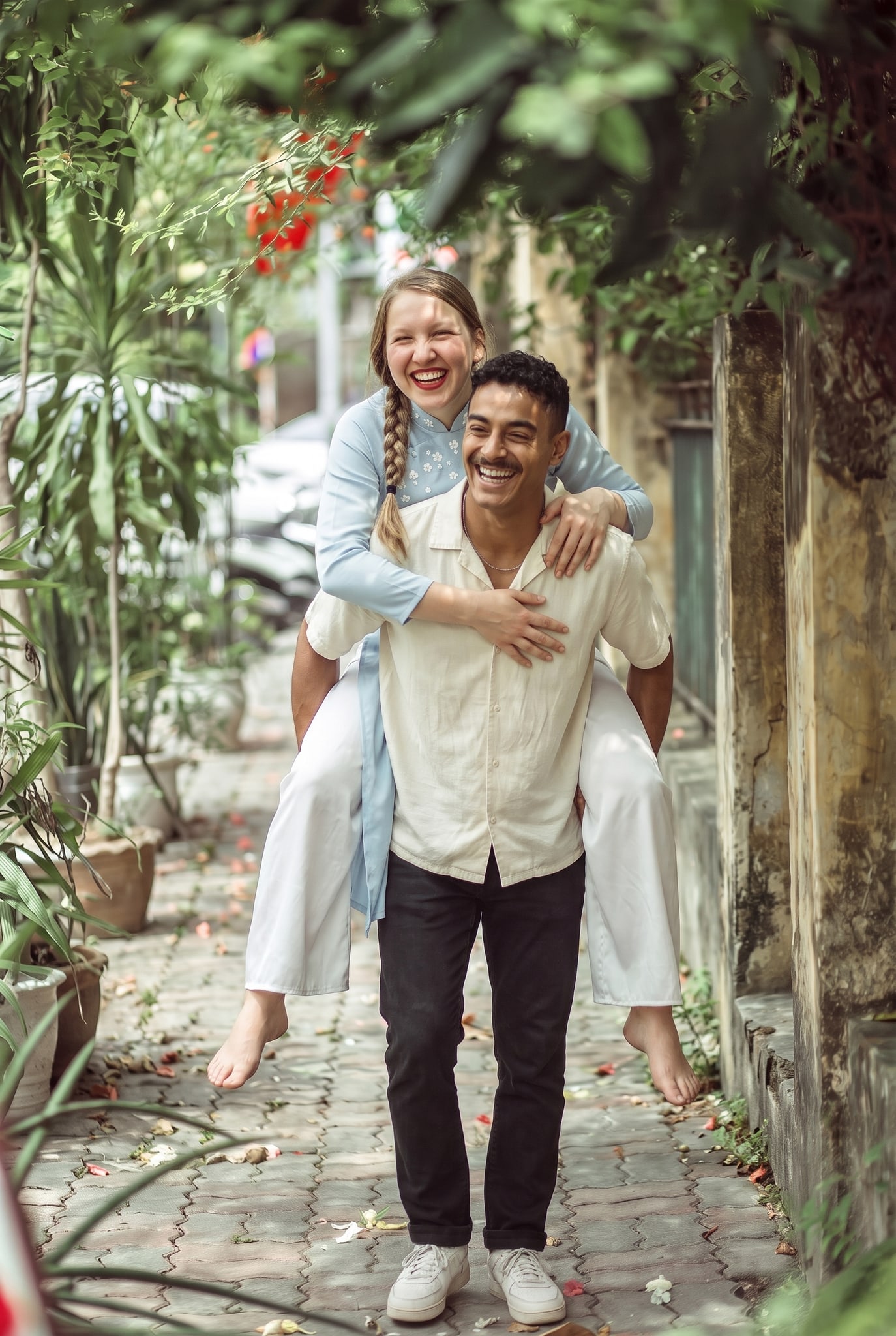
How long does rental fitting and alterations actually take?
A standard fitting takes 20–30 minutes (bust, waist, hip, shoulder, length). Tailoring for same-day rental adds 1–3 hours depending on alterations needed and shop workload. Hotels in busy districts (Hanoi's Old Quarter, Saigon's District 1, Hoi An's Ancient Town) often see longer queues during peak tourism (October–March). Booking early morning (8–10 a.m.) or a weekday reduces wait time. If you need it same-day, confirm availability when you book; late requests may push to next-day pickup or hotel delivery.
Should you rent or buy an ao dai as a visitor?
Renting costs less (initial deposit), eliminates luggage space, and avoids care—ao dai requires hand-wash and expert pressing. Buying makes sense if you'll wear it multiple times at home or plan to gift it. Rental is ideal for one-off photoshoots, weddings, or holidays; you get a freshly tailored garment without long-term commitment. Most tourists choose rental for convenience; locals often own formal pieces and rent supplementary styles for specific events.
| Choice | Best for | Fit & Care | Packing hassle? |
|---|---|---|---|
| Rent | Tourists, one-time events | Custom-fitted same-day | No—return after use |
| Buy | Multiple wears, gifts, keepsakes | DIY care, dry-clean costs | Yes—delicate folding needed |
What's the difference between cotton and silk ao dai?
Cotton ao dai is breathable, easier to care for, and ideal for warm-weather photoshoots or casual city strolls. Silk drapes elegantly, holds embroidery and embellishments better, and suits formal weddings and Tet. Silk wrinkles slightly and requires careful handling; cotton is forgiving. Rentals typically offer both—confirm fabric when booking so you match it to your event and climate. Hoi An and Da Nang rentals lean toward silk for photography; Hanoi and Ho Chi Minh City stock both for all-season demand.
How do you style and wear an ao dai respectfully?
Wear the ao dai with the matching high-waisted trousers (always full-length, never cropped). Hair is traditionally pinned up or worn long and loose—no baseball caps or sunglasses perched on your head. Makeup is optional but enhances photos; avoid excessive makeup that looks tacky. Shoes are optional for formal events (often bare feet indoors at temples or weddings) or wear flat sandals or ballet flats outdoors. Never tie, knot, or alter the tunic; sit carefully to avoid wrinkles. The ao dai is ceremonial wear—slouching or draping it carelessly signals disrespect to Vietnamese culture.
📸 Ao dai + photoshoot packages
What to check before you rent
- Measurement accuracy: Bring a measuring tape or visit the shop early; staff re-measure on-site to confirm.
- Deposit terms: Confirm amount, refund conditions, and damage policy before paying.
- Rental period: Clarify if it's 24 hours, half-day, or overnight; late returns often incur extra fees.
- Alterations included: Ask if hemming, taking in, or taking out seams are included or charged separately.
- Return condition: Know if the rental expects a gentle wash (rare) or if you return it unwashed (typical).
- Color & design: See photos or swatches of available styles; popular colors (crimson, navy, ivory) sell out fast.
- Hotel delivery: If available, confirm cost and time window; some shops charge extra for out-of-area delivery.
| Before you pay | Why it matters | What to ask |
|---|---|---|
| Size range (XS–XXL) | Off-size = poor fit, no-go photos | "Do you stock my US size?" |
| Alteration speed | Confirms same-day or next-day | "How long for hemming?" |
| Deposit amount & refund | Protects you from hidden charges | "Full refund if unused?" |
| Fabric & color choice | Ensures style matches your event | "Any crimson silk left?" |
| Return deadline | Prevents late fees | "Deadline for 24-hr rental?" |
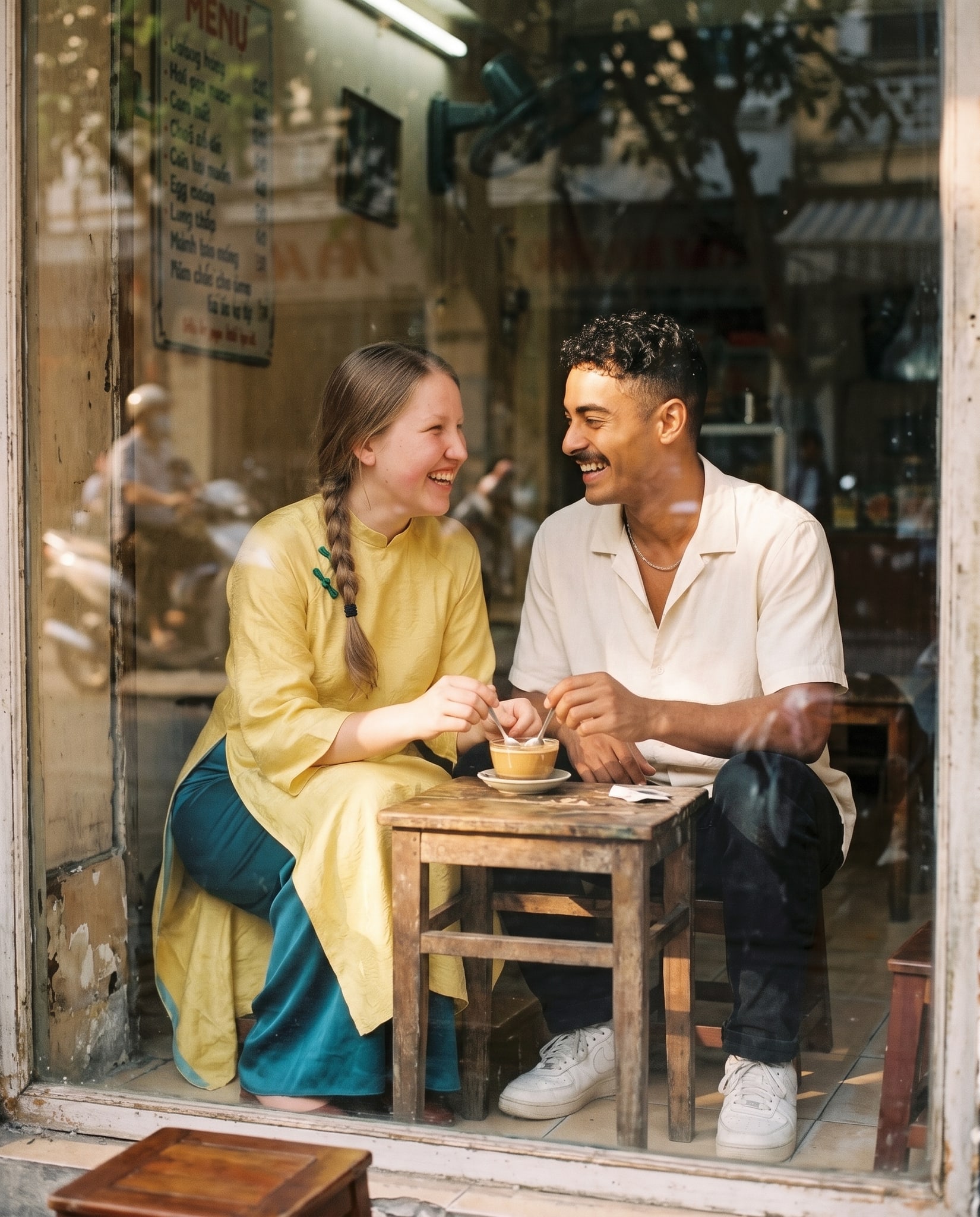
Where to rent in each city
Hanoi: French Quarter and Old Quarter shops cater to tourists and locals alike. Expect longer fitting queues (30+ min) in peak season; book ahead.
Ho Chi Minh City (Saigon): District 1 and Ben Thanh area concentrate rentals near major hotels. Same-day turnaround is common; prices reflect central-city demand.
Hoi An: Ancient Town rentals are tourist-focused; many shops offer photo-spot recommendations. Fitting and delivery within 1–2 hours is typical.
Da Nang: Beach-resort rentals often bundle photoshoots with beachfront backdrops. Slightly less crowded than Hoi An; same-day rental is reliable.
For step-by-step rental process details, see how ao dai rental works.
Real reasons your ao dai might not fit on arrival
- Staff measured you in loose clothing (heavy jacket, sweater). Wear fitted clothes or re-measure shirtless.
- You assumed your US size matches Vietnamese sizing (Vietnamese XL ≠ US XL; always measure). Request staff re-check before tailoring starts.
- Hemming was rushed (shop was busy; tailor guessed). Arrive early to inspect fit; ask for a quick re-hem if needed.
- You moved more than expected (sitting, bending, dancing); ao dai has limited stretch. Alterations can add gussets or side seams if needed.
- Hotel room mirror was unflattering (poor lighting, angle). Step outside or ask shop to take a test photo before you leave.
Honest take: Once tailored, your rental fit is your responsibility. Inspect before pickup and communicate any issues immediately so the shop can adjust. A rushed, angry tailor produces sloppy hems; a calm, grateful customer gets priority care.
Comparing rental types: which suits your plan?
| Your event | Ao dai type | Timing | Where to rent |
|---|---|---|---|
| Solo photoshoot, tourist | Modern silk, jewel tones | Same-day or next-day | Any city; book 1–2 days ahead |
| Wedding (guest) | Formal silk, embroidered | 1–3 days | Hanoi or Ho Chi Minh; confirm sizes |
| Tet / holiday | Traditional cotton or silk | 3–7 days ahead | Any city; popular styles sell out fast |
| City stroll, vlog/social | Comfortable cotton or silk blend | Same-day | Hoi An or Da Nang (tourism-optimized) |
| Graduation, formal event | High-end silk, custom dye | 7–14 days | Hanoi or Ho Chi Minh (skilled tailors) |
See ao dai rental packages to browse curated event bundles.
The hidden cost: what's NOT included in rental
Most rentals include the tunic and trousers tailored to fit. Not typically included: conical hat (nón lá), silk scarf, jewelry, or professional photography. Some shops bundle hat rental for a small fee; others charge separately. If you want coordinated styling (earrings, bracelet, scarf), ask upfront—boutique rentals may source pieces for a premium. Photography packages are separate; see ao dai + photoshoot partnerships for bundles that include photographer and location.
👗 Rent your ao dai — WhatsApp/Zalo +84 338 762 340
Etiquette: wearing ao dai in temples, weddings, and public
Temples & sacred sites: Ao dai is respectful here. Shoes off indoors; bow slightly when entering. Never sit with legs stretched; fold your legs or kneel on provided cushions.
Weddings: Wear the ao dai with shoes (indoor) or bare feet (traditional home ceremony). Sit upright; don't lounge or cross legs widely—the tunic is formal.
Street & café: Ao dai is everyday wear for Vietnamese women; tourists wearing it draw admiring looks, not offense. Stand and walk confidently; slouching undermines the elegance.
Photography (public spaces): Ao dai photography is celebrated. Ask permission before photographing strangers or temples. Pose naturally; exaggerated, provocative poses cheapen the garment's dignity.
Tourist traps: Avoid wearing ao dai to nightclubs, bars, or rowdy venues—it signals formality and invites unwanted attention. Wear it for cultural, celebratory, or artistic purposes.
For deeper cultural context, browse ao dai guides.
---
Frequently asked questions
Is renting ao dai for tourists considered disrespectful?
No. Renting to honor and wear the ao dai authentically is celebrated by Vietnamese people. Disrespect comes from wearing it carelessly (slouching, tying it up, treating it like a costume) or to mock—not from being foreign and renting it properly fitted.
What if I gain or lose weight between booking and pickup?
Inform the shop immediately. Rentals include re-measuring and re-tailoring at no extra charge if the change is modest. If you've changed significantly, the shop may recommend a different size or style; some may charge for major alterations.
Can I wear an ao dai over my regular bra and underwear?
Yes, and it's typical. The ao dai's fitted bodice works over a smooth, supportive bra. Avoid thick straps or visible padding; a seamless or thin-strap option is ideal. The tunic will show undergarment edges if not smooth, so wear fitted foundations.
How do I style my hair and makeup to match an ao dai?
Traditional: pin hair up in a low bun or chignon. Modern: long, straight, or loose waves work too. Makeup is optional; Vietnamese women often skip it or wear light, natural tones. For photos, a bit of mascara and lip color enhance without clashing with the garment's elegance.
What's the average rental cost range?
Costs vary by city, fabric, and complexity. Contact Ao Dai Diaries on WhatsApp/Zalo +84 338 762 340 to confirm pricing for your dates and preferred style; deposit typically holds your reservation and is refunded upon return.
Can I wash or dry-clean the ao dai before returning it?
No—rental returns should be unwashed. Gentle hand-wash and press are the shop's responsibility. If you spill something, inform the shop immediately; minor stains usually aren't charged, but large damage incurs a cleaning or repair fee per the rental agreement.
Are plus-size (XL–XXL) ao dai available in all cities?
Larger sizes are stocked in major hubs (Hanoi, Ho Chi Minh City) but may be limited in smaller areas (Hoi An, Da Nang). Book 3–5 days ahead if you need XL or XXL; same-day availability isn't guaranteed for extended sizes, but tailors can often adjust quickly if stock is on hand.
Dozens of colours, all sizes XS–XXL, delivered to your hotel in Hanoi, Saigon, Hoi An or Da Nang. One WhatsApp or Zalo message.
More guides
You might also like
The ao dai is Vietnam's iconic silk dress, worn for celebrations and formal occasions. Ao Dai Diarie
May is Vietnam's hottest month before monsoon season. We'll help you choose the right outfit—whether
December weather in Vietnam is cool and dry—ideal for wearing the ao dai. Here's what suits the seas