guide/ao-dai
Vietnamese Women Traditional Ao Dai: Styles, Rental & Occasion Guide
Ao Dai Diaries team · All guides →
The ao dai is Vietnam's national women's dress: a long, fitted tunic worn over silk trousers. At Ao Dai Diaries, we rent authentic pieces in silk, cotton, and blends across sizes XS–XXL for tourists and locals in Hanoi, Ho Chi Minh City, Hoi An, and Da Nang. A typical rental takes 2–4 hours for fitting, styling, and photoshoots, or longer for events like weddings or Tet celebrations. Rentals include tailored fitting, cultural styling advice, and hotel delivery. Costs vary by fabric, complexity, and season—contact us on WhatsApp/Zalo +84 338 762 340 for custom quotes. Avoid renting without a fitting: poor fit ruins photos and comfort. The ao dai is sacred traditional wear; respect its dignity in every setting.
Vietnamese women have worn the ao dai for over a century, and it remains the most recognizable symbol of Vietnamese identity. Whether you're stepping into a photoshoot, attending a wedding, or celebrating Tet, understanding the different styles, fabrics, and occasions helps you choose the right rental—and wear it with genuine respect.
What fabrics and styles suit which occasions?
Silk ao dai are the premium choice for formal events: weddings, graduations, temple visits, and luxury photoshoots. Cotton ao dai work beautifully for casual city strolls, casual photoshoots, and daytime exploration. Blended fabrics (cotton–silk mix) offer durability and elegance at a middle price point, ideal for half-day rentals or first-time wearers. Each fabric drapes differently: silk has a fluid, luxurious movement; cotton sits crisper and holds creases longer in humid climates. Linen blends breathe well in summer.
The color you choose signals the occasion too. White, pastels, and soft jewel tones suit spring photoshoots and daytime events. Deep reds, golds, and dark blues are traditional for Tet and formal celebrations. Floral embroidery or hand-sewn details elevate weddings. Simple, solid pieces respect temple etiquette. Your occasion should guide your fabric and color choice.
👗 Rent your ao dai — WhatsApp/Zalo +84 338 762 340
How does sizing work if you're not petite?
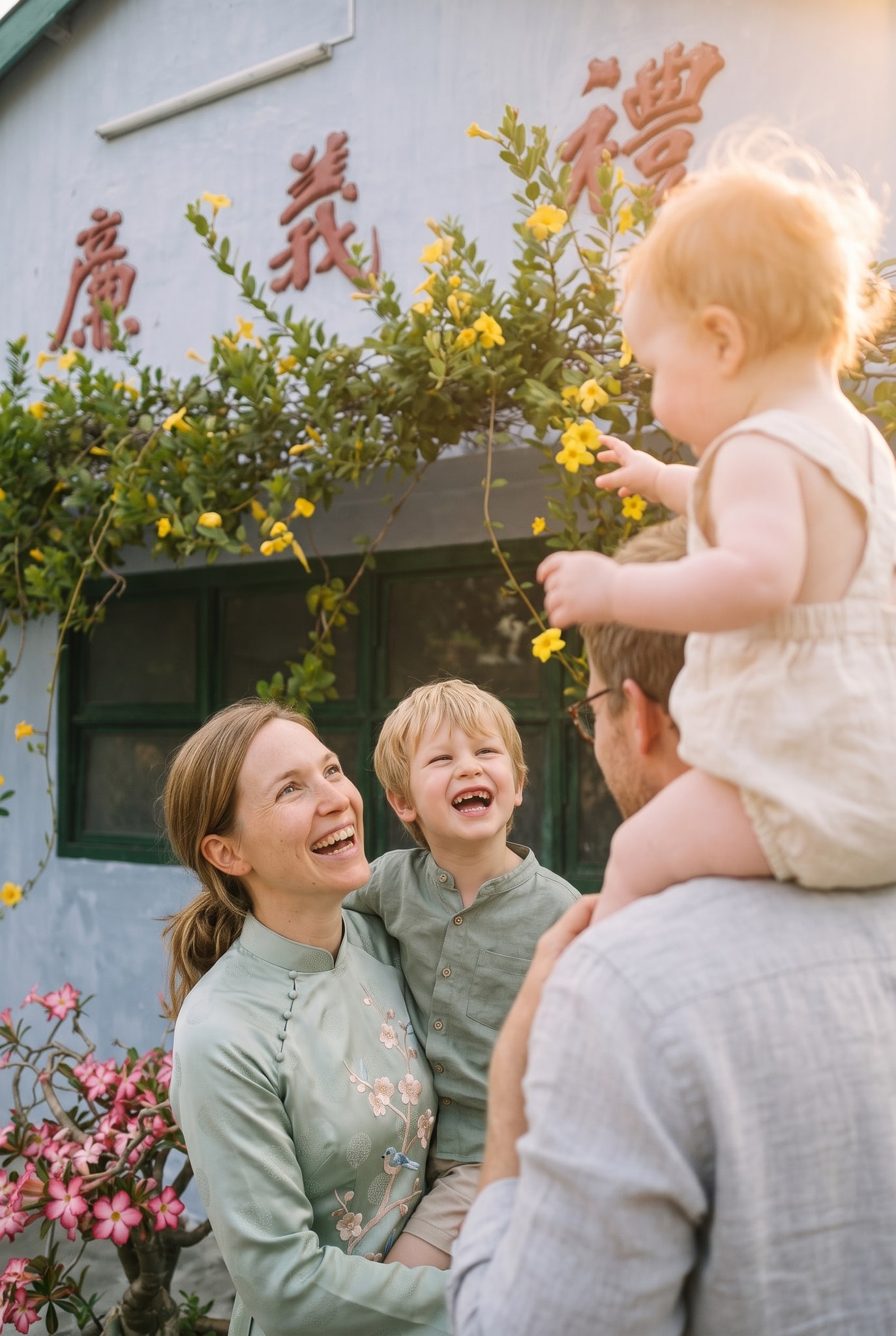
Ao dai are tailored to individual measurements—not one-size-fits-all. At Ao Dai Diaries, we fit sizes XS through XXL by taking your bust, waist, hip, and inseam in meters during your in-person or video fitting. Many Western women worry they won't fit traditional Vietnamese sizing; the truth is tailoring adjusts for body shape. A larger bust gets a wider panel; taller legs get a longer tunic. The key is honesty: tell us your real measurements, not your regular clothing size.
Most rentals take 1–2 hours for a proper fitting and basic alterations. If you're booking same-day or next-day, arrive early. If you're near Hanoi, Ho Chi Minh City, Hoi An, or Da Nang, we have local fitters. If you're traveling and want certainty, video-fitting before arrival helps us source the right piece.
What's the real cost difference between silk and cotton rentals?
| Fabric Type | Best For | Durability | Movement | Typical Rental Duration |
|---|---|---|---|---|
| Pure silk | Weddings, formal events, luxury shoots | 1 rental (delicate) | Flowing, luxurious | 4–8 hours |
| Cotton | Casual strolls, city photos, repeat wearers | Multiple wears per season | Crisp, holds shape | 2–4 hours |
| Cotton–silk blend | Mixed events, first-timers, half days | 2–3 rentals (moderate) | Balanced drape | 3–6 hours |
Silk rentals cost more because the fabric is hand-woven, fragile, and requires specialized dry-cleaning after each use. Cotton is washable, faster to turn around, and absorbs sweat—crucial in Vietnam's tropical climate. A blend gives you 80% of silk's elegance at 60% of the cost. Budget-conscious renters often book cotton for morning shoots, then upgrade to silk for evening events. We offer a deposit-based rental system: you secure the piece, and if it's returned clean and on time, your deposit is refunded.
How should you style an ao dai to respect tradition and look modern?
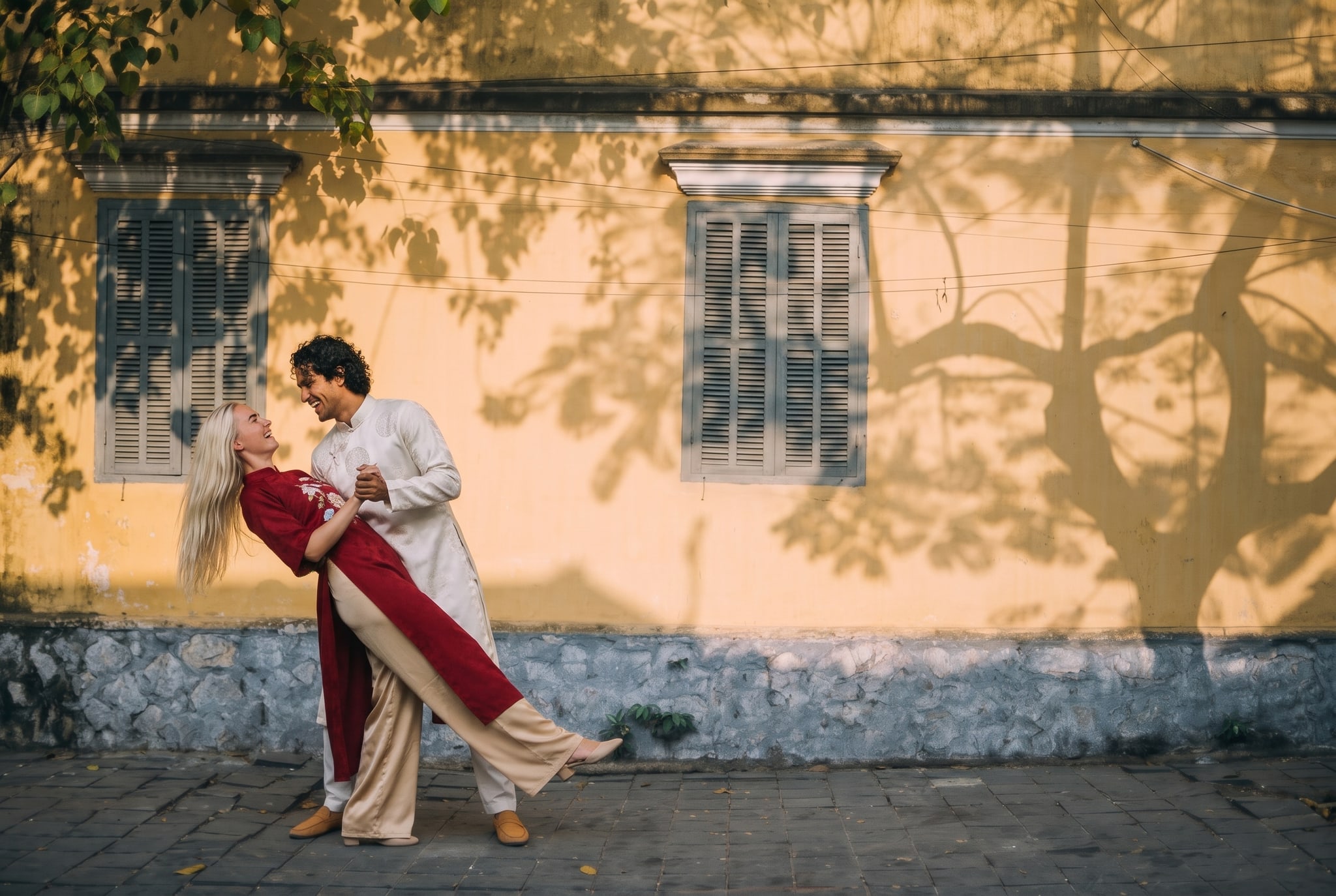
The ao dai pairs with high-neckline tunic, loose or fitted trousers (often white or black), and historically a conical hat (nón lá) for formal or heritage settings. Modern styling drops the hat for urban photoshoots but keeps the tunic–trouser silhouette sacred. Hair is typically pinned up or styled in a braid to show the tunic's neckline and embroidery. Jewelry should be minimal: delicate earrings, a simple bracelet, no heavy rings that distract from the tunic's handwork.
Shoes matter: ballet flats, heeled sandals, or traditional embroidered slippers work; sneakers do not. Makeup should be polished but natural—the ao dai's beauty is in its lines and fabric, not a heavy face. For temple visits or formal events, avoid deep cleavage, short sleeves, or visible tattoos: the ao dai is modest, and wearing it immodestly disrespects its cultural weight.
Photography styling is different from event styling. For photoshoots, photographers often use the ao dai + photoshoot package to coordinate hair, makeup, and poses that showcase the tunic's flow. Sitting, walking, and turning all create different silhouettes: our stylists guide you through these moments so you feel confident and look authentic.
What common mistakes should first-time renters avoid?
Wrong sizing before arrival: Many renters guess their measurements and arrive unprepared. Always confirm size before your rental date.
Treating it like rental costume: The ao dai is sacred ceremonial wear, not a costume. It's meant to honor Vietnam's heritage, not parody it. Wear it with intention.
Skipping the fitting: A rushed fitting leads to poor comfort and unflattering photos. Budget at least 90 minutes for fitting, styling, and a few trial movements.
Not asking about deposit and cleaning terms: Clarify upfront: What's the deposit amount? What counts as "damage" versus normal wear? When must you return it? We accept WhatsApp/Zalo questions to finalize these details.
Choosing fabric for price alone: The cheapest option isn't always the best value. Cotton lasts longer per wear; silk creates once-in-a-lifetime photos. Match fabric to your event, not your wallet.
Ignoring weather: In summer, cotton breathes and won't overheat your legs. In cooler months or formal events, silk's weight is comforting. Ask your fitter what's right for your date and location.
📸 Ao dai + photoshoot packages
What should you check before booking your rental?
Use this checklist before confirming your ao dai rental:
- Exact date and duration: Are you renting for 3 hours, a full day, or overnight? Confirm pickup/drop-off time.
- Size: Provide bust, waist, hip, and inseam (in centimeters or inches—we convert). Have your fitter double-check a photo of you in fitted clothing.
- Occasion: Wedding, photoshoot, Tet, casual stroll, temple visit? Each needs different styling advice.
- Fabric preference: Silk, cotton, or blend? Climate and formality should guide this.
- Delivery: Do you need hotel delivery, or will you pick up in-person? Delivery adds time; confirm the cost.
- Deposit and insurance: Ask what's covered if the tunic tears slightly. Most minor wear is acceptable; intentional damage isn't.
- Styling help: Do you want hair, makeup, and photography guidance, or just the dress?
- Return logistics: Where, when, and in what condition should you return it?
Contact us at WhatsApp/Zalo +84 338 762 340 to walk through these details in real time.
---
Renting an ao dai is more than borrowing a dress: it's participating in Vietnamese culture with respect and joy. Whether you're a first-time tourist or a local honoring an ancestor's tradition, the right fabric, fit, and styling turn an ao dai rental into a memory. Start by visiting our guide to how ao dai rental works, or browse options by city to find your nearest fitter.
👗 Rent your ao dai — WhatsApp/Zalo +84 338 762 340
Frequently asked questions
Can I rent an ao dai if I've never worn one before?
Absolutely. Our fitters guide you through every step: measurements, how to sit and walk, tucking the tunic, balancing the trousers. Most first-timers feel confident within 30 minutes.
What's included in a rental—just the tunic and trousers, or accessories too?
Rentals include the tunic, trousers, and styling advice. Jewelry, shoes, and optional conical hats may be added for a fee; ask during booking.
How much damage is acceptable, and what happens if I tear it?
Normal wear—minor wrinkles, light sweat stains—is expected and included. Small tears or significant stains may incur a repair fee. Intentional damage isn't covered; read the rental agreement carefully.
Can I rent an ao dai for a day trip to multiple cities?
Yes, but plan carefully. Traveling between Hanoi, Hoi An, and Da Nang with a rented ao dai means longer rental time and higher cost. Confirm drop-off location before booking.
Is silk or cotton better for a hot, humid photoshoot?
Cotton breathes better and dries faster if you sweat. Silk looks more luxurious but feels heavier in heat. For summer photoshoots, cotton or a cotton–silk blend is often the smarter choice.
How far in advance should I book?
For casual strolls or off-season dates, 3–5 days ahead is fine. For weddings, Tet, or peak tourist seasons, book 2–4 weeks ahead. Contact us early to secure your size and fabric.
Frequently asked questions
Can I rent an ao dai if I've never worn one before?
Absolutely. Our fitters guide you through every step: measurements, how to sit and walk, tucking the tunic, balancing the trousers. Most first-timers feel confident within 30 minutes.
What's included in a rental—just the tunic and trousers, or accessories too?
Rentals include the tunic, trousers, and styling advice. Jewelry, shoes, and optional conical hats may be added for a fee; ask during booking.
How much damage is acceptable, and what happens if I tear it?
Normal wear—minor wrinkles, light sweat stains—is expected and included. Small tears or significant stains may incur a repair fee. Intentional damage isn't covered; read the rental agreement carefully.
Can I rent an ao dai for a day trip to multiple cities?
Yes, but plan carefully. Traveling between [Hanoi](/hanoi), [Hoi An](/hoi-an), and [Da Nang](/da-nang) with a rented ao dai means longer rental time and higher cost. Confirm drop-off location before booking.
Is silk or cotton better for a hot, humid photoshoot?
Cotton breathes better and dries faster if you sweat. Silk looks more luxurious but feels heavier in heat. For summer photoshoots, cotton or a cotton–silk blend is often the smarter choice.
How far in advance should I book?
For casual strolls or off-season dates, 3–5 days ahead is fine. For weddings, Tet, or peak tourist seasons, book 2–4 weeks ahead. Contact us early to secure your size and fabric.
Dozens of colours, all sizes XS–XXL, delivered to your hotel in Hanoi, Saigon, Hoi An or Da Nang. One WhatsApp or Zalo message.
More guides
You might also like
The ao dai is Vietnam's iconic silk dress, worn for celebrations and formal occasions. Ao Dai Diarie
May is Vietnam's hottest month before monsoon season. We'll help you choose the right outfit—whether
December weather in Vietnam is cool and dry—ideal for wearing the ao dai. Here's what suits the seas