guide/ao-dai
What Clothes to Wear in Vietnam: A Renter's Guide
Ao Dai Diaries team · All guides →
Vietnam's heat, humidity, and cultural norms shape what you should wear. Lightweight cotton and linen dominate—shorts and t-shirts for casual days, long pants or skirts for temples and formal settings. Ao dai, the iconic silk tunic-and-pants ensemble, is perfect for photoshoots, weddings, and Tet celebrations; Ao Dai Diaries lets you rent by city for a day or event (sizes XS–XXL, same-day delivery available) rather than buy. Avoid sleeveless in religious spaces, bring a light scarf or cardigan for air-conditioned indoors, and pack one breathable dressy outfit. Most travelers spend see packages & prices (see packages & prices) on daily wear; rental ao dai starts lower. The key: prioritize comfort, respect local dress codes, and embrace the chance to wear something authentically Vietnamese. ---
Why does Vietnam's weather dictate what you pack?
Vietnam sits in the tropics: temperatures hover 25–35°C (77–95°F) year-round, with high humidity and monsoon rains. Cotton and linen wick sweat; synthetic blends trap heat and feel heavy. Pack breathable fabrics—t-shirts, lightweight shirts, cotton pants or linen shorts—and plan layers for aggressive air conditioning indoors. Bring a rain jacket or compact umbrella for sudden downpours, especially May–September in the north and September–November in the south. The bottom line: comfort beats fashion; locals wear loose, light clothing for survival, not style.

What should tourists wear in temples and religious sites?
Buddhist temples require covered shoulders, knees, and chest—sleeveless tops, short shorts, and cropped pants are disrespectful. Women should avoid tight clothing; men avoid shorts above the knee. A lightweight scarf or cardigan solves the problem and doubles as sun protection. Footwear must come off inside; wear slip-ons. If you forget, many temples sell inexpensive wraps at the entrance. Respect matters: dress as you would in a place of worship at home. Plan ahead so you never feel rushed or underdressed.
How does traditional ao dai fit different occasions in 2026?
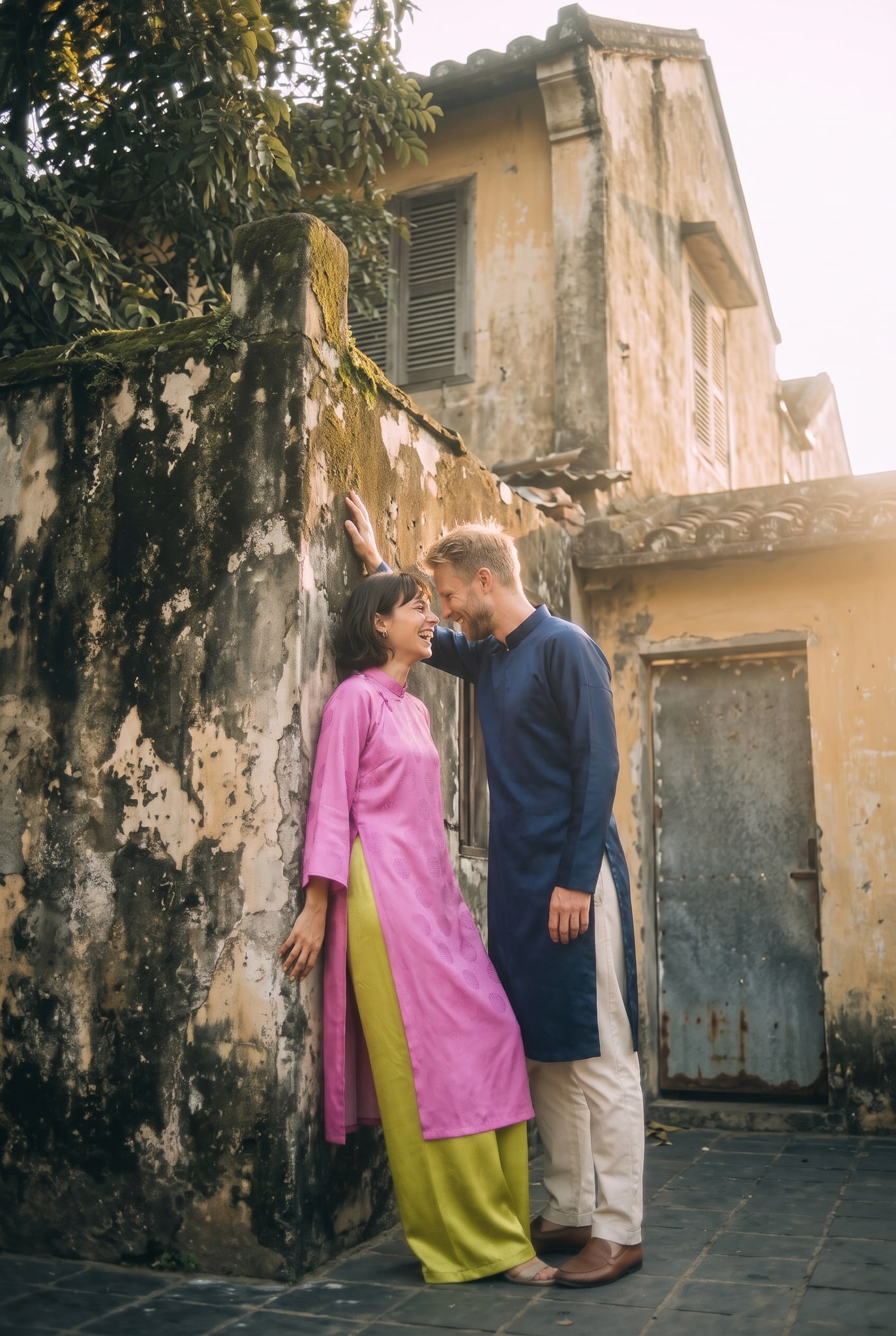
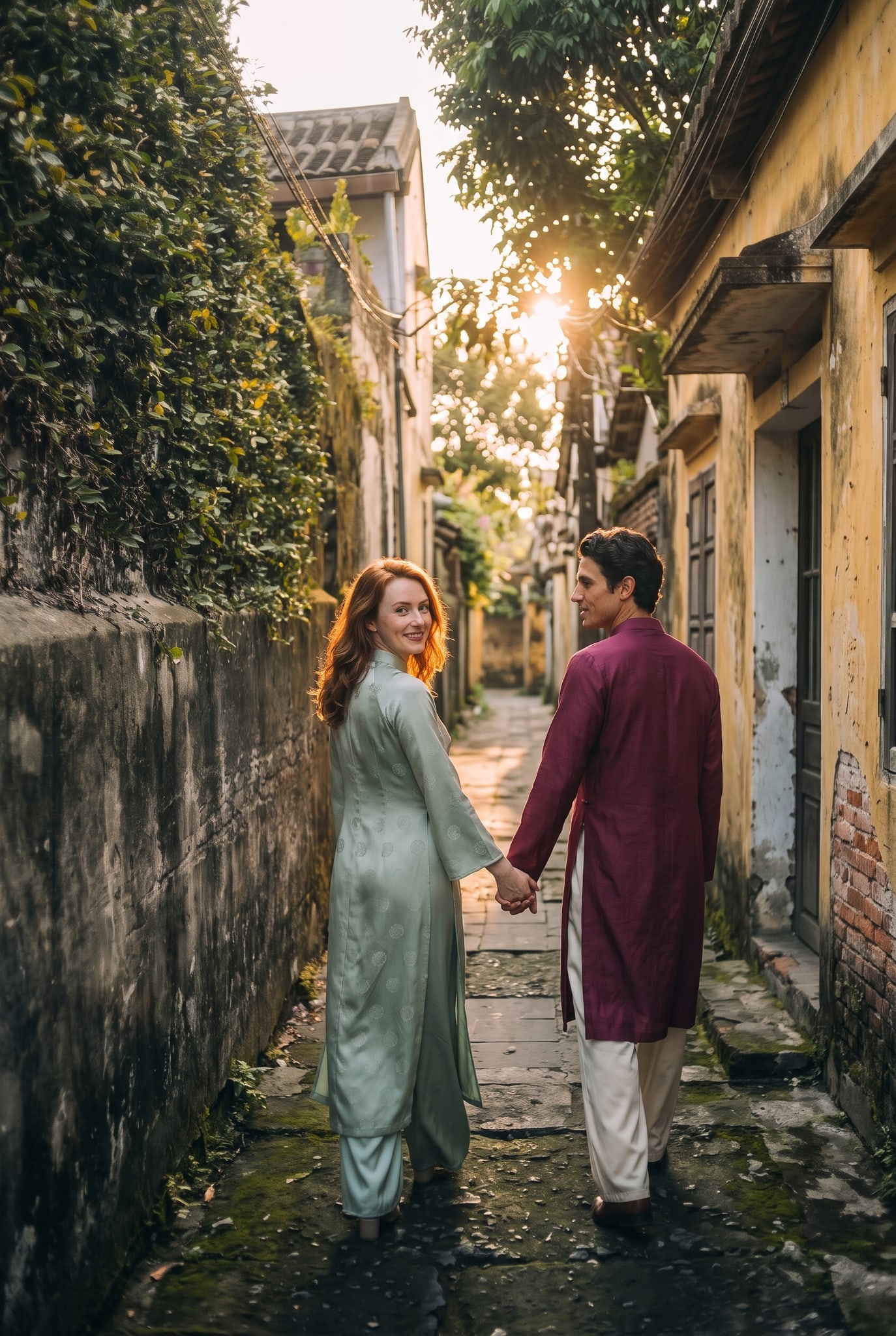
The ao dai (pronounced "ow-yai") is a flowing silk tunic-and-pants outfit, elegant and unmistakably Vietnamese. Wear one for wedding ceremonies, Tet (Lunar New Year), family photos, or city photoshoots—it elevates any moment and helps you connect with local culture. Ao dai rental works like this: you pick your style (classic silk, modern designs, embroidered, or plain), get fitted in sizes XS–XXL, and receive it same-day or delivered to your hotel. Most visitors rent rather than buy because one outfit costs 1–3 million VND (see packages & prices) to purchase; rental is far cheaper and hassle-free. Browse rental options by city—Hanoi, Saigon, Hoi An, and Da Nang each have local tailors and boutiques ready to fit you.
👗 Rent your ao dai — WhatsApp/Zalo +84 338 762 340
What comparison table helps you choose what to wear?
| Scenario | Best Option | When to Wear | Cost Estimate | Fit for Who? |
|---|---|---|---|---|
| Daily city stroll | Cotton t-shirt + shorts | Morning/afternoon, casual | see packages & prices | All tourists |
| Temple visit | Long pants/skirt + covered top | Daytime | see packages & prices | Respectful travelers |
| Beach day | Swimwear + rash guard | Coastal areas, noon–4 PM | see packages & prices | Sun-aware swimmers |
| Wedding/celebration | Ao dai rental | Formal event, evening | see packages & prices | Anyone seeking authenticity |
| Photoshoot (landmark) | Ao dai rental + styling | Professional photos, booked in advance | see packages & prices + photos | Memory-makers |
| Evening dinner | Lightweight dress/pants + cardigan | Restaurant/bar, sunset hour | see packages & prices | Date-night visitors |
See ao dai + photoshoot packages to pair your rental with a professional shoot.
What mistakes do first-time visitors make with Vietnamese dress codes?
Tourists often underestimate temple rules, wear sleeveless tops indoors without a layer, and overpack heavy jeans. Humidity makes thick fabrics cling and chafe; locals wear cotton or linen exclusively. Another error: arriving without a scarf or cardigan, then being turned away from religious sites or feeling cold in over-air-conditioned malls. Don't rent an ao dai without confirming your size at fitting—poor fit ruins photos and comfort. Avoid white (funeral color) for weddings unless explicitly told otherwise. And don't treat the ao dai as a costume: it's respected attire, not a fancy dress—wear it with intention and care.
📸 Ao dai + photoshoot packages
How should you prepare before ordering ao dai rental online?
Before booking, decide your occasion (photo, wedding, Tet, casual) and check availability 2–3 weeks ahead if possible—contact via WhatsApp/Zalo +84 338 762 340 to confirm sizes and styles. Provide your height, weight, and bust/waist measurements; fits are tailored. Specify delivery location (hotel, studio, etc.) and date needed. Ask about rush fees and deposit amounts—most rentals require a refundable deposit. Confirm what's included (alterations, pressing, return policy, damage terms). Request a style consultation if unsure which design suits your skin tone, body shape, or event vibe. Check the full rental guide for etiquette and care tips. Arrive at fitting 1–2 hours before an event to allow time for final adjustments. This prep work ensures a smooth, confident experience.
📍 See rental by city
---
Real things to check before you book
- Sizes run small in Vietnam: confirm exact measurements, not a US/EU size. Many rental shops stock XS–XXL; ask if your size is in stock.
- Deposit ranges: typical rental deposits are see packages & prices (see packages & prices) and are returned upon undamaged return.
- Delivery fees: some shops waive delivery for hotel rentals; others charge see packages & prices (see packages & prices). Clarify upfront.
- Alterations: inseam and sleeve length are standard; more complex changes may cost extra.
- Same-day vs. advance: same-day rentals are possible in major cities but may limit color/design choice. Book ahead for your ideal style.
- Return deadlines: most rentals expect return within 24 hours or by the next morning; late fees apply. Confirm the exact cutoff time in writing.
- Damage policy: understand what counts as wear vs. damage. Stains, tears, or odors may incur fees.
---
How does Ao Dai Diaries simplify the rental process?
Ao Dai Diaries operates in Hanoi, Saigon, Hoi An, and Da Nang with local tailors and boutiques who know traditional and modern ao dai inside out. We handle fitting, alterations, and delivery to your hotel—no shipping delays, no guesswork. You pick your style (classic, embroidered, modern cut), get fitted in person or via video, and receive it pressed and ready. Deposits are refundable; return is flexible. We specialize in one-day photoshoots, wedding guest rentals, and Tet celebrations, so every style in our network is authentic and respectfully maintained. Message +84 338 762 340 on WhatsApp or Zalo to ask questions, share photos of styles you like, or book same-day.
---
Frequently asked questions
What's the best fabric to wear in Vietnam's humidity?
Cotton and linen are unbeatable—they breathe, wick moisture, and feel cool. Avoid polyester, rayon blends, and tight synthetics, which trap heat and sweat. Silk is elegant for special occasions (and ao dai is often silk) but requires careful washing.
Can I wear shorts and tank tops everywhere in Vietnam?
Shorts and tanks are fine for beach, casual cafes, and markets. Avoid them in temples, formal restaurants, government buildings, and family homes. When in doubt, add a scarf or cardigan. Respect matters; locals dress modestly by Western standards.
How much does an ao dai rental cost compared to buying one?
Rental typically runs see packages & prices–see packages & prices USD for a one-day use; purchasing a quality ao dai costs see packages & prices–$120 USD or more. Rental is far cheaper, includes fitting and alterations, and solves the storage problem after your trip.
What should I pack if I'm arriving in Vietnam unprepared for the weather?
Pack light layers: t-shirts, one pair of lightweight pants, shorts, and a thin cardigan. Buy cotton underwear and socks locally—they're cheap and breathable. Bring one modest outfit for temples or formal dinners; the rest can be casual and light.
Is it disrespectful to wear an ao dai if I'm not Vietnamese?
No—wearing ao dai respectfully is celebrated. Locals appreciate when visitors honor their culture. Avoid treating it as a costume (no jokes, no improper photos), wear it with care, and ask permission before taking photos in religious or formal settings.
How do I know my size for an ao dai rental?
Provide height, weight, bust, waist, and hip measurements. Ao dai fits are made-to-order; standard sizes often don't reflect your actual proportions. Measure yourself at home or visit a tailor in-country—Ao Dai Diaries staff will guide you via WhatsApp/Zalo.
Dozens of colours, all sizes XS–XXL, delivered to your hotel in Hanoi, Saigon, Hoi An or Da Nang. One WhatsApp or Zalo message.
More guides
You might also like
The ao dai is Vietnam's iconic silk dress, worn for celebrations and formal occasions. Ao Dai Diarie
May is Vietnam's hottest month before monsoon season. We'll help you choose the right outfit—whether
December weather in Vietnam is cool and dry—ideal for wearing the ao dai. Here's what suits the seas