guide/ao-dai
What Clothes to Wear in Vietnam in February
Ao Dai Diaries team · All guides →
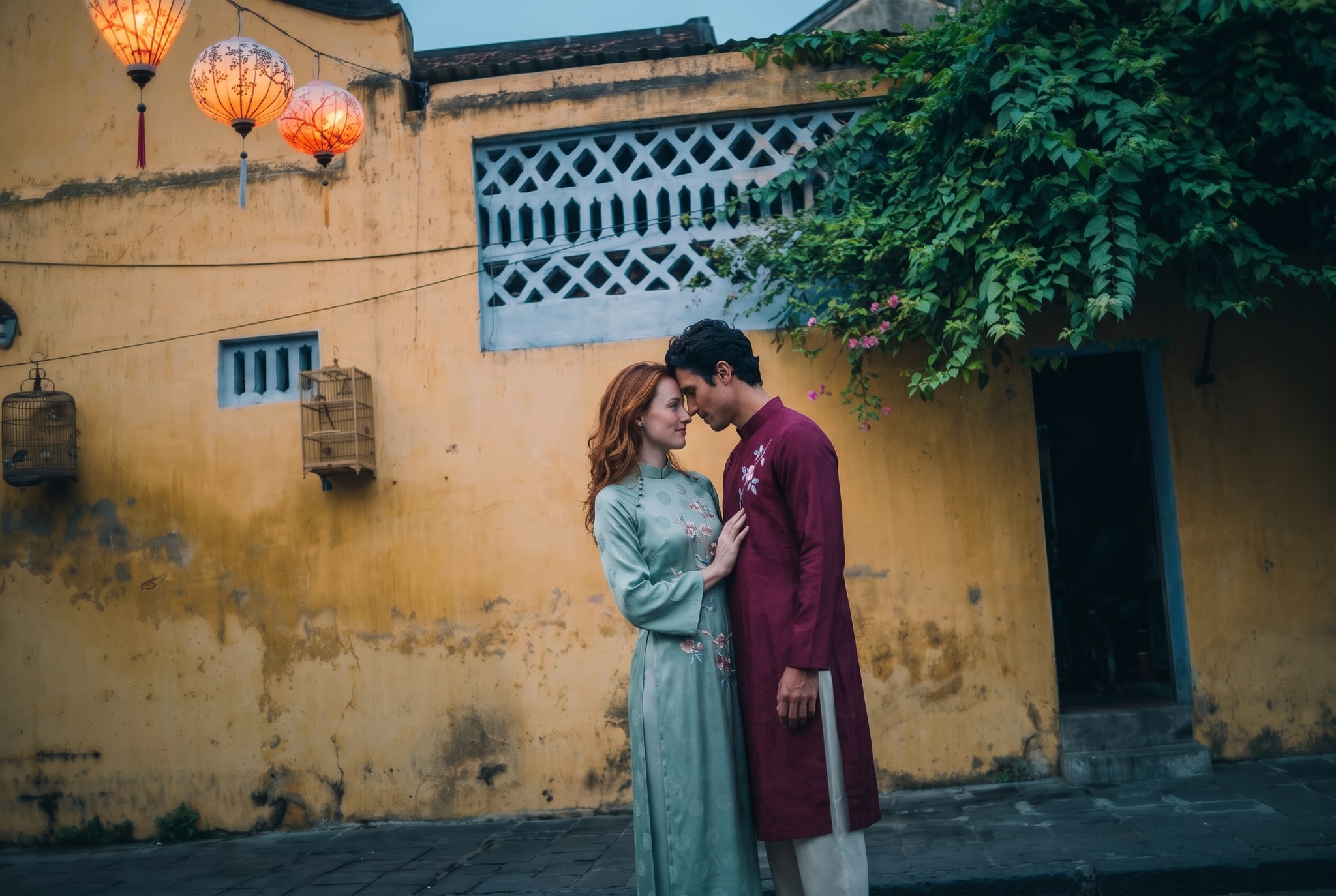
Vietnam in February is warm but mild: 15–22°C in the north (Hanoi), 20–28°C in the south (Ho Chi Minh City), with low humidity and almost no rain. Pack lightweight, breathable fabrics like cotton and linen; a thin cardigan or scarf for cool mornings; closed-toe shoes for temple visits; and sunscreen. Avoid heavy jackets and jeans—they trap heat. Many travelers rent an ao dai (Vietnam's iconic silk tunic dress) for photoshoots, Tet celebrations, or cultural events; Ao Dai Diaries offers same-day rental in Hanoi, Ho Chi Minh City, Hoi An, and Da Nang, with sizes XS–XXL and delivery to your hotel. February is peak Tet (Lunar New Year), so book rentals early. ---
How warm is Vietnam in February, and what's the humidity like?
February is Vietnam's coolest and driest month: northern regions (Hanoi, Sa Pa) sit at 15–22°C with morning chills; southern regions (Ho Chi Minh City, Mekong Delta) hover at 20–28°C. Humidity drops to 50–70%—far more comfortable than the sticky 80–90% of summer months. Rain is rare. This is why February is considered Vietnam's "perfect" season: you can walk for hours without heavy sweating, and the light is golden for photography. Pack for cool mornings and warm afternoons, not for winter.
Should you bring winter layers to Vietnam in February?
No heavy winter coats or thick sweaters—they're unnecessary and take up luggage space. Instead, bring one lightweight cardigan, a thin cotton scarf, and a windbreaker for unexpected cool evenings. Long-sleeved cotton shirts (worn loose) block sun while allowing airflow. In northern cities like Hanoi or Hoi An, early mornings (6–7 a.m.) can feel chilly, but by 10 a.m. you'll want short sleeves. The key: layering light fabrics, not bundling in winter wear. If you forget a cardigan, any local market sells cheap cotton wraps—no need to over-pack.
What footwear works best for February travel in Vietnam?
Wear closed-toe shoes (sneakers, loafers, or walking sandals with straps) for temples, markets, and informal meals where you remove footwear. Slip-ons are fastest. Flip-flops and open sandals expose toes in dusty areas and are disrespectful in pagodas. For evening dinners or upscale venues, pack one pair of dressy flats or low heels. Breathable, water-resistant shoes handle unexpected puddles and dusty pavements. Bring one lightweight pair of waterproof shoes or rain covers—February is dry, but microclimates vary. Avoid leather shoes unless they're broken in; new shoes cause blisters on long walking tours.
What fabric types keep you comfortable in February Vietnam?
Choose natural fibers: cotton, linen, silk, and rayon—they breathe, dry fast, and feel cool against skin. Synthetic polyester and nylon trap heat and sweat. A typical February outfit: a loose linen or cotton tunic or shirt, lightweight trousers or a knee-length skirt, and a cotton scarf. Silk accessories (scarves, lightweight shawls) are lightweight and stylish. The ao dai—Vietnam's traditional long tunic dress—is made of pure silk or silk-cotton blend and worn with loose trousers; it's breathable, elegant, and perfect for Tet celebrations or photo sessions. If you're staying 7+ days, rent one for a formal event or cultural immersion; Ao Dai Diaries delivers to your hotel in major cities.
---
Packing Checklist: February Vietnam Essentials
Clothing:
- 5–6 lightweight cotton or linen shirts/blouses (loose fit)
- 2 pairs lightweight trousers (linen or cotton)
- 1 lightweight skirt or shorts (knee-length, respectful in temples)
- 1 thin cardigan or cotton overshirt (for cool mornings)
- 1 lightweight scarf (sun protection, temple dress code)
- 7 pairs lightweight socks and underwear
- 1 windbreaker or rain jacket (fold-small style)
Footwear:
- 1 pair closed-toe walking shoes (broken in)
- 1 pair slip-on loafers or sandals (removable for temples)
- 1 pair dressy flats or low heels (dining out)
Accessories:
- Wide-brimmed hat or baseball cap (sun protection—UV is high even in mild weather)
- Sunglasses
- Lightweight crossbody bag (secure for markets)
- Fabric scarf or shawl (doubles as sarong, prayer cloth in temples)
Toiletries & Extras:
- SPF 30+ sunscreen (reapply every 2 hours outdoors)
- Lip balm with SPF
- Insect repellent (mosquitoes active year-round)
- Blister treatment and pain relief (for walking tours)
- Travel-size laundry detergent (hand-wash delicates in hotel sinks)
Why this works: February's mild weather means you can rotate 5–6 tops across 10 days without laundry. Loose fabrics work for both tourist activities and casual dining; closed-toe shoes cover you for temples and markets. Layers handle 15°C mornings and 28°C afternoons.
---
Is February the right time to rent an ao dai in Vietnam?
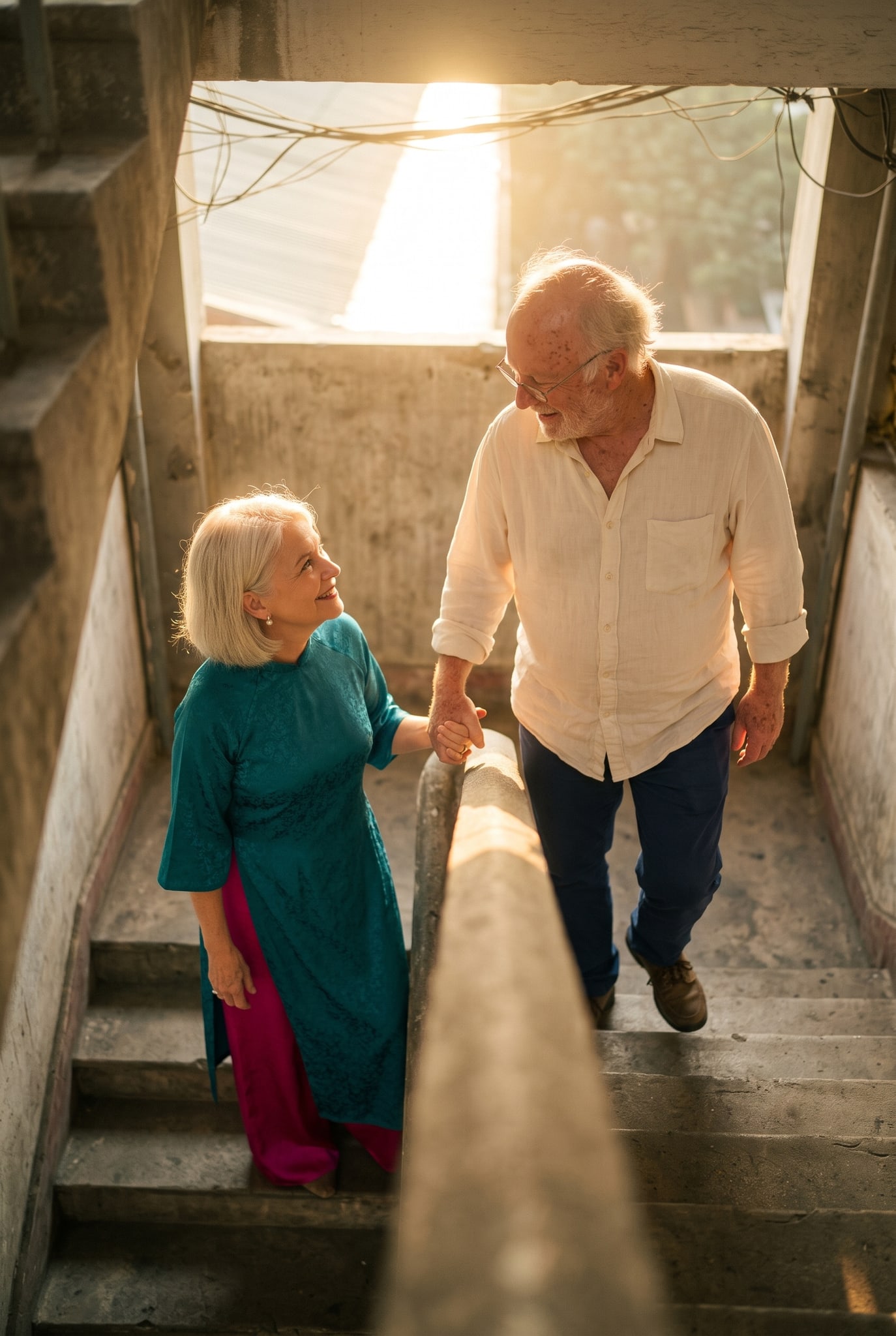
Yes—February includes Tet (Lunar New Year, late Jan–early Feb), when ao dai rentals peak. Families wear them for home celebrations; travelers rent for photoshoots at temples, parks, and heritage sites. Daylight is golden; humidity is low so fabrics drape cleanly; and cool mornings mean outdoor shoots without heat exhaustion. Book at least 5–7 days ahead if Tet falls during your trip; otherwise, same-day rental is available. Ao Dai Diaries offers rental in Hanoi, Ho Chi Minh City, Hoi An, and Da Nang, with sizes XS–XXL, silk and silk-cotton blends, and delivery to your hotel. Prices are significantly lower than buying; see how ao dai rental works for sizing, fitting, and deposit details.
👗 Rent your ao dai — WhatsApp/Zalo +84 338 762 340
---
Comparison: What to Buy vs. Rent in February
| Item | Who It's For | Cost Basis | Why It Works |
|---|---|---|---|
| Modern cotton/linen travel clothing | Budget travelers, any length of stay | see packages & prices per piece | Breathable, packable, easy to wash in sinks; mix-and-match for multiple outfits. |
| Lightweight silk scarf | Sun + cultural respect | see packages & prices | Doubles as sun shade, prayer cloth in temples, and evening wrap; packs flat. |
| Closed-toe walking shoes | Anyone doing tours | see packages & prices | Essential for temples and markets; worth the luggage space. |
| Ao dai rental (3-day) | Tet, weddings, photoshoots, cultural events | see packages & prices range | One-time wear; professional tailoring; hotel delivery; no luggage weight. See rental packages. |
| Custom ao dai (buy) | Staying 3+ months, frequent wearer | see packages & prices+ | Tailored fit; keeps as souvenir; only if you'll wear repeatedly. |
Bottom line: For a typical 5–10 day February trip, buy 5–6 lightweight pieces and rent an ao dai for one special occasion or photoshoot. You'll look sharp, stay cool, and avoid overpacking.
---
What to Check Before You Buy or Rent in February
Before buying clothing:
- Fabric label: Confirm 100% cotton, linen, or silk—avoid polyester-heavy blends.
- Fit: Loose, not tight—air circulation keeps you cool; fitted clothes trap heat.
- Care label: Can you hand-wash in a hotel sink? Avoid dry-clean-only items on a trip.
- Shoe comfort: Wear them indoors for 30 minutes before travel. Blisters start on day two if shoes are new.
Before renting an ao dai:
- Sizing: Provide accurate chest, waist, and height; ao dai rental works with sizing guides.
- Occasion: Mention if it's Tet, a wedding, or a casual photoshoot—styles vary.
- Booking window: Reserve 5–7 days ahead during Tet season; otherwise, same-day is fine.
- Deposit & terms: Ask about hotel delivery, return logistics, and cancellation policy when you WhatsApp.
- Fabric preference: Silk drapes beautifully for photos but wrinkles slightly; silk-cotton blends are easier to care for.
Before heading outdoors:
- Sunscreen: Apply SPF 30+ before leaving your hotel, even on cloudy February days. Vietnamese sun reflects off water and pale concrete.
- Water: Carry 1.5 liters minimum on walking tours; street water isn't safe, but sealed bottles are everywhere.
- Hat & sunglasses: Non-negotiable—Northern Vietnam's lower UV than Saigon, but still intense for fair skin.
---
Where to rent or shop for February travel in Vietnam
Ao dai rentals by city:
- Hanoi: Ao dai rental in Hanoi—Old Quarter temples, West Lake photoshoots, Tet celebrations.
- Ho Chi Minh City: Ao dai rental in Ho Chi Minh City—Ben Thanh Market, Bitexco Tower, modern Saigon vibe.
- Hoi An: Ao dai rental in Hoi An—Ancient town photoshoots, lantern-lit streets, tailor shops.
- Da Nang: Ao dai rental in Da Nang—My Khe Beach, Marble Mountains, coastal backdrop photos.
All bookings: WhatsApp/Zalo +84 338 762 340 or see packages.
Shopping for regular clothes: Night markets (Hanoi's Dong Xuan, HCMC's Ben Thanh), local brands like Ipa Nima, or international chains in malls. Prices are 30–50% lower than Western retail; haggle in open markets.
---
📍 See rental by city
📸 Ao dai + photoshoot packages
Frequently asked questions
Is it cold in Vietnam in February, or should I pack a thick winter coat?
No—temperatures range 15–28°C depending on region. A lightweight cardigan is enough. Winter coats are unnecessary and waste luggage space. Pack layers of breathable fabrics instead.
Can I wear shorts and short-sleeve shirts in February Vietnam?
Yes, for casual activities and tourist zones. However, wear knee-length shorts or a skirt in temples and pagodas—short pants are disrespectful. Long sleeves protect you from sun and insects in rural areas.
What is an ao dai, and is it appropriate for tourists to wear one in February?
The ao dai is Vietnam's national traditional dress: a long silk tunic worn with loose trousers. Tourists wearing it respectfully is welcomed, especially during Tet (February's lunar new year). It's elegant for photoshoots, weddings, and cultural events. Rent one from Ao Dai Diaries rather than buying; sizing is precise and same-day delivery is available in major cities.
Do I need to bring special shoes for temple visits in February?
Wear closed-toe, easily removable shoes (loafers, slip-ons, or sandals with straps). Many temples require you to remove footwear. Avoid flip-flops—they're disrespectful. Closed-toe shoes also protect in dusty markets and uneven pavements.
Is February the best time to visit Vietnam for photoshoots and events?
Yes—it's the dry season with golden light, low humidity, and mild temperatures. Ao dai photoshoots are stunning. However, Tet (late January to early February) sees high rental demand. Book your ao dai rental 5–7 days in advance if your trip overlaps Tet; otherwise, same-day rental works fine.
How much does it cost to rent an ao dai for a February photoshoot or event?
Rental prices vary by style, fabric, and duration (hourly, half-day, full-day, or multi-day). See ao dai + photoshoot packages for current rates and booking. Deposits are refundable with proper return. Contact Ao Dai Diaries on WhatsApp/Zalo +84 338 762 340 for specific pricing and package details.
Frequently asked questions
Is it cold in Vietnam in February, or should I pack a thick winter coat?
No—temperatures range 15–28°C depending on region. A lightweight cardigan is enough. Winter coats are unnecessary and waste luggage space. Pack layers of breathable fabrics instead.
Can I wear shorts and short-sleeve shirts in February Vietnam?
Yes, for casual activities and tourist zones. However, wear knee-length shorts or a skirt in temples and pagodas—short pants are disrespectful. Long sleeves protect you from sun and insects in rural areas.
What is an ao dai, and is it appropriate for tourists to wear one in February?
The ao dai is Vietnam's national traditional dress: a long silk tunic worn with loose trousers. Tourists wearing it respectfully is welcomed, especially during Tet (February's lunar new year). It's elegant for photoshoots, weddings, and cultural events. Rent one from Ao Dai Diaries rather than buying; sizing is precise and same-day delivery is available in major cities.
Do I need to bring special shoes for temple visits in February?
Wear closed-toe, easily removable shoes (loafers, slip-ons, or sandals with straps). Many temples require you to remove footwear. Avoid flip-flops—they're disrespectful. Closed-toe shoes also protect in dusty markets and uneven pavements.
Is February the best time to visit Vietnam for photoshoots and events?
Yes—it's the dry season with golden light, low humidity, and mild temperatures. Ao dai photoshoots are stunning. However, Tet (late January to early February) sees high rental demand. Book your ao dai rental 5–7 days in advance if your trip overlaps Tet; otherwise, same-day rental works fine.
How much does it cost to rent an ao dai for a February photoshoot or event?
Rental prices vary by style, fabric, and duration (hourly, half-day, full-day, or multi-day). See [ao dai + photoshoot packages](/packages) for current rates and booking. Deposits are refundable with proper return. Contact Ao Dai Diaries on WhatsApp/Zalo +84 338 762 340 for specific pricing and package details.
Dozens of colours, all sizes XS–XXL, delivered to your hotel in Hanoi, Saigon, Hoi An or Da Nang. One WhatsApp or Zalo message.
More guides
You might also like
The ao dai is Vietnam's iconic silk dress, worn for celebrations and formal occasions. Ao Dai Diarie
May is Vietnam's hottest month before monsoon season. We'll help you choose the right outfit—whether
December weather in Vietnam is cool and dry—ideal for wearing the ao dai. Here's what suits the seas