guide/ao-dai
What Clothes to Wear in Vietnam in March: Ao Dai & Smart Packing Guide
Ao Dai Diaries team · All guides →
March is Vietnam's sweet-spot travel month: warm but not scorching, with scattered showers and unpredictable humidity. Pack lightweight, breathable layers—cotton t-shirts, loose linen pants, a rain jacket, and good walking shoes. For cultural immersion and photos, rent an ao dai through Ao Dai Diaries instead of buying: you get authentic traditional dress fitted to your body, styled for your occasion (city stroll, photoshoot, temple visit), and no luggage hassle. Rental prices start from around see packages & prices per day depending on city and style. Avoid heavy fabrics, closed-toe shoes in intense heat, and assume rain gear is essential. Book in advance via WhatsApp or Zalo for same-day or next-day fittings in Hanoi, Saigon, Hoi An, or Da Nang.
👗 Rent your ao dai — WhatsApp/Zalo +84 338 762 340
What's the actual weather like in Vietnam in March?
March temperatures in Vietnam typically range from 22–32°C (72–90°F), with humidity between 70–85% across most regions. Northern areas (Hanoi, northern coasts) stay cooler; southern zones (Ho Chi Minh City, Mekong Delta) run hotter and muggier. Rainfall occurs in scattered afternoon showers rather than downpours—unpredictable, but rarely all-day. Nights are cooler than days, especially in the north. This isn't monsoon season, but it's the tail-end of the dry season, so water remains scarce inland.
Conclusion: Pack for heat, humidity, and sudden showers—not heavy rain.
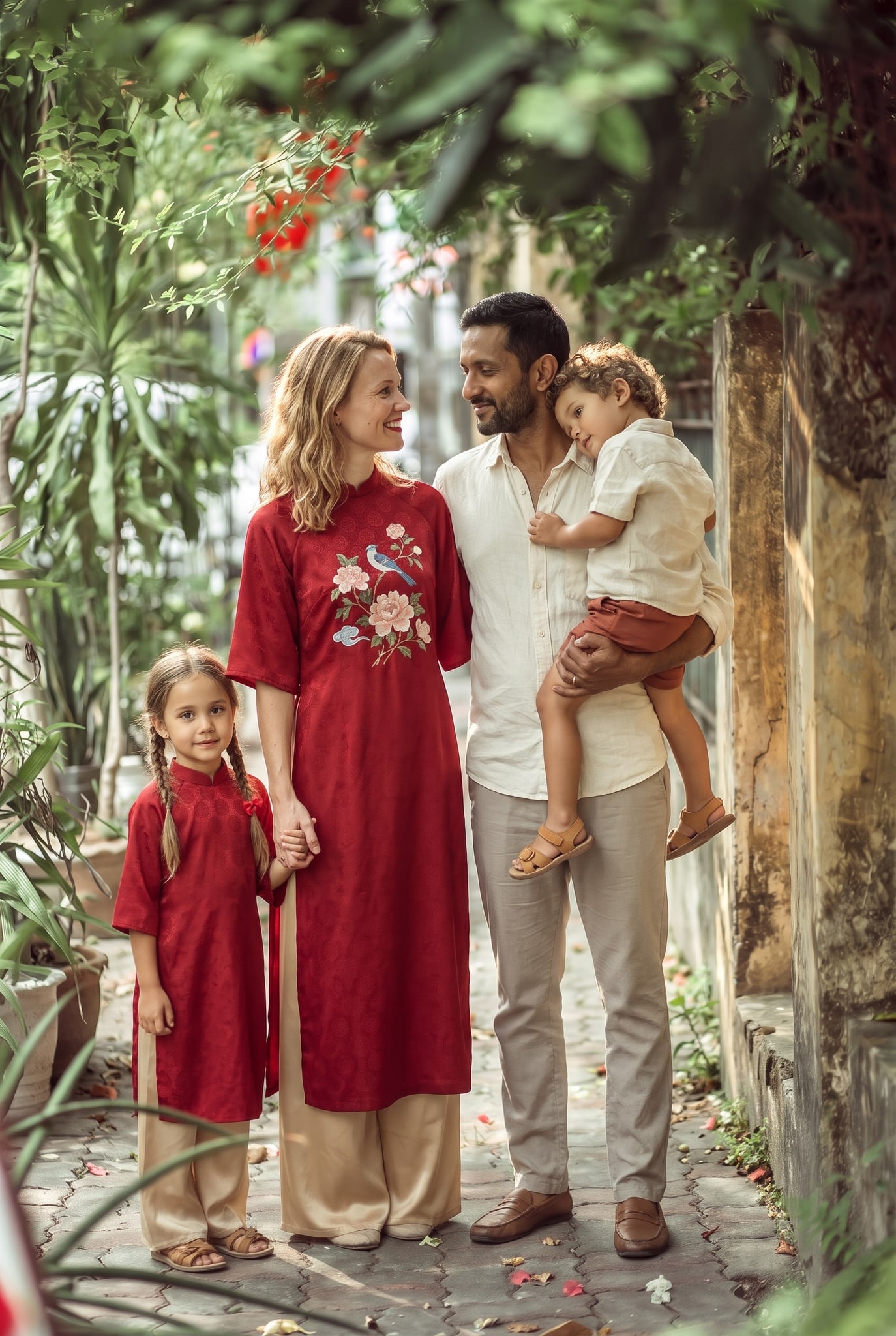
Why buy clothes in Vietnam when you can rent an ao dai instead?
Renting an ao dai solves three problems at once: luggage weight, authenticity, and occasion-specific style. A traditional ao dai costs see packages & prices to buy overseas; renting for one day costs a fraction of that. You avoid packing multiple outfits, customs paperwork, and laundry. More importantly, an ao dai isn't casual streetwear—it's Vietnam's national dress, reserved for weddings, Tet, celebrations, temple visits, and photoshoots. Wearing it on a city stroll (with permission and respect) connects you to local culture; it's not a costume. Ao Dai Diaries offers fittings in multiple cities, same-day or advance bookings, and tailored styling advice for your purpose.
Conclusion: Renting is smarter than buying; it's respectful and practical.
📍 See rental by city
How do I choose between fast-fashion summer clothes and renting for specific events?
Use this framework:
| Scenario | Best choice | Why |
|---|---|---|
| Daily city strolls, café visits | Lightweight cotton/linen (pack it) | Comfort, practicality, blends in |
| Wedding, Tet, celebration | Rent an ao dai or elegant dress | Respectful, photo-worthy, fits the occasion |
| Temple or pagoda visit | Modest loose pants + covered shoulders (pack it) | Religious etiquette, dress codes enforced |
| Beach or pool | Rash guard + swim shorts (pack it) | Sun protection (March sun is strong) |
| Photoshoot or romantic evening | Rent an ao dai; hire photographer | Authentic, professional, unforgettable memory |
Fast-fashion summer clothes (t-shirts, shorts, sundresses, sneakers) weigh less and are replaceable if damaged—good for daily wear. Renting an ao dai (see packages & prices/day, available in Hanoi, Saigon, Hoi An, Da Nang) gives you cultural immersion and quality tailoring that improves photos. Mix both: travel light in basics, rent for special moments.
Conclusion: Combine practical fast-fashion with rented ao dai for events—balance efficiency and authenticity.
📸 Ao dai + photoshoot packages
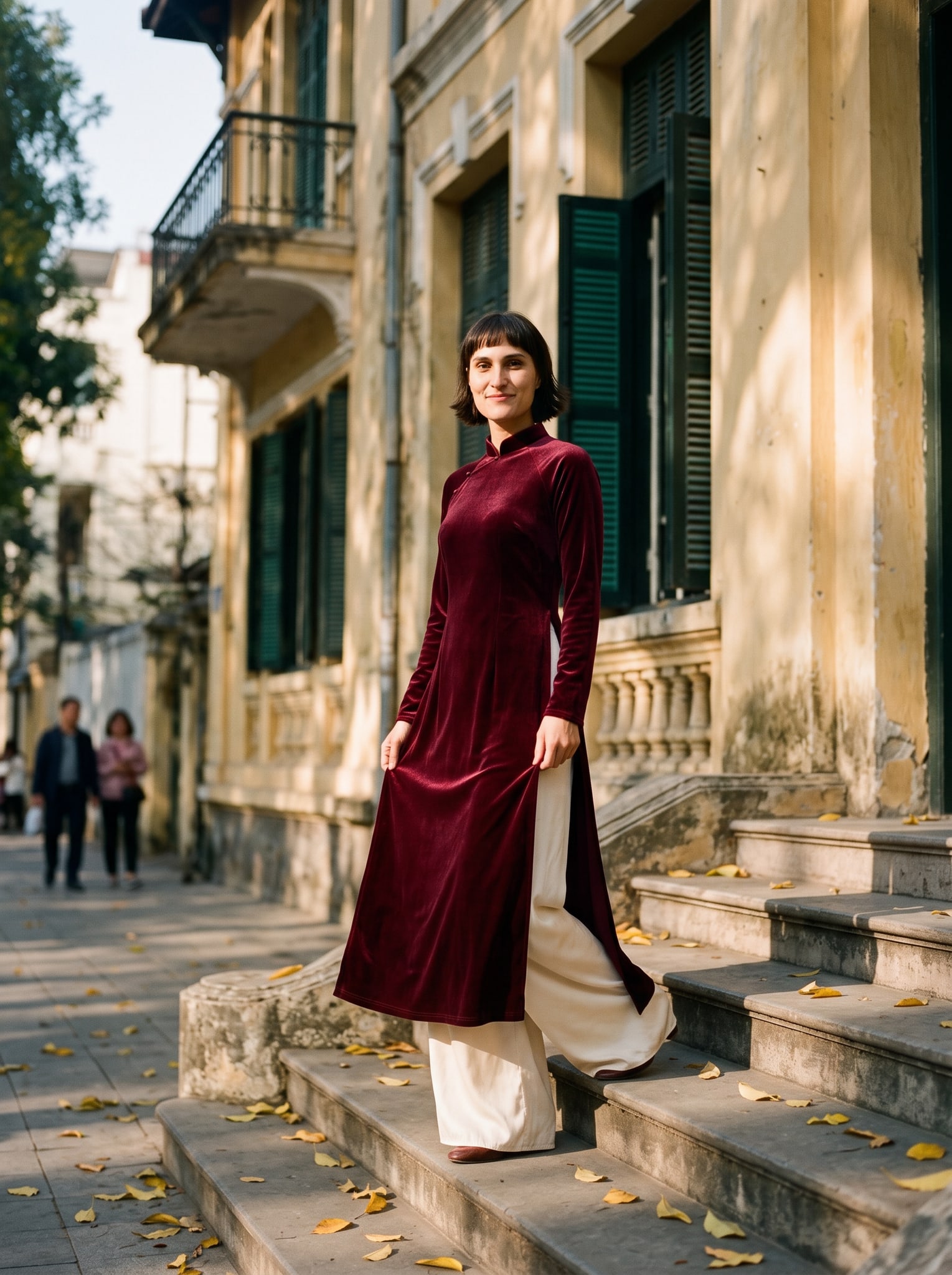
What are the specific packing mistakes travelers make in March, and how to avoid them?
Mistake 1: Over-packing warm layers. March isn't winter. A light cardigan or thin windbreaker for air-conditioned spaces and dawn temple visits is enough. Leave the sweater behind.
Mistake 2: Bringing heavy denim or thick cotton. These stick to skin in 85% humidity and take forever to dry. Opt for quick-dry synthetic blends or linen instead—they breathe and shed moisture faster.
Mistake 3: Ignoring rain gear. Even though March isn't monsoon season, afternoon showers happen suddenly. Pack a compact umbrella or rain jacket (foldable nylon weighs ounces). You'll use it.
Mistake 4: Wearing leather shoes or sandals with straps. Leather rots in humidity; straps cause blisters on swollen feet. Bring one pair of breathable canvas sneakers and one pair of open flip-flops. Both dry fast.
Mistake 5: Assuming one outfit covers everything. Renting an ao dai for events, weddings, or photoshoots means you're not wearing casual clothes that day. Pack multiple light layers for flexibility—you'll change outfits daily.
Mistake 6: Forgetting sun protection. March sun is intense. Lightweight, long-sleeved cover-ups, a wide-brimmed hat, and SPF 50+ sunscreen are essential, especially if you're outdoors 4+ hours.
Conclusion: Travel minimal in breathable fabrics, include rain gear and sun protection, and rent special-occasion wear.
Why does renting an ao dai beat buying one for travelers?
Buying an ao dai abroad costs see packages & prices and requires custom tailoring to fit properly—sleeves, bodice length, and side seams must match your frame exactly. Shipping to the US takes 10–30 days; if it doesn't fit, returns are complex. Renting through Ao Dai Diaries, Saigon, Hoi An, or Da Nang means a stylist fits you in person in minutes. You wear it for a few hours (photoshoot, wedding, temple visit), return it clean, and move on. Same-day rentals and hotel delivery are available. Cost: around see packages & prices per day. You save luggage space, avoid international shipping delays, and receive expert styling for your occasion—advice on which style suits your body, color psychology, etiquette tips (ao dai is traditional; treat it with respect), and photo poses.
Conclusion: Renting is faster, cheaper, and comes with expert guidance—ideal for travelers.
👗 Rent your ao dai — WhatsApp/Zalo +84 338 762 340
What to check before you book or buy clothes for March in Vietnam
Before renting an ao dai:
- Confirm availability 2–3 days in advance if booking in peak season (Tet, holidays).
- Provide your height, weight, and bust/waist/hip measurements for perfect fit.
- Ask the stylist which style (traditional, modern, embroidered) suits your occasion and complexion.
- Check the deposit amount (typically see packages & prices, refundable upon return in good condition).
- Arrange delivery to your hotel or a local meeting point—most rental services offer this.
- Clarify care expectations: return it clean (minor stains okay; major damage may incur a fee).
Before packing everyday clothes:
- Weigh your luggage—March clothes for 7 days should total under 4 kg (9 lbs) with breathable fabrics.
- Test quick-dry fabrics at home—wear them, wash, and confirm they dry within 2 hours.
- Break in your shoes before the trip; blisters ruin daily exploration.
- Bring duplicate toiletries (sunscreen, anti-chafe balm) in carry-on; March humidity causes skin issues fast.
Before choosing your accommodation area:
- If you plan to rent an ao dai in Hanoi or Saigon, pick a central district for easy stylist access and photoshoot locations.
- Hoi An and Da Nang offer slower-paced ao dai experiences with riverside or ancient-town backdrops—book packages in advance.
---
Frequently asked questions
Is it disrespectful to wear an ao dai as a tourist if I'm not Vietnamese?
No, provided you rent it formally, wear it for genuine cultural events (weddings, temples, Tet celebrations), and treat it as sacred traditional dress—not a costume. Renting through services like Ao Dai Diaries includes styling etiquette guidance. Avoid nightclubs or casual bars; do wear it to pagodas, family celebrations, and photoshoots with photographers who understand its significance.
Can I rent an ao dai for multiple days or a full week in March?
Yes. Most rental services offer discounted multi-day rates. Contact Ao Dai Diaries via WhatsApp/Zalo +84 338 762 340 to discuss weekly or extended rentals—prices drop after the second day. Deposit and return terms remain the same.
What if I'm a larger size (XL or XXL)—are ao dais available?
Yes. Ao dai tailors in Hanoi, Saigon, Hoi An, and Da Nang work across all sizes XS–XXL. Rental services can custom-tailor your ao dai within 1–2 days if you book in advance. Mention your measurements when you inquire; this ensures a perfect fit without stress.
Should I pack different clothes for northern (Hanoi) versus southern Vietnam (Ho Chi Minh City) in March?
Hanoi (22–28°C) is slightly cooler; pack one warm layer. Ho Chi Minh City (26–32°C) is hotter; bring extra light, moisture-wicking tops. Both require rain gear, sunscreen, and breathable footwear. Humidity is similar (70–85%). The real difference is activity: Hanoi suits ao dai rentals for Old Quarter strolls and temples; Saigon suits photoshoots near the Mekong or modern districts.
What's included in an ao dai + photoshoot package, and is it worth the cost?
Packages typically include ao dai rental (1–2 days), professional photographer (2–4 hours), location scouting, and edited digital photos (20–50 images). Cost ranges based on city and photographer; book through Ao Dai Diaries photoshoot packages to see options. It's worth it if you want professional memory-making—casual self-photos don't capture the ao dai's elegance and cultural depth the way professional portraits do.
Can I return an ao dai if it gets stained or slightly damaged during wear?
Minor stains from sweat, dust, or accidental spills are normal; return it clean as you'd return a rental car. Major damage (tears, burns, excessive staining) may incur a cleaning or repair fee—typically deducted from your deposit. Always clarify damage policy when you book; most services are lenient with minor wear.
How far in advance should I book an ao dai rental for a March visit?
Book 5–10 days ahead for standard rentals; 2–3 weeks ahead if you want a custom-tailored or embroidered style, or if traveling during Tet (early March some years). Peak March dates fill quickly. Contact Ao Dai Diaries early—same-day rentals are possible in slow periods but not guaranteed.
Frequently asked questions
Is it disrespectful to wear an ao dai as a tourist if I'm not Vietnamese?
No, provided you rent it formally, wear it for genuine cultural events (weddings, temples, Tet celebrations), and treat it as sacred traditional dress—not a costume. Renting through services like Ao Dai Diaries includes styling etiquette guidance. Avoid nightclubs or casual bars; do wear it to pagodas, family celebrations, and photoshoots with photographers who understand its significance.
Can I rent an ao dai for multiple days or a full week in March?
Yes. Most rental services offer discounted multi-day rates. Contact Ao Dai Diaries via WhatsApp/Zalo +84 338 762 340 to discuss weekly or extended rentals—prices drop after the second day. Deposit and return terms remain the same.
What if I'm a larger size (XL or XXL)—are ao dais available?
Yes. Ao dai tailors in Hanoi, Saigon, Hoi An, and Da Nang work across all sizes XS–XXL. Rental services can custom-tailor your ao dai within 1–2 days if you book in advance. Mention your measurements when you inquire; this ensures a perfect fit without stress.
Should I pack different clothes for northern (Hanoi) versus southern Vietnam (Ho Chi Minh City) in March?
Hanoi (22–28°C) is slightly cooler; pack one warm layer. Ho Chi Minh City (26–32°C) is hotter; bring extra light, moisture-wicking tops. Both require rain gear, sunscreen, and breathable footwear. Humidity is similar (70–85%). The real difference is activity: Hanoi suits ao dai rentals for Old Quarter strolls and temples; Saigon suits photoshoots near the Mekong or modern districts.
What's included in an ao dai + photoshoot package, and is it worth the cost?
Packages typically include ao dai rental (1–2 days), professional photographer (2–4 hours), location scouting, and edited digital photos (20–50 images). Cost ranges based on city and photographer; book through [Ao Dai Diaries photoshoot packages](/packages) to see options. It's worth it if you want professional memory-making—casual self-photos don't capture the ao dai's elegance and cultural depth the way professional portraits do.
Can I return an ao dai if it gets stained or slightly damaged during wear?
Minor stains from sweat, dust, or accidental spills are normal; return it clean as you'd return a rental car. Major damage (tears, burns, excessive staining) may incur a cleaning or repair fee—typically deducted from your deposit. Always clarify damage policy when you book; most services are lenient with minor wear.
How far in advance should I book an ao dai rental for a March visit?
Book 5–10 days ahead for standard rentals; 2–3 weeks ahead if you want a custom-tailored or embroidered style, or if traveling during Tet (early March some years). Peak March dates fill quickly. Contact Ao Dai Diaries early—same-day rentals are possible in slow periods but not guaranteed.
Dozens of colours, all sizes XS–XXL, delivered to your hotel in Hanoi, Saigon, Hoi An or Da Nang. One WhatsApp or Zalo message.
More guides
You might also like
The ao dai is Vietnam's iconic silk dress, worn for celebrations and formal occasions. Ao Dai Diarie
May is Vietnam's hottest month before monsoon season. We'll help you choose the right outfit—whether
December weather in Vietnam is cool and dry—ideal for wearing the ao dai. Here's what suits the seas