guide/ao-dai
What Clothes to Wear in Vietnam in November
Ao Dai Diaries team · All guides →
November in Vietnam means temperatures between 18–28°C (64–82°F) depending on region; Hanoi runs cooler, the south warmer. Pack lightweight, breathable cotton or linen layers—long sleeves and pants for temples and rural areas, shorts or capris for cities. Avoid sleeveless tops in spiritual spaces. Consider renting a silk ao dai (Vietnam's traditional dress) through Ao Dai Diaries for photoshoots, Tet early prep, or cultural immersion; rental typically costs from mid-range daily rates with same-day availability in Hanoi, Ho Chi Minh City, Hoi An, and Da Nang. Bring a light cardigan or scarf for air-conditioned indoor spaces. Comfortable walking shoes matter more than fashion—temple floors and market tiles punish blisters. Sunscreen and a wide-brimmed hat complete the essentials. ---
What temperature should I expect, and does it vary by region?
November is Vietnam's sweet spot: cool enough to walk without sweating through your shirt, warm enough that you'll never need winter coats. Hanoi sits at 17–24°C; Ho Chi Minh City stays at 24–29°C; Hoi An and Da Nang hover between 20–27°C. Humidity drops to 55–70%, making it feel fresher than summer. Pack layers, not piles. A thin long-sleeve shirt you can tie around your waist works better than a bulky sweater. Nights cool down, so a scarf doubles as warmth and temple-respectful shoulder cover.
Why do temples and cultural sites require covering shoulders and knees?
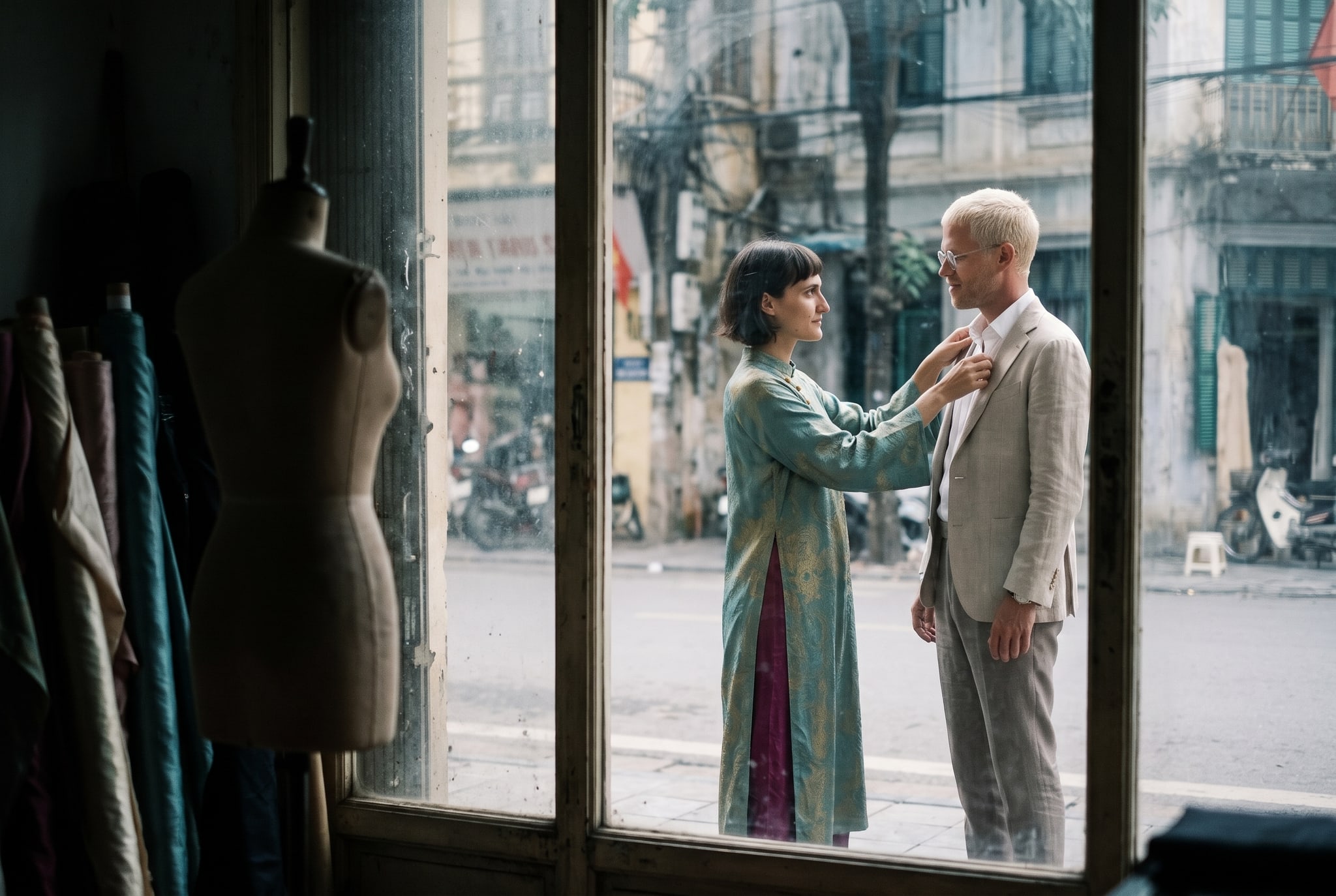
Vietnam's temples house ancestral altars and Buddha statues. Locals view exposed shoulders, thighs, or midriffs as disrespectful—not hostile, but culturally careless. Many temples physically deny entry to uncovered visitors. Covering up isn't a rule to resent; it's a sign you respect the space and the people who worship there. Loose, long-sleeved cotton tops and full-length pants or maxi skirts let you explore freely. If you forget: wrap a sarong or shawl. Better yet, rent a custom-fitted ao dai for temple visits—it's the most respectful and photogenic choice, and Ao Dai Diaries offers same-day rental in Hoi An and Da Nang, two temple-dense regions.
Which fabrics are best for November's humidity and heat?
Cotton, linen, and lightweight silk breathe. Avoid polyester, nylon, and thick blends—they trap heat and show sweat stains. A 100% cotton long-sleeve shirt dries fast and protects skin from sun and mosquitoes without feeling heavy. Linen wrinkles (accept it or embrace it). Silk ao dai rentals are ideal: breathable, elegant, and locally made—they move with you and feel cooler than you'd expect. Moisture-wicking synthetics work for walking and active days, but natural fibers win for comfort in Vietnamese humidity. Check fabric content before you pack; one wrong poly-blend can ruin a week.
Should I pack shorts, and when are they appropriate?
Shorts work in cities (Ho Chi Minh City, Hanoi's café districts, Hoi An's tourist hub) and beach towns (Da Nang, Phu Quoc). Keep them knee-length or longer. Avoid shorts in temples, government buildings, or rural villages—locals may stare or staff may ask you to leave. Capris or lightweight pants are safer, smarter bets. If your itinerary mixes beaches and temples, pack three pairs of pants and two pairs of capris; one pair of shorts for beach-only days. This rule holds October through April, so front-load coverage.
Can I rent an ao dai instead of buying vacation clothes?
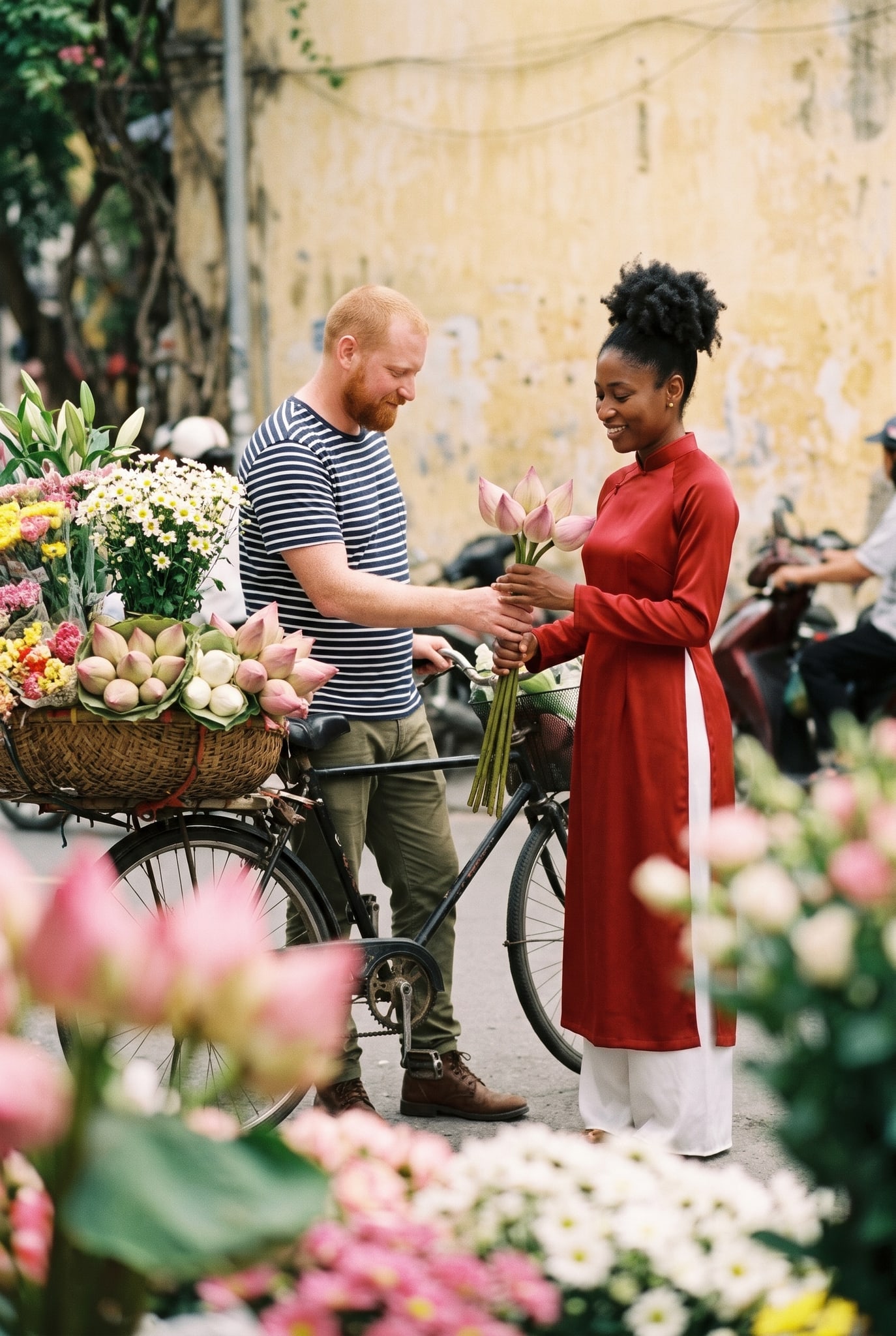
Yes—and it's often smarter. An ao dai rental costs less than buying a week's worth of travel clothes, fits perfectly after a five-minute fitting, and gives you authentic, photograph-worthy outfits for every occasion. Rentals in Hanoi, Ho Chi Minh City, Hoi An, and Da Nang offer same-day or next-day service. Choose from classic silk or modern cotton blends; sizes run XS–XXL. A deposit holds your rental; you return it clean (gentle wash is fine) within your agreed window. Couples rent matching ao dai for anniversaries or prewedding shoots. Solo travelers use ao dai for Instagram-worthy temple strolls or café portraits. Cost typically runs daily or multi-day packages, delivering to your hotel if needed. See how rental works and browse packages.
---
Comparison: What to Buy vs. What to Rent
| Option | Best For | Commitment | Packing Weight | Cost Basis |
|---|---|---|---|---|
| Lightweight pants (cotton) | Everyday, temple visits, mixed itineraries | Permanent wardrobe | 0.3–0.5 kg per pair | Budget mid-range |
| Silk blouses (long-sleeve) | Respectful layering, warm evenings, reusable | Permanent wardrobe | 0.2 kg each | Budget–mid-range |
| Ao dai rental (silk or cotton) | Photoshoots, Tet, cultural immersion, special days | 1–7 days | None (stays in Vietnam) | Day or multi-day rate |
| Linen dress (maxi) | Beach + temple hybrid, one outfit does both | Permanent wardrobe | 0.4 kg | Mid-range |
| Cardigan or shawl | Layering, temple coverage, air-con spaces | Permanent wardrobe | 0.1–0.2 kg | Budget |
Why this matters: Renting an ao dai removes 1–2 kg from your luggage, costs less than two mid-range travel outfits, and gives you authentic photos. Buying pants and layers means more suitcase space used but flexibility for every day. Most travelers do both: buy one ao dai lightweight layer to save space, rent an ao dai for key moments.
---
👗 Rent your ao dai — WhatsApp/Zalo +84 338 762 340
What shoes and accessories complete a November Vietnam outfit?
Worn-in walking shoes matter most. Temple floors, lantern-lit Hoi An alleys, and Old Quarter cobblestones punish new or flimsy footwear. Pack one pair of comfortable sneakers broken in at home, and one pair of flat sandals (leather or quality rubber) for casual and restaurant settings. Avoid flip-flops for walking; they cause blisters and look out of place in nicer restaurants. A lightweight scarf (cotton or silk) serves three jobs: shoulder cover in temples, sun protection, and evening warmth. Sunglasses and a wide-brimmed hat block UV and reduce glare on crowded streets. A small crossbody bag holds phone, cash, and sunscreen without burdening your shoulders. If you rent an ao dai, ask Ao Dai Diaries for styling suggestions—traditional Vietnamese sandals or modern flats pair well, and your stylist can advise which accessories match your chosen dress.
📸 Ao dai + photoshoot packages
How do I pack November Vietnam clothes efficiently?
Roll, don't fold. Lay each item flat, fold lengthwise once, then roll tightly—it saves space, reduces wrinkles, and lets you see every piece in your bag. Pack heavier items (shoes, jeans if you bring them) at the bottom; lighter layers (scarves, thin shirts) on top. Use a packing cube for each day or outfit type. Aim for a carry-on if possible; Vietnam's domestic flights are strict on baggage, and street vendors don't sell reliable replacements. Bring one neutral base (cream, grey, or navy pants), three lightweight tops, one ao dai or special-occasion dress, one pair of shorts, cardigan, scarf, and shoes. That's seven days covered with one-two outfit swaps. Laundry services in hotels cost little; many wash and dry overnight. Use them mid-trip rather than overpacking.
What should I avoid wearing in November in Vietnam?
Sleeveless tops, crop tops, or midriff-baring clothes in temples, pagodas, and government buildings. Thin nylon or polyester that clings and shows sweat. Overly trendy or revealing beachwear outside beach towns. White linen that shows dirt after one walk through Hanoi's Old Quarter. Heavy winter coats—they're useless and take up suitcase space. Flip-flops for sightseeing. Clothing with religious or offensive symbols—respect local beliefs. Shorts above the knee outside tourist zones. One wrong outfit can lock you out of a temple or generate stares in rural areas; stick to conservative ankle-to-shoulder coverage, and you'll fit in everywhere.
---
What to Check Before You Buy or Rent
- Fabric content: Read the label. 100% cotton, linen, or silk breathes. Blends with >20% polyester trap heat.
- Fit and sizing: If renting an ao dai, confirm XS–XXL availability and that your hotel delivery is included. If buying, try on before checkout.
- Temple dress code: Confirm the specific temple's rules (some allow capris; others demand full-length pants). Ask your hotel.
- Laundry access: Hotel laundry services are cheap and fast. Pack fewer items if you can wash mid-trip.
- Weather window: November stays stable, but pack one extra light layer for rare cool spells.
- Rental terms: Understand the deposit, return window, and cleaning expectations before booking. Ask on WhatsApp/Zalo to clarify.
---
📍 See rental by city
---
Frequently asked questions
Can I wear leggings and a long tunic to temples in November?
Yes, if the tunic covers your hips and the leggings are opaque (not sheer). Temples care about coverage, not style. Make sure the tunic isn't so tight it reads as disrespectful.
Is it too cold for short-sleeve shirts in November?
No. Daytime temps in southern Vietnam stay above 24°C. Northern regions (Hanoi, Ha Giang) hit 17–24°C, so bring one thin long-sleeve layering top. Short sleeves work in cities; cover up in temples.
What if I rent an ao dai—do I need to accessorize it?
No. A traditional silk ao dai stands alone. If you rent from Ao Dai Diaries, ask your stylist for styling tips. Simple jewelry (earrings, a bracelet) complements it; avoid loud accessories that clash with the dress.
Should I buy a scarf before I travel, or can I find one there?
Buy one at home if you like; Vietnamese markets sell lightweight scarves cheaply. Hotel shops stock them too, but paying retail beats hunting. Bring a neutral color (cream, beige, navy) that matches multiple outfits.
Can I wear athletic wear (yoga pants, sports bra) for sightseeing?
Yoga pants work for walking and transit. Never wear a sports bra alone—it's too exposed in temples and formal spaces. Pair it with a loose long-sleeve or short-sleeve shirt and you're fine.
Are there any insects or pests I should dress to avoid?
November's cooler, drier weather reduces mosquitoes, but they persist in dusk hours. Long sleeves and pants at dawn/dusk offer protection without looking out of place. Lightweight fabrics keep you cool.
Dozens of colours, all sizes XS–XXL, delivered to your hotel in Hanoi, Saigon, Hoi An or Da Nang. One WhatsApp or Zalo message.
More guides
You might also like
The ao dai is Vietnam's iconic silk dress, worn for celebrations and formal occasions. Ao Dai Diarie
May is Vietnam's hottest month before monsoon season. We'll help you choose the right outfit—whether
December weather in Vietnam is cool and dry—ideal for wearing the ao dai. Here's what suits the seas