guide/ao-dai
What Kind of Clothes to Wear in Vietnam: A Practical Packing Guide
Ao Dai Diaries team · All guides →
Vietnam's humid subtropical climate means breathable, lightweight fabrics in neutrals and pastels work best year-round. Quick-dry cotton, linen, and moisture-wicking synthetics keep you cool in 28–35°C heat; pack modest layers (shoulders and knees covered outside beach areas) to respect cultural norms. For formal occasions, weddings, or photoshoots, renting an ao dai from Ao Dai Diaries beats buying—you get a tailored fit, expert styling, and authentic traditional dress without luggage bulk. Rental in Hanoi, Ho Chi Minh City, Hoi An, and Da Nang starts from modest daily rates; deposit secures your booking, same-day collection works if you book early. Avoid heavy synthetics, short hemlines in temples, and bright beachwear outside resort zones. Comfortable walking sandals and sunscreen are non-negotiable essentials. ---
Why Does Climate Dictate Your Vietnam Packing List?
Vietnam straddles the tropics: Hanoi and the north experience four distinct seasons (hot-humid summers, cool-dry winters 10–15°C), while Ho Chi Minh City and the Mekong Delta stay consistently warm and wet year-round. High humidity (70–90%) makes breathability your first priority—cotton dries faster than polyester, and loose cuts prevent sweat stains. Monsoon seasons (May–September in the south, June–August in the north) mean sudden downpours, not all-day rain; a lightweight rain jacket or packing poncho works better than a bulky umbrella. Pack 3–4 short-sleeve tops and 2 lightweight pants per week; swap heavy winter gear for a single cardigan for cool evenings or over-air-conditioned cafes. The insight: layering isn't about warmth, it's about respecting indoor air-conditioning shock and temple dress codes.
---
What Does "Modest Dress" Actually Mean in Vietnam?
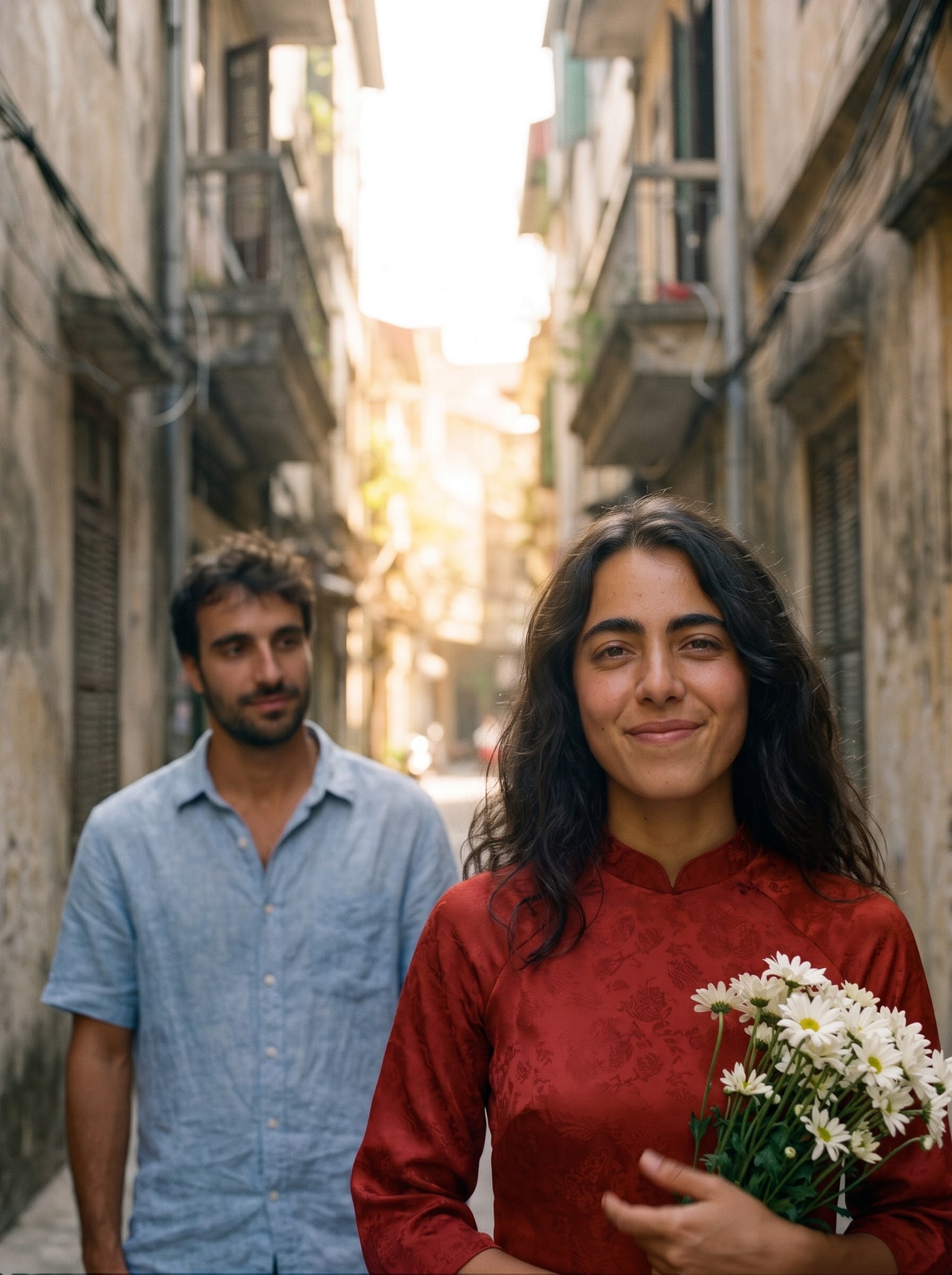
Temples, pagodas, and rural villages expect covered shoulders and knees—even in 35°C heat. Loose, knee-length skirts or cropped trousers paired with a thin long-sleeve shirt or shrug read as respectful without feeling stuffy. City centers (Hanoi's Old Quarter, District 1 in Ho Chi Minh City) are casual; beachwear is fine at resorts but awkward on urban streets. Vietnamese dress leans conservative but warm: locals wear bright colors, patterns, and fitted styles—just not provocative cuts. For photoshoots in cultural or historical sites, the ao dai solves this entirely: it's the gold standard for temple visits, family photos, and Tet celebrations. Rent your ao dai for any occasion, or stick to lightweight trousers and breathable tunics as a safe everyday baseline.
👗 Rent your ao dai — WhatsApp/Zalo +84 338 762 340
---
What Should You Pack by Season, and What's Unnecessary?
| Season | Months | Temperature | What to Pack | What to Skip |
|---|---|---|---|---|
| Hot & humid | Mar–May | 28–38°C | Cotton vests, linen shorts, breathable sundresses, light scarves | Heavy denim, wool, dark colors |
| Monsoon | Jun–Aug (south), Jun–Sep (north) | 26–32°C | Lightweight rain jacket, moisture-wicking layers, closed-toe shoes | Linen (wrinkles heavily wet), white fabrics |
| Mild & dry | Oct–Nov, Feb–Mar | 18–28°C | Long-sleeve cotton shirts, lightweight pants, one thin sweater | Jackets, boots, winter accessories |
| Cool season (Hanoi only) | Dec–Jan | 10–15°C | Layers: thermals, sweaters, a light puffer or trench coat | Heavy winter coats, scarves unnecessary |
Key insight: Locals re-wear clothes frequently because fabric dries fast; pack half what you'd bring to Europe. One pair of walking sandals and one pair of comfortable sneakers cover 95% of needs. Avoid: white fabrics (humidity and motorbike exhaust stain them), heavy denim (slow to dry, uncomfortable wet), and anything you wouldn't wear damp—because rainy-season humidity means everything dries slowly.
---
When Should You Rent an Ao Dai Instead of Packing Formal Wear?
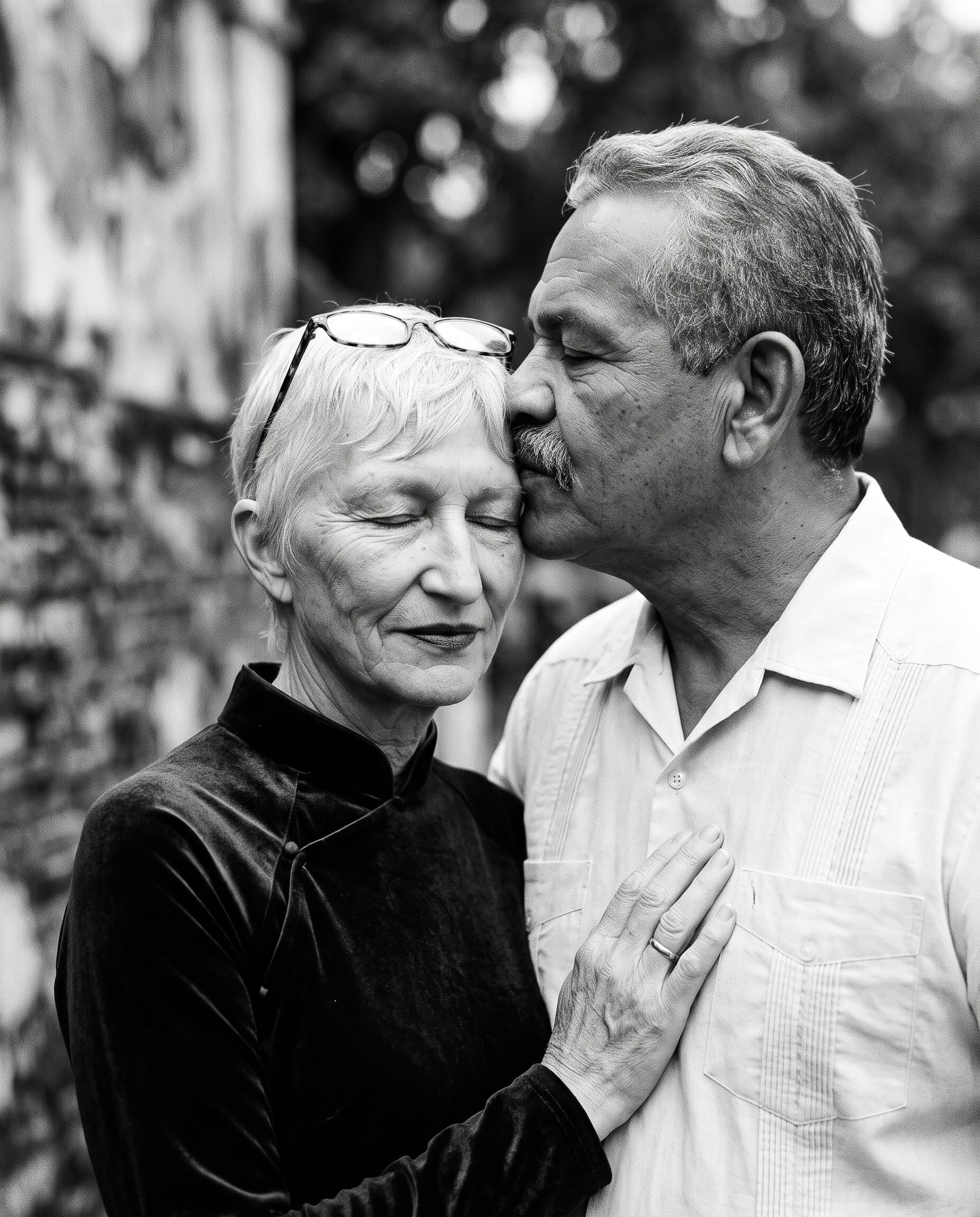
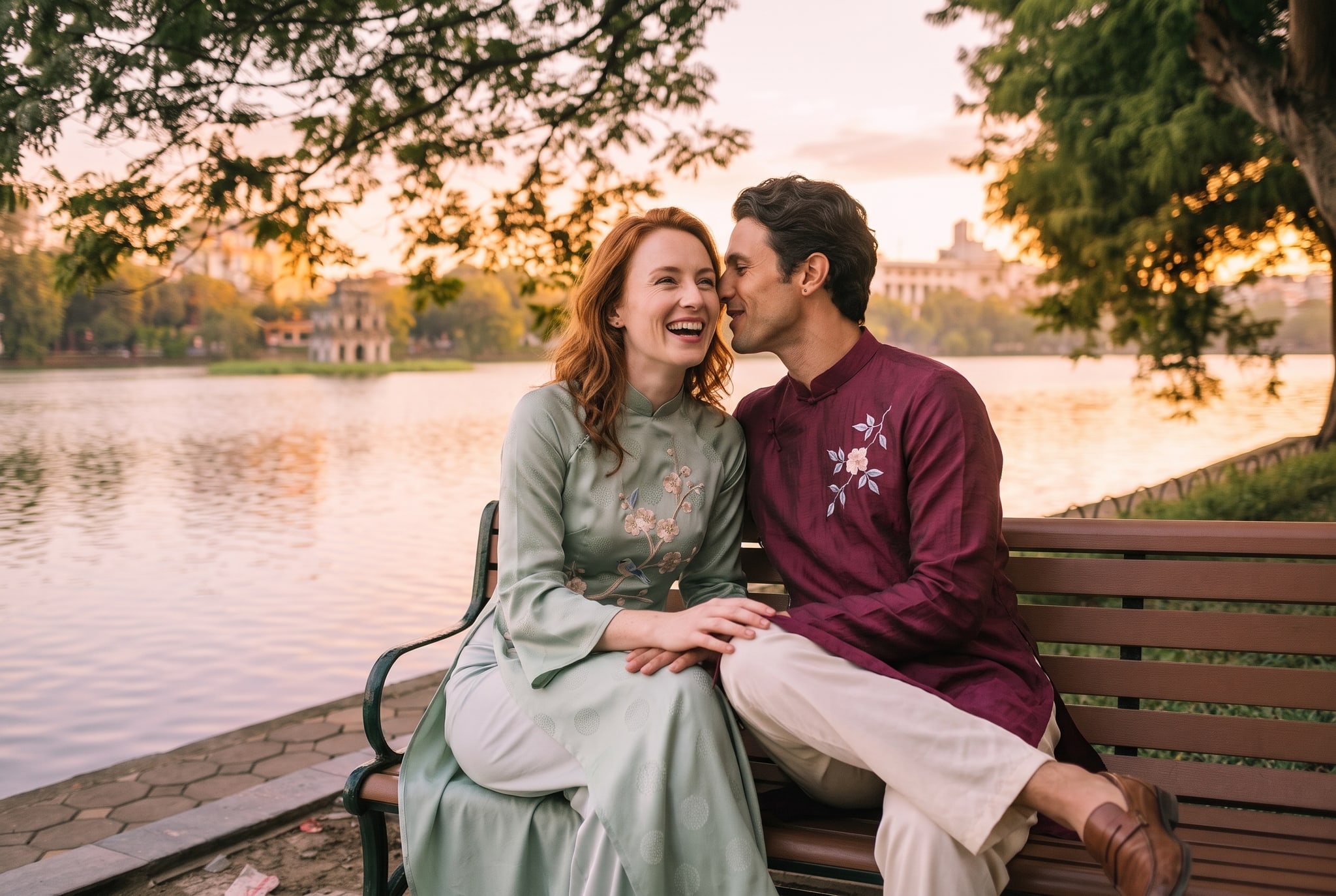
The ao dai is Vietnam's national dress: a floor-length silk tunic over loose trousers, worn for weddings, Tet, graduations, photoshoots, and formal dinners. Renting beats packing because: (1) tailored fit (sizes XS–XXL adjusted to your frame); (2) authentic silk or quality cotton you won't find in luggage; (3) styling advice included; (4) zero transport hassle—collection from your hotel, same-day or next-day availability. Rental works across Hanoi, Ho Chi Minh City, Hoi An, and Da Nang; deposit holds your slot, and fitting takes 15–20 minutes. For a single occasion, rental costs far less than buying, and photographers prefer rentals because professionals curate colors and fabrics for your shoot. Traditional red or gold works for Tet; soft pastels for weddings; bold jewel tones for photoshoots. Explore ao dai + photoshoot packages or learn how rental works.
📸 Ao dai + photoshoot packages
---
How Do You Avoid Overpacking and Still Respect Dress Codes?
Start with a packing checklist tailored to your itinerary:
- Everyday city wear: 4 breathable tops (cotton blends, neutral tones), 2 pairs lightweight trousers, 1 knee-length skirt.
- Beach/resort: 2 swimsuits, 1 lightweight cover-up (not beachwear on streets).
- Temples/formal sites: 1 long-sleeved tunic or shirt, 1 knee-length or longer skirt/trousers.
- Photoshoots: Book an ao dai rental instead of packing a formal dress; saves 2–3 kg and looks infinitely better.
- Footwear: Walking sandals, comfortable sneakers, 1 dressier shoe (loafer or simple flat).
- Layering: 1 lightweight cardigan, 1 thin scarf (sun protection + air-con comfort).
- Essentials: Sunscreen SPF 50+, quick-dry towel, hat or cap, lightweight rain jacket.
- Undergarments: Moisture-wicking fabrics, extra socks (feet sweat heavily).
The rule: if it doesn't serve three purposes (sun protection, cultural respect, comfort, style), leave it. Humidity means you'll wear fewer items more often; plan for daily laundry (hotels offer same-day service) rather than bringing a week's worth. For Hanoi rentals, Saigon rentals, Hoi An rentals, and Da Nang rentals, booking 1–2 days ahead ensures availability.
---
What to Check Before You Buy or Rent Clothes for Vietnam
Fabric first: Natural fibers (cotton, linen, silk blends) breathe; avoid 100% polyester or "fast-fashion synthetics" that trap sweat and smell after one wear. Check weight—lightweight (130–200 GSM cotton) dries overnight; heavyweight takes days.
Fit and modesty: Try everything on standing and bending; anything that rides up or gapes at buttons will in 35°C heat. Knee-length is the safe minimum for non-beach areas. Cap sleeves or sleeveless with a cardigan layer covers temples.
Care and durability: Read washing instructions—many Southeast Asian fabrics fade or shrink if dried on high heat. Pack portable laundry sheets for handwashing delicate items; hotels charge see packages & prices per kg for same-day laundry.
Shoes: Walk 10 minutes in them before traveling; Vietnam has uneven sidewalks and stairs. Sandals should have arch support; sneakers must be breathable (mesh or perforated). Avoid thick soles that catch cobblestones in Hoi An.
Ao dai rental specifics: For cultural authenticity, rent from Ao Dai Diaries' city partners—you'll get proper fitting, fabric advice (silk vs. cotton blends), and styling for your occasion. Deposit is refundable; ask about damage clauses before booking. Always arrive 15 minutes early to your fitting.
---
📍 See rental by city
---
Frequently asked questions
What's the single best fabric to pack for Vietnam's heat?
Lightweight cotton (130–180 GSM)—it breathes, dries fast (4–6 hours line-dried), and won't wrinkle into your skin. Linen is cooler but wrinkles heavily and stains easily; synthetics trap sweat and smell by day two.
Do I need different clothes for Hanoi versus Ho Chi Minh City?
Hanoi has cool winters (10–15°C Dec–Jan) requiring layers; Ho Chi Minh City stays 25–35°C year-round. Pack a light cardigan only if visiting Hanoi Dec–Feb. Both cities expect modest dress outside beaches and nightlife zones.
Should I buy formal wear or rent an ao dai for a wedding?
Rent an ao dai if you're attending a Vietnamese wedding or formal event—it's the expected choice, looks more authentic than Western formal wear, and eliminates packing a heavy dress. Rental is cheaper, tailored, and includes styling advice.
How many days' worth of clothes should I pack for a two-week trip?
Pack 5–7 days' worth; use hotel laundry (same-day, see packages & prices–3/kg). Humidity speeds drying, and you'll re-wear items more than at home. Bring extras only for underwear and socks, which sweat heavily.
What's the biggest packing mistake tourists make in Vietnam?
Overpacking heavy fabrics and formal wear. Most also bring one pair of shoes—pack two (sandals + sneakers) for comfort and village/temple visits where sandals aren't appropriate.
Can I wear shorts in Vietnam, or is it disrespectful?
Shorts above the knee are fine in cities and beach areas; wear knee-length or longer in temples, rural villages, and conservative neighborhoods. Khaki or neutral shorts read as practical, not disrespectful, as long as your top covers shoulders.
Dozens of colours, all sizes XS–XXL, delivered to your hotel in Hanoi, Saigon, Hoi An or Da Nang. One WhatsApp or Zalo message.
More guides
You might also like
The ao dai is Vietnam's iconic silk dress, worn for celebrations and formal occasions. Ao Dai Diarie
May is Vietnam's hottest month before monsoon season. We'll help you choose the right outfit—whether
December weather in Vietnam is cool and dry—ideal for wearing the ao dai. Here's what suits the seas