hanoi
What to Wear in Hanoi: Ao Dai Rental Guide for Tourists
Ao Dai Diaries team · All guides →
Hanoi calls for breathable, modest layers: loose linen or cotton shirts, lightweight trousers, and flat sandals for daytime; temples and formal spaces require covered shoulders and knees. A rented ao dai—Vietnam's traditional silk tunic worn over trousers—is the gold standard for tourists: it's cooler than Western clothes, culturally respectful, photogenic, and available same-day through Ao Dai Diaries in sizes XS–XXL. Expect to pay entry-level to mid-range rates for a one-day rental; deposit varies by rental length. Avoid sleeveless tops, short skirts, and tight fabrics in public—they're uncomfortable in 35°C heat and disrespectful at sacred sites. Hanoi's Old Quarter mixes tradition with street food and motorbikes, so choose slip-on shoes and a secure bag. ---
Why Do Tourists Struggle with Hanoi's Dress Code?
Most first-time visitors underestimate the heat and misjudge what's appropriate. Hanoi's summer (May–September) hits 35–38°C with 80% humidity; winter (November–February) drops to 15–20°C but remains damp. Western casual wear—jeans, sneakers, crew-neck tees—binds to skin, causes chafing, and marks you as unprepared. Vietnamese dress culture values modesty: exposed shoulders, knees, or midriffs signal disrespect at pagodas, temples, and family spaces. The ao dai solves both problems instantly. Its loose silk drape whisks sweat, its full-length cut covers respectfully, and its elegance opens doors (literally—hotels, restaurants, and monks treat you differently when you dress with intention).
👗 Rent your ao dai — WhatsApp/Zalo +84 338 762 340
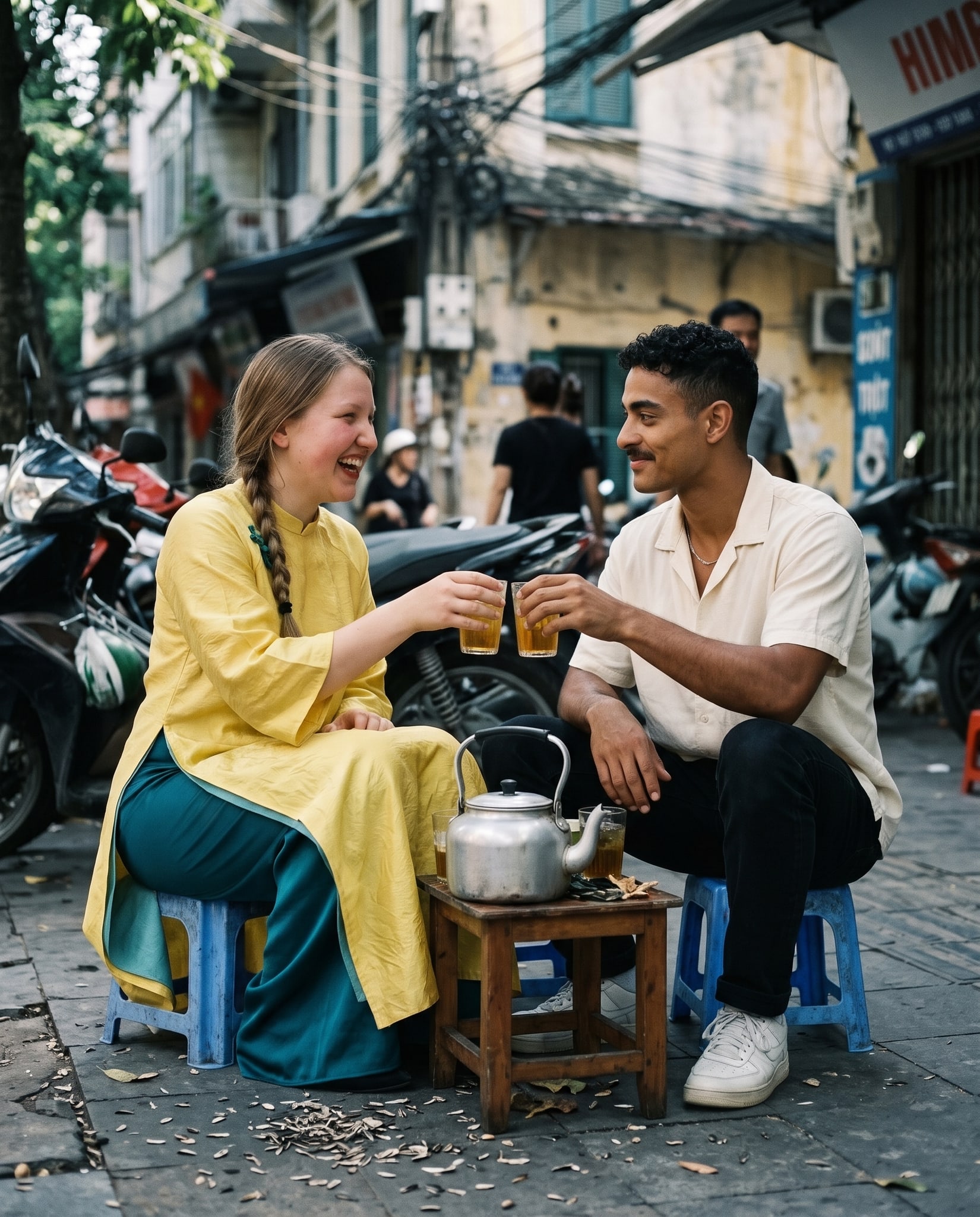
What's the Difference Between Renting and Buying an Ao Dai?
Renting lets you experience the garment without commitment; buying locks you into one design for life. A rental spans one day to two weeks, delivered to your hotel in Hanoi, with fitting guidance included—most travelers choose 2–5 days to wear it across multiple occasions (photoshoots, temple visits, evening dinners). Buying an ao dai from a tailor costs 1.5–3 million VND (~see packages & prices) upward, requires 1–2 weeks of tailoring, and demands you know your exact fit. Renters pay per-day rates scaled for tourists; you avoid the language barrier, tailoring delays, and suitcase space. If you're visiting Hanoi for under a week and want to try the ao dai without ownership risk, renting through Ao Dai Diaries is the practical route—same-day or next-day fitting, deposit held, garment returned clean.
Should You Rent an Ao Dai or Wear Your Own Clothes?
| Outfit type | Who it suits | Comfort in Hanoi heat | Cultural respect | Photo quality | Best for |
|---|---|---|---|---|---|
| Your own Western clothes | Budget travelers, 1–2 day visits | Poor (binds, visible sweat) | Low (temples may deny entry) | Casual, dated | Quick sightseeing only |
| Lightweight linen/cotton basics | Practical day-trippers | Good (breathes, loose fit) | Medium (respects knees/shoulders) | Authentic street style | Daily walking tours |
| Rented ao dai | Photographers, culture seekers, 2+ days | Excellent (silk, floor-length, airy) | Highest (tradition, elegance) | Stunning (timeless, magazine-ready) | Tet, temples, TikTok, formal dinners |
| Custom tailored ao dai | Long-term residents, repeat visitors | Excellent (tailored fit) | Highest | Bespoke, personal | Ownership, future events |
Renting an ao dai is the sweet spot for most tourists: zero language barriers, instant fit, cultural immersion, and no regret if you never wear it again. See rental options by city.
How Does Same-Day Ao Dai Rental Work in Hanoi?
Book before 10 a.m. via WhatsApp (+84 338 762 340) or Zalo, confirm your size (XS–XXL), and specify delivery location (hotel name, address, room number). A stylist meets you in your room or a central location, brings 2–3 sample ao dais to try, takes notes on fit preference (waist, length, sleeve), and holds a deposit (usually 500k–1m VND / ~see packages & prices). The rental ao dai arrives cleaned, pressed, and hanging next morning or same afternoon. You wear it for the agreed days (typically 24–72 hours), then return it clean or with minor wear noted. Deposit is refunded in full upon return. No tailoring, no waiting—just measurement, selection, and delivery. Learn how ao dai rental works here.
📸 Ao dai + photoshoot packages
What Should You Avoid Wearing in Hanoi Temples and Sacred Spaces?
Temples, pagodas, and shrines enforce strict dress codes enforced by monks and caretakers—entry is often denied outright for violations. Never wear: sleeveless tops, shorts above knee, low-cut dresses, transparent fabrics, or anything with death/skull imagery (offensive spiritually). Hats indoors and shoes inside inner sanctums are also forbidden. Respectful dress means covered shoulders, elbows, knees, and a modest neckline. An ao dai checks all these boxes automatically; if wearing your own clothes, pair a button-up shirt with full-length trousers or a maxi skirt. Hanoi's key temples (Jade Mountain, One Pillar, Trấn Quốc) turn away 5–10 visitors daily for dress code violations; renting an ao dai eliminates this stress entirely. You'll also notice locals and other tourists photograph you more—the ao dai is a visual permission slip that says "I respect your culture."
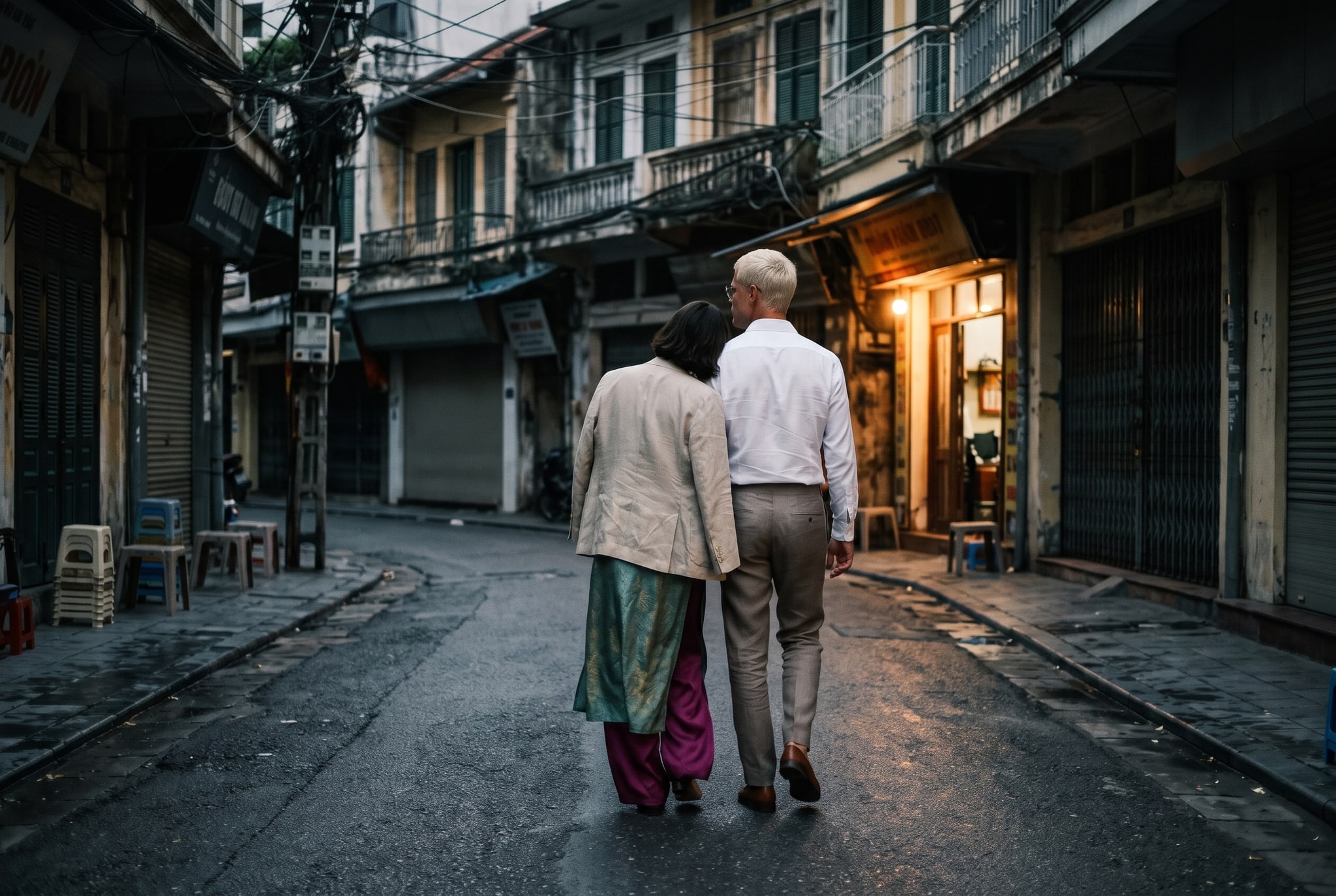
Which Hanoi Neighborhoods Demand Different Outfit Strategies?
| Area | Vibe | Heat exposure | Dress focus | Why ao dai shines |
|---|---|---|---|---|
| Old Quarter (36 Streets) | Chaotic, historic, street food | High (narrow, no shade) | Breathable, pocketable bag | Loose silk handles crowds + sweat; no wrinkles from motorbike elbows |
| French Quarter (Hoàn Kiếm) | Colonial architecture, cafés, parks | Moderate (tree-lined) | Elegant, camera-ready | Photo-friendly backgrounds; upscale restaurants expect formality |
| Hoan Kiem Lake | Calm, temples, morning tai chi | Low–moderate | Modest, slow-paced | Perfect for dawn photoshoots; temple proximity requires covered shoulders |
| Temples & Pagodas | Sacred, quiet, photography | Low (indoors/shaded) | Full coverage mandatory | Ao dai is the only safe choice—modesty + elegance default |
| Modern Tây Hồ (West Lake) | Upscale cafés, sunset views | Moderate | Stylish, Instagram-worthy | Locals wear ao dai here; you blend in, stand out beautifully for photos |
Each district has a personality. The ao dai works everywhere because it's simultaneously casual (locals wear it to markets), formal (appropriate for dinners), and photogenic. Check photoshoot packages for guided sessions in these areas.
📍 See rental by city
What to Check Before You Book an Ao Dai Rental
Fitting & sizing: Measure your bust, waist, and height in centimeters; confirm XS–XXL sizing with the stylist—Asian and Western sizes differ. Try the ao dai on before deposit; request sleeve and hem adjustments if needed (some tailors do these same-day).
Color & style: Pick a color that suits your skin tone and complements your planned photos (neutrals = timeless; jewel tones = dramatic). Ask to see 3–5 options if available; the stylist will show you what works.
Deposit & refund terms: Confirm deposit amount, refund timeline (usually within 24 hours of return), and what counts as "normal wear" (tiny stains = okay; rips, burns, stains = charge may apply).
Delivery & return logistics: Ask about hotel delivery times (usually 9 a.m.–6 p.m.), evening return pickup, and whether you need to return it at a central location or hotel-side. Confirm contact for emergencies (rips, lost buttons during your rental period—many tailors fix these free).
Duration pricing: Clarify the per-day cost; longer rentals often cost less per day. A 1-day rental is pricier per-day than a 3-day; plan accordingly.
Care instructions: You'll receive basic cleaning guidance—spot-clean small stains with a damp cloth, avoid heavy cologne perfume, and don't sit heavily on the skirt. Most fabrics are silk or silk-blend and need gentle handling.
---
Real Traveler Scenarios: Which Outfit Wins?
Scenario A: 3-day Hanoi itinerary, wants a professional photoshoot. Best choice: Rent a premium ao dai for 2 days (include a photoshoot session with a professional; see packages). Spend the third day in breathable linen basics exploring the Old Quarter. Why: Ao dai for curated photos, casual clothes for walking tours; rental eliminates the "I own a silk dress I'll never wear" guilt.
Scenario B: Backpacker, budget-conscious, visiting temples only. Best choice: Wear your own modest linen shirt + full trousers for temples; rent an ao dai for 1 day if you want a single stand-out photo or Tet celebration. Why: Temples don't require ao dai, only coverage; a 1-day rental is affordable and memorable without breaking the bank.
Scenario C: Couple doing Tet (Lunar New Year) celebrations + formal dinners. Best choice: Rent complementary ao dais (one each) for 3–5 days; wear casual clothes on transit days. Photoshoots with lake/temple backdrops are included in most packages. Why: Tet is THE ao dai season in Hanoi; couples in matching or harmonious colors photograph beautifully and feel fully immersed.
---
Hanoi-Specific Packing & Outfit Formula for 2026
Plan for 5–10 outfits across a week-long Hanoi trip:
- Days 1–2: Lightweight linen shirt, cotton trousers, slip-on sandals. Covers temples, navigates language barriers, tests your comfort level.
- Days 3–4: Rented ao dai (delivered day 2 evening or day 3 morning). Photoshoot, temple, formal dinner, evening lake walk.
- Days 5–6: Casual dress (sundress, loose shirt) + a light cardigan. Museums, indoor markets, air-conditioned cafés.
- Day 7: Same light layers or ao dai again if you loved it. Departure prep.
Bring: sunscreen (SPF 50+, reapply every 2 hours), a fast-dry scarf or shawl (covers shoulders, handles sweat, keeps sun off), a small crossbody bag (secure in crowds), and a portable phone charger. Avoid: heavy makeup (heat + humidity = melting), tight shoes (you'll walk 20k+ steps), and perfume (applies heat to skin). The ao dai handles the "what to wear?" stress entirely—no overthinking, no cultural missteps, no sweating through Western fabrics.
Start your Hanoi rental today—WhatsApp/Zalo +84 338 762 340
---
Frequently asked questions
Can I rent an ao dai if I'm only in Hanoi for 24 hours?
Yes. Same-day or next-day delivery is available; book before 10 a.m. to receive your ao dai by afternoon. A 1-day rental is pricier per-day than longer terms but perfect for a single event, photoshoot, or temple visit.
What sizes does Ao Dai Diaries offer?
Sizes XS–XXL to fit most adult bodies. Measurements are taken on fitting; Western and Asian sizing differ, so always confirm your bust, waist, and height in centimeters with the stylist before deposit.
Is an ao dai too formal for walking around the Old Quarter?
No. Locals wear ao dai to markets, cafés, and casual outings daily. It's elegant but breathable and practical—perfect for wandering street food stalls, browsing shops, and mingling with crowds. You'll blend in and photograph beautifully.
What if the ao dai gets a small tear or stain during my rental?
Minor wear (small food stains, wrinkles) is normal and covered by the rental. Major damage (rips, burns, permanent stains) may incur a fee; most reputable rental services clarify this upfront. Always ask about damage policy before paying deposit.
Should I rent an ao dai if I'm only visiting Hanoi's museums and hotels, not temples?
It depends on your goals. If you want authentic, photogenic memories and a cultural experience, yes—wear it for 1–2 days. If you're purely sightseeing and budget is tight, you can skip it and wear modest casual clothes; temples will still permit entry if you wear full-length trousers and cover shoulders.
How far in advance should I book an ao dai rental for a Tet visit?
Book 2–4 weeks ahead during Tet season (January–February) as demand spikes. Off-season (March–December) allows same-day or next-day booking. Contact Ao Dai Diaries on WhatsApp/Zalo +84 338 762 340 to confirm availability.
Frequently asked questions
Can I rent an ao dai if I'm only in Hanoi for 24 hours?
Yes. Same-day or next-day delivery is available; book before 10 a.m. to receive your ao dai by afternoon. A 1-day rental is pricier per-day than longer terms but perfect for a single event, photoshoot, or temple visit.
What sizes does Ao Dai Diaries offer?
Sizes XS–XXL to fit most adult bodies. Measurements are taken on fitting; Western and Asian sizing differ, so always confirm your bust, waist, and height in centimeters with the stylist before deposit.
Is an ao dai too formal for walking around the Old Quarter?
No. Locals wear ao dai to markets, cafés, and casual outings daily. It's elegant but breathable and practical—perfect for wandering street food stalls, browsing shops, and mingling with crowds. You'll blend in and photograph beautifully.
What if the ao dai gets a small tear or stain during my rental?
Minor wear (small food stains, wrinkles) is normal and covered by the rental. Major damage (rips, burns, permanent stains) may incur a fee; most reputable rental services clarify this upfront. Always ask about damage policy before paying deposit.
Should I rent an ao dai if I'm only visiting Hanoi's museums and hotels, not temples?
It depends on your goals. If you want authentic, photogenic memories and a cultural experience, yes—wear it for 1–2 days. If you're purely sightseeing and budget is tight, you can skip it and wear modest casual clothes; temples will still permit entry if you wear full-length trousers and cover shoulders.
How far in advance should I book an ao dai rental for a Tet visit?
Book 2–4 weeks ahead during Tet season (January–February) as demand spikes. Off-season (March–December) allows same-day or next-day booking. [Contact Ao Dai Diaries on WhatsApp/Zalo +84 338 762 340](https://wa.me/84338762340) to confirm availability.
Dozens of colours, all sizes XS–XXL, delivered to your hotel in Hanoi, Saigon, Hoi An or Da Nang. One WhatsApp or Zalo message.
More guides
You might also like
Ao dai rental in Hanoi is now accessible same-day from city-center locations. We explain fitting, de
A photoshoot in Hanoi wearing ao dai captures Vietnam's elegance and your memory forever. Ao Dai Dia
Renting an ao dai for a Hanoi photoshoot combines Vietnam's iconic traditional dress with profession