hanoi
What to Wear in Hanoi, Vietnam: Tourist Outfits Guide
Ao Dai Diaries team · All guides →
Hanoi's weather shifts dramatically: hot-humid April–September (28–35°C, 82–95°F), cool-dry October–March (10–20°C, 50–68°F). Light cotton, breathable layers, and closed-toe shoes suit most travelers; avoid sleeveless tops and shorts at temples. For a truly authentic experience, renting an ao dai lets you blend into Hanoian culture while staying comfortable and respectful—Ao Dai Diaries offers same-day fittings across the Old Quarter and French Quarter. Pack a light scarf for sun and temple visits. Hanoi's motorbike-heavy streets mean secure shoes and a small crossbody bag. Budget outfits work fine for casual exploration; splurge on structured pieces (linen blazer, quality jeans) if you're dining upscale or attending events. 👗 Rent your ao dai — WhatsApp/Zalo +84 338 762 340
What fabric and fit work best for Hanoi's climate?
Hanoi's humidity averages 75–90% year-round; cotton, linen, and moisture-wicking blends prevent sweat stains and discomfort on walking tours. Loose or straight-cut garments (avoid tight waistbands) let air circulate; long sleeves in lightweight fabric protect skin from sun and mosquitoes without overheating. Avoid polyester and denim except in cool months (November–February). If you're exploring the Old Quarter's maze-like streets on foot for 4+ hours, choose pieces that don't cling or wrinkle excessively. The ao dai's flowing silk or cotton-blend design naturally regulates temperature—a reason it remains Hanoi's go-to for comfort and style.
Conclusion: Cotton and linen in loose fits beat heavy fabrics in Hanoi's tropical air.
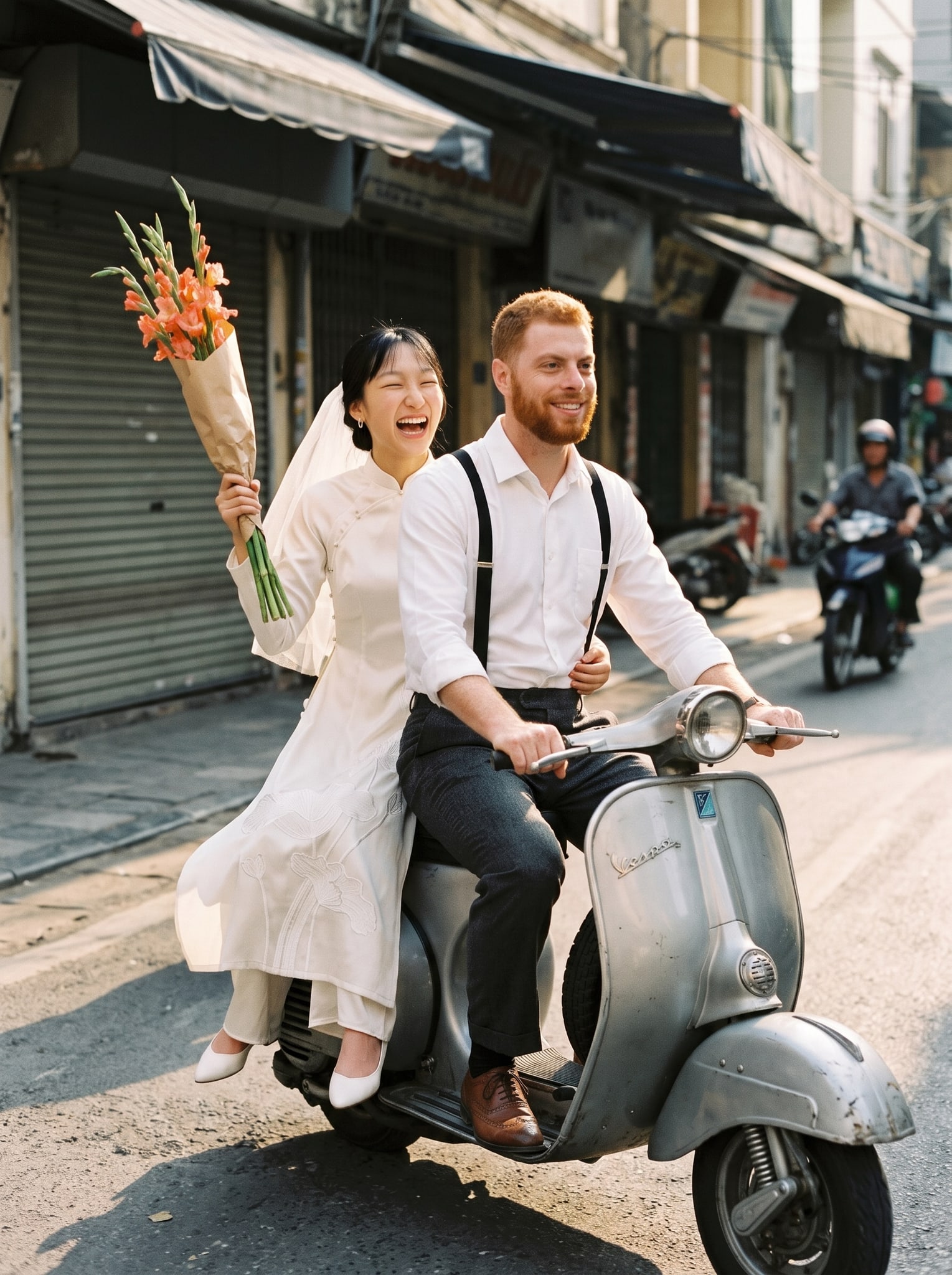
Should you wear shorts, sleeveless tops, or sandals in Hanoi?
Shorts above the knee and sleeveless shirts are acceptable in tourist zones (Hoan Kiem Lake, Ben Thanh Market) but disrespectful at temples, pagodas, and family-owned shops—especially during Tet or religious holidays. Hanoians dress modestly by default; locals rarely wear exposed shoulders or thighs in public. Sandals work for casual strolls but closed-toe shoes (sneakers, loafers, flat boots) are safer on uneven sidewalks and better for temple visits where bare feet or thong sandals may be required indoors. Pack lightweight pants (chinos, linen trousers) and a breathable long-sleeve shirt as a versatile fallback. If you rent an ao dai for a temple photoshoot, you'll see firsthand how grace and coverage enhance the experience—no apologies needed.
Conclusion: Cover shoulders and knees at temples; closed-toe shoes protect feet and respect local customs.
Does renting an ao dai make sense for one or two days in Hanoi?
Absolutely. Same-day or next-day rental through Ao Dai Diaries takes 30 minutes for fitting at our Old Quarter or French Quarter studios; you're ready for evening strolls, Hoan Kiem Lake sunset photos, or Tet celebrations by afternoon. Rental costs far less than buying and packing traditional wear from home. Sizes range XS–XXL; deposit-based reservations secure your fit. Many travelers rent for 1–2 days (≈see packages & prices equivalent, based on typical rental rate bands) and wear it for dinner, night markets, or a half-day guided photo tour. The ao dai elevates casual sightseeing into a cultural immersion—locals react warmly, and photos rival professional shoots. If you're in Hanoi 3+ days, a multi-day rate or packages combining rental + photoshoot often offer better value.
Conclusion: Hanoi's compact Old Quarter makes 1–2 day ao dai rentals practical, affordable, and unforgettable.
What's the difference between tourist wear, casual local style, and occasion outfits?
| Outfit Type | Occasion | Key Pieces | Where It Works | Respect Level |
|---|---|---|---|---|
| Tourist Casual | Day walks, markets, museums | Breathable shirt, chinos, sneakers | Backpacker zones, street food | Neutral |
| Smart Casual Local | Café, casual dinner | Linen shirt/blouse, cropped pants, loafers | Young Hanoian spots, trendy cafés | Good |
| Ao Dai (Rental) | Tet, weddings, photoshoots, evening strolls | Traditional tunic + pants, silk or cotton | Temples, formal events, cultural hubs | Highest |
| Formal/Upscale | Fine dining, business | Tailored blazer, quality trousers, closed-toe heels/oxford | Michelin-listed restaurants, corporate meetings | Professional |
The ao dai transcends "tourist" and "local"—it signals respect and cultural interest. Renting one for a single evening in Hanoi yields photos and memories equal to a week of everyday wear. If you're attending a Tet party or family event, ask your host; many appreciate visitors in ao dai more than Western formalwear.
Conclusion: Match outfit formality to venue; ao dai is the only choice that impresses everywhere in Hanoi.
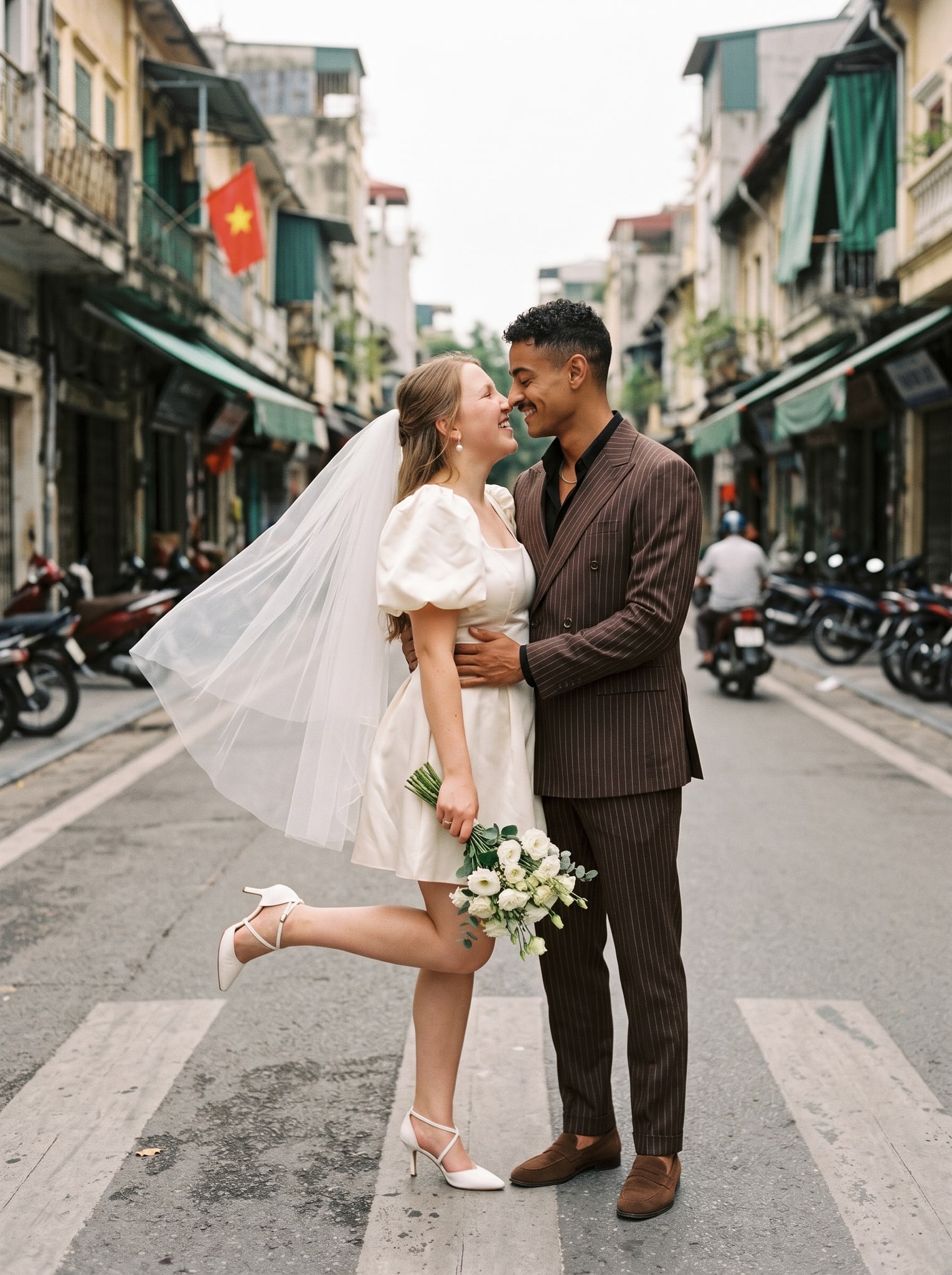
How do you avoid looking out of place or disrespectful while sightseeing?
Hanoi's Old Quarter and Temple of Literature see millions of visitors yearly; dressing mindfully—long pants, shoulders covered, shoes clean—marks you as a respectful traveler, not a "resort person." Avoid loud logos, beach wear, or athletic gear outside gyms and pools. Hanoi's young professionals dress tidily even for casual Friday coffee; matching that understated elegance (fitted jeans + simple top + blazer or scarf) lets you blend without trying too hard. At Hoan Kiem Lake at dusk, watch how locals dress: modest layers, neat hair, minimal jewelry. At street markets (Dong Xuan, Hang Be), loose, breathable clothing prevents pickpocket temptation and stays comfortable in crush. If you're unsure, err conservative. Renting an ao dai eliminates guesswork entirely—you're dressed in the tradition of the city itself, and every Hanoian will notice your effort respectfully.
Conclusion: Conservative, neat clothing shows respect; ao dai is the ultimate cultural compliment.
---
What to check before you book or pack
- Fit. Reserve rental in advance if you have sizing concerns (XS–XXL available); confirm at your hotel or via WhatsApp +84 338 762 340 before your arrival date.
- Occasion. Specify your plan (temple, wedding, photoshoot, night market) when booking rental—it affects style, color, and add-ons (scarf, hair accessories).
- Weather. Check Hanoi's 10-day forecast; pack a lightweight rain jacket for October–May. June–September humidity is intense; prioritize breathable fabrics.
- Footwear. Bring or buy comfortable walking shoes; temple visits require removable shoes or socks, so avoid lace-up boots on those days.
- Temple etiquette. Long pants/skirts and covered shoulders are non-negotiable. Hats, heavy bags, and loud jewelry can offend.
- Laundry. Most hotels offer same-day laundry for ≈see packages & prices per load; pack fewer clothes and rotate if staying 4+ days.
---
📸 Ao dai + photoshoot packages
Real Hanoian insight: Why locals rarely wear everyday Western casual
Hanoi's professional culture prizes tidiness and subtle elegance. You'll see few Hanoians in baggy, worn, or oversized Western casual wear—instead, neat jeans with a fitted blouse, structured blazer, or silk scarf. This reflects Confucian values and French colonial legacy (still visible in architecture and dress codes). When you wear clean, fitted, modest Western clothing—or better yet, an ao dai—you're speaking the city's language. Street vendors, café owners, and temple keepers respond with warmth and fairness. Disheveled or disrespectful dress (torn shorts, excessive skin, loud slogans) can lead to higher prices, cold treatment, or being asked to leave. Hanoi rewards effort; invest in one or two well-made pieces, and your entire trip shifts.
Conclusion: Hanoi's unspoken dress code values neatness and respect—ao dai is the ultimate shortcut to both.
---
👗 Rent your ao dai — WhatsApp/Zalo +84 338 762 340
📍 See rental by city | 🏛️ Explore Hanoi
---
Planning beyond Hanoi?
Ao Dai Diaries operates in Ho Chi Minh City, Hoi An, and Da Nang as well. Each city has distinct seasonal conditions and cultural vibes—read our ao dai style guides for region-specific outfit tips. Traveling between cities? Multi-city rental is possible; contact us via WhatsApp for logistics.
---
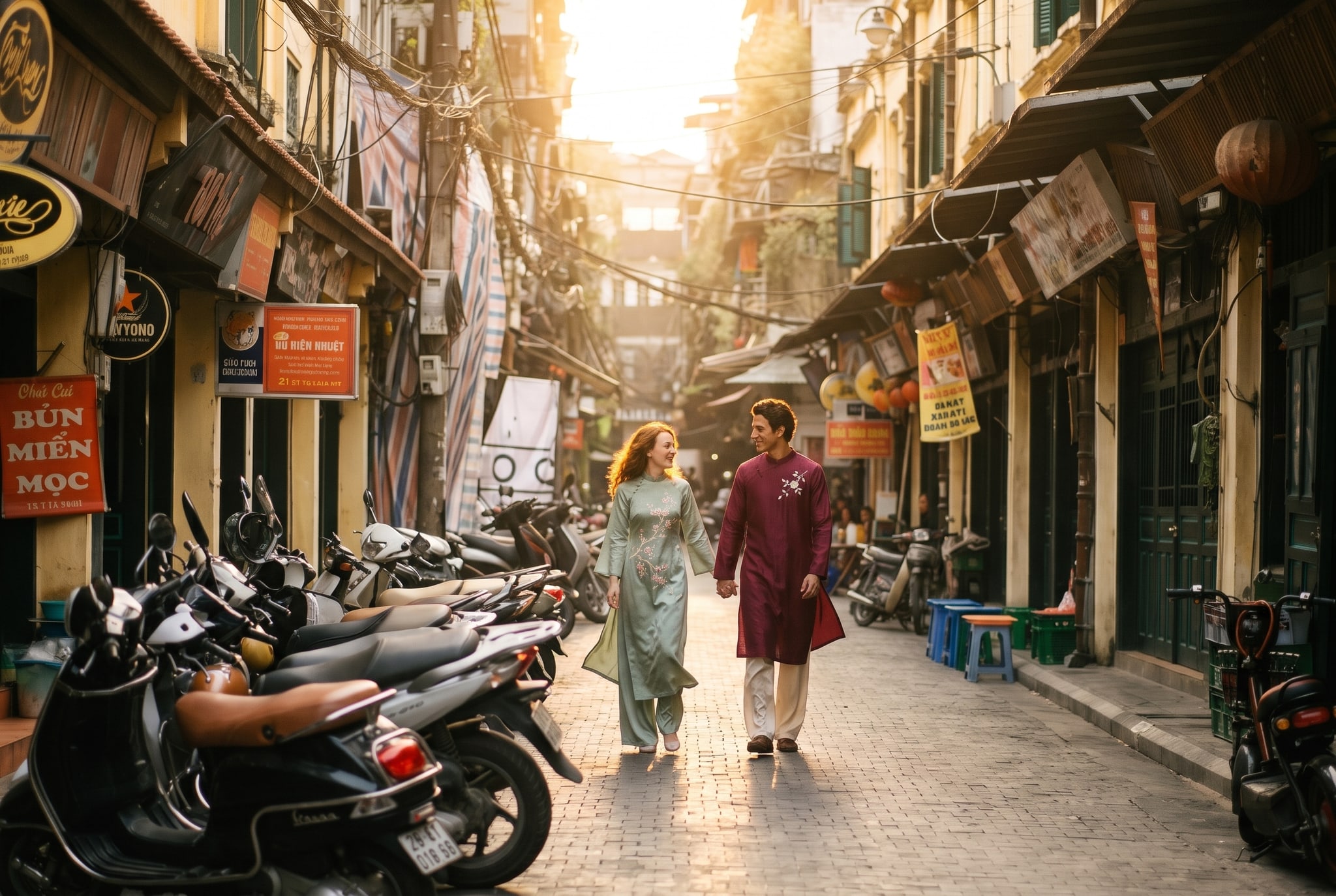
Frequently asked questions
What's the warmest month in Hanoi, and what should I wear?
July–August hit 32–35°C (90–95°F) with 85% humidity. Wear lightweight cotton, loose cuts, minimal layers. Carry a small umbrella for sudden downpours. Skip jeans; opt for linen pants or breathable shorts (knee-length, in neutral areas). Rent an ao dai for evening wear—it breathes beautifully in heat.
Can I wear an ao dai to a casual dinner or night market walk?
Yes. An ao dai suits informal Hanoi evenings perfectly—locals attend night markets and street-food gatherings in similar traditional attire on special occasions. Evening strolls around Hoan Kiem or through the Old Quarter are ideal for ao dai. Book a rental and plan a 2–3 hour outing; you'll photograph like a local.
What do I wear under an ao dai, and how do I ensure proper fit?
Wear plain, fitted pants (usually provided with rental) and a thin camisole or long-sleeve undershirt. During fitting at our studio, we check the tunic length (should hit mid-calf), shoulder fit (should sit naturally, not bunch), and waist (should flow, not cling). Sizes XS–XXL are available; alterations take 30 minutes. Email or WhatsApp +84 338 762 340 with your height and measurements for fastest fitting.
Is it okay to wear leggings and a t-shirt to explore Hanoi as a tourist?
Yes, for daytime casual exploration. But leggings worn alone read as athletic/gym wear in Hanoi; pair them with a longer top (tunic, shirt, or blazer) to look more intentional. Avoid skin-tight styles at temples or formal venues. A neutral linen shirt or cotton blazer over leggings upgrades the look instantly—this mid-ground outfit signals you've made minimal effort to respect the city.
Do I need to buy anything before arriving in Hanoi, or can I rent/buy everything there?
Hanoi's street markets (Dong Xuan) stock affordable basics (t-shirts, scarves, lightweight pants) for see packages & prices–see packages & prices; tailors can adjust fit in 24 hours. However, packing 2–3 versatile outfits (neutral tops, long pants, one blazer) from home eliminates stress. For ao dai, always rent—shipping traditional wear internationally is impractical. Ao Dai Diaries offers next-day booking; no need to pre-order unless you're visiting during Tet (January/February), when demand peaks.
What should I pack for a week in Hanoi across multiple seasons?
Pack layers: 2–3 breathable long-sleeve shirts, 2 pairs linen or cotton pants, 1 blazer, undergarments, socks, closed-toe shoes, and a light scarf. Add a rain jacket if visiting October–May. Buy or rent an ao dai on arrival. Laundry is cheap (see packages & prices–see packages & prices per load); rotate pieces. Avoid checked luggage if you're only staying a week—a carry-on and day pack suffice. Hanoi shopping is excellent; if you fall short, Old Quarter boutiques and markets fill gaps cheaply.
Dozens of colours, all sizes XS–XXL, delivered to your hotel in Hanoi, Saigon, Hoi An or Da Nang. One WhatsApp or Zalo message.
More guides
You might also like
Ao dai rental in Hanoi is now accessible same-day from city-center locations. We explain fitting, de
A photoshoot in Hanoi wearing ao dai captures Vietnam's elegance and your memory forever. Ao Dai Dia
Renting an ao dai for a Hanoi photoshoot combines Vietnam's iconic traditional dress with profession