guide/ao-dai
What to Wear in Temples in Vietnam: Ao Dai & Dress Code Guide
Ao Dai Diaries team · All guides →
Wear modest, covered clothing in Vietnamese temples: shoulders, knees, and chest must be hidden. An ao dai (a floor-length tunic worn over trousers) is ideal—it's designed for reverence, looks stunning in photos, and signals deep respect to locals. Foreign visitors in clean, loose long pants or skirts + long-sleeved shirts are acceptable, but an ao dai elevates your visit spiritually and culturally. Rental is affordable and practical: Ao Dai Diaries serves Hanoi, Ho Chi Minh City, Hoi An, and Da Nang with same-day or advance bookings, fitting sizes XS–XXL, and delivery to your hotel. Avoid sleeveless tops, shorts, transparent fabric, and heavy makeup; temples are sacred spaces, not photo studios. Budget modestly—rentals vary by city and style, and include the áo and matching pants or skirt.
Why do temples in Vietnam have dress codes?
Vietnamese temples are active sacred spaces—places where locals worship, meditate, and honor ancestors. Monks and devotees treat them with deep reverence. Exposed skin, casual wear, or flashy clothing signals disrespect and can offend worshippers. Dress codes protect the spiritual atmosphere and ensure visitors engage authentically rather than as tourists passing through. Many temples post signs; some monks gently redirect underdressed visitors. Dressing modestly isn't a restriction—it's an invitation to experience Vietnam's spiritual heritage on its own terms.
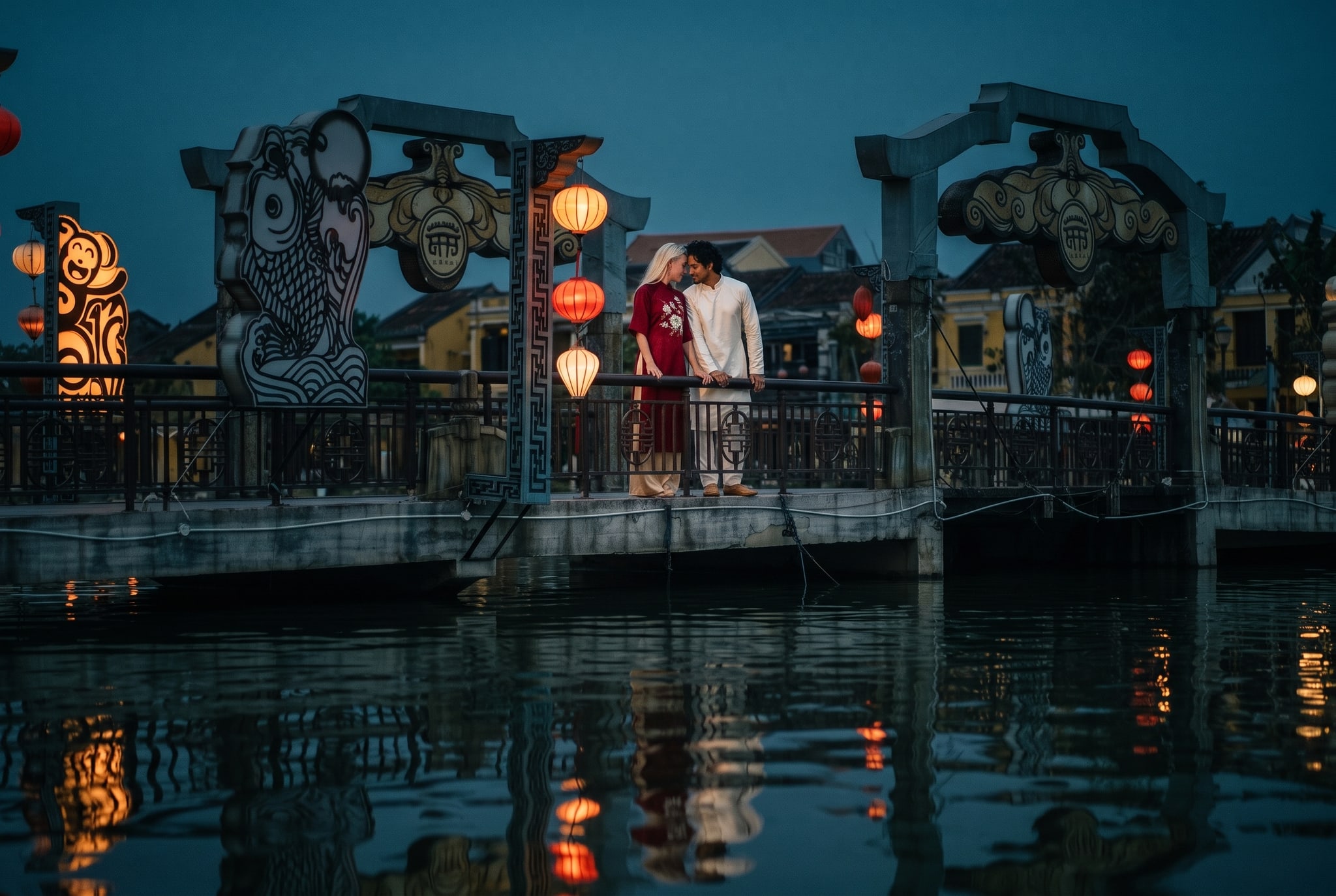
Is an ao dai required, or can I wear Western clothes?
An ao dai is not required, but it's the wisest choice. Loose, opaque long pants or a maxi skirt (knee-length minimum, ideally ankles) plus a long-sleeved shirt satisfy dress codes in most temples. However, an ao dai communicates respect instantly, photographs beautifully, and lets you avoid the guesswork of "is this revealing enough?" Many temples see foreigners daily and understand cultural differences—but locals always notice and appreciate an ao dai. If you're staying multiple days or visiting sacred sites in Hanoi, Ho Chi Minh City, Hoi An, or Da Nang, renting one removes stress and deepens your connection. Browse rental options by city to see what fits your itinerary.
👗 Rent your ao dai — WhatsApp/Zalo +84 338 762 340
What's the difference between temple-wear and festival ao dai?
Temple ao dai are typically neutral in color (white, cream, navy, black, soft pastels) and unadorned—simplicity honors the sacred space. Festival or wedding ao dai often feature embroidery, beading, bold patterns, and vibrant hues (red, gold, pink). The silhouette is identical, but fabric weight and ornamentation differ. A temple rental works for festivals, but a heavily embellished festival piece might draw attention in a solemn shrine. When booking, mention your purpose—temple visit vs. celebration—so the stylist suggests the right weight and palette. Ao Dai Diaries' team can recommend temple-appropriate pieces or curate festival rentals if your trip spans both sacred and celebratory moments.
| Occasion | Color palette | Embellishment | Fabric weight | Best for whom |
|---|---|---|---|---|
| Temple visit | White, cream, navy, black, soft pastels | Minimal or none | Medium (breathable silk or silk blend) | Spiritual visitors, cultural photographers |
| Tet or wedding | Red, gold, pink, jewel tones | Beading, embroidery, patterns | Lightweight to medium silk | Celebrants, festival-goers, family events |
| City stroll/photoshoot | Any color (personal choice) | Light or moderate | Medium silk blend | Instagram, casual tourism, day trips |
Choose temple rentals for reverent settings; save ornate pieces for festivities.
How do I rent an ao dai for a temple visit?
Booking takes minutes. Contact Ao Dai Diaries via WhatsApp or Zalo (+84 338 762 340) or visit your city's rental page (Hanoi, Ho Chi Minh City, Hoi An, Da Nang). Provide your size (XS–XXL), preferred color/style (mention "temple visit" for neutral tones), date, and whether you need same-day or advance rental. A stylist will confirm fit details and suggest temple-appropriate options. Rental includes the áo (tunic), matching pants or skirt, and guidance on tying and etiquette. Most rentals are ready within 24 hours; delivery to your hotel is standard. You'll leave a refundable deposit (varies by location) and return the garment clean within the rental window. No hidden fees—all-in pricing covers the rental and support.
📍 See rental by city
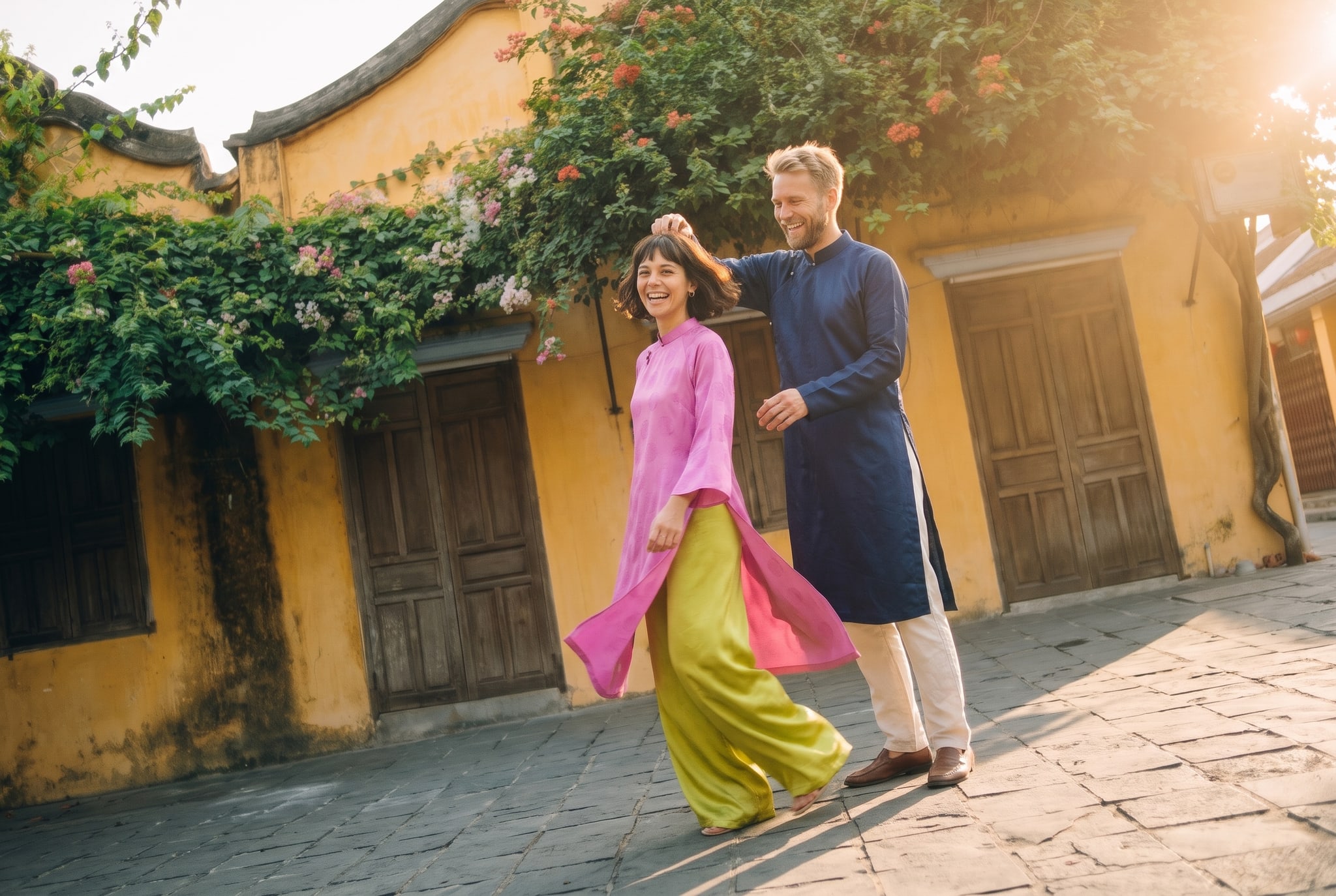
What should I absolutely avoid wearing in temples?
Never wear sleeveless tops, tank tops, or muscle tees—shoulders must be fully covered. Avoid shorts, capris, or any above-knee hemline. Transparent or sheer fabric is disrespectful; if you can see skin through the cloth, it's not temple-appropriate. Skip heavy makeup, deep lipstick, or nail art—temples aren't venues for glamour. Remove shoes before entering prayer halls; wear slip-on sandals for easy transitions. Don't carry large backpacks into shrines (many ask you to leave them at the entrance). Avoid loud colors if you're in a solemn space; whites, creams, and muted tones feel more reverent. Never point at statues or monks, touch offerings without permission, or photograph people praying. Treat the space as you would a religious service in your own country—quiet, respectful, present.
📸 Ao dai + photoshoot packages
What to check before you book an ao dai rental
Fit & sizing: Provide your US dress size or measurements (bust, waist, length from shoulder to ankle). The team will confirm XS–XXL availability and suggest alterations if needed. Ask about sleeve and áo length—customization for taller or shorter frames takes 24–48 hours.
Color & style: Confirm the exact shade (photos can misrepresent colors). For temples, choose whites or pastels; describe the occasion so the stylist avoids ornate pieces. Verify the áo includes a matching silk or cotton undershirt if you prefer extra coverage.
Delivery & timing: Confirm delivery to your hotel location (city coverage varies). Ask about same-day rental vs. advance booking and return deadlines. Clarify whether pickup is included or if you're responsible for drop-off.
Deposit & payment: Understand the refundable deposit amount and payment method (cash, bank transfer, or digital wallet). Ask what counts as wear vs. damage—small creases are normal; tears or stains forfeit the deposit.
Return condition: Clean the rental before returning (light wear is expected). Fold carefully and return in the provided garment bag if supplied. Confirm the return window—most rentals have a 24–72-hour limit after pickup.
Styling guidance: Request a brief tutorial on tying the áo properly (the diagonal wrap and front pleat are crucial). Ask for photographs or video if you're unsure. Good rental services provide a styling checklist.
Contact the team in advance if this is your first time—a few minutes of clarification prevents stress at the temple.
---
Renting vs. buying an ao dai for a temple visit
If you're visiting one temple or staying 2–3 days, rent. Rental is affordable, convenient (no packing), and includes sizing support. You'll wear a pristine garment and walk away with photos, not laundry. If you're living in Vietnam or planning multiple temple visits across months, buying offers flexibility and ownership. Buying starts as an investment (prices vary widely), requires proper care (hand-wash, storage), and demands tailoring for your exact frame. Most first-time visitors rent—it's risk-free, affordable, and lets you experience the ao dai before committing to a purchase. After your temple visit, if you fall in love with the garment, many rental partners can recommend tailors or boutiques for a custom piece.
👗 Rent your ao dai — WhatsApp/Zalo +84 338 762 340
---
Temple visits in Vietnam are profound moments—your clothing choice honors that sacredness. An ao dai rental from Ao Dai Diaries ensures you show up with respect, confidence, and authenticity. Whether you're praying at a centuries-old pagoda in Hanoi or lighting incense in a Hoi An shrine, the right garment opens doors—literally and spiritually. Book your rental today and step into Vietnam's heart with grace.
Frequently asked questions
Can I wear an ao dai if I'm not Vietnamese?
Absolutely. Wearing an ao dai as a foreign visitor is celebrated and welcomed. It shows respect, deepens your cultural experience, and locals appreciate the effort. Temples see international visitors in ao dai daily—it's a beautiful sign of genuine interest.
What if the ao dai doesn't fit perfectly on arrival?
Contact Ao Dai Diaries immediately (+84 338 762 340). Quick adjustments (hemming, taking in the waist) are often done within hours. The team measures carefully during booking, but sizing varies by body shape—communicate your concerns upfront.
Do I need to wear makeup or jewelry with an ao dai at a temple?
No. Skip heavy makeup and limit jewelry to small, understated pieces (a simple necklace or earrings). Temples prioritize modesty over glamour. Save bold styling for celebrations or photoshoots.
How long can I rent an ao dai for a temple visit?
Most rentals are available for 24–72 hours from pickup. You can wear it to the temple, explore the city, and return it the same day or next morning. Longer rentals (4+ days) are often possible—ask the team about extended rates.
What if the ao dai gets slightly stained or wrinkled during my temple visit?
Light wear and minor wrinkles are expected and won't affect your deposit. Small stains from respectful use (incense, dust, sweat) are typical. Return the garment as clean as reasonably possible. Major damage or stains may forfeit part of the deposit—clarify the damage policy when booking.
Dozens of colours, all sizes XS–XXL, delivered to your hotel in Hanoi, Saigon, Hoi An or Da Nang. One WhatsApp or Zalo message.
More guides
You might also like
The ao dai is Vietnam's iconic silk dress, worn for celebrations and formal occasions. Ao Dai Diarie
May is Vietnam's hottest month before monsoon season. We'll help you choose the right outfit—whether
December weather in Vietnam is cool and dry—ideal for wearing the ao dai. Here's what suits the seas