guide/ao-dai
What to Wear in the Evening in Vietnam: Style Guide + Rental Options
Ao Dai Diaries team · All guides →
Evening wear in Vietnam ranges from the elegant ao dai (a floor-length silk tunic worn over straight trousers) to lightweight linen dresses and tailored shirts that respect the country's tropical climate and cultural values. For tourists and locals alike, the ao dai is the safest, most respected choice for formal events; Ao Dai Diaries rents traditional designs in sizes XS–XXL available same-day in Hanoi, Saigon, Hoi An, and Da Nang. Rentals include fitting, alterations, and delivery to your hotel; costs vary by design complexity and city. Modern alternatives—breathable midi dresses, embroidered tunics, linen trousers—work well for casual dinners or nightlife, but avoid shorts, sleeveless tops, or transparent fabrics at temples, pagodas, or family-oriented venues. Book ahead for popular dates (Tet, Lunar New Year, festivals) to secure your size and preferred color.
Evening wear in Vietnam requires understanding both climate and cultural respect. Vietnam's tropical nights are warm and humid; formal venues range from intimate family gatherings to upscale restaurants and temples. This guide walks you through what actually works, what to avoid, and how to rent or buy with confidence.
Why is the ao dai the safest evening choice in Vietnam?
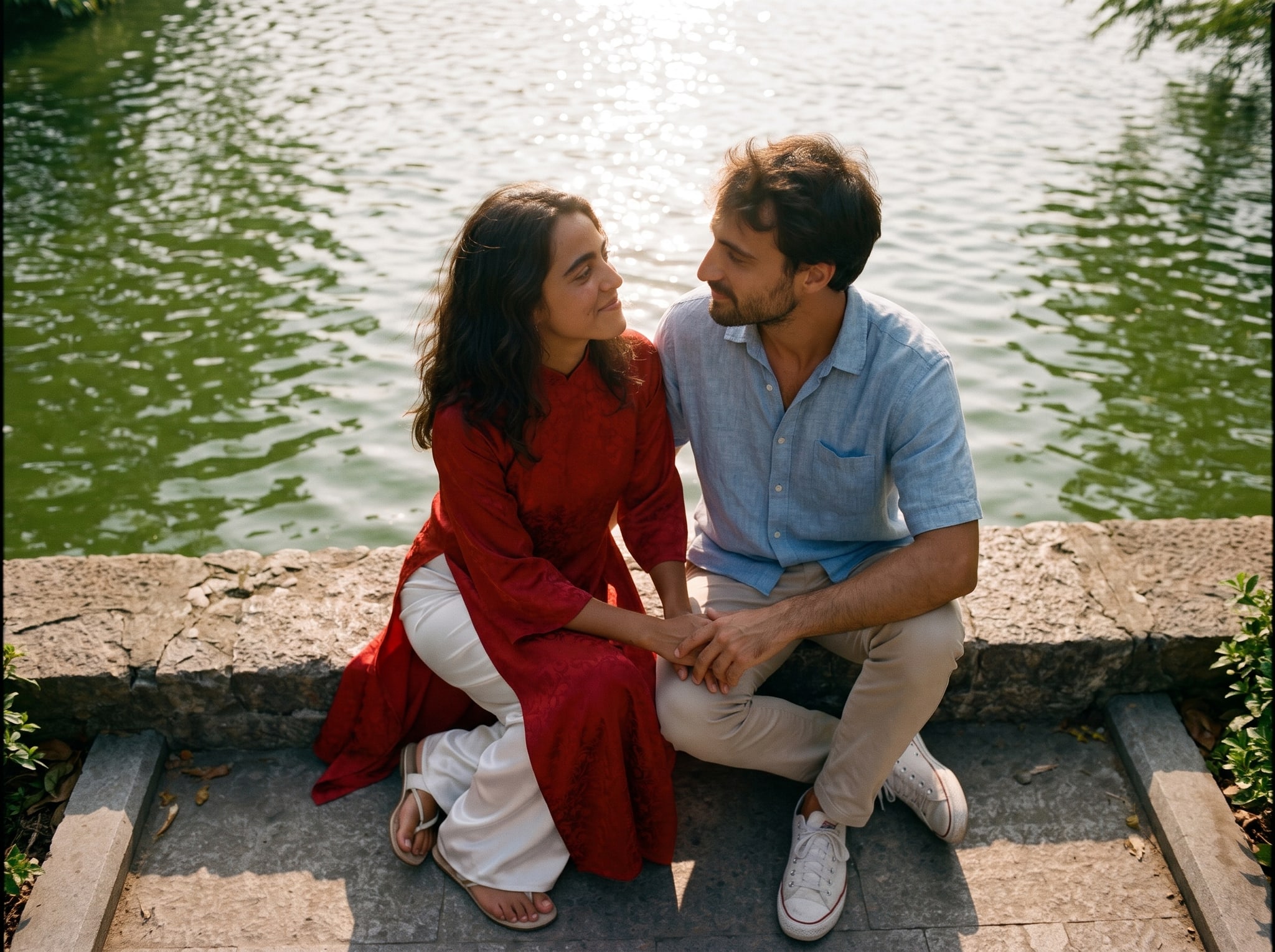
The ao dai signals respect, elegance, and cultural awareness in a single garment. Worn by locals at weddings, Tet celebrations, graduations, and formal dinners, it is never wrong—even if you're a foreigner. The design (a long, fitted silk tunic over loose trousers) accommodates Vietnam's heat while covering shoulders, chest, and legs, which matters at temple visits and conservative family events. No other single item of clothing carries this weight of appropriateness across all evening contexts. Renting from Ao Dai Diaries in your city ensures proper fit, authentic fabric, and styling guidance that buying online cannot replicate.
What's the difference between renting and buying an ao dai for one evening?
Rental advantages: immediate availability (same-day in major cities), professional fitting by an expert stylist, alterations included, no storage or cleaning burden, costs lower for single-use (budget see packages & prices equivalent for one night). Buying advantages: ownership, unlimited rewear, higher upfront cost (new ao dai start at see packages & prices+ USD), requires proper storage and dry-cleaning between wears, fitting takes 2–4 weeks. If you're visiting Vietnam once, renting via Ao Dai Diaries eliminates regret; if you plan to wear it annually or live in Vietnam, buying makes financial sense. Deposit (typically refundable) covers damage; return within 24 hours. Most renters choose rental for events because the quality ao dai fabrics (silk, cotton brocade, linen blends) require expert care.
Comparison: Rental vs. Purchase for One Evening Event
| Factor | Rental | Purchase |
|---|---|---|
| Cost (single wear) | see packages & prices | see packages & prices+ USD (divided by reuses) |
| Time to acquire | Same-day (Hanoi, Saigon, Hoi An, Da Nang) | 2–4 weeks tailoring |
| Fitting service | Included; stylist adjusts | Your responsibility; may need tailor |
| Cleaning after | Shop handles | Your cost (see packages & prices) |
| Storage concern | None | Required; humidity/moths risk |
| Best for | One-off events, travelers | Locals, repeat wearers, photo collections |
How do you actually rent an ao dai—step by step?
Step 1: Choose your city and book. Contact Ao Dai Diaries via WhatsApp/Zalo +84 338 762 340 or visit your city's rental page (Hanoi, Saigon/Ho Chi Minh City, Hoi An, Da Nang). Provide event date, dress code (traditional, modern, embroidered), color preference, and your sizes (bust, waist, inseam, height). Same-day booking is possible until noon for evening events.
Step 2: Fitting appointment. Arrive 30–45 minutes before your event for fitting and alterations. The stylist drapes, pins, and marks hems; most adjustments finish within 1–2 hours. You'll also receive styling advice: jewelry, shoes, how to walk and sit gracefully, what not to do (no bending at the waist, keep the neckline modest).
Step 3: Take and return. Wear your ao dai; a deposit (refundable cash or card hold) secures it. Return within 24 hours to the shop or arrange hotel pickup/delivery. No laundry required; light wear doesn't stain silk ao dai.
Why this beats online rental: local fitting prevents returns; you see fabric quality in person; stylists know what flatters your frame.
👗 Rent your ao dai — WhatsApp/Zalo +84 338 762 340
What modern evening wear works if you don't want the ao dai?
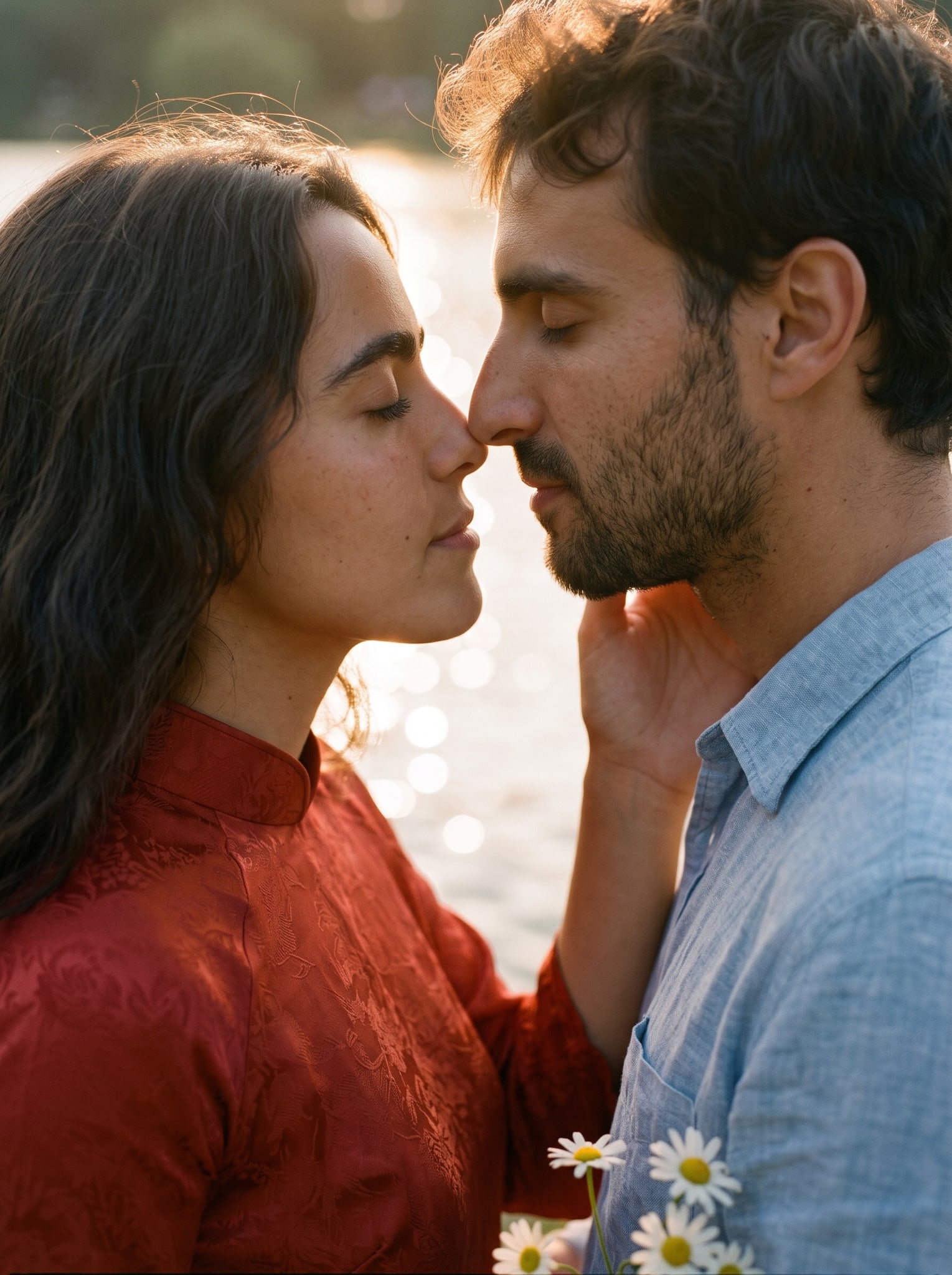
Modern Vietnamese evening fashion leans on lightweight, high-coverage pieces: a flowing midi dress in cotton or linen (knee-length minimum for temples or family dinners), a tailored linen shirt with dressy trousers, an embroidered tunic over slim pants, or a wrap dress in breathable fabric. Colors matter: jewel tones (emerald, sapphire, burgundy) and neutrals (cream, slate, charcoal) read formal; neon or overly casual prints do not. Avoid sleeveless tops, short skirts (above knee), low necklines, and transparent fabrics at any venue with older relatives or spiritual significance. Many upscale hotels and restaurants in Hanoi, Saigon, and Da Nang accept modern dress codes, but cultural venues and family-centric events still expect ao dai or formal traditional wear. If you rent or buy modern pieces, pair them with modest jewelry and covered shoes (closed toe, no flip-flops). Breathability is non-negotiable: heavy fabrics cause discomfort and visible sweat in 35°C (95°F) evenings.
Which evening events require an ao dai, and which allow alternatives?
Must wear ao dai:
- Tet (Lunar New Year) family gatherings, temple visits
- Weddings (guest, bridesmaid, relative roles)
- Formal graduation ceremonies
- Temple or pagoda festivals
- Government or cultural formal events
Ao dai preferred (but modern dress acceptable):
- Upscale restaurant dinners in major cities
- Hotel evening events, charity galas
- Photo tours or heritage site visits (Hoi An Ancient Town, Ho Tay, Mekong Delta cruises)
Modern dress acceptable:
- Casual date nights, nightlife (rooftop bars, clubs)
- Informal dinners with friends
- Street food markets, walking tours
- Hotel lobbies, shopping malls
Never wear:
- Swimwear, athletic wear, or beachwear outside the beach
- Transparent or mesh-only tops
- Shorts, mini skirts, or thigh-baring cuts
- Disrespectful graphics or slogans
- Heavy perfume or loud patterns at temples
📸 Ao dai + photoshoot packages — book a stylist + photographer to document your evening in traditional dress.
What should you check before renting or buying?
Before renting, verify:
- Fabric content: Silk (premium, delicate), cotton brocade (durable, less sheen), linen blend (most breathable, least formal-looking). Ask Ao Dai Diaries staff; each has different cost and upkeep.
- Color accuracy: Photos online often oversaturate. See swatches in person or request close-up images via WhatsApp before booking.
- Fit tolerance: Rental shops in Vietnam typically allow ±2 cm (1 inch) alterations free; larger changes may incur a small fee.
- Return deadline: Confirm 24-hour return window; late returns (24–48 hours) often incur see packages & prices surcharge.
- Deposit type: Cash, card, or passport copy? Clarify before you hand anything over.
- Cleaning policy: Check whether light wear (no visible stains, no perfume transfer) returns free, or if the shop charges a see packages & prices cleaning fee.
Before buying online or locally:
- Tailoring time: New ao dai require 2–4 weeks. Order by this timeline or risk expedite fees (see packages & prices).
- Fabric shrinkage: Hand-wash in cool water to prevent silk or cotton from shrinking. Dry-clean only after 5+ wears.
- Your true inseam: Ask a local tailor to measure from your hip to ankle in the specific posture you'll wear (sitting, standing). Ao dai hems should just touch the floor or top of your shoe.
- Care cost: Budget see packages & prices per dry-clean after each wear. Rental shops handle this; buyers don't.
📍 See rental by city — find your nearest Ao Dai Diaries location and book same-day.
---

Frequently asked questions
Is it disrespectful for a foreigner to wear an ao dai to a temple or formal event?
No—it's respectful. Temples, weddings, and formal events welcome visitors and guests in ao dai. What matters is wearing it correctly (full coverage, not overly tight, neckline modest, trousers long) and treating it as formal wear, not a costume. Ask your rental stylist or the event host for guidance if unsure.
Can I wear an ao dai with sneakers or casual shoes?
Not for formal events. Pair your ao dai with flat sandals, ballet flats, embroidered slippers, or dressy heels. Sneakers read casual and undermine the elegance of the garment. Rental stylists at Ao Dai Diaries can suggest shoe pairings that match your chosen design.
How hot is an ao dai to wear in Vietnam's evening heat?
Silk and cotton-linen blends breathe well; you'll be comfortable if the fit isn't skin-tight. Linen ao dai (less formal-looking but very cool) suit casual events. Avoid heavy brocade or stiff fabrics if temperature is your main concern. Ask your stylist for breathable options when booking.
What if my ao dai arrives with a stain or doesn't fit after tailoring?
Rental shops guarantee same-day exchanges or refunds if a fault is theirs. If you buy online, check the seller's return policy (usually 14–30 days). Always inspect the garment under natural light upon arrival. Ao Dai Diaries handles faults immediately; contact your stylist via WhatsApp +84 338 762 340.
Can I wear an ao dai to a casual dinner or night market?
Yes, but it may be overdressed. An ao dai works beautifully for any evening—casual or formal—because it's formal by design. You'll stand out as elegant. Wear it confidently. Modern alternatives (linen dress, embroidered tunic) are also fine for casual dining.
Do I need to wear a scarf or shawl over my ao dai?
Not required. Temples and family gatherings don't mandate it. Wear a lightweight silk scarf or shawl if the venue is air-conditioned and you feel cold, or if you want a layered look. Your stylist can suggest options that match your ao dai color.
Dozens of colours, all sizes XS–XXL, delivered to your hotel in Hanoi, Saigon, Hoi An or Da Nang. One WhatsApp or Zalo message.
More guides
You might also like
The ao dai is Vietnam's iconic silk dress, worn for celebrations and formal occasions. Ao Dai Diarie
May is Vietnam's hottest month before monsoon season. We'll help you choose the right outfit—whether
December weather in Vietnam is cool and dry—ideal for wearing the ao dai. Here's what suits the seas