guide/ao-dai
What to Wear in Vietnam and Cambodia: Local Dress Guide & Rental Optio
Ao Dai Diaries team · All guides →
Vietnam and Cambodia are tropical, humid countries where lightweight, breathable fabrics and modest layers are essentials year-round. Pack quick-dry clothing, sunscreen, and closed-toe shoes for temples. For special occasions—weddings, Tet, photoshoots—rent an ao dai (Vietnam's silk tunic dress) or sampot (Cambodian skirt) instead of buying. Ao Dai Diaries offers same-day rentals in Hanoi, Ho Chi Minh City, Hoi An, and Da Nang with fitting, delivery to hotels, and sizes XS–XXL. Rental costs far less than purchase and suits one-off events perfectly. Daily wear: breathable shirts, lightweight pants, hats, and respectful coverage at religious sites. Avoid sleeveless tops and short shorts in temples. Plan layering for aggressive air conditioning indoors.
Why do you need different clothes for Vietnam versus Cambodia?
Both countries sit in Southeast Asia's tropical zone, but Vietnam spans north to south (Hanoi averages 25°C year-round; Saigon averages 27°C). Cambodia is flatter and hotter, especially March–May. Neither has deep winters; humidity is constant. The key difference is cultural density: Vietnam has dense temple tourism and stricter dress codes at pagodas; Cambodia's Angkor temples enforce modest coverings. Both require sun protection, quick-dry fabrics, and neutral, respectful layers. You'll pack similarly for both, but Cambodia needs slightly heavier sunscreen and more water bottles. The verdict: one suitcase works for both if you prioritize breathable, neutral pieces and leave room for a rented ao dai or sampot for cultural events.
What should you pack for daily wear in tropical humidity?
Pack lightweight, breathable cotton or bamboo blends—linen wrinkles heavily and silk stains easily. Bring 5–7 short-sleeve shirts (one per day plus laundry buffer), two lightweight pants or chinos, shorts for casual zones, and one lightweight scarf or pashmina for sun and air-conditioning shock. Avoid pure polyester; it traps heat. Quick-dry fabrics (merino wool or technical blends) are ideal but not essential. Socks are optional indoors but wear closed-toe shoes (sneakers, loafers) to temples—sandals aren't respectful. Pack one light layer (cardigan, shirt) for restaurants and buses with intense AC. Shoes: one sturdy walking pair, one slip-on for temples, one casual sandal for beach/pool. Leave one-third of luggage space empty for souvenirs, laundry rotation, and a rented ao dai or sampot if you've booked ahead.
When should you rent an ao dai instead of wearing everyday clothes?
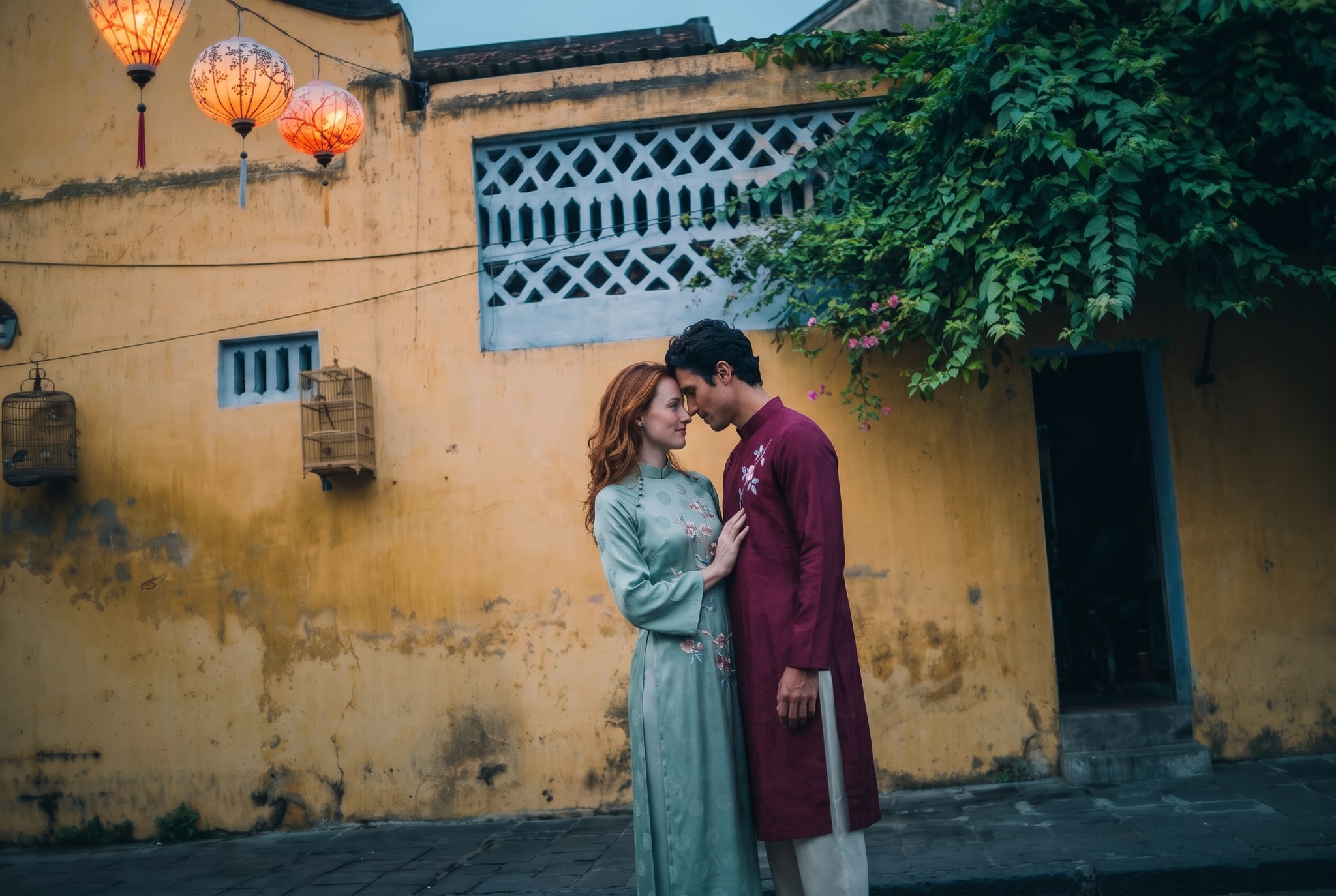
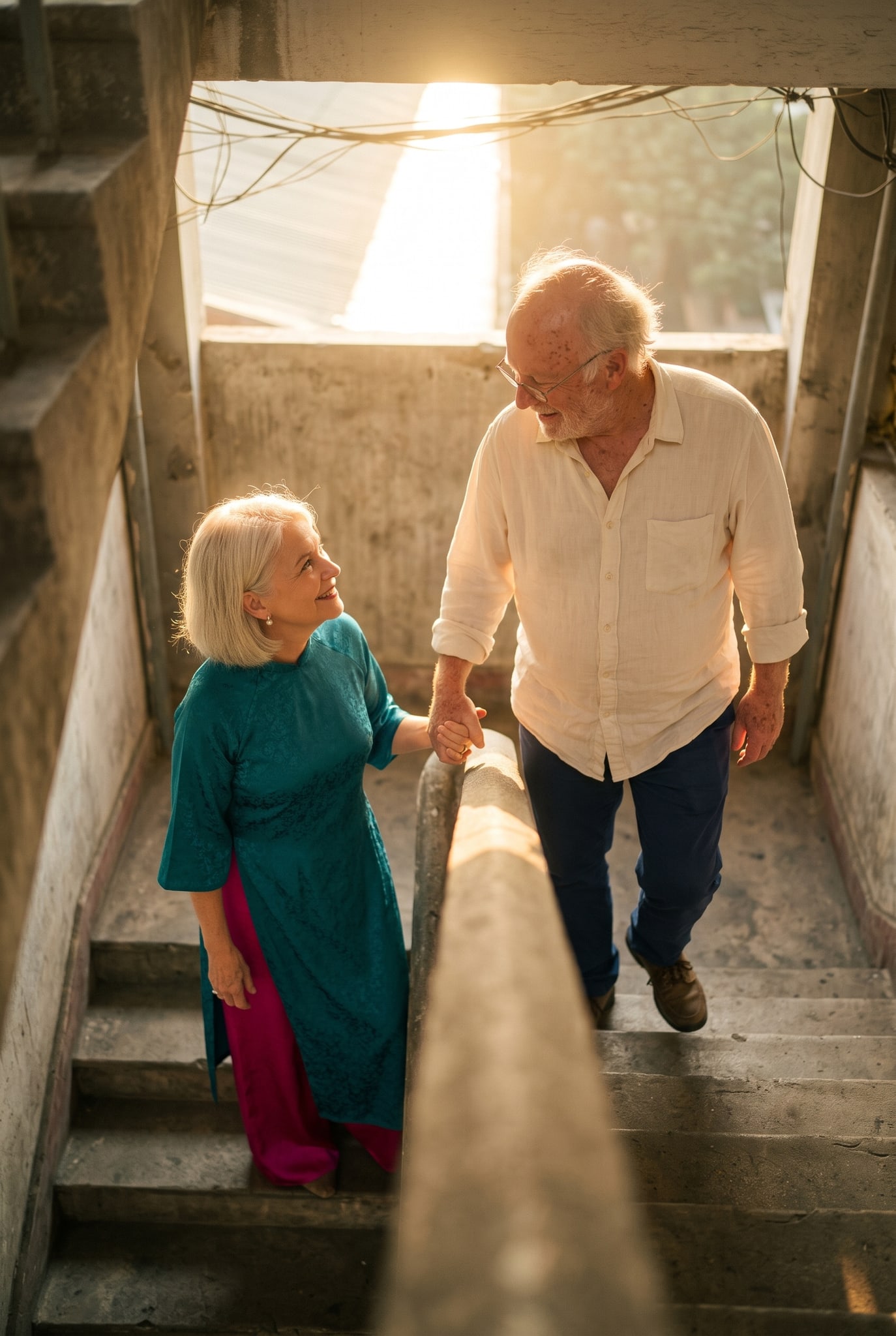
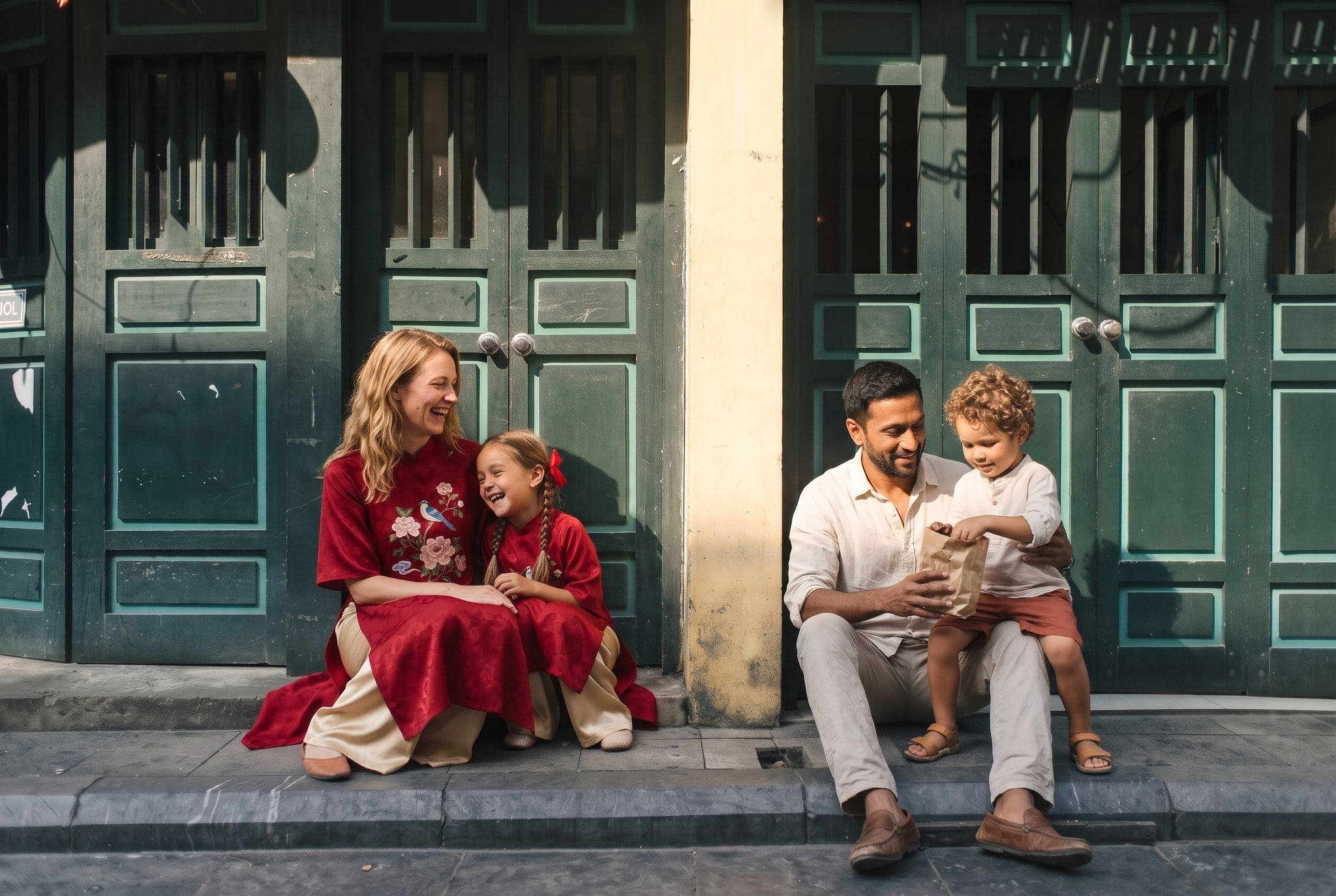
Rent an ao dai for weddings, Tet (lunar new year), graduation photos, anniversary photoshoots, or formal dinners—anywhere you'd wear a dress or suit at home. An ao dai costs less to rent than to buy and requires no luggage space. Ao Dai Diaries offers same-day rentals in Hanoi, Ho Chi Minh City, Hoi An, and Da Nang with fittings, silk options, and embroidered designs. Rental works: book by WhatsApp, arrive for a 20-minute fitting, wear for your event, return by next day or extend. Sizes XS–XXL ensure fit for most frames. Never wear an everyday ao dai rental as a costume or disrespectfully—it's a respected garment, not a novelty. If your trip includes a special event, budget one rental per occasion and book 48 hours ahead for best selection.
👗 Rent your ao dai — WhatsApp/Zalo +84 338 762 340
What are the temple and temple-visit dress code rules in Vietnam and Cambodia?
Vietnam's Confucian heritage and Cambodia's Buddhist temples both require covered shoulders, knees, and chest. Wear long pants or long skirts (knee-length minimum), closed-toe shoes, and a shirt or scarf covering shoulders. Sleeveless is disrespectful; avoid tight or sheer fabrics. Remove shoes before entering inner sanctums; keep socks or clean feet. Hats and sunglasses come off indoors. Women should avoid heavy makeup and loud jewelry. Men should wear long pants, not shorts, even in heat. Carrying a small scarf helps: drape over shoulders if your shirt slips. Local guides appreciate modest travelers and often mention dress as their first observation. Pack a lightweight sarong or large scarf as your universal temple cover—quick-drying, fits any body, and rolls into luggage.
How do you stay cool and sun-protected without overheating?
Wear lightweight, loose-fitting clothes in neutral colors (white, beige, khaki reflect heat better than black). Breathable fabrics: 100% cotton, linen blends, or technical moisture-wicking synthetics. Choose loose sleeves over sleeveless—they cover arms and allow airflow. Wear a wide-brimmed hat (not a baseball cap; it leaves ears exposed). Apply SPF 50+ sunscreen every 2 hours, especially on face, ears, and hands. Sunglasses with UV protection are essential; squinting causes headaches. Carry a small towel and refill a water bottle at every opportunity—dehydration is real and fast in 30°C+ heat. Linen or cotton scarves double as sun shields and temple covers. Avoid peak sun hours (11 a.m.–3 p.m.) for walking tours. Dress in layers: tank or t-shirt, lightweight button-up shirt, and a scarf—peel off or wrap depending on sun, indoors AC, and temple rules.
| Occasion | What to Wear | Rent or Buy? | Why This Works |
|---|---|---|---|
| Daily sightseeing | Breathable shirt, lightweight pants, hat, closed-toe shoes | Buy basics | Reusable for home; sun/temple ready |
| Temple visit | Long pants/skirt, shoulder-covering shirt, scarf, closed shoes | Bring layers | Respectful; cooling sarong works anywhere |
| Wedding/Tet photo | Ao dai or sampot | Rent via Ao Dai Diaries | One-off event; tailored fit; no luggage weight |
| Beach/casual | Quick-dry shorts, UV-blocking shirt, sandals | Buy one outfit | Doubles as gym wear afterward |
| Formal dinner | Ao dai, jewelry, closed heels (if rented) or dress pants | Rent ao dai | Authentic, photo-worthy, full-day comfort |
| Rainy season | Waterproof jacket, quick-dry pants, closed shoes | Buy jacket | Monsoon protection; reusable |
What should you check before booking an ao dai rental?
Book 48 hours ahead; same-day rentals have limited stock. Provide your height, weight, dress size (XS–XXL), and color preference when WhatsApping. Ao Dai Diaries fits you in 20 minutes—arrive 15 minutes early and wear undergarments matching your dress color. Ask about embroidery style, silk weight, and whether the áo (tunic) and quần (pants) are pre-paired or custom-combined. Confirm deposit amount, return time, and late fees. Inspect seams, buttons, and embroidery before leaving the shop; take a photo of the receipt. If renting for a photoshoot, book a package with photographer recommendations—many studios partner with Ao Dai Diaries for delivery and styling. Return the ao dai clean and dry; minor stains are normal, but major spills may incur a fee. Ask about extension: most rentals allow a 24-hour add-on at discounted rate if your event runs late.
How do you pack for Cambodia's specific climate and customs?
Cambodia's landscape is flatter and hotter than Vietnam; March–May exceed 35°C. Bring extra sunscreen (at least SPF 50+, reapply every hour in open markets), a wide-brimmed hat, lightweight quick-dry pants (not shorts, due to temple culture), and closed-toe shoes. Long-sleeve UV shirts are ideal for Angkor Temple tours. Angkor's dress code is stricter than many Vietnamese pagodas: knees and shoulders must be fully covered. Pack lightweight scarves (2–3) for layering and temple coverage. Cambodian temples often lack air conditioning; bring a handheld fan or use the scarf as a hand fan. Mosquitoes are active dusk–dawn; wear long sleeves in evenings or apply repellent. Don't wear sheer fabrics; locals notice. Cambodia's humidity rivals Vietnam's but sunlight is more intense; prioritize sun protection and modest, light layers over style.
---
📸 Ao dai + photoshoot packages for weddings, anniversaries, and Tet photos.
---
What to check before you book or buy
- Climate timing: Check average temps and rainfall (November–February is coolest; May–September is wettest).
- Temple visits: Confirm dress codes at specific temples; ask your hotel or guide before your visit.
- Ao dai rental fit: Bring or wear form-fitting undergarments; oversized shirts hide the ao dai's silhouette.
- Luggage weight: Rent instead of buying ao dai to save 2–3 kg and avoid customs issues.
- Laundry: Hotels offer 24-hour laundry; pack fewer clothes and reuse/wash mid-trip.
- Sun protection: Invest in good sunscreen at home; Asian pharmacies stock it but often higher-priced brands.
- Footwear: Break in walking shoes before your trip; tropical blisters are painful and slow.
- Scarves: Carry at least one lightweight scarf—temple cover, sun shield, wind protection, emergency towel.
---
📍 See rental by city — Book in Hanoi, Ho Chi Minh City, Hoi An, or Da Nang.
Frequently asked questions
Do I need to wear an ao dai if I visit Vietnam?
No. Ao dai is formal wear for events and photography. Daily wear is normal Western clothes; just keep shoulders, knees, and chest covered at temples.
Can I rent an ao dai in Cambodia?
Ao Dai Diaries operates in Vietnam (Hanoi, Ho Chi Minh City, Hoi An, Da Nang). For Cambodia, look for local sampot or traditional dress rental shops in Phnom Penh or Siem Reap; the principle is the same—book ahead, arrive for fitting, return next day.
What's the humidity like in Vietnam and Cambodia, and how does it affect packing?
Both average 70–85% humidity year-round, with peaks of 90%+ in rainy season. Fabric choice matters more than volume: prioritize cotton, linen, and quick-dry synthetics; pack fewer clothes and reuse via laundry.
Are there dress codes for restaurants or nightlife in Ho Chi Minh City and Hanoi?
Casual restaurants have no codes. Upscale restaurants and clubs prefer neat, modest dress (no torn clothes, athletic wear, or flip-flops). Men may need collared shirts; women should avoid very short skirts indoors.
How much luggage space should I leave for an ao dai if I buy instead of rent?
An ao dai (áo + quần + áo in a garment bag) weighs ~500g and takes ~2 liters of space folded. Renting saves this and avoids wrinkles; see rental options by city.
Frequently asked questions
Do I need to wear an ao dai if I visit Vietnam?
No. Ao dai is formal wear for events and photography. Daily wear is normal Western clothes; just keep shoulders, knees, and chest covered at temples.
Can I rent an ao dai in Cambodia?
Ao Dai Diaries operates in Vietnam (Hanoi, Ho Chi Minh City, Hoi An, Da Nang). For Cambodia, look for local sampot or traditional dress rental shops in Phnom Penh or Siem Reap; the principle is the same—book ahead, arrive for fitting, return next day.
What's the humidity like in Vietnam and Cambodia, and how does it affect packing?
Both average 70–85% humidity year-round, with peaks of 90%+ in rainy season. Fabric choice matters more than volume: prioritize cotton, linen, and quick-dry synthetics; pack fewer clothes and reuse via laundry.
Are there dress codes for restaurants or nightlife in Ho Chi Minh City and Hanoi?
Casual restaurants have no codes. Upscale restaurants and clubs prefer neat, modest dress (no torn clothes, athletic wear, or flip-flops). Men may need collared shirts; women should avoid very short skirts indoors.
How much luggage space should I leave for an ao dai if I buy instead of rent?
An ao dai (áo + quần + áo in a garment bag) weighs ~500g and takes ~2 liters of space folded. Renting saves this and avoids wrinkles; [see rental options by city](/rent).
Dozens of colours, all sizes XS–XXL, delivered to your hotel in Hanoi, Saigon, Hoi An or Da Nang. One WhatsApp or Zalo message.
More guides
You might also like
The ao dai is Vietnam's iconic silk dress, worn for celebrations and formal occasions. Ao Dai Diarie
May is Vietnam's hottest month before monsoon season. We'll help you choose the right outfit—whether
December weather in Vietnam is cool and dry—ideal for wearing the ao dai. Here's what suits the seas