guide/ao-dai
What to Wear in Vietnam: Ao Dai Rental + Summer Style Guide
Ao Dai Diaries team · All guides →
What you wear in Vietnam depends on season, activity, and respect for tradition. Summer (May–September) requires breathable fabrics: linen, cotton, lightweight silk. For cultural immersion and photos, rent an ao dai through Ao Dai Diaries—available same-day in Hanoi, Ho Chi Minh City, Hoi An, and Da Nang. An ao dai protects you from sun, fits all sizes (XS–XXL), and costs from see packages & prices per rental with deposit. Avoid sleeveless tank tops in temples; closed-toe shoes are safer on scooters. Pack a light scarf for air-conditioned spaces. If you're attending a wedding or Tet celebration, an ao dai is not optional—it's respectful. Book rental + photoshoot packages ahead for peak seasons. ---
Can You Actually Rent an Ao Dai as a Tourist—and Is It Worth It?
Yes. Ao dai rental is designed for travelers and locals alike. You walk into a rental shop, get fitted (10–15 minutes), choose silk color and fit, leave a deposit, and wear it for hours or overnight. Most shops operate 8 AM–6 PM daily. Learn how rentals work here. The ao dai breathes in Vietnam's heat better than jeans or dresses with sleeves. You get stunning photos, cultural respect, and authentic memory. A one-day rental costs roughly see packages & prices before deposit. Worth it? If you'll spend 4+ hours in it (photoshoot, temple visit, dinner), absolutely. If you want 30 minutes for a selfie, buy a cheap áo dài online instead—but rental fits better and feels premium.
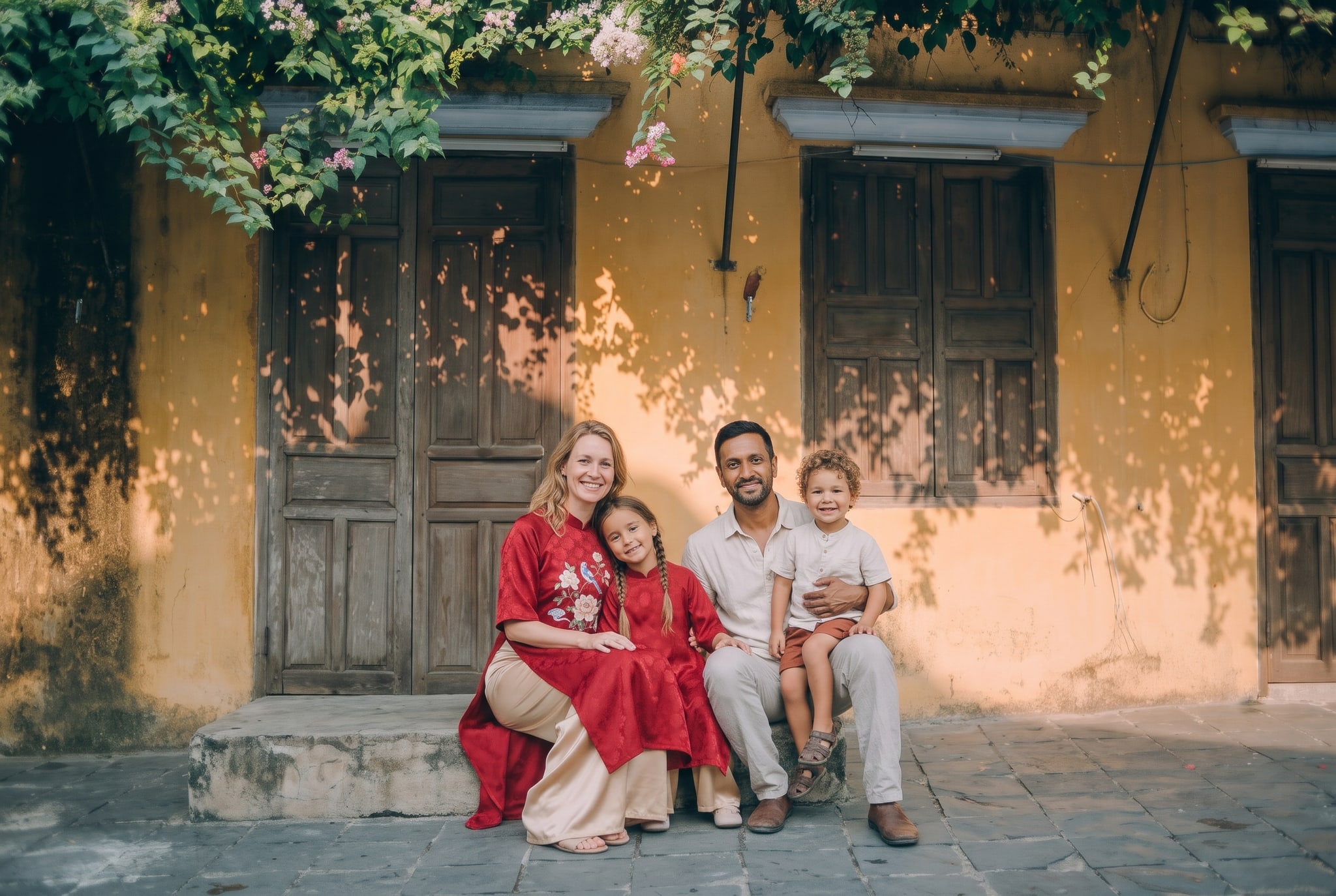
What's the Difference Between Summer & Winter Wear in Vietnam?
Summer (May–Sept): Heat 28–35°C, high humidity. Wear: cotton áo dài, lightweight linen pants, open-toe sandals, wide-brim hats, UV sunscreen. Ao dai rentals use thin silk or cotton blends—perfect. Skip dark colors; cream, white, pastels stay cooler.
Winter (Nov–Feb): 15–20°C in the north; 20–25°C in the south. Layers matter. Wear: long-sleeve ao dai, thin cardigans, closed shoes, socks. Bring a scarf. Southern Vietnam rarely needs a jacket; northern (Hanoi, Sapa) does. Ao dai rental shops stock heavier silks for winter—ask when you book.
Humidity is the real enemy. Cotton breathes; polyester clings. An ao dai's loose fit and split-skirt design beat Western dresses every time.
Where Should You Rent by City—and What's Available?
| City | Best for | Shop Type | Rental Duration | Fitting |
|---|---|---|---|---|
| Hanoi | Historic temples, Tet, Old Quarter walks | Traditional silk specialists | 4 hrs–overnight | 15–20 min |
| Ho Chi Minh City | Modern vibes, photoshoots, weddings | High-volume rental chains | Same-day, fast turnover | 10–15 min |
| Hoi An | Ancient town immersion, lantern photos | Tailor-integrated, premium silks | 2–24 hrs | 20–30 min |
| Da Nang | Beach + cultural mix, casual wear | Beachfront casual rentals | 4–8 hrs | 10 min |
Rent in Hanoi if you want traditional craftsmanship and temple respect. Rent in Ho Chi Minh City for speed and modern styles. Rent in Hoi An if you prioritize heritage textiles and a slower, immersive experience. Rent in Da Nang if you're mixing beach and culture. Each city's rental shops know local customs—ask staff which color and style suit your occasion.
How Do You Actually Fit an Ao Dai—and What Sizes Are Available?
Step 1: Arrive 20–30 minutes before your event. Bring measurements (chest, waist, inseam) or stand for a fitting. Staff will drape the top áo (tunic) over your shoulders—it should fall straight without bunching. The bottom quần (pants) should kiss your ankle.
Step 2: Choose silk weight and color. Summer = thin, breathable silk. Winter or formal = heavier brocade. Pastels, jewel tones, white, and cream are standard.
Step 3: Sizes run XS–XXL. Most shops stock XS–L for women; XL–XXL available with 1–2 days' notice. Men's sizes (S–XXL) are less common—book ahead. Alterations (hem, sleeve, bust) take 1–3 days depending on shop volume.
Step 4: Try it on seated and standing. Can you breathe? Walk up stairs? The split skirt should open naturally when you stride. If it binds, it's wrong.
Common fit mistakes: Wearing a bra with underwire (leave it off; ao dai tops are open). Choosing a size up "to be safe" (ao dai drape is intentional; oversized looks sloppy). Not trying on—avoid surprises at your event. Most shops offer same-day rental with a 1–2 hour turnaround; plan accordingly.
👗 Rent your ao dai — WhatsApp/Zalo +84 338 762 340

What Should You Avoid Wearing in Vietnam—Cultural & Practical Rules?
Temple & Sacred Spaces: No sleeveless tops, no shorts above the knee, no hats indoors. Closed-toe shoes preferred. An ao dai covers everything—wear it to temples, pagodas, and family events. It's a sign of respect, not a costume.
Daily Wear: Avoid all-white clothing on certain days (worn for funerals in traditional contexts). Dark colors hide dirt on dusty roads and scooters. Flip-flops are fine for urban areas; closed shoes on highways and countryside. Never disrespect the ao dai by wearing it as swimwear or to a nightclub.
Practical: Avoid heavy fabrics in May–September (you'll overheat). Don't rent an ao dai without trying it on first—fabric weight and fit differ by shop. Synthetic silks feel sticky; ask for "real silk" or "cotton blend" if you're sensitive. If you're menstruating, traditional etiquette suggests removing the ao dai indoors (not mandatory for tourists, but awareness helps). Leave a deposit equal to 50% of rental cost; most shops accept cash or Momo e-wallet.
📸 Ao dai + photoshoot packages
What's Your "What to Pack" Checklist for a Vietnam Trip?
Non-Negotiable:
- Lightweight, quick-dry cotton T-shirts (5–7).
- One pair of lightweight linen or cotton pants.
- Swimwear (one piece or modest two-piece).
- Closed-toe walking shoes.
- Hat or cap (sun protection).
- Sunscreen SPF 50+.
- Light cardigan or thin scarf (for AC indoors).
Rental Option (Instead of Buying):
- Ao dai for cultural events, temples, photoshoots (rent instead of packing).
- Formal áo dài for weddings (rent; high-quality silks are heavy and expensive).
Footwear Strategy:
- 1 pair walking shoes (broken in).
- 1 pair sandals (Birkenstocks, Tevas, local flip-flops see packages & prices).
- 1 pair formal shoes if attending a wedding (or rent with your ao dai).
Extras:
- Lightweight rain jacket (monsoon May–Sept in the north; brief afternoon showers typical).
- Small crossbody bag (pickpocket prevention on crowded buses).
- Phone power bank (long sightseeing days drain batteries fast).
- Medications: anti-diarrhea, electrolyte packets, allergy relief (brand-name drugs cost 2–3× more than US prices).
Pro move: Ship a 10 kg box of ao dai home after your trip instead of packing five new ones. Or rent on the day you need it—no luggage weight, no wrinkles.
📍 See rental by city
What to Check Before You Book a Rental
- Fitting Appointment: Does the shop require advance booking or allow walk-ins? Peak seasons (Tet, summer holidays) fill up; book 3–5 days ahead.
- Deposit & Payment: Is it cash-only or do they accept Momo/bank transfer? What's the cancellation policy? Most require 50% non-refundable deposit.
- Rental Duration: Do they charge hourly (4–6 hrs), daily (24 hrs), or overnight? Overnight typically costs 1.5× daily rate.
- Size Availability: If you're size XL+, call ahead. Many tourist-heavy shops stock S–L for volume; larger sizes need 2–3 days' notice.
- Fabric & Finish: Ask if silk is real or synthetic. Real silk wrinkles less and feels cooler; synthetic is cheaper but clingy in humidity.
- Alterations: If your inseam is unusual (very short or very tall), confirm hemming is included or ask the surcharge.
- Photoshoot Add-ons: Do they offer ao dai + photographer packages, or should you hire a separate photographer?
- Return Condition: Must it be pressed/cleaned? Most shops expect it unwashed; they handle pressing. Check their policy on minor stains.
- Hotel Delivery: Some shops deliver to your hotel for an extra fee (see packages & prices). Ask if that's available if you don't want to visit their storefront.
- Staff Language: Do they speak English? Use WhatsApp +84 338 762 340 to ask about language support before arriving.
---
Frequently asked questions
Is it disrespectful for a foreigner to wear an ao dai?
No—it's respectful. Vietnamese people welcome visitors who wear ao dai thoughtfully (to temples, events, photoshoots). Avoid wearing it to nightclubs or treating it as a costume. Ask permission before photographing others in ao dai. Rent from a local shop; they'll guide you on proper occasion and fit.
What's the difference between renting and buying an ao dai?
Rental: see packages & prices–25 USD, perfect fit, ready same-day, no shipping. Buying: see packages & prices–300+ USD online or in shops, returns are slow, sizing is uncertain. Rent if you're visiting 1–2 weeks. Buy if you live in Vietnam or return often and want a keepsake. Most tourists rent.
Can you wear an ao dai to a temple or pagoda in summer?
Yes. An ao dai is ideal for temples—it's modest, long-sleeved, and culturally appropriate. In summer heat, thin silk ao dai breathes better than jeans. Wear closed-toe shoes (or remove them at the entrance). Avoid heavy brocades; opt for lightweight cotton or silk blends. Rent for temples rather than buy; you'll stay cooler and look sharper.
How long does a fitting take, and can you rush it?
Standard fitting is 15–30 minutes: measurements, draping, hem check, color choice. Alterations (hemming, bust adjustment) add 1–3 days. If you need it same-day, visit early (8–10 AM) and accept limited alteration options. Online booking via WhatsApp/Zalo speeds up the process—staff will confirm availability before you arrive.
What's the deposit, and is it refundable?
Deposits are typically 50% of rental cost (e.g., see packages & prices–see packages & prices for a see packages & prices–25 rental). Non-refundable if you cancel within 24 hours; refundable if you return the ao dai unwashed in good condition by the agreed time. Some shops accept cash, Momo, or bank transfer. Confirm payment method when you book.
Can you get an ao dai tailored to fit you perfectly, or is rental fit-or-miss?
Rental is precise. Staff measure chest, waist, and inseam; they'll pin hems and adjust bust on the spot. If you're a standard size (S–L), no alterations needed. If you're very short, tall, or plus-size, book 2–3 days ahead for tailoring. Many rental shops employ tailors on-site (especially in Hoi An). Real fit beats off-the-peg every time—that's why renting beats online buying. --- 👗 Rent your ao dai — WhatsApp/Zalo +84 338 762 340
Frequently asked questions
Is it disrespectful for a foreigner to wear an ao dai?
No—it's respectful. Vietnamese people welcome visitors who wear ao dai thoughtfully (to temples, events, photoshoots). Avoid wearing it to nightclubs or treating it as a costume. Ask permission before photographing others in ao dai. Rent from a local shop; they'll guide you on proper occasion and fit.
What's the difference between renting and buying an ao dai?
Rental: see packages & prices–25 USD, perfect fit, ready same-day, no shipping. Buying: see packages & prices–300+ USD online or in shops, returns are slow, sizing is uncertain. Rent if you're visiting 1–2 weeks. Buy if you live in Vietnam or return often and want a keepsake. Most tourists rent.
Can you wear an ao dai to a temple or pagoda in summer?
Yes. An ao dai is ideal for temples—it's modest, long-sleeved, and culturally appropriate. In summer heat, thin silk ao dai breathes better than jeans. Wear closed-toe shoes (or remove them at the entrance). Avoid heavy brocades; opt for lightweight cotton or silk blends. Rent for temples rather than buy; you'll stay cooler and look sharper.
How long does a fitting take, and can you rush it?
Standard fitting is 15–30 minutes: measurements, draping, hem check, color choice. Alterations (hemming, bust adjustment) add 1–3 days. If you need it same-day, visit early (8–10 AM) and accept limited alteration options. Online booking via WhatsApp/Zalo speeds up the process—staff will confirm availability before you arrive.
What's the deposit, and is it refundable?
Deposits are typically 50% of rental cost (e.g., see packages & prices–see packages & prices for a see packages & prices–25 rental). Non-refundable if you cancel within 24 hours; refundable if you return the ao dai unwashed in good condition by the agreed time. Some shops accept cash, Momo, or bank transfer. Confirm payment method when you book.
Can you get an ao dai tailored to fit you perfectly, or is rental fit-or-miss?
Rental is precise. Staff measure chest, waist, and inseam; they'll pin hems and adjust bust on the spot. If you're a standard size (S–L), no alterations needed. If you're very short, tall, or plus-size, book 2–3 days ahead for tailoring. Many rental shops employ tailors on-site (especially in Hoi An). Real fit beats off-the-peg every time—that's why renting beats online buying. --- [👗 Rent your ao dai — WhatsApp/Zalo +84 338 762 340](https://wa.me/84338762340)
Dozens of colours, all sizes XS–XXL, delivered to your hotel in Hanoi, Saigon, Hoi An or Da Nang. One WhatsApp or Zalo message.
More guides
You might also like
The ao dai is Vietnam's iconic silk dress, worn for celebrations and formal occasions. Ao Dai Diarie
May is Vietnam's hottest month before monsoon season. We'll help you choose the right outfit—whether
December weather in Vietnam is cool and dry—ideal for wearing the ao dai. Here's what suits the seas