guide/ao-dai
What to Wear in Vietnam Female: Ao Dai vs. Casual—Your 2026 Style Guid
Ao Dai Diaries team · All guides →
Female visitors to Vietnam should balance comfort, cultural respect, and occasion. For formal events (weddings, Tet, graduations), renting an ao dai—Vietnam's elegant traditional tunic-and-pants dress—is culturally appropriate and photogenic; Ao Dai Diaries offers same-day rentals in Hanoi, Saigon, Hoi An, and Da Nang, fitting sizes XS–XXL with deposit-based bookings via WhatsApp/Zalo. For daily tourism and casual outings, breathable, modest clothing (loose pants, knee-length skirts, lightweight shirts) suits Vietnam's hot, humid climate. Avoid sleeveless tops in temples, shorts above the knee in religious spaces, and tight clothing in conservative areas. Rental costs vary by city and style; most rentals include fitting, steaming, and same-day collection or hotel delivery. Choose based on your itinerary: ao dai for special moments, everyday wear for sightseeing.
Female travelers to Vietnam face a practical question: what balances comfort, cultural respect, and occasion? The answer depends on where you're going, what you're doing, and how much you want to immerse yourself in Vietnamese tradition. This guide cuts through confusion with real advice from Ao Dai Diaries, a rental service that helps both tourists and locals dress for every moment in Vietnam.
Is the ao dai right for me, or should I wear casual clothes?
The ao dai is not everyday wear for modern Vietnamese women—most wear it only for formal occasions, Tet, or professional settings. As a visitor, wearing it signals respect and cultural interest; locals appreciate it. Casual clothes work fine for markets, cafés, and street strolls. Choose ao dai if you're attending a wedding, graduation, Tet celebration, or professional photoshoot; choose casual wear for sightseeing, dining, and shopping. Conclusion: ao dai is a special occasion choice; casual is your daily default.
👗 Rent your ao dai — WhatsApp/Zalo +84 338 762 340
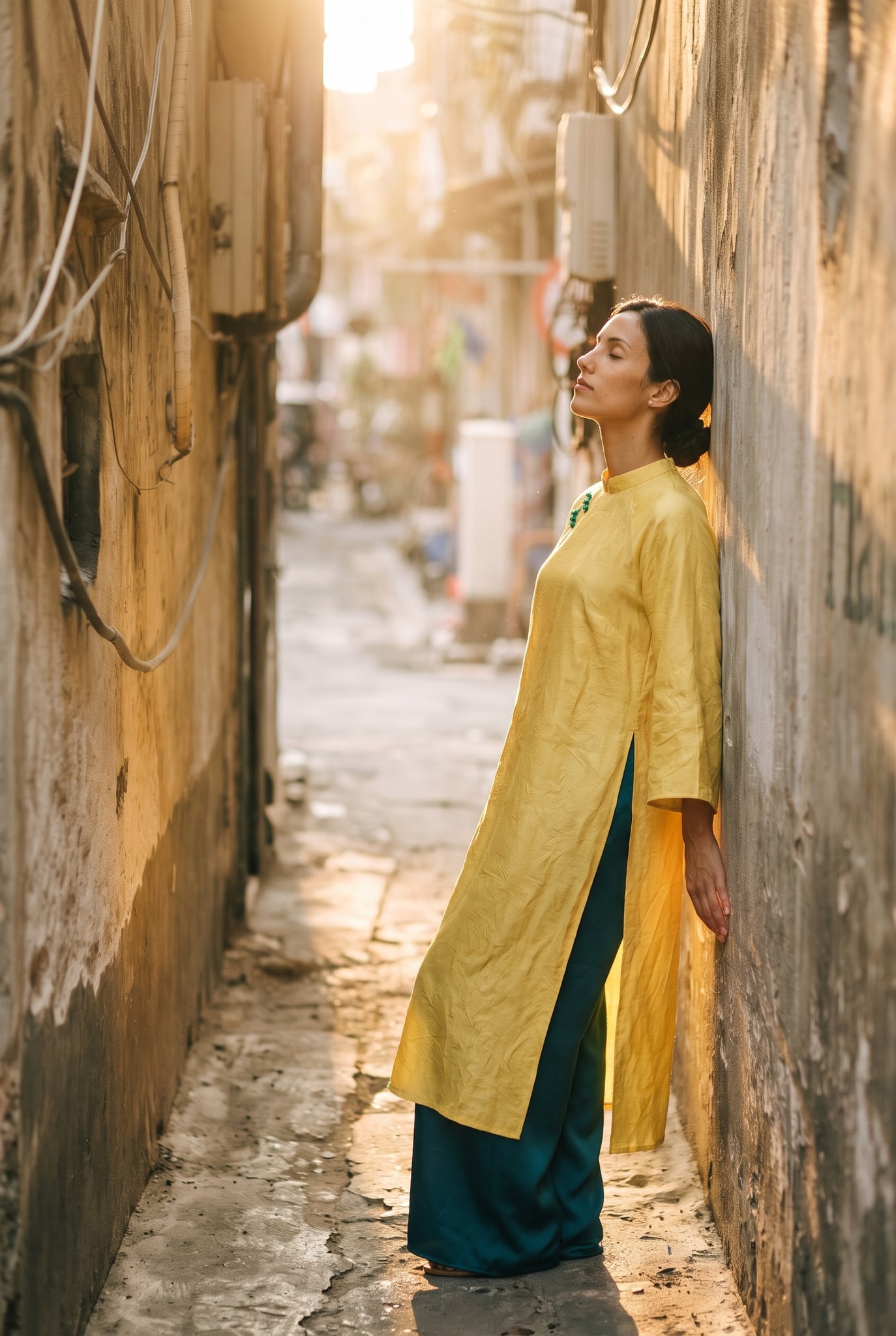
What climate and fabric do I need for Vietnam's heat?
Vietnam's tropical climate—hot, humid, and rainy June through September—demands breathable, lightweight fabrics. Cotton, linen, and moisture-wicking synthetics work best; avoid heavy denim or polyester that clings. Long sleeves and lightweight pants protect skin from sun and insects without overheating. Ao dai fabrics (silk, cotton, or blended) are designed for this climate; rental ao dai come in seasonal weights suitable for your visit dates. Check the fabric type before booking—summer ao dai are lighter than winter. Conclusion: prioritize breathable fabrics and cover-up; ao dai rentals account for seasonal needs.
What are the real rules for dressing in temples, pagodas, and sacred spaces?
Vietnam's temples and pagodas are active spiritual sites, not museums. Dress code is strict: cover shoulders (no sleeveless), knees (wear pants or long skirts to ankle), and avoid tight or sheer clothing. Remove shoes before entering inner sanctuaries. Women in ao dai are always respectfully dressed and often exempt from stricter enforcement—locals see it as a sign of reverence. Casual visitors in shorts or tank tops may be denied entry or asked to cover up. Plan ahead: if temple visits are on your itinerary, either pack cover-ups or rent an ao dai for that day. Conclusion: temple dress codes are non-negotiable; ao dai guarantees compliance and respect.
How do rental sizes and fitting work for different body types?
Ao Dai Diaries offers sizes XS–XXL, but traditional ao dai fit differently than Western clothes. The top (áo) is a snug, high-neck tunic; the bottom (dài) is a high-waisted, wide-leg pant. Fitting appointments take 15–30 minutes and adjust hem length, seam fit, and neck comfort. Same-day fittings are available in Hanoi, Ho Chi Minh City, Hoi An, and Da Nang. Curvy, petite, and tall frames all fit well; the key is a proper fitting, not rushing online. Deposits secure your reservation; payment covers rental duration (typically 24 hours to multi-day). Conclusion: proper fitting is essential; book a local appointment rather than guessing size online.
📍 See rental by city | 📸 Ao dai + photoshoot packages
What's the difference between renting, buying, and packing your own ao dai?
| Option | Who it's for | Time & cost basis | Pros | Cons |
|---|---|---|---|---|
| Rent locally | Tourists, one-off events | Per-day rental via WhatsApp | No packing, perfect fit, support onsite | Limited to rental windows, deposit required |
| Buy at home | Frequent travelers, keepsakes | Full purchase price | Keep forever, ship home | Fitting risk, customs/shipping time |
| Pack your own | Planned wearers who own one | Already owned | No rental process | Wrinkles, sizing guesses, luggage space |
| Custom tailor locally | Extended travelers, precise fit | Multi-day tailor appointment | Bespoke fit, cultural experience | Time investment, communication barriers |
Renting is fastest and safest for most tourists. Buying makes sense if you own one already or plan to wear it multiple times yearly. Packing is risky—ao dai wrinkle badly and custom fits are hard to predict. Tailoring in Vietnam is affordable but requires 3–7 days. Conclusion: for single-visit tourists, renting from Ao Dai Diaries beats all other options.
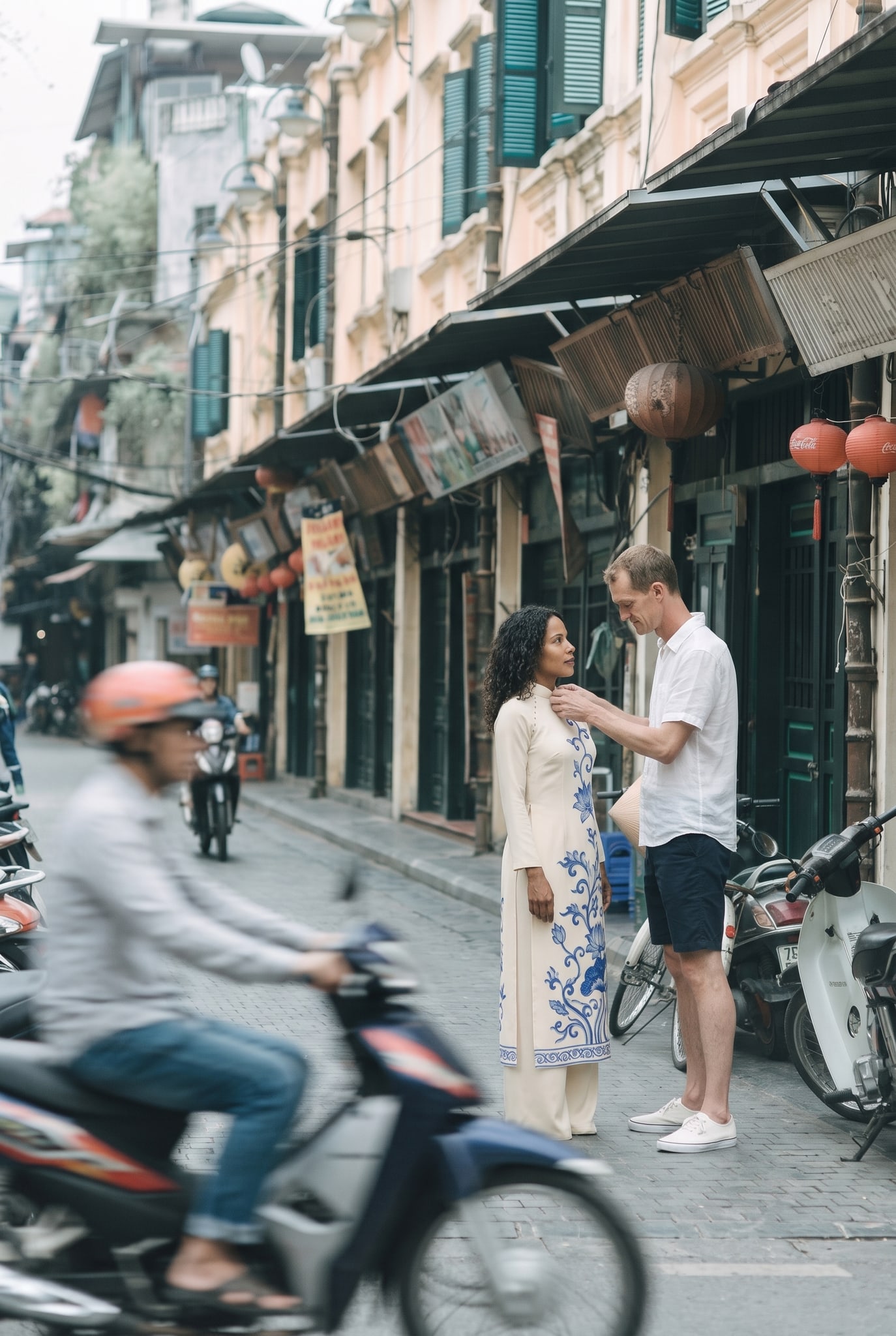
What should I check before booking an ao dai rental?
Pre-booking checklist:
- Dates & hours: Confirm rental period (24-hour vs. multi-day) and collection/return times.
- Size range: Provide waist, bust, height, and shoulder width; ask if your size is in stock for your dates.
- Color & style: Request traditional (silk, embroidered) or modern (cotton, solid) based on occasion and preference.
- Fitting availability: Confirm same-day fitting slots in your city; some days book full.
- Deposit terms: Understand refund policy if plans change.
- Delivery: Ask if hotel delivery is available; some rentals charge extra.
- Alterations: Confirm whether hem adjustments or seam tweaks are included in the rental fee.
- Return condition: Ask about stain or damage policies (most rentals accept normal wear).
- Add-ons: Inquire about photoshoot packages, hair styling, or professional photos.
Contact Ao Dai Diaries via WhatsApp/Zalo +84 338 762 340 to verify all details before committing.
How does casual female dress differ by city in Vietnam?
Hanoi's professional core (CBD, offices) sees more modest dress; cafés and tourist zones are relaxed. Ho Chi Minh City (Saigon) is the most cosmopolitan—casual wear, shorts, and Western fashion are normal in District 1, Binh Thanh. Hoi An is tourist-focused but retains old-town charm; locals respect modesty, but visitors in casual wear blend in easily. Da Nang's beaches and resorts are casual; beachwear is standard on the coast. Conservative rural areas and markets expect covered shoulders and knees, regardless of city. Urban women wear jeans, dresses, and modern fashion freely; the ao dai distinction is the formality marker, not a daily norm. Conclusion: city centers are cosmopolitan; conservative dress matters in temples and rural areas.
What's honest advice on footwear and accessories for Vietnam?
Shoes: breathable, water-resistant (rain is frequent), and easy to slip off (temples require removal). Sandals, sneakers, and lightweight walking shoes work; avoid heavy boots. Wet feet from monsoon rain or temple floors are normal—pack a quick-dry option. Accessories: lightweight scarves double as temple cover-ups and sun protection; avoid heavy jewelry in heat. Gold and silver are acceptable; avoid anything that draws excessive attention. For ao dai: rental shops often suggest or provide matching silk slippers; ask when booking. Bags: anti-theft backpacks or small crossbody bags suit markets and sightseeing; avoid large, expensive bags. Conclusion: practical, quick-dry footwear and minimal jewelry suit Vietnam's climate and safety norms.
📸 Ao dai + photoshoot packages | 👗 Rent your ao dai — WhatsApp/Zalo +84 338 762 340
What are the unspoken rules of wearing an ao dai respectfully?
The ao dai is revered as Vietnam's national dress. Wearing it signals intention to honor the culture—locals notice and often respond warmly. Unspoken rules: don't intentionally sexualize or mock it with provocative posing; wear it cleanly and avoid stains or creases before events; remove it carefully (don't throw it on a bed); return rentals on time and in good condition. It's not a costume for bar crawls or beach parties—save it for formal events, cultural sites, or tasteful photoshoots. Don't wear it to disrespectful venues or while intoxicated. If you're uncertain whether an occasion suits ao dai, ask your rental consultant or local friend. Conclusion: respect the garment's cultural weight; Ao Dai Diaries staff can guide appropriateness for any event.
How do I pack or care for an ao dai I'm renting?
Rentals handle all care—you just wear and return. For the day: avoid sitting directly on fabric (use a chair cushion if possible), keep away from strong perfumes and cigarette smoke, and prevent stains near food/drink. Carry a small fabric brush if your ao dai is embroidered; gentle brushing removes dust. Don't attempt DIY cleaning—return it as-is; rental agreements cover normal wear. If you spill something, tell the rental team immediately; they may be able to treat it quickly. Keep the ao dai on a hanger overnight if multi-day rental; don't fold or cram it. Handle the high-collared áo gently—it's delicate and prone to wrinkles. Conclusion: rentals are low-stress; just wear it carefully and return on time.
Frequently asked questions
Can I rent an ao dai the same day I arrive in Vietnam, or do I need to book in advance?
Same-day rentals are available in all four cities (Hanoi, Saigon, Hoi An, Da Nang) if your size is in stock. Book via WhatsApp/Zalo +84 338 762 340 the morning of your event; fitting appointments fill up quickly during peak travel (Tet, holidays). Plan ahead for events more than two weeks out.
What if my shoulders or waist don't fit standard sizes?
Ao Dai Diaries custom-fits XS–XXL across multiple measurements (bust, waist, shoulder, height). During fitting, seams are pinned, hems adjusted, and necklines modified. If you're between sizes, the fitting process accommodates you; extreme sizing may require a tailor appointment (3–5 days). Confirm availability when booking.
Is it appropriate to wear an ao dai to restaurants or casual dinners?
Only to upscale restaurants, formal dinners, or special occasions. Casual dinners at local noodle shops or streetside cafés do not require ao dai. Wearing it to everyday dining reads as over-dressed and may attract unwanted attention. Reserve it for events where locals also wear formal wear.
Do I need to cover my head or wear a headscarf in Vietnam?
No. Vietnam is not a headscarf-mandatory culture. Headscarves are worn for sun protection in rural areas and by older women; they're optional. In temples, you need to cover shoulders and knees, not hair. Lightweight scarves as sun protection are common among female travelers.
Can I buy an ao dai in Vietnam instead of renting, and will it fit properly?
Yes, but custom tailoring takes 3–7 days and requires multiple fittings. Ready-made ao dai at markets (Hanoi's Old Quarter, Saigon's fabric district) are cheaper but risky for fit. If you have time and flexibility, tailoring offers keepsake quality. Most tourists rent because it's faster, risk-free, and includes expert fitting.
What happens if I stain or damage a rented ao dai?
Normal wear (wrinkles, minor dust) is covered. Stains from food, drink, or makeup require discussion—some are cleanable, some are permanent. Damage (tears, broken seams) may incur a fee. Ask rental policy details before committing. Take photos of the ao dai's condition at pickup to protect yourself.
Should I tip rental staff or photographers during an ao dai photoshoot?
Tipping is not obligatory in Vietnam but is appreciated (50,000–see packages & prices ≈ see packages & prices–see packages & prices per person for good service). Some photoshoot packages include photography; ask if tips are suggested. Verbal thanks and 5-star reviews are equally valued.
Can men rent or wear ao dai? Do they have different etiquette rules?
Men wear the áo dài (male version: looser tunic, tapered pants, often with a hat). Male ao dai are formal and less common in tourist rentals but available. Etiquette is identical: respect the garment, wear it to appropriate occasions, return it clean. Book male rentals with the same WhatsApp contact; availability varies by city.
Frequently asked questions
Can I rent an ao dai the same day I arrive in Vietnam, or do I need to book in advance?
Same-day rentals are available in all four cities (Hanoi, Saigon, Hoi An, Da Nang) if your size is in stock. Book via WhatsApp/Zalo +84 338 762 340 the morning of your event; fitting appointments fill up quickly during peak travel (Tet, holidays). Plan ahead for events more than two weeks out.
What if my shoulders or waist don't fit standard sizes?
Ao Dai Diaries custom-fits XS–XXL across multiple measurements (bust, waist, shoulder, height). During fitting, seams are pinned, hems adjusted, and necklines modified. If you're between sizes, the fitting process accommodates you; extreme sizing may require a tailor appointment (3–5 days). Confirm availability when booking.
Is it appropriate to wear an ao dai to restaurants or casual dinners?
Only to upscale restaurants, formal dinners, or special occasions. Casual dinners at local noodle shops or streetside cafés do not require ao dai. Wearing it to everyday dining reads as over-dressed and may attract unwanted attention. Reserve it for events where locals also wear formal wear.
Do I need to cover my head or wear a headscarf in Vietnam?
No. Vietnam is not a headscarf-mandatory culture. Headscarves are worn for sun protection in rural areas and by older women; they're optional. In temples, you need to cover shoulders and knees, not hair. Lightweight scarves as sun protection are common among female travelers.
Can I buy an ao dai in Vietnam instead of renting, and will it fit properly?
Yes, but custom tailoring takes 3–7 days and requires multiple fittings. Ready-made ao dai at markets (Hanoi's Old Quarter, Saigon's fabric district) are cheaper but risky for fit. If you have time and flexibility, tailoring offers keepsake quality. Most tourists rent because it's faster, risk-free, and includes expert fitting.
What happens if I stain or damage a rented ao dai?
Normal wear (wrinkles, minor dust) is covered. Stains from food, drink, or makeup require discussion—some are cleanable, some are permanent. Damage (tears, broken seams) may incur a fee. Ask rental policy details before committing. Take photos of the ao dai's condition at pickup to protect yourself.
Should I tip rental staff or photographers during an ao dai photoshoot?
Tipping is not obligatory in Vietnam but is appreciated (50,000–see packages & prices ≈ see packages & prices–see packages & prices per person for good service). Some [photoshoot packages](/packages) include photography; ask if tips are suggested. Verbal thanks and 5-star reviews are equally valued.
Can men rent or wear ao dai? Do they have different etiquette rules?
Men wear the áo dài (male version: looser tunic, tapered pants, often with a hat). Male ao dai are formal and less common in tourist rentals but available. Etiquette is identical: respect the garment, wear it to appropriate occasions, return it clean. Book male rentals with the same WhatsApp contact; availability varies by city.
Dozens of colours, all sizes XS–XXL, delivered to your hotel in Hanoi, Saigon, Hoi An or Da Nang. One WhatsApp or Zalo message.
More guides
You might also like
The ao dai is Vietnam's iconic silk dress, worn for celebrations and formal occasions. Ao Dai Diarie
May is Vietnam's hottest month before monsoon season. We'll help you choose the right outfit—whether
December weather in Vietnam is cool and dry—ideal for wearing the ao dai. Here's what suits the seas