guide/ao-dai
What to Wear in Vietnam in August: A Practical Rental Guide
Ao Dai Diaries team · All guides →
August in Vietnam demands breathable, moisture-wicking fabrics: lightweight cotton, linen, and silk are non-negotiable. Temperatures hover 28–35°C (82–95°F) with 80–90% humidity and heavy rains. For respectful cultural engagement, consider renting an ao dai through Ao Dai Diaries (available in Hanoi, Saigon, Hoi An, and Da Nang) rather than wearing casual Western wear to temples, weddings, or formal events—rental costs from a few hundred thousand VND, often same-day or next-day—and pair it with minimal jewelry, closed-toe shoes indoors, and a scarf. Avoid nylon, synthetic blends, dark colors (they trap heat), and sleeveless tops at religious sites. Pack a light rain jacket or poncho; umbrellas are bulky in crowds. Quick-dry travel clothing works well for sightseeing; reserve ao dai for occasions where tradition matters.
August in Vietnam is brutally humid. The southwest monsoon dumps rain on most regions, and the midday sun is relentless. What you pack—and whether you rent culturally appropriate dress—shapes your comfort, health, and respect for local customs.
This guide combines practical fabric science with cultural etiquette and real rental logistics from Ao Dai Diaries.
What fabric temperatures are safe for August Vietnam?
Cotton and linen breathe. Synthetic fabrics trap sweat and cause skin breakdown in 90%+ humidity. Opt for 100% cotton, linen blends, or silk—they dry faster and don't cling. Natural fibers also reflect traditional Vietnamese summer wear, which respects the climate and culture. Avoid polyester athletic wear and thick denim; they overheat and never dry fully in monsoon conditions. Quick-dry travel fabrics (synthetic blends marketed as breathable) are a compromise if you must wear synthetics, but they still feel clammy after two hours outdoors. Linen wrinkles, yes—that's acceptable in August heat; crumpled linen signals respect for practicality over vanity in Vietnam's summer.
Should you rent an ao dai instead of buying summer clothes?
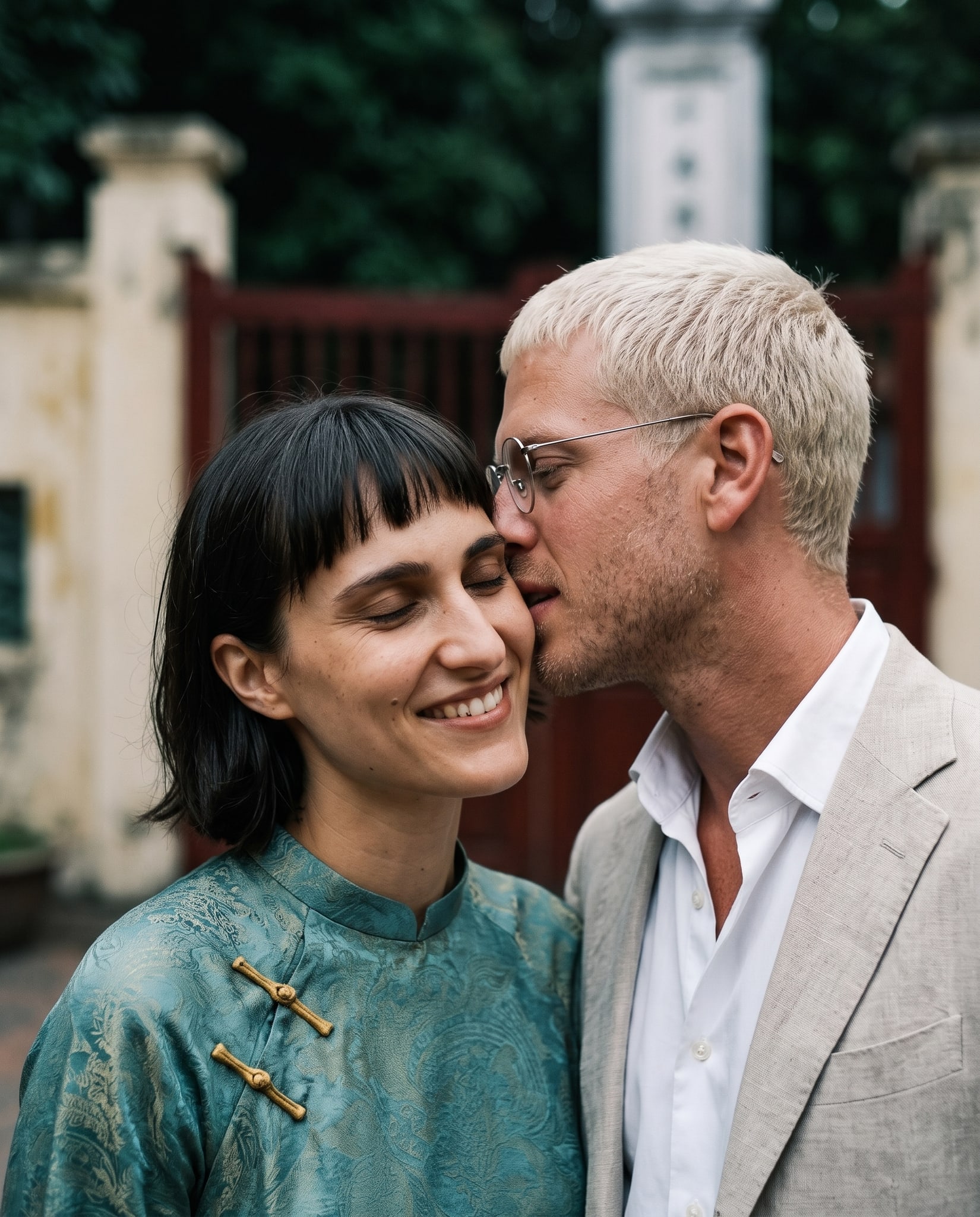
If you're staying two weeks or longer, a rental is smarter than buying a summer wardrobe you won't wear again. An ao dai rental through Ao Dai Diaries takes one hour to fit and lasts a full day (or longer by arrangement). You avoid packing bulk, get cultural authenticity for photos and events, and skip sizing anxiety—rental staff measure on-site and stock XS–XXL. Renting also signals respect; foreign visitors in ao dai at temples, Tet festivals, or weddings are welcomed warmly, whereas Western casual wear can read as disrespectful in formal spaces. The cost is accessible (typically a few hundred thousand VND for same-day rental), and delivery to your hotel is available in major cities. If you're only in Vietnam for 3–5 days, one rental for a key occasion (photoshoot, wedding, Hoi An stroll) beats owning a single dress you'll never wear. Compare this: buying two lightweight dresses + shipping = see packages & prices and luggage weight; renting an ao dai once = fraction of that, zero packing stress, and genuine cultural experience.
| Option | When to Choose | Cost Basis | Packing Weight | Cultural Signal |
|---|---|---|---|---|
| Buy lightweight cotton/linen | Staying 2+ weeks, prefer ownership | see packages & prices per piece | 1–2 kg | Tourist-practical |
| Rent ao dai (1–2 days) | Special occasions, short stay | Few hundred thousand VND | 0 kg | Respectful, memorable |
| Mix (buy basics + rent ao dai once) | 1–2 week trip, mixed itinerary | see packages & prices clothing + rental | <1 kg | Practical + cultural |
Renting respects tradition; buying avoids luggage. For most travelers, one or two rentals during a trip is ideal.
Where can you rent in each major city?
Rent ao dai by city to find locations nearest you. In Hanoi, rentals cluster in the Old Quarter (Hoan Kiem Lake area) and French Quarter. Saigon rentals concentrate in District 1 (Dong Khoi Street) and near Ben Thanh Market. Hoi An is the unofficial ao dai capital—entire streets offer rentals, and same-day turnaround is standard. Da Nang rentals are near Han Market and the city center. Contact Ao Dai Diaries via WhatsApp/Zalo +84 338 762 340 to reserve before arrival or arrange delivery to your hotel. Most rental places offer a fitting session (30 min–1 hour), deposit (held for the rental duration), and return within 24–48 hours. August is peak season, so booking 2–3 days ahead prevents sold-out sizes. Custom tailoring (if you prefer a bespoke fit) takes 5–7 days and costs more; standard rental is faster and cheaper.
👗 Rent your ao dai — WhatsApp/Zalo +84 338 762 340
What goes wrong with summer clothing in Vietnam, and how to prevent it?
Mildew on packed clothes. Humidity causes mold in closed luggage. Solution: pack moisture-absorber packets, air clothes daily, and keep bags partially open in your hotel room.
Chafing and heat rash. Sweat + fabric friction = painful rashes. Solution: wear lightweight undershirts, choose seamless undergarments, and shower/change clothes every 4–6 hours.
Clothes never dry indoors. Laundry hung in your room stays damp for days. Solution: use a clothes steamer (found in most hotels), lay items in direct sunlight on a balcony, or pay for hotel laundry service (fast-dry is standard).
Dark colors fade unevenly in sun + chlorine. Wear light colors for sightseeing and swimming; reserve dark clothes for indoors or evening.
Shoes and feet. Open sandals + wet streets = slip hazards. Quick-dry mesh shoes or waterproof sneakers are safer than flip-flops in monsoon rain.
Jewelry and metal tarnish. Humidity oxidizes silver and costume jewelry within days. Wear stainless steel or gold-plated pieces, or leave heirlooms at home.
How does cultural respect shape your August wardrobe in Vietnam?
Temples, pagodas, and family events require modesty. Wear long pants or skirts (knee-length minimum), cover shoulders, and avoid sheer fabrics. An ao dai is the gold standard for weddings, Tet celebrations (even in August, private family events occur), and formal dinners. If you're not renting, pair lightweight linen trousers with a loose button-up shirt and a lightweight scarf. Hats, sunglasses, and bags are fine; religious sites sometimes ask you to remove footwear, so choose slip-on shoes. Never wear swimwear or gym clothes to temples or homes. Western women in tank tops and short shorts at temples are quietly judged; Vietnamese locals wear modest, cool clothing year-round regardless of heat. An ao dai rental shows deliberate respect and opens doors—locals are friendlier, shop owners offer better prices, and photography feels authentic rather than extractive. Renting is a form of cultural reciprocity: you're engaging with Vietnamese tradition, not just consuming it.
📸 Ao dai + photoshoot packages — Book a professional shoot in traditional dress.
What sizes and customization options exist for ao dai rentals?
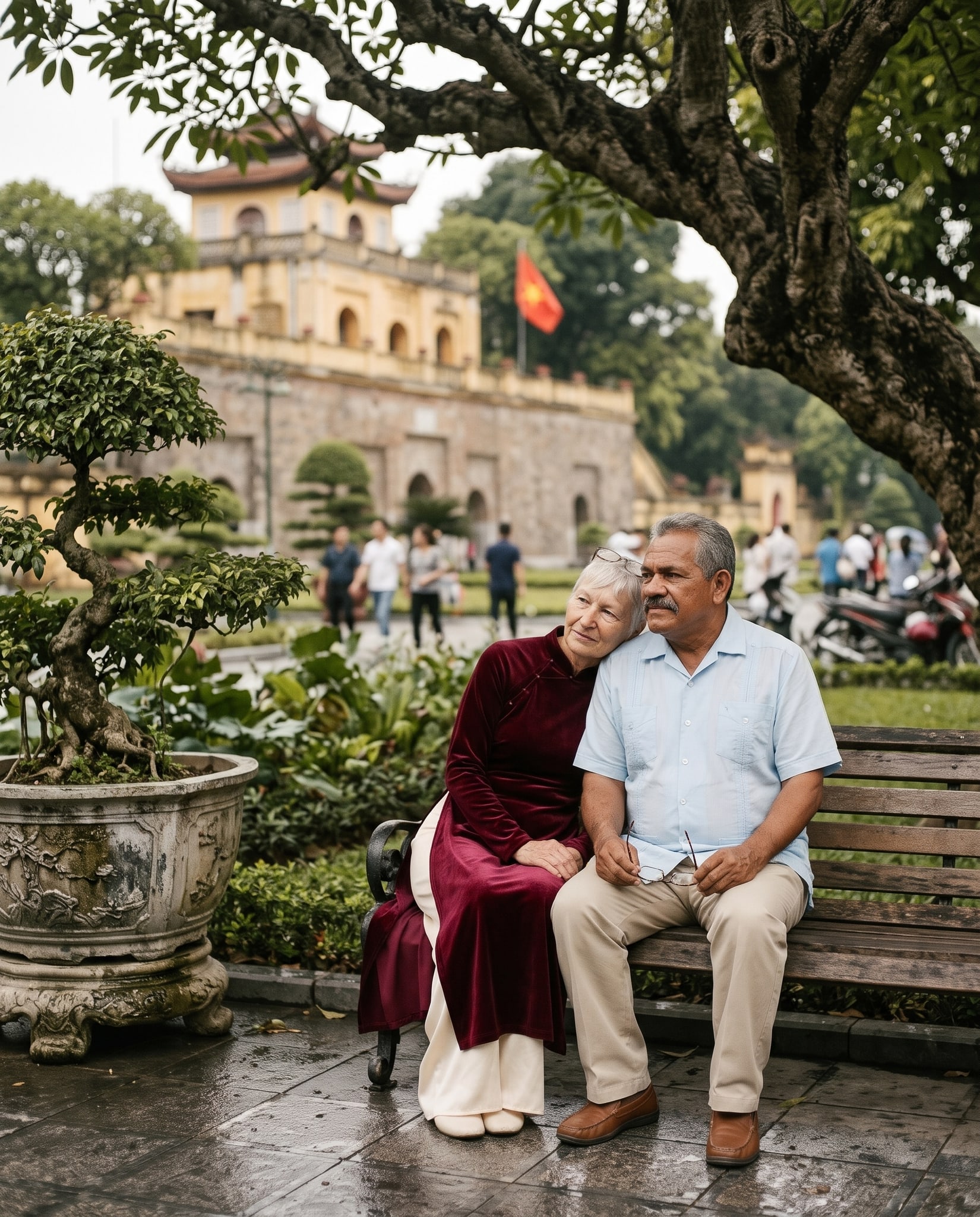
Ao dai rentals stock XS–XXL to accommodate most body types. Rental staff measure your bust, waist, hip, and length on-site (takes 10 minutes) and adjust the tunic and trousers for a proper fit. You cannot customize color or design during a same-day rental, but you can choose from available styles in the shop (typically 5–15 options per size range). If you're seeking a specific color (e.g., deep teal, rose pink, gold embroidery), ask Ao Dai Diaries +84 338 762 340 2–3 days ahead to reserve. Brides and grooms sometimes request bespoke ao dai; turnaround is 5–7 days and costs significantly more than rental. Petite renters (XS–S) and plus-size renters (XL–XXL) should book in advance, as popular sizes sell out faster in August. Standard rental includes the tunic (áo), trousers (quần), and a silk scarf if desired; shoes are not included (wear your own, clean and modest). Alterations during rental are free within reason (hem adjustments, seam lets, waist cinching); return the ao dai clean or pay a minor cleaning fee.
📍 See rental by city — Find your nearest location.
What's your realistic packing list for August Vietnam?
- 5 lightweight cotton/linen shirts (quick-dry preferred)
- 2 lightweight pants (linen, cotton, or lightweight chinos)
- 1 skirt or dress (knee-length, breathable)
- 1 ao dai rental (for an occasion)
- Undergarments (moisture-wicking, seamless)
- 1 light rain jacket (packable, not an umbrella)
- Closed-toe slip-on shoes (for temples, fast-dry mesh recommended)
- 1 pair sandals (minimalist, for casual walking)
- Lightweight scarf (sun protection and temple modesty)
- Socks (moisture-wicking, minimal pairs—cotton blends)
- Hat or cap (wide-brimmed for sun)
- Swimsuit (quick-dry synthetic, acceptable only at pools/beaches)
- Sleepwear (lightweight cotton)
- Moisture-absorber packets (2–3 for luggage)
Total weight: 3–4 kg. Laundry service costs see packages & prices per load; plan for 2–3 laundry runs per week. Pack light and wash often; buying a spare shirt in Vietnam is cheaper than shipping excess luggage.
---
What to check before you rent or buy
- Fabric content: Verify 100% cotton or cotton-blend; synthetic ao dai feel cheaper and age poorly.
- Fit timeline: Reserve rentals 2–3 days ahead in August. Same-day rental depends on size and availability.
- Occasion alignment: Ao dai with embroidery suits weddings and formal events; plain silk suits casual city walks and photoshoots.
- Deposit and return: Ask about deposit amount, cancellation policy, and late-return fees upfront. Standard is 24-hour return; overstays incur daily fees.
- Cleaning responsibility: Confirm whether light stains (sweat, food) are your responsibility or the rental's. Most rentals expect return in wearable condition; major stains cost see packages & prices to remove.
- Shoe coordination: Rentals don't include shoes—you must wear your own or buy affordable slip-ons (see packages & prices) in Vietnam. Avoid wearing ao dai with Western sneakers; neutrals or traditional embroidered flats work best.
- Climate realism: August ao dai are thinner silk or cotton-linen blends (not winter velvet). They're breathable but not waterproof; rain jackets are separate.
- Body confidence: Ao dai flatters most body types because the tunic is loose. If you're self-conscious about fit, a rental fitting is judgment-free; staff see hundreds of bodies and adjust accordingly.
---
How does booking through Ao Dai Diaries work?
Visit How Ao Dai Rental Works for a step-by-step walkthrough. In summary: (1) Contact +84 338 762 340 on WhatsApp/Zalo with your preferred date, size estimate, and style preference. (2) Staff confirm availability and arrange a fitting (at their shop or your hotel, depending on location). (3) You try on 2–4 options, choose one, and pay a deposit (typically 50% of rental fee). (4) You pick up the rental (same-day, next-day, or scheduled date), wear for up to 48 hours, and return clean. (5) Your deposit is refunded minus any damage or stains. Delivery to your hotel is available in Hanoi, Saigon, Hoi An, and Da Nang for a small fee. 👗 Rent your ao dai — WhatsApp/Zalo +84 338 762 340
---
Frequently asked questions
Is an ao dai too formal for casual sightseeing in August?
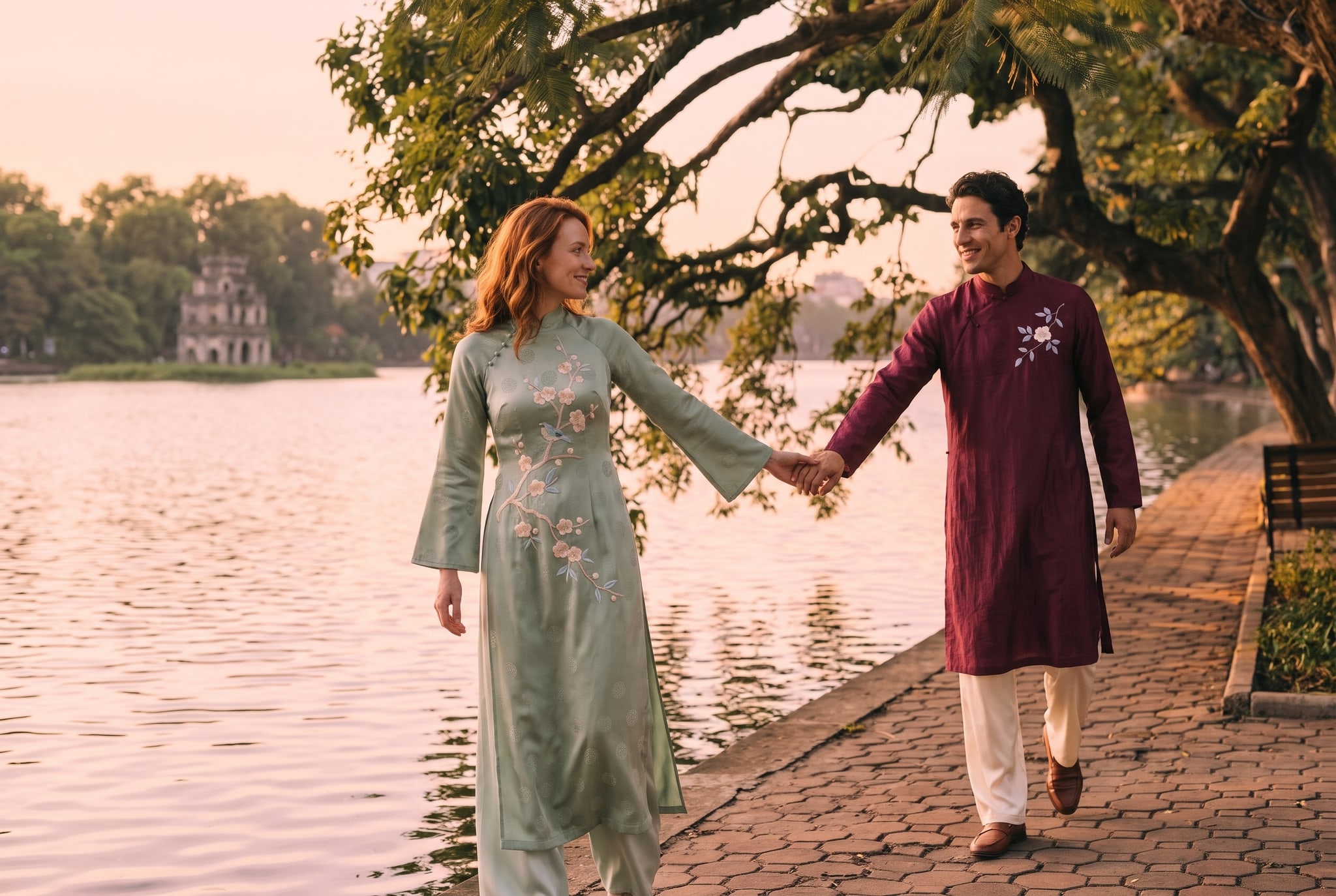
No. Plain-colored silk or cotton ao dai without embroidery are appropriate for city walks, markets, and casual photoshoots. Embroidered or beaded versions suit weddings and formal events. Rental staff can recommend which style matches your plans.
Will I overheat in an ao dai during August humidity?
August ao dai are tailored from breathable silk-linen blends, not heavy winter fabrics. The loose tunic design allows airflow. Many Vietnamese women wear ao dai daily in August; if properly fitted, it's no hotter than Western clothing and feels lighter due to the drape.
What's the difference between renting and buying a cheap ao dai online?
Rental ensures proper fit, authentic quality, and expert styling advice—you wear it once, return it, and avoid storage. Cheap online ao dai often use thin synthetic fabrics, arrive with fit issues, and end up in a closet. For a one-time visit, rental saves money and stress.
Do I need to wear traditional shoes with an ao dai?
No. Clean slip-on shoes, flat sandals, or embroidered flats coordinate well. Avoid Western sneakers or athletic shoes; neutral tones (white, black, nude, gold) are safest. Ask your rental shop for shoe pairing suggestions.
Can I rent an ao dai if I'm not a typical clothing size?
Yes. Ao dai rentals stock XS–XXL and custom-measure on-site. If you're petite, tall, or plus-size, mention this when booking so staff reserves a suitable option. Alterations (hemming, seam adjustments) are included in rental.
What happens if I spill something on a rented ao dai?
Most minor stains (light sweat, dust) are expected wear. Major stains (food, wine, grease) incur a cleaning fee (typically 100,000–see packages & prices) deducted from your deposit. Return the ao dai as clean as reasonably possible and disclose obvious damage immediately.
Is August a good time to do an ao dai photoshoot?
Yes and no. August light is harsh midday (10am–3pm); early morning (6–8am) and late afternoon (4–6pm) are ideal. Monsoon clouds create moody, diffused light perfect for outdoor portraits. Rain is common, so have a backup indoor location. Book a photoshoot package through Ao Dai Diaries for guidance on timing and styling.
Frequently asked questions
Is an ao dai too formal for casual sightseeing in August?
No. Plain-colored silk or cotton ao dai without embroidery are appropriate for city walks, markets, and casual photoshoots. Embroidered or beaded versions suit weddings and formal events. Rental staff can recommend which style matches your plans.
Will I overheat in an ao dai during August humidity?
August ao dai are tailored from breathable silk-linen blends, not heavy winter fabrics. The loose tunic design allows airflow. Many Vietnamese women wear ao dai daily in August; if properly fitted, it's no hotter than Western clothing and feels lighter due to the drape.
What's the difference between renting and buying a cheap ao dai online?
Rental ensures proper fit, authentic quality, and expert styling advice—you wear it once, return it, and avoid storage. Cheap online ao dai often use thin synthetic fabrics, arrive with fit issues, and end up in a closet. For a one-time visit, rental saves money and stress.
Do I need to wear traditional shoes with an ao dai?
No. Clean slip-on shoes, flat sandals, or embroidered flats coordinate well. Avoid Western sneakers or athletic shoes; neutral tones (white, black, nude, gold) are safest. Ask your rental shop for shoe pairing suggestions.
Can I rent an ao dai if I'm not a typical clothing size?
Yes. Ao dai rentals stock XS–XXL and custom-measure on-site. If you're petite, tall, or plus-size, mention this when booking so staff reserves a suitable option. Alterations (hemming, seam adjustments) are included in rental.
What happens if I spill something on a rented ao dai?
Most minor stains (light sweat, dust) are expected wear. Major stains (food, wine, grease) incur a cleaning fee (typically 100,000–see packages & prices) deducted from your deposit. Return the ao dai as clean as reasonably possible and disclose obvious damage immediately.
Is August a good time to do an ao dai photoshoot?
Yes and no. August light is harsh midday (10am–3pm); early morning (6–8am) and late afternoon (4–6pm) are ideal. Monsoon clouds create moody, diffused light perfect for outdoor portraits. Rain is common, so have a backup indoor location. Book a [photoshoot package](/packages) through Ao Dai Diaries for guidance on timing and styling.
Dozens of colours, all sizes XS–XXL, delivered to your hotel in Hanoi, Saigon, Hoi An or Da Nang. One WhatsApp or Zalo message.
More guides
You might also like
The ao dai is Vietnam's iconic silk dress, worn for celebrations and formal occasions. Ao Dai Diarie
May is Vietnam's hottest month before monsoon season. We'll help you choose the right outfit—whether
December weather in Vietnam is cool and dry—ideal for wearing the ao dai. Here's what suits the seas