guide/ao-dai
What to Wear in Vietnam in February: Ao Dai & Climate Guide
Ao Dai Diaries team · All guides →
February temperatures range 15–22°C (59–72°F) in northern regions like Hanoi, rising to 20–28°C (68–82°F) in the south. This is Vietnam's sweet spot: dry, cool, minimal rain. Lightweight layers work best—long-sleeved shirts, cardigans, or a light jacket for mornings and air-conditioned spaces. The ao dai, Vietnam's traditional silk tunic worn over flowing trousers, is perfect for February: it's breathable, elegant, and culturally respectful for temples, weddings, or photoshoots. Ao Dai Diaries offers same-day rentals in Hanoi, Ho Chi Minh City, Hoi An, and Da Nang, with fittings in sizes XS–XXL and delivery to your hotel. A modest deposit holds your piece; collections range from classic silk to embroidered ceremonial styles. Avoid synthetic fabrics in humid afternoons, and always ask about tailored fitting—an ill-fitting ao dai defeats its grace.
February is Vietnam's most comfortable travel month: dry skies, cooler air, and perfect humidity for outdoor exploration. What you wear matters—not just for comfort, but to respect the culture and stay camera-ready for Tet celebrations, temple visits, and Instagram-worthy strolls through ancient towns. Here's exactly what to pack and wear.
Why February weather in Vietnam suits the ao dai?
February sits at the tail end of winter in the north and the dry season nationwide. Hanoi averages 15–22°C; Ho Chi Minh City, Da Nang, and Hoi An hover between 20–28°C. This mild range means you're not sweating through layers or shivering indoors. The ao dai—a floor-length silk tunic with a high collar and side slits, worn over straight-leg trousers—was designed for Vietnam's climate: fabric breathes, silhouette moves with you, and it looks effortlessly elegant. Because February is peak tourist and Tet season, wearing an ao dai signals respect to locals and transforms your photos from "visitor snapshot" to "cultural memory."
👗 Rent your ao dai — WhatsApp/Zalo +84 338 762 340
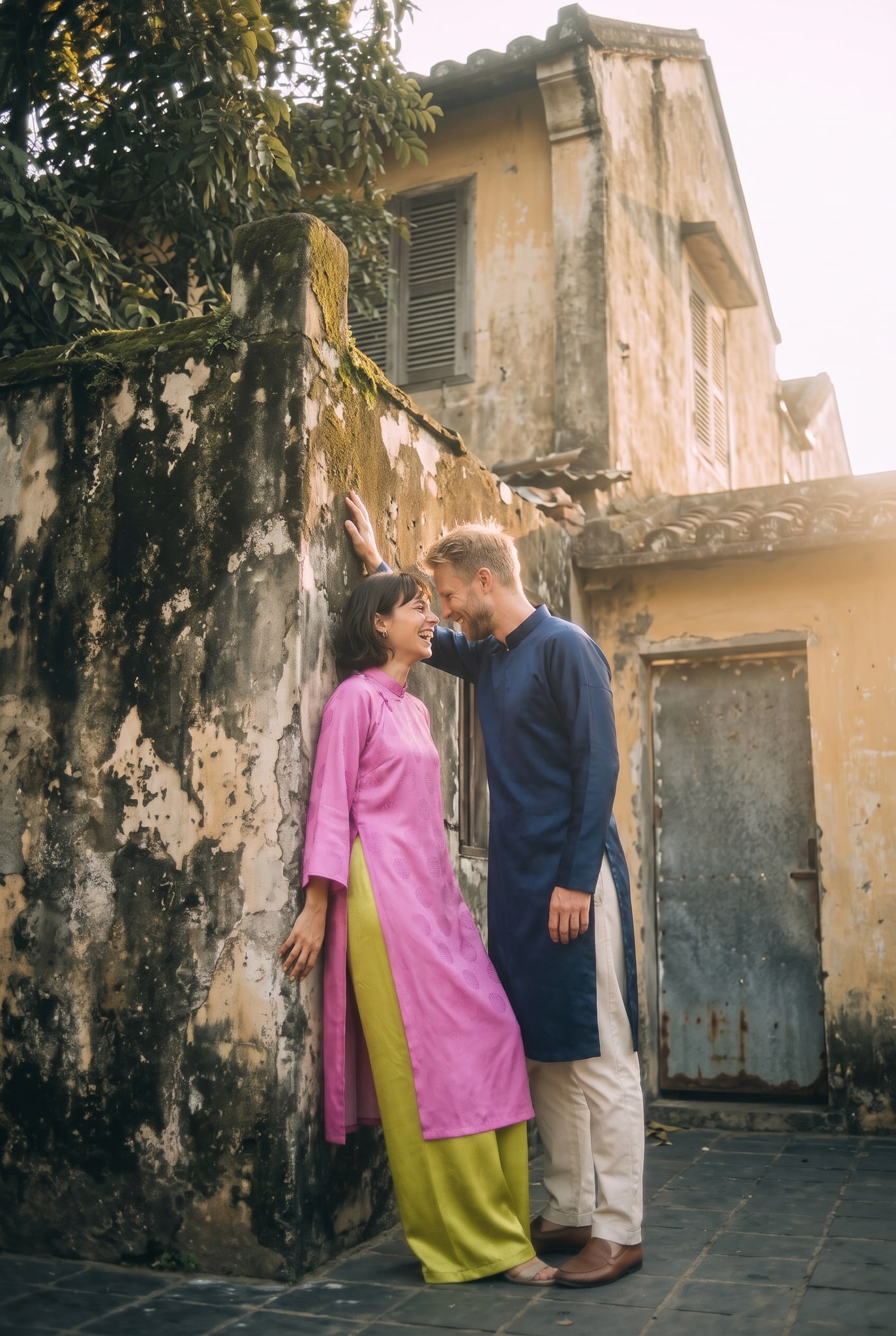
How do you layer under an ao dai in February?
The ao dai hangs loosely, so what's underneath matters for comfort and modesty. In February's cool mornings (especially Hanoi), wear a thin long-sleeve undershirt or a fitted thermal layer—it adds warmth without bulk under the silk. Midday, a sleeveless or short-sleeve tank under the ao dai works fine. In Ho Chi Minh City and Da Nang, where afternoons stay warmer, skip the undershirt; a simple bra is enough. Trousers come with the rental, so focus on footwear: embroidered slippers (included or rentable) are traditional indoors; for city walks, clean sneakers or flat sandals pair well. Never wear heavy coats over an ao dai—it crushes the silhouette. Instead, carry a lightweight pashmina or cotton shawl for temples and evening strolls. The goal is simplicity: let the ao dai be the statement.
What are the main clothing options for a February Vietnam trip?
| Outfit Option | Best For | Temperature Sweet Spot | Why It Works | Rental vs. Buy |
|---|---|---|---|---|
| Ao dai (silk, classic) | Temple visits, Tet photos, formal dinners | 18–24°C | Breathable, respectful, photographs beautifully | Rent same-day, sizes XS–XXL |
| Ao dai (embroidered ceremonial) | Weddings, engagement shoots, special occasions | 20–26°C | Elegant, luxe, unforgettable—but heavy | Rent for events; delivery to hotel |
| Lightweight cotton layers + shorts | Beach towns, casual exploring | 22–28°C | Packable, dry quickly if caught in rain | Buy before trip; easier luggage |
| Linen trousers + tunic + scarf | Temple grounds, street food tours | 18–25°C | Professional, modest, avoids ao dai formality | Buy; mix-and-match versatility |
| Jeans + cardigan + sneakers | City wandering, casual cafes | 15–22°C (north), 20–26°C (south) | Comfortable, blends with locals | Buy; wear daily across trip |
Each option shines in different contexts. Renters often choose the ao dai for 1–2 days to capture memories and respect sacred spaces; browsers buy casual layers for daily wear across a week-long trip.
Where should you rent an ao dai for a February trip?
Ao Dai Diaries operates rental services in four cities, each suited to different itineraries:
- Hanoi: Cool winters, temple density, Tet street celebrations. Book fittings near the Old Quarter or lakeside for morning/evening strolls.
- Ho Chi Minh City: Warmer, busier; ideal for wedding guest looks, photoshoots with modern skyline backdrops, or Tet market visits.
- Hoi An: Ancient town, lantern-lit nights, photogenic laneway—peak ao dai season. Same-day rentals suit drop-in travelers.
- Da Nang: Beach proximity, temple access, fewer crowds than Hoi An; perfect for combining ao dai photoshoots with coastal relaxation.
Visit our rental locations page to see which city fits your itinerary. Each location offers fitting appointments via WhatsApp/Zalo to confirm sizes XS–XXL and same-day turnaround. Delivery to your hotel is available; a modest deposit secures your selection.
📸 Ao dai + photoshoot packages
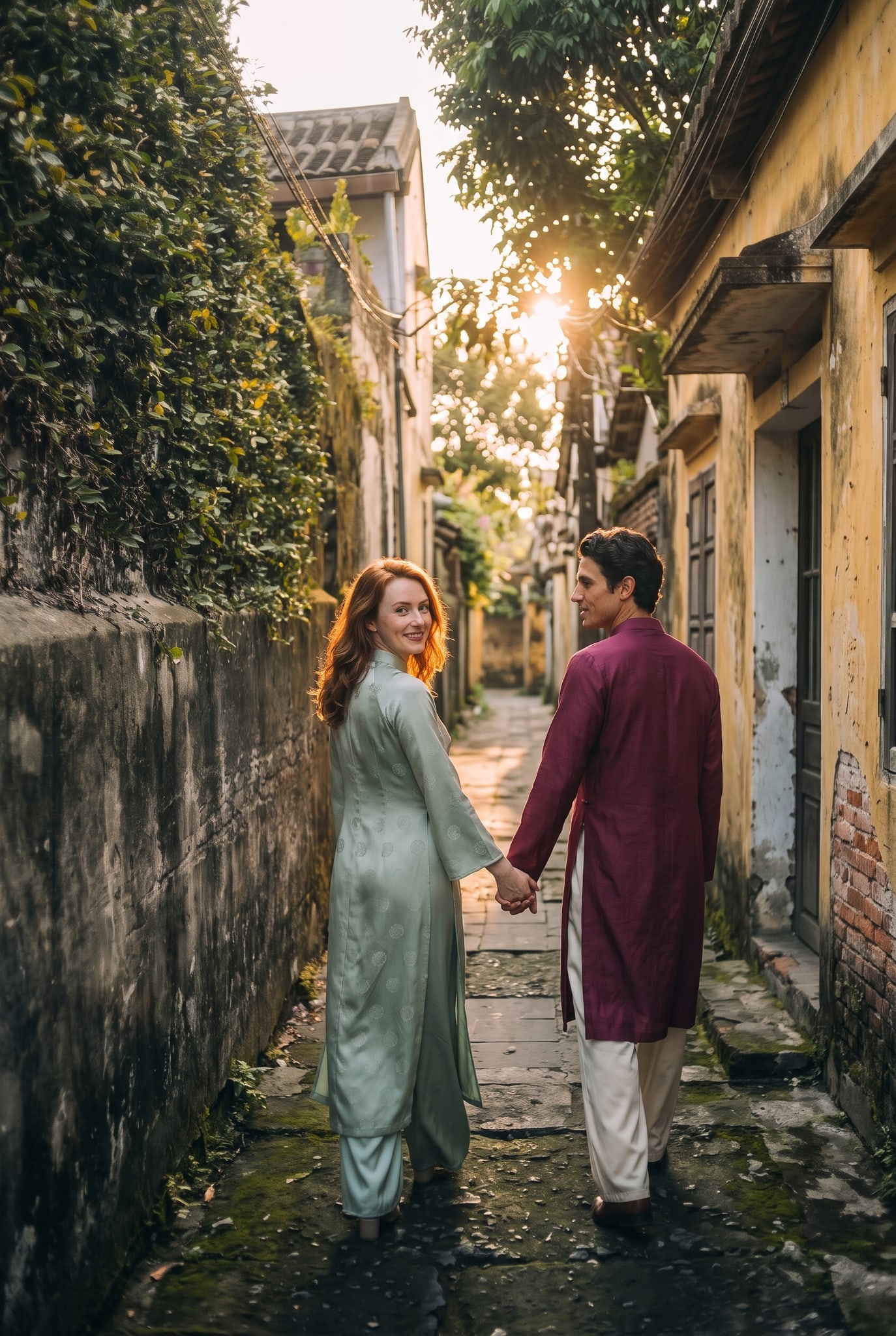
What should you check before renting an ao dai?
Before booking, clarify five essentials:
- Fit and sizing: Provide your height, bust, waist, and hip measurements. Ao dai relies on precise fit—too loose looks sloppy, too tight restricts movement. Ao Dai Diaries offers in-person fittings to confirm.
- Occasion and style: Casual silk for strolls, embroidered for events. Discuss color (jewel tones photograph better than pastels in February afternoon light) and whether you want traditional or modern cuts.
- Duration and deposit: Confirm rental period (usually 4–12 hours), return time, and deposit amount. Ask if late fees apply and whether hotel delivery is included.
- Accessories: Clarify what's included—undershirt, trousers, undershoes, matching headpiece (if any). Rental often omits jewelry; confirm if you're adding your own.
- Photography and etiquette: Ask for styling tips specific to your outing. Temples require covered shoulders and respectful posture; photoshoots allow more creative poses. Getting this right prevents regret later.
For detailed guidance, see how ao dai rental works and our ao dai styling guides.
Honest talk: What goes wrong with ao dai rentals in February?
Undershooting fit appointments. Skipping a fitting to save time leads to pinched seams or drooping necklines in photos. February crowds mean same-day appointments fill fast—book the night before.
Ignoring humidity spikes. February is mostly dry, but afternoon showers hit without warning. Ask if your rental includes a rain cover, or bring a small umbrella. Wet silk clings and loses shape—protect your investment.
Forgetting undershirt logistics. If you're not used to ao dai, wearing nothing underneath feels exposed. A thin white or neutral undershirt prevents self-consciousness and photographs cleaner. Most rentals provide one; confirm upfront.
Mismatched footwear. Rental slippers are traditional but impractical for city walks. Wear your own clean sneakers or sandals until you reach photo spots; change on-site. This saves time and foot pain.
Wrong color for your skin tone. Deep jewel tones (burgundy, teal, emerald) flatter most complexions in February's natural light. Pale pastels wash out. Try a preview photo or ask the rental stylist—they've dressed hundreds and know what works.
📍 See rental by city
---
Comparison: Rent vs. Buy for February
If you're debating whether to rent an ao dai or buy lightweight travel clothes:
- Rent an ao dai (same-day): Best if you're visiting 3–7 days, want a cultural experience for 1–2 outings, or are traveling light. Cost is modest; no luggage penalty. Sizes XS–XXL fit most; deposit secures fit.
- Buy casual February layers (linen, cotton): Better if staying 2+ weeks, exploring multiple regions daily, or building a travel wardrobe. February fabrics (cotton shirts, linen trousers) pack flat and are reusable for future trips.
Many travelers do both: rent an ao dai for Tet celebrations or a signature photo day, and buy affordable cotton basics for daily wear.
---
What to check before you book: The Checklist
- [ ] Confirm city/rental location matches your itinerary.
- [ ] Provide accurate measurements (height, bust, waist, hip); ask for a fitting appointment.
- [ ] Specify occasion: temple visit, wedding, photoshoot, casual stroll, Tet event.
- [ ] Ask what's included: ao dai tunic, trousers, undershirt, slippers, delivery to hotel.
- [ ] Clarify deposit amount, rental duration, and return time; confirm late fees.
- [ ] Request color/style suggestions from the stylist based on your skin tone and itinerary.
- [ ] Ask about weather contingencies—rain covers, protective folding.
- [ ] Confirm photography guidelines: posture, pose ideas, and etiquette for temples.
- [ ] Get WhatsApp/Zalo support contact for same-day emergencies.
Ready to experience February in Vietnam dressed in tradition? Contact Ao Dai Diaries to rent your ao dai today.
Frequently asked questions
Is the ao dai too formal for casual February exploring?
No. Silk ao dai worn with sneakers and a casual vibe suits morning temple walks and street-food tours. The elegance is built in; the formality is what you bring. Many visitors wear rental ao dai for just an afternoon stroll—it's that versatile.
What sizes does Ao Dai Diaries offer?
Sizes XS–XXL are available. All fittings are done in-person or via measurement to ensure the tunic drapes correctly. Oversize or petite frames are accommodated with tailored fitting—ask during booking.
How long does same-day rental take?
Fitting appointments typically take 20–30 minutes; you can pick up and wear the same day. Delivery to your hotel adds 1–2 hours. Book the night before to guarantee availability in peak season (Tet/February).
Will I feel out of place wearing an ao dai as a foreigner?
Not at all. Locals respect and welcome visitors honoring the tradition. Wearing it respectfully (modest posture, covered shoulders in temples) signals cultural appreciation. February Tet season sees visitors in ao dai throughout cities—you'll fit right in.
What if it rains on my rental day in February?
February is the dry season, but afternoon showers occur. Ask your rental provider about protective covers or weather contingencies. Most rentals include basic guidance; avoid puddles and use a small umbrella to protect the fabric.
Can I wear an ao dai to a restaurant or nightlife in February?
Yes, absolutely. Upscale restaurants and evening venues welcome ao dai as elegant formal wear. Casual bars and street-food stalls are fine too—context dictates style, not the garment. Pair it with confidence and clean shoes.
Dozens of colours, all sizes XS–XXL, delivered to your hotel in Hanoi, Saigon, Hoi An or Da Nang. One WhatsApp or Zalo message.
More guides
You might also like
The ao dai is Vietnam's iconic silk dress, worn for celebrations and formal occasions. Ao Dai Diarie
May is Vietnam's hottest month before monsoon season. We'll help you choose the right outfit—whether
December weather in Vietnam is cool and dry—ideal for wearing the ao dai. Here's what suits the seas