guide/ao-dai
What to Wear in Vietnam in January: Ao Dai Rental Guide
Ao Dai Diaries team · All guides →
January in Vietnam means temperatures between 15–20°C in the north (Hanoi, Ha Giang) and 20–28°C in the south (Ho Chi Minh City, Mekong Delta). Traditional ao dai—a long, split tunic worn over fitted trousers—offers natural insulation while honoring Vietnamese culture; lightweight silk or cotton blends won't overheat you outdoors. Ao Dai Diaries rents ao dai by city with same-day fittings at your hotel or our studio; sizes run XS–XXL with express tailoring for non-standard frames. Rental deposits are refundable, and rates vary by city and occasion (Tet season, January 28–30, commands premium pricing). Never wear ao dai casually as a costume for bar crawls or beach parties—it is respected ceremonial and formal wear. Choose rental over purchase if you visit briefly; professional fits prevent discomfort and photo mishaps.
January temperatures across Vietnam span a wide range, so your ao dai choice depends on whether you're in the north or south—and what you'll actually do in it.
Why does northern Vietnam feel so different in January?
Hanoi and the far north drop to 15–18°C (59–64°F) on cold mornings; southern regions stay warm at 25–28°C (77–82°F). Ao dai crafted from cotton or cotton-blend silk drape loosely, trapping a thin layer of warm air without bulk. Long sleeves and full-length trousers cover skin, and the tunic's flowing silhouette lets you layer a light cardigan or silk scarf underneath without looking awkward. This is not your beach-day outfit—it's ceremonial, formal, and photo-worthy. If you're in the Mekong Delta or Ho Chi Minh City, a silk ao dai breathes beautifully in warm morning light; if you're temple-hopping in Hanoi, cotton gives durability and warmth in one.
👗 Rent your ao dai — WhatsApp/Zalo +84 338 762 340
What occasions in January call for an ao dai?
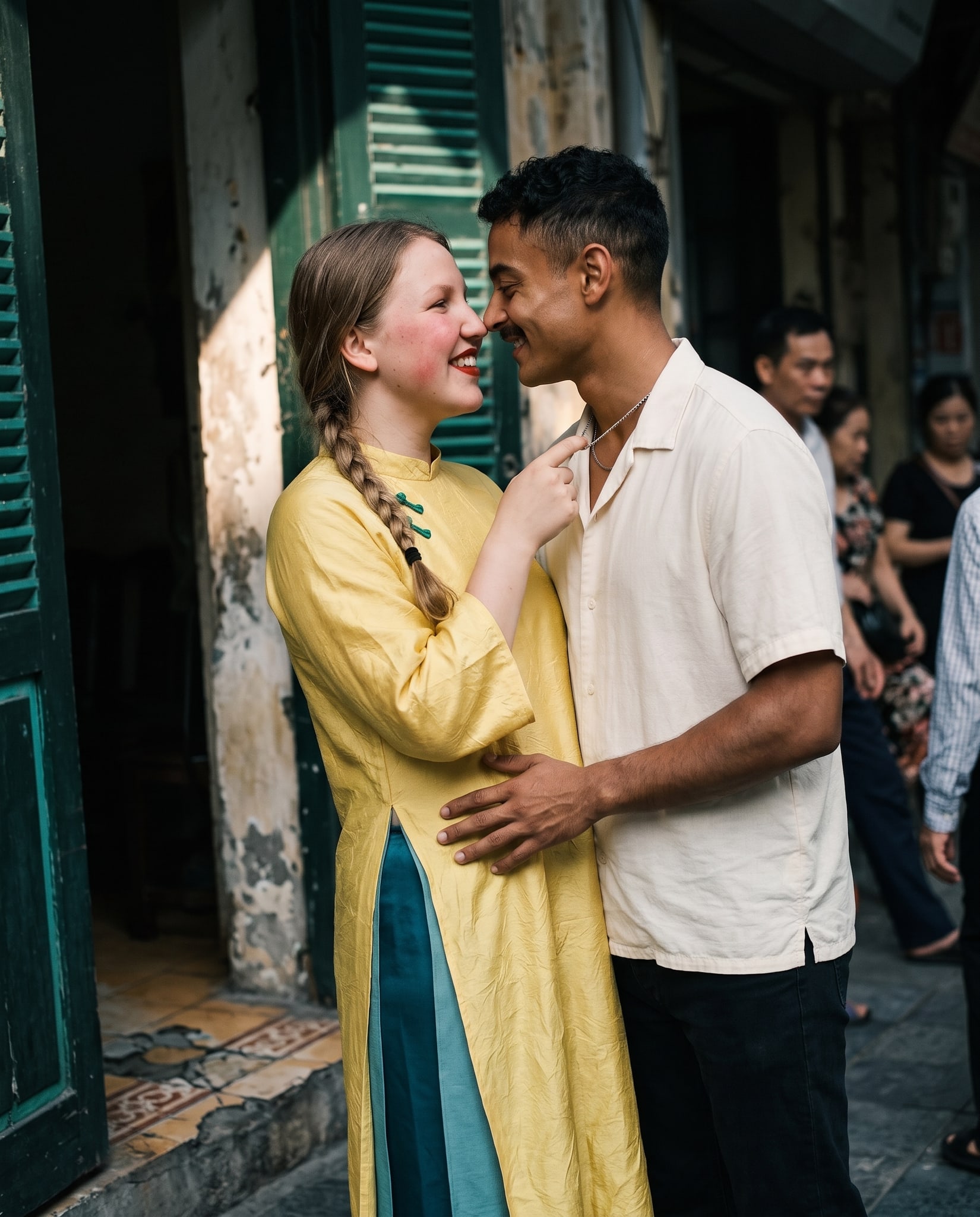
Tet (Lunar New Year, late January or early February) is ao dai season: families wear them to pagodas, ancestral altars, and family dinners. New Year parties, wedding receptions, graduation photo sessions, and formal city strolls all expect ao dai. Casual street wear? No. Nightclub? No. Temple visit or formal family meal? Yes. The garment signals respect for the occasion and the culture. Ao Dai Diaries customers typically rent for Tet celebrations, wedding roles, and guided photo tours in Hanoi, Ho Chi Minh City, Hoi An, and Da Nang—each city offers rentals tuned to local customs and peak-season demand.
How do you know if an ao dai will fit you properly?
A proper fit requires three measurements: bust, waist, and inseam (shoulder to ankle). XS suits bust 32–34 inches; XXL tops out at 48–50 inches. The tunic should hang straight from shoulder to hip, then split symmetrically; the trousers taper gently without pinching. Most rentals include a in-person fitting—you try it on, the stylist adjusts length and tightness on the spot. Same-day fittings are standard in major cities; if you're not near a studio, delivery to your hotel is available. Avoid ordering online from unfamiliar sellers without a fitting: cheap ao dai often pulls across the chest or drags at the hem, ruining photos and causing discomfort for hours. Check the how ao dai rental works guide to understand the fitting process before you book.
What's the difference between silk, cotton, and blend ao dai—and does it matter in January?
| Fabric | Best For | January Feel | Durability | Typical Care |
|---|---|---|---|---|
| Pure silk | Formal Tet dinners, weddings, studio photos | Cool indoors, slips in wind | High; delicate | Dry clean only |
| Cotton blend | Temple visits, casual walks, day photoshoots | Warm, breathable, forgiving | High; machine washable | Gentle wash |
| Linen blend | Daytime events, outdoor temple grounds | Airy, wrinkles easily | Medium; pre-shrunk | Hand wash, line dry |
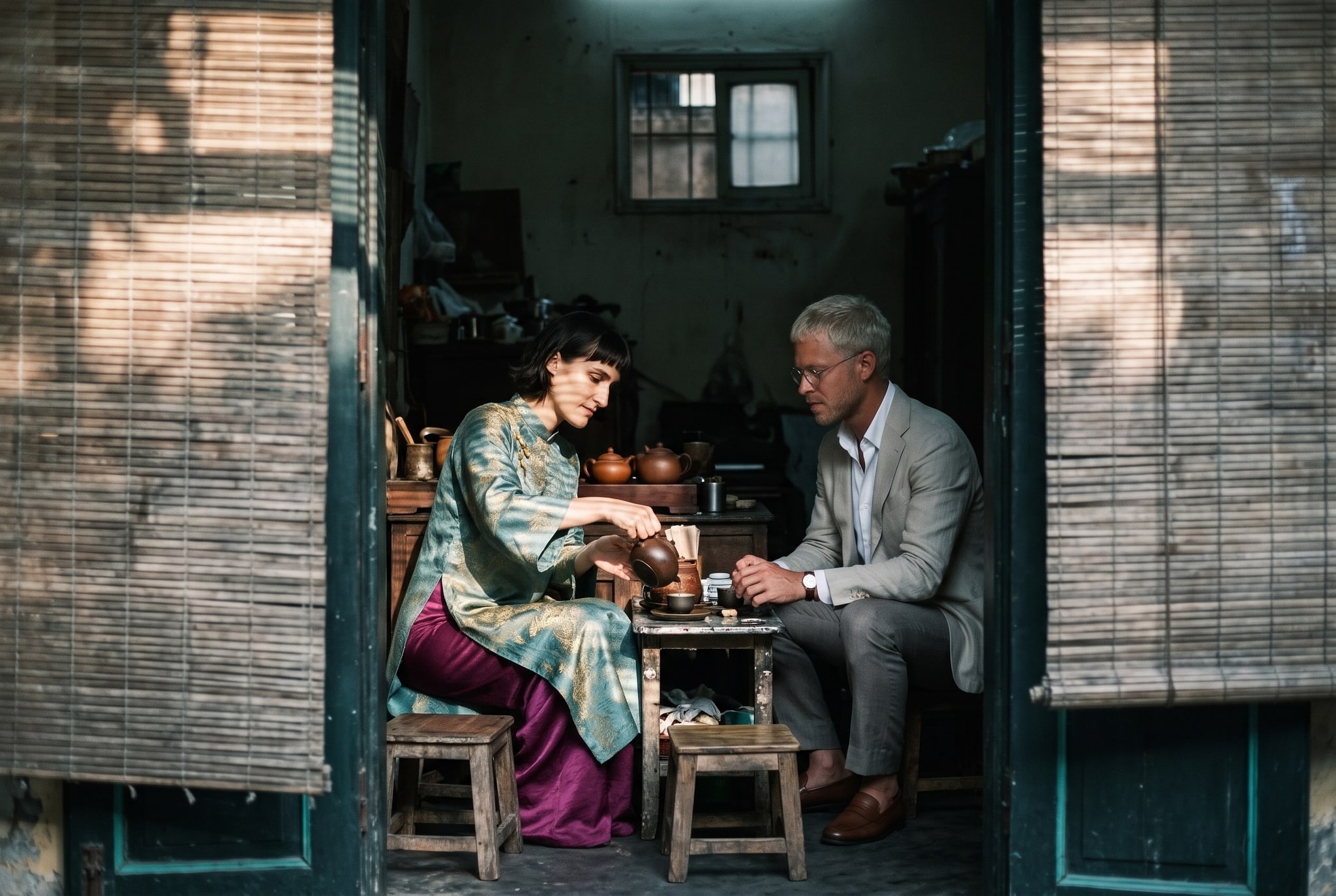
January's mild weather (especially in the south) favors cotton or cotton-silk blends—they don't trap heat like pure silk, and they're more forgiving if you sit, move, or adjust the fit during the day. Silk is stunning for formal evening events and photography under studio lights; cotton-blend is honest, practical, and less prone to damage if you're nervous about rental liability. All rentals from Ao Dai Diaries include a refundable deposit and care instructions; damage from normal wear is covered, intentional tears or stains are charged at cost.
Should you rent or buy an ao dai before a January trip?
Renting makes sense if you visit for 1–4 weeks: no shipping delays, instant fit guarantees, and you hand it back clean. Buying appeals if you plan annual returns, multiple wearing occasions, or custom sizes. Rental prices are lower per-use; a single wear costs roughly a fifth of a purchase. If you're unsure about sizing, body changes, or respect protocols, renting removes financial and cultural risk. Browse ao dai + photoshoot packages to see bundled rental with professional styling and photography—many first-time wearers pair this with a guided tour to learn etiquette and pose naturally.
📸 Ao dai + photoshoot packages
What etiquette should you know before wearing ao dai?
Ao dai is not a costume or "cool exotic outfit"—it is Vietnam's national formal dress, equivalent to a tuxedo or wedding gown in Western culture. Wear it to temples, formal dinners, weddings, graduations, and family gatherings with respect. Never wear it to bars, clubs, beach parties, or for ironic/"funny" photos. Remove your shoes before entering a temple; don't sit on your tunic hem or lounge sprawled across a sofa. Avoid eating messy foods (pho, curries that splash) while wearing it, and ask permission before photos, especially in spiritual settings. Male ao dai (tunic tucked in, simpler cut) differs from female styles—rental studios fit you for the appropriate version. When in doubt, ask your stylist; they're trained to guide both tourists and locals through wearing it correctly.
---
What to check before you book a rental
- Confirm your measurement baseline: bust, waist, inseam (ankle to shoulder). Tell the studio if you're pregnant, recovering from surgery, or have mobility concerns—they'll suggest styles.
- Verify fitting appointment time: book at least 2–3 days ahead during Tet season; same-day fittings are possible but not guaranteed.
- Ask about deposit terms: most rentals hold a refundable card deposit (no charge if returned clean). Clarify damage policy in writing.
- Request care + etiquette brief: real studios include a 5-minute walkthrough on posture, sitting, photos, and temple protocol.
- Check return flexibility: can you extend by a day? What if you leave early? Confirm by chat before paying.
- Get a photo receipt: snap a photo of you in the ao dai before handing it back; protects both you and the studio.
---
👗 Rent your ao dai — WhatsApp/Zalo +84 338 762 340
Browse the full ao dai rental guide for styling tips, hair & makeup pairing, and seasonal fabric breakdowns.
Frequently asked questions
Is January too cold to wear ao dai in Hanoi?
No. January mornings (15–18°C) are cool, not freezing. Ao dai's long sleeves and trousers cover skin; layering a cardigan or scarf underneath adds warmth without disrupting the look. Your stylist can recommend a cotton-blend fabric for insulation.
Can I rent an ao dai with a Tet-specific design or embroidery?
Yes. Premium rentals offer embroidered or silk-brocade versions suitable for Tet celebrations. These are pricier and require a larger deposit. Contact Ao Dai Diaries via WhatsApp to see available styles by city and book early—Tet season fills fast.
What if my ao dai doesn't fit after arrival?
Same-city studios offer free re-fittings within 24 hours of rental. If you're far from the rental location, call WhatsApp/Zalo immediately; they may send a replacement or adjust instructions for emergency tailoring.
Do I need to have my hair and makeup done in a specific style with ao dai?
No, but traditional low buns or soft waves frame the neckline beautifully. Modern braids, half-updos, and loose hair are also worn. Rental packages often include styling consultation; ask for photos of hair ideas when you book.
How long can I keep an ao dai rental?
Standard rental periods are 24, 48, or 72 hours. Some studios offer week-long rentals at discounted rates. Extensions are possible if availability allows; confirm dates before payment.
Is it disrespectful to rent instead of own an ao dai?
No. Renting shows cultural respect and practicality. Many Vietnamese rent for Tet and formal events. Tourists renting with professional guidance and proper etiquette are welcome and respected.
Dozens of colours, all sizes XS–XXL, delivered to your hotel in Hanoi, Saigon, Hoi An or Da Nang. One WhatsApp or Zalo message.
More guides
You might also like
The ao dai is Vietnam's iconic silk dress, worn for celebrations and formal occasions. Ao Dai Diarie
May is Vietnam's hottest month before monsoon season. We'll help you choose the right outfit—whether
December weather in Vietnam is cool and dry—ideal for wearing the ao dai. Here's what suits the seas