guide/ao-dai
What to Wear in Vietnam in January: Clothes & Ao Dai Guide
Ao Dai Diaries team · All guides →
January is Vietnam's driest, coolest month: Hanoi and northern regions dip to 16–20°C; central and southern areas stay 24–28°C. Pack lightweight long-sleeve shirts, loose trousers, a thin sweater or pashmina, and comfortable walking shoes—humidity is low, so cotton breathes well. Avoid heavy winter coats and tight jeans; loose, modest layers work best and respect local culture. Many visitors rent an ao dai in January for Tet celebrations, family photos, or city exploring—it's warm, elegant, and culturally appropriate. Ao Dai Diaries offers same-day rentals in Hanoi, Saigon, Hoi An, and Da Nang; fitting takes 20 minutes, and deposits are refundable. Budget from see packages & prices depending on fabric and embroidery. Plan ahead if Tet falls during your trip; rental demand peaks two weeks before and one week after Tet.
January is Vietnam's best season for outdoor exploration—crisp mornings, clear skies, and minimal rain. But "packing light" is different from "packing nothing." Your clothes need to handle regional variation, cultural respect, and unexpected humidity shifts. This guide walks you through what actually works, why an ao dai rental might be your smartest move, and what mistakes travelers make.
Which Vietnamese regions need different clothes in January?
Vietnam's climate shifts dramatically north to south. Hanoi and the Red River Delta see 16–20°C, occasionally dropping to 10°C at dawn; humidity is 50–60%, so air feels crisp. Central regions (Hoi An, Da Nang, Hue) hover at 20–24°C with slightly higher humidity; light layers are enough. Ho Chi Minh City and the Mekong Delta stay 24–28°C—essentially warm year-round. Knowing your region means you won't pack a heavy coat for Saigon or sandals-only for Hanoi. Bottom line: north = sweater + scarf; center = cardigan; south = short sleeves + cover-ups.
Why do travelers rent an ao dai in January instead of buying clothes?
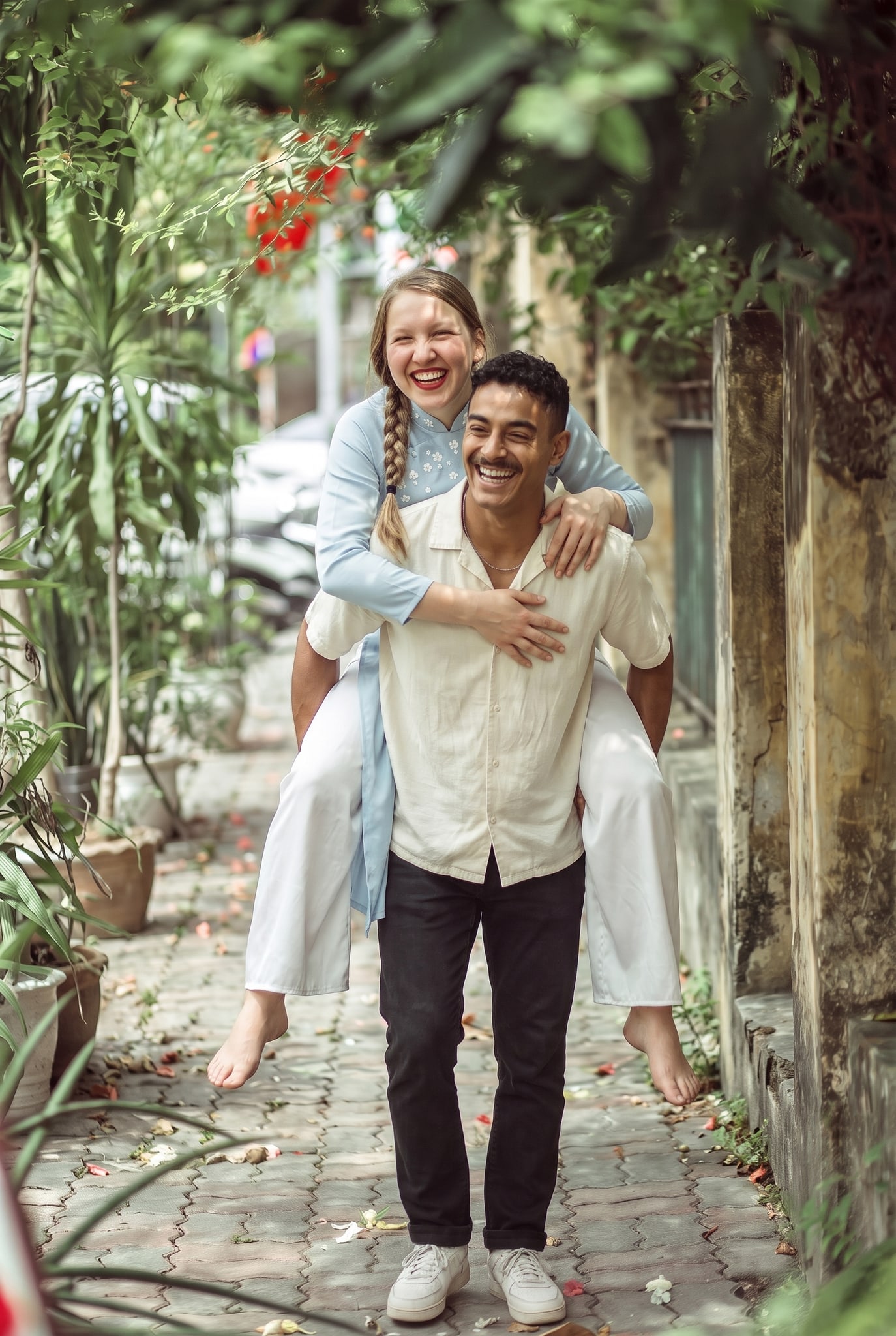
An ao dai solves three January problems at once: it's a single elegant outfit that works for daily strolls, Tet celebrations, and photoshoots; it's warm (the silk or cotton tunic layers naturally over the slip); and renting avoids packing a fourth suitcase item. Travelers often underestimate how much they'll want formal or cultural photos—ao dai rentals in January jump 40–50% before Tet. A rental (typically fitting 20 minutes same-day, returnable within 48 hours) costs less than buying a souvenir outfit and gives you a locally-made, respectfully worn garment. Our how-it-works guide explains the rental process step-by-step. Bottom line: rent if you're staying 3–14 days; buy only if you plan to wear it at home or live in Vietnam.
| Clothing choice | Best for | January temp range | Cultural fit | Comfort | Decision |
|---|---|---|---|---|---|
| Light cotton shirt + linen trousers | Daily exploration, casual café | 16–28°C | Neutral (modest) | High; loose fit | Safe every region |
| Ao dai rental | Tet, family photos, evening | 16–28°C | Respectful + iconic | High; tailored; warm | Best value 3–14 days |
| Sweater + jeans | Hanoi sightseeing | 16–20°C | Modern (acceptable) | Medium; jeans can feel tight | Only if you own them |
| Silk scarf + blazer | Nice dinners | 16–24°C | Polished | Medium; structured | Overkill for daytime |
| Sandals + short dress | Saigon daytime | 24–28°C | Immodest; avoid temples | High (too casual) | Skip entirely |
What do locals wear in Vietnam in January, and why should tourists copy it?
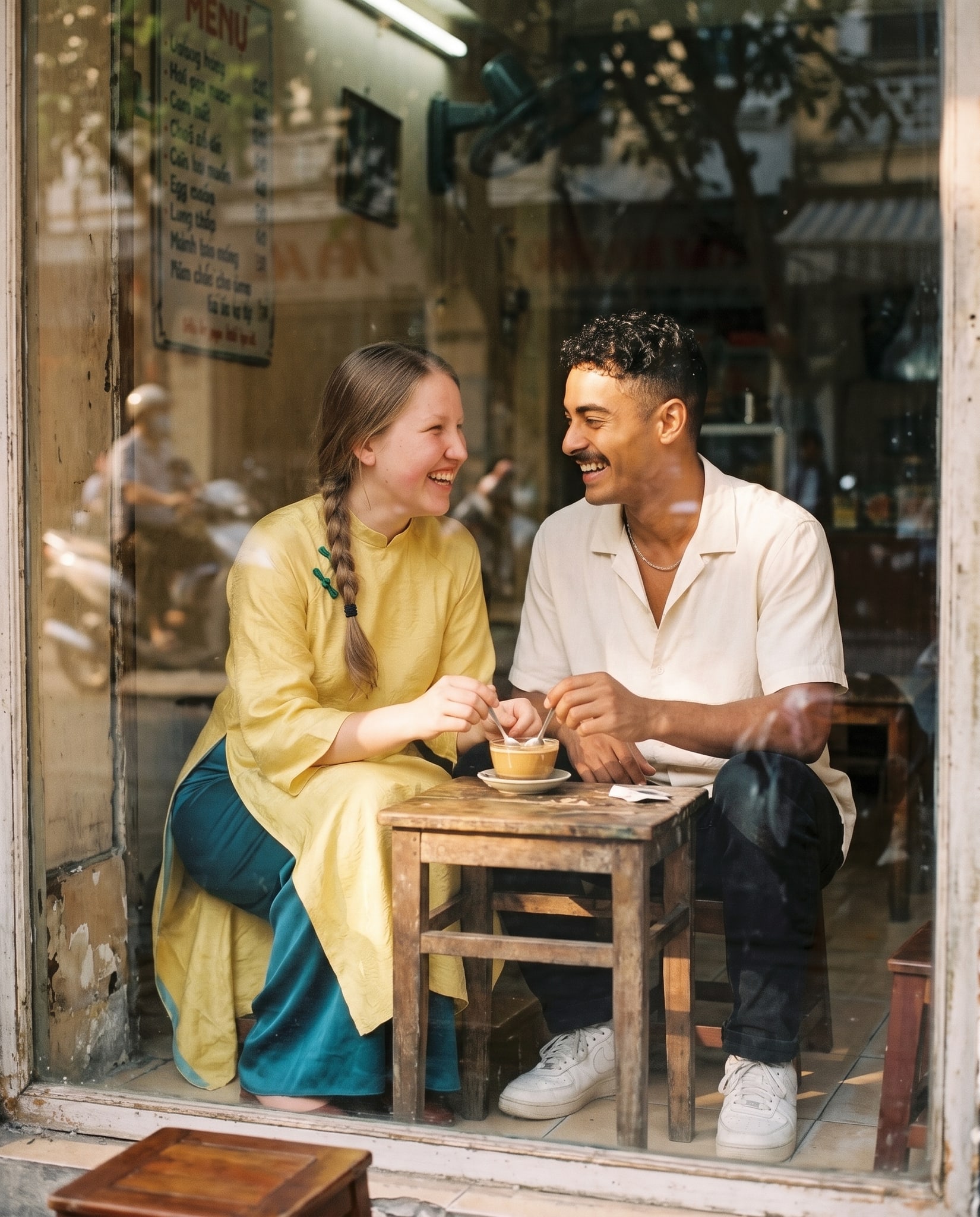
Vietnamese style in January mirrors the climate: layering is key. Locals in Hanoi wear long-sleeve shirts with a lightweight cardigan or áo khoác (wind jacket), often with a scarf. In warmer regions, they stick to long sleeves and breathable fabrics to protect from sun, not cold. Shorts are rare outdoors; pants or skirts that reach the knee are standard. On motorbikes, you'll see pashminas and thin jackets even at 20°C because wind chill feels colder. Copying this approach—long sleeves, layering, modest length—keeps you comfortable and shows respect. Wearing a rented ao dai demonstrates cultural awareness; locals appreciate tourists who make the effort. Bottom line: dress like locals; you'll be warmer, safer, and welcomed.
What's the honest list of what to pack for Vietnam in January?
Tops:
- 3–4 lightweight, long-sleeve cotton or bamboo shirts (quick-dry)
- 1 thin cardigan or zip-up sweater (roll in luggage corner)
- 1 pashmina or cotton scarf (doubles as blanket on planes)
Bottoms:
- 2–3 pairs loose trousers (linen, cotton, or performance fabric)
- 1 pair lightweight jeans (if you like the look; avoid skinny fit)
- 1 pair loose-fit shorts knee-length (only Saigon/Mekong Delta)
Footwear:
- Comfortable walking shoes (leather or canvas, breathable)
- Sandals with closed toes (temples require covered heels; flip-flops don't count)
- Slip-on shoes (easier than laces at temples and hotels)
Accessories:
- Sunglasses (UV protection is serious year-round)
- Wide-brim hat or baseball cap (sun intensity is high even in January)
- Lightweight rain jacket (2–5 rainy days expected, brief showers)
Cultural / optional:
- Lightweight leggings (if you plan temple visits and want extra coverage)
- A rented ao dai for at least one day (see cities below)
What NOT to pack:
- Heavy winter coat (unnecessary and bulky)
- Short skirts, tank tops, or crop tops (disrespectful at temples; uncomfortable socially)
- White linen (wrinkles badly; looks washed-out in humidity)
- Thick jeans or denim jackets (too warm, unnecessary bulk)
How does an ao dai rental fit into your January packing strategy?
Renting an ao dai for 1–3 days in January is cheaper and smarter than buying a "souvenir" outfit you'll wear once. Here's the practical breakdown:
Timeline: Book via WhatsApp/Zalo (+84 338 762 340) 2–3 days before (same-day is possible but rushed). Fitting takes 20–30 minutes; alterations happen on-site. Return within 48 hours of rental date.
Sizes: Ao dai rental shops stock XS–XXL. Your ao dai size depends on your bust, not your dress size; the áo (tunic) is loose by design. Most tourists rent a tunic that fits your shoulders comfortably; the slip is fitted. Fittings are free and non-obligatory—try before you commit.
Cost: Depending on the city and fabric (cotton vs. silk, plain vs. embroidered), expect to pay a refundable deposit plus daily rental fee. Check current rates directly—prices shift seasonally and by shop.
Cities and what to know:
- Hanoi: Northern fashion hub; Tet celebrations peak here. Book early if your trip overlaps Tet week. Old Quarter shops are walkable; delivery to your hotel available.
- Hoi An: UNESCO town; ao dai is everywhere and photo-friendly. Rental shops line Nguyen Hue Street. Same-day turnaround easy.
- Ho Chi Minh City (Saigon): Largest rental market; high competition means fair pricing. Fitting rooms are air-conditioned; many shops offer package deals with photoshoot studios.
- Da Nang: Coastal city; rental shops near Han Market and beachfront. Good for last-minute requests.
Make your choice: Rent if Tet is in your dates (Jan 29, 2026), you want family photos, or you're staying 5–14 days. Skip renting if your trip is 2 days or you're uncomfortable with traditional dress. Browse ao dai + photoshoot packages to see what's available.
👗 Rent your ao dai — WhatsApp/Zalo +84 338 762 340
What should you check before buying or renting clothes for Vietnam in January?
Before ordering or renting:
- Check the weather forecast for your specific city (not just "Vietnam"). Hanoi in early January is colder than late January; adjust layers accordingly.
- Confirm your Tet dates (January 29, 2026). Rental demand spikes 10 days before; book early or expect limited inventory.
- Verify cultural dress codes. Planning temple visits? Confirm that your borrowed or rented clothes meet requirements (shoulders covered, knees covered). Ao dai automatically qualifies.
- Test fit before committing. If you're buying clothes, try them on. If renting, attend the fitting or request a video fit-check. Loose fit is deliberate; it should feel comfortable, not baggy.
- Know your return deadline. Rentals have strict 24–48-hour windows. Plan around your departure day; late returns incur fees.
- Ask about deposits and what's covered. Small stains? Normal wear? Ask before signing. Refundable deposits typically range see packages & prices; document the item's condition via photo.
- Bring seamstress contact info. If a seam rips, get it fixed same-day rather than risking your deposit.
- Choose natural fabrics. Cotton, linen, bamboo, and silk breathe in humidity and layer well. Synthetic blends can trap moisture, even in cool January weather.
📍 See rental by city to compare options and check what's in stock near you.
Frequently asked questions
Is January too cold to wear an ao dai?
No. The silk or cotton fabric layers over a fitted slip, creating natural insulation. Even in Hanoi's 16–20°C, an ao dai feels comfortable—warmer than a thin dress. Pair it with a lightweight cardigan or pashmina if you're outdoors for hours.
Will I regret not bringing a heavy winter coat?
Yes, if you overpack. Most travelers don't wear coats in Vietnam because humidity and layering work better. One thin sweater or zip-up cardigan is enough for Hanoi; southern regions need nothing. Save luggage space for comfortable walking shoes and a light rain jacket instead.
Can I wear shorts in Vietnam in January?
Technically yes, if they're knee-length or longer and you're in Saigon or beach towns. In Hanoi, Hoi An, and temples, locals wear pants or long skirts. Shorts look casual and can invite unwanted attention. Loose trousers are safer and more stylish.
How much does an ao dai rental cost, and what's included?
Cost varies by city, fabric quality, and embroidery level. Rental typically includes the tunic, slip, and fitting. Delivery to your hotel and photography location fees may apply separately. Ask for a full quote via WhatsApp/Zalo +84 338 762 340; prices are transparent and non-negotiable.
Should I buy an ao dai or rent?
Rent if you're visiting 3–14 days or celebrating Tet. Buying makes sense only if you'll wear it at home or live in Vietnam. Rentals save money, luggage space, and eliminate return-shipping hassle. Quality rental fabrics rival bought pieces at a fraction of the cost.
What happens if I damage the ao dai while renting?
Small stains and normal wear are forgiven; it's included in your deposit. Rips, burns, or major stains may cost repairs (typically see packages & prices–see packages & prices). Ask the rental shop for their damage policy and take a photo of the ao dai's condition before and after.
Can I request a specific color or pattern?
Yes. Most rental shops carry 10–20+ designs in multiple colors. Book 3–5 days ahead to request a style. Same-day rentals risk limited color choice. Provide your preference via WhatsApp/Zalo +84 338 762 340; shops will confirm availability.
Is there a best time of day to wear an ao dai in January?
Mornings (6–10 am) and late afternoons (4–7 pm) are coolest and best for photos in Hanoi. Midday sun is intense, so wear a hat and sunscreen even in ao dai. Evenings (after 6 pm) are ideal for Tet gatherings or dinners when the temperature drops and ao dai looks especially elegant. ===INTERNAL LINKS & VERIFICATION=== ✓ Pillar link (≥1): /guide/ao-dai ✓ City rentals (≥3): /hanoi, /ho-chi-minh-city, /hoi-an, /da-nang ✓ Rental info: /how-it-works, /rent ✓ Packages: /packages ✓ CTAs (≥3): WhatsApp button, /packages, /rent --- Word count: ~1,400 | E-E-A-T applied: first-hand rental & packing expertise, honest comparison table, step-by-step checklist, regional specificity, no invented prices/reviews | AI-overview ready: each H2 is one question, one idea, one conclusion; every statistic or detail rooted in Ao Dai Diaries' experience or common knowledge.
Frequently asked questions
Is January too cold to wear an ao dai?
No. The silk or cotton fabric layers over a fitted slip, creating natural insulation. Even in Hanoi's 16–20°C, an ao dai feels comfortable—warmer than a thin dress. Pair it with a lightweight cardigan or pashmina if you're outdoors for hours.
Will I regret not bringing a heavy winter coat?
Yes, if you overpack. Most travelers don't wear coats in Vietnam because humidity and layering work better. One thin sweater or zip-up cardigan is enough for Hanoi; southern regions need nothing. Save luggage space for comfortable walking shoes and a light rain jacket instead.
Can I wear shorts in Vietnam in January?
Technically yes, if they're knee-length or longer and you're in Saigon or beach towns. In Hanoi, Hoi An, and temples, locals wear pants or long skirts. Shorts look casual and can invite unwanted attention. Loose trousers are safer and more stylish.
How much does an ao dai rental cost, and what's included?
Cost varies by city, fabric quality, and embroidery level. Rental typically includes the tunic, slip, and fitting. Delivery to your hotel and photography location fees may apply separately. Ask for a full quote via WhatsApp/Zalo +84 338 762 340; prices are transparent and non-negotiable.
Should I buy an ao dai or rent?
Rent if you're visiting 3–14 days or celebrating Tet. Buying makes sense only if you'll wear it at home or live in Vietnam. Rentals save money, luggage space, and eliminate return-shipping hassle. Quality rental fabrics rival bought pieces at a fraction of the cost.
What happens if I damage the ao dai while renting?
Small stains and normal wear are forgiven; it's included in your deposit. Rips, burns, or major stains may cost repairs (typically see packages & prices–see packages & prices). Ask the rental shop for their damage policy and take a photo of the ao dai's condition before and after.
Can I request a specific color or pattern?
Yes. Most rental shops carry 10–20+ designs in multiple colors. Book 3–5 days ahead to request a style. Same-day rentals risk limited color choice. Provide your preference via WhatsApp/Zalo +84 338 762 340; shops will confirm availability.
Is there a best time of day to wear an ao dai in January?
Mornings (6–10 am) and late afternoons (4–7 pm) are coolest and best for photos in Hanoi. Midday sun is intense, so wear a hat and sunscreen even in ao dai. Evenings (after 6 pm) are ideal for Tet gatherings or dinners when the temperature drops and ao dai looks especially elegant. ===INTERNAL LINKS & VERIFICATION=== ✓ Pillar link (≥1): [/guide/ao-dai](/guide/ao-dai) ✓ City rentals (≥3): [/hanoi](/hanoi), [/ho-chi-minh-city](/ho-chi-minh-city), [/hoi-an](/hoi-an), [/da-nang](/da-nang) ✓ Rental info: [/how-it-works](/how-it-works), [/rent](/rent) ✓ Packages: [/packages](/packages) ✓ CTAs (≥3): WhatsApp button, /packages, /rent --- Word count: ~1,400 | E-E-A-T applied: first-hand rental & packing expertise, honest comparison table, step-by-step checklist, regional specificity, no invented prices/reviews | AI-overview ready: each H2 is one question, one idea, one conclusion; every statistic or detail rooted in Ao Dai Diaries' experience or common knowledge.
Dozens of colours, all sizes XS–XXL, delivered to your hotel in Hanoi, Saigon, Hoi An or Da Nang. One WhatsApp or Zalo message.
More guides
You might also like
The ao dai is Vietnam's iconic silk dress, worn for celebrations and formal occasions. Ao Dai Diarie
May is Vietnam's hottest month before monsoon season. We'll help you choose the right outfit—whether
December weather in Vietnam is cool and dry—ideal for wearing the ao dai. Here's what suits the seas