guide/ao-dai
What to Wear in Vietnam in January Female: Ao Dai vs. Casual Guide
Ao Dai Diaries team · All guides →
January in Vietnam (temperatures 15–22°C in the north, 20–25°C in the south) requires lightweight layers, breathable fabrics, and modest coverage. Foreign women should wear loose trousers or skirts, long-sleeved shirts, and a light cardigan or scarf; locals favor jeans and hoodies. The ao dai—Vietnam's silhouette-skimming traditional dress—works beautifully here: rent one from Ao Dai Diaries for photoshoots, temple visits, or cultural events. Most rentals cost from mid-range to premium tiers depending on fabric (silk, cotton blends) and customization; include fitting (sizes XS–XXL), same-day pickup or hotel delivery, and a deposit held during wear. Avoid overly casual beachwear in cities, and never wear disrespectful or transparent clothing near sacred sites.
January is peak season for visiting Vietnam: dry weather, comfortable humidity, and minimal rain make it the easiest month to pack light and move freely. If you're a foreign woman traveling solo or with family, the challenge is balancing comfort, cultural respect, and Instagram-worthy moments. This guide walks you through everyday wear, formal occasions, and when a rented ao dai becomes not just a wardrobe choice but a gateway to deeper connection with Vietnamese culture.
Why does January weather in Vietnam affect what women should wear?
Vietnam's north and south have opposite seasonal patterns. In January, Hanoi and northern regions sit at 15–18°C (daytime 20–22°C); Ho Chi Minh City, Da Nang, and Hoi An range 20–25°C. This coolness is deceptive: indoor air-conditioning often drops to 16°C, requiring a layer you can shed. The air is dry and dust levels vary by city (Saigon tends to be hazier). Humidity hovers around 70%, making natural fabrics breathable but still clinging slightly. This month is ideal for wearing structured garments like the ao dai, which flows without clinging, and for layering without looking bulky in photos.
👗 Rent your ao dai — WhatsApp/Zalo +84 338 762 340
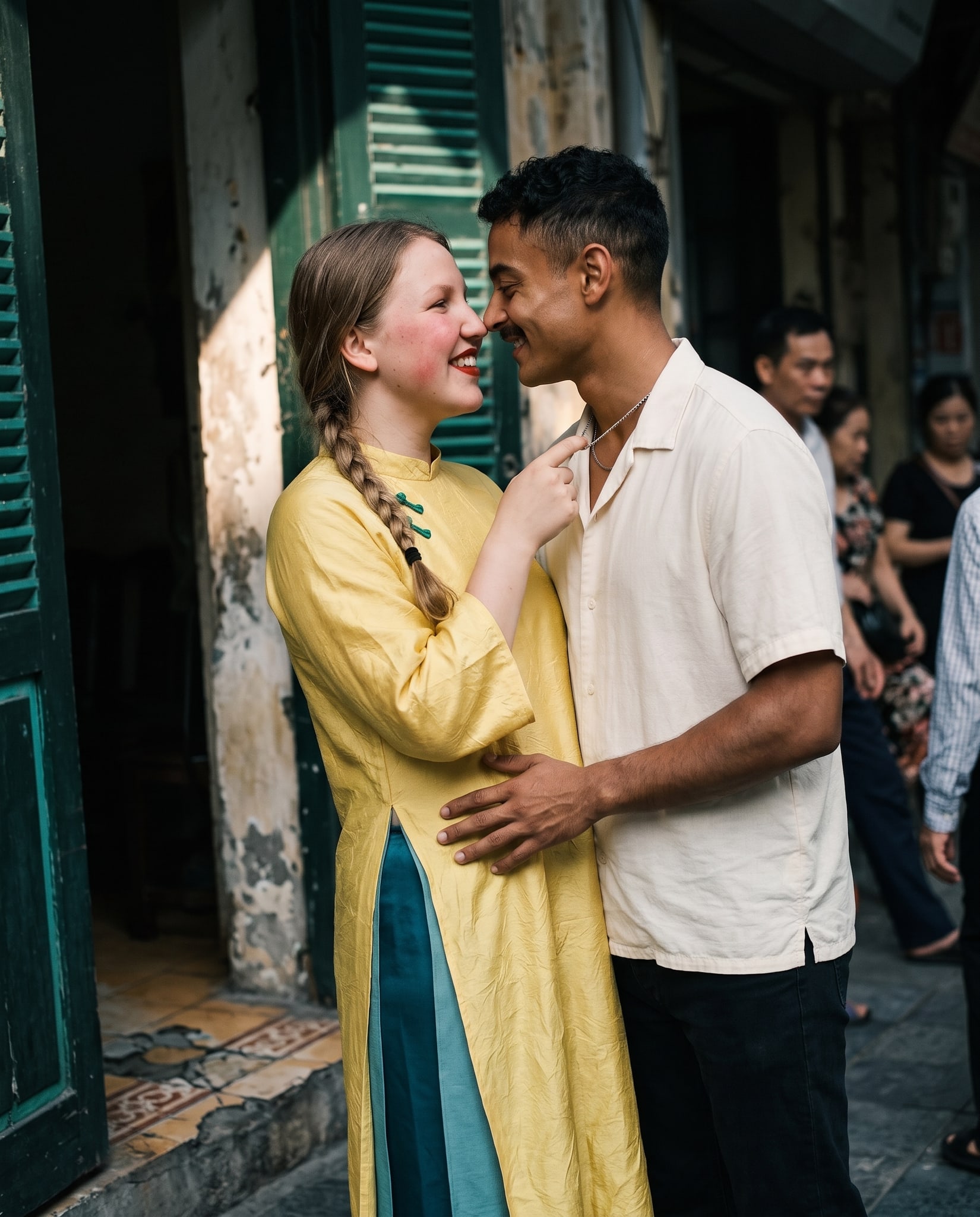
What does a January ao dai outfit include, and who should rent?
A full ao dai rental includes the tunic (áo), high-waisted trousers (quần), a silk underdress, and often a matching optional over-jacket. Fabric choices vary: cotton-silk blends (breathable, wrinkle-resistant) suit everyday strolls; pure silk suits formal dinners or photoshoots. Sizes range XS to XXL, with custom fitting available in major cities. The rental process at Ao Dai Diaries works like this: you book online or via WhatsApp, provide measurements (chest, waist, height, inseam), visit a fitting (1–2 hours in Hanoi, Saigon, Hoi An, Da Nang, or receive home delivery to your hotel), try on options, pay a deposit, and wear for your chosen time (usually a few hours to all day). Return same-day or arrange extended rental. This option appeals to tourists wanting an authentic photoshoot or cultural immersion, plus Vietnamese-heritage visitors seeking a formal outfit for Tet celebrations or family events without buying. First-timers often underestimate how transformative the fit is; a well-fitted ao dai flatters most body types and photographs remarkably well.
📍 See rental by city
How do ao dai rentals compare to buying casual January wear?
| Option | Who it's for | Cost basis | Durability | January fit |
|---|---|---|---|---|
| Rented ao dai | Tourists, photoshoots, formal events, heritage celebrations | Per-wear (a few hours to full day) | N/A — returned same-day | Perfect: culturally appropriate, breathable silk/cotton, structured |
| Casual trousers + long-sleeve shirt | Budget travelers, daily sightseeing | Roughly see packages & prices per item | Wear repeatedly; pack 3–4 outfits | Good: practical, layerable, no cultural significance |
| Leggings + tunic + cardigan | Comfort-focused, minimalist packers | Roughly see packages & prices per outfit | Mix-and-match; 2–3 combos | Good: flexible, warm enough, casual vibes |
| Bought ao dai | Heritage seekers, extended stays, resellers | Higher upfront (silk premium); no rental option | Years if well-maintained | Excellent: permanent, custom fit, investment piece |
The decision hinges on your trip length, budget, and intention. A three-week visitor with photoshoot plans and formal dinners benefits from one or two ao dai rentals. A backpacker on a tight budget makes do with layered casual wear. A Vietnamese-American returning for Tet and planning a family portrait session books an ao dai rental at Ao Dai Diaries in advance and may even consider buying later.
What are the practical steps for renting an ao dai in January?
Step 1: Decide your occasion. Photoshoot, temple tour, dinner, Tet celebration, graduation? This choice narrows fabric and style.
Step 2: Measure yourself accurately. Use a soft measuring tape. You need: chest (fullest part, relaxed), waist (natural waist, relaxed), shoulder width, sleeve length (wrist bone to shoulder), full height, and inseam (hip bone to ankle, inside leg). Most rental shops provide a measurement guide; send photos or measurements via WhatsApp/Zalo +84 338 762 340.
Step 3: Book and confirm fit. Reserve your rental 3–5 days ahead if possible. Schedule a fitting appointment in your city: Hanoi, Ho Chi Minh City/Saigon, Hoi An, or Da Nang. Many visitors also book ao dai + photoshoot packages, which pair rental with a professional photographer at iconic sites (temples, gardens, riverside).
Step 4: Try on and adjust. Arrive 30–45 minutes before your pickup time. The tunic should sit just at your hip, not bunch at the armpit or pull across the chest. The trousers should break slightly at your ankle, not pool or ride too high. The underdress keeps the outer layer flowing without clinging to your body.
Step 5: Pay the deposit and collect. Most rentals require a refundable deposit (held during wear, returned upon return in good condition). Confirm return time, pickup, and care instructions. Ask about insurance if offered.
Step 6: Return and celebrate. Same-day return is standard. If you've booked a photoshoot, your photographer will advise on location and timing; combine your rental with package bookings for seamless logistics.
📸 Ao dai + photoshoot packages
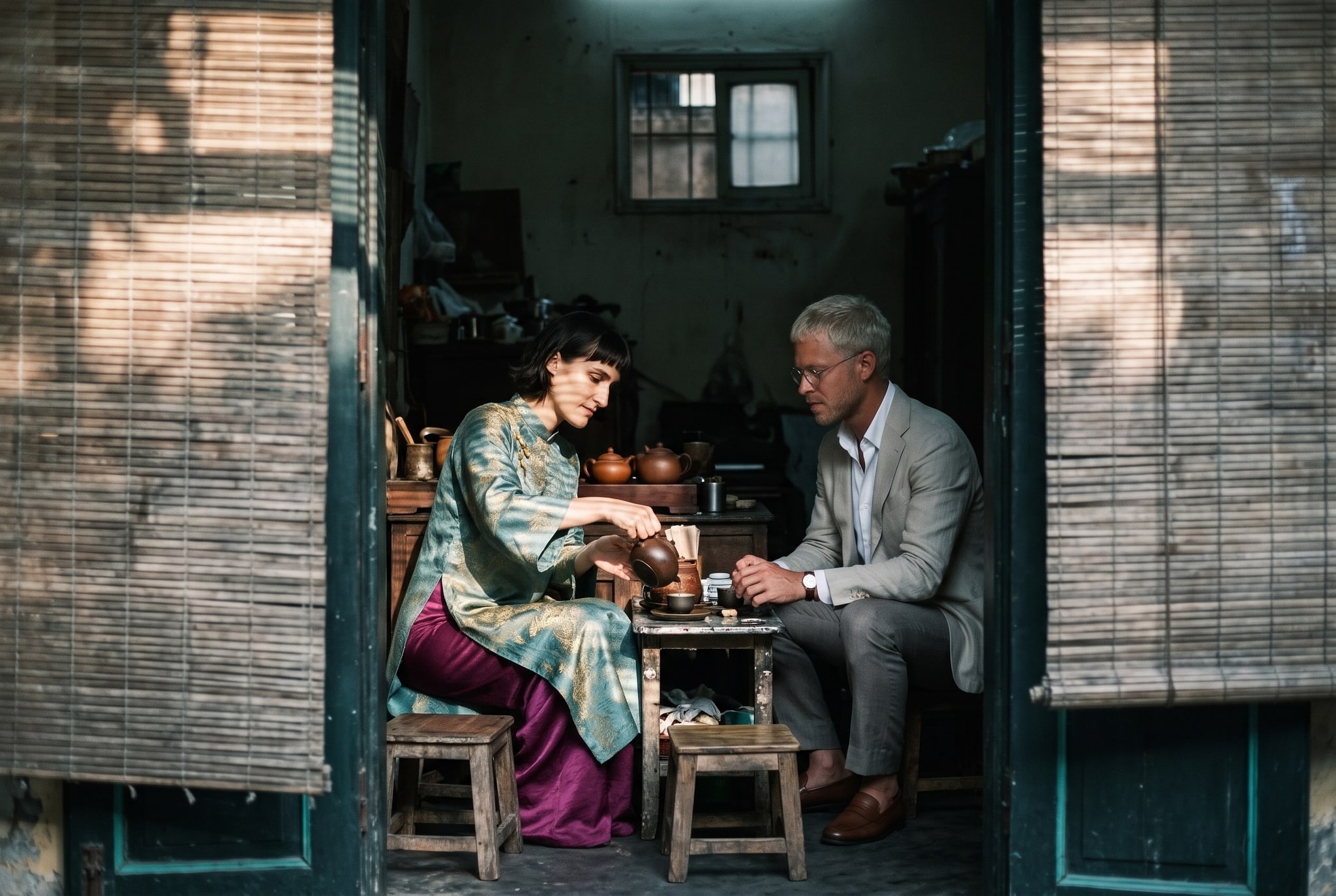
What should women avoid wearing in Vietnam in January?
Disrespect comes not from bare shoulders alone but from intent and context. Here's what travelers and locals flag:
- Sheer or transparent clothing near temples. Even accidental see-through fabrics—due to bright sunlight—can feel disrespectful. Wear an underdress or bra with any sheer layer.
- Overly tight or revealing clothes in formal settings. Dinner parties, family events, or business meetings call for modest coverage. The ao dai solves this naturally.
- Swimwear outside the beach. Bikinis in city centers or public markets are jarring and disrespectful; cover up on streets.
- Casual gym wear (visible leggings, sports bra tops) in markets or temples. Locals wear structured clothing; sportswear reads as dismissive.
- Extremely short shorts or miniskirts. Knee-length or below is the safe guideline. Many Vietnamese women in cities wear midi skirts or full-length trousers, especially in January when it's cool enough.
- Hats indoors (temples, homes, some restaurants). Remove hats when entering sacred spaces; shoes too, if requested.
The ao dai sidesteps all these worries. It's inherently modest, elegant, and signals respect without sacrifice of style or comfort. If you're unsure, ask your rental stylist—they know local norms and can steer you toward appropriate choices.
How does ao dai fit into your broader January wardrobe strategy?
Pack versatile basics: two pairs of well-fitting dark jeans, one pair of neutral trousers, three long-sleeved breathable tops (cotton or linen blends), one cardigan or lightweight blazer, and a scarf (doubles as a shawl and modest cover). Add one ao dai rental for your highlight moment—a photoshoot, temple visit, or formal dinner. This minimalist approach lets you mix pieces, repeat outfits without looking sloppy, and save luggage space. Shoes: comfortable walking shoes (sneakers or supportive flats), one pair of loafers for dinners, and sandals for casual cafes. A lightweight crossbody bag or backpack keeps hands free for exploring. In January, you won't need a heavy coat, but a water-resistant outer layer helps if rain surprises you (unlikely but possible). For photoshoots or formal nights, the ao dai becomes your statement piece—no need to pack elaborate dresses when one rental covers that role beautifully.
👗 Rent your ao dai — WhatsApp/Zalo +84 338 762 340
What to check before you rent or buy
- Measurement accuracy. Re-measure after confirming your booking; even small differences shift comfort and camera appearance.
- Fabric content and care. Ask if your rental is silk, cotton, or blended; blends are lower-maintenance and often more forgiving for first-timers.
- Fitting appointment timing. Don't book a fitting 2 hours before your photoshoot; allow buffer time for adjustments.
- Return condition expectations. Ask which wear-and-tear is normal vs. chargeable. Most shops allow light wear; stains or rips incur fees.
- Color and style options. Request photos of available styles (traditional vs. modern cuts, solid vs. embroidered). Bright jewel tones photograph beautifully; pastels suit spring vibes.
- Weather on rental day. January is dry, but confirm no unexpected rain forecasted; wet ao dai is heavy and photographically challenging.
Frequently asked questions
Can I wear a rented ao dai to a wedding in Saigon in January?
Yes. Ao dai is the formal dress code for many Vietnamese weddings. Confirm with the host whether you should rent traditional or modern cut; provide your measurements 1–2 weeks ahead to Ho Chi Minh City rental and request a return time that aligns with your departure from the venue.
Is 20°C too cold for an ao dai without a jacket?
The ao dai's layers (tunic + underdress + trousers) provide warmth similar to wearing a structured dress and tights. You'll feel cool but not cold during daytime wear. For evening events or early mornings, bring a silk scarf or cardigan to drape or carry.
How long does a typical ao dai rental take from booking to wearing?
Express bookings in major cities (Hanoi, Saigon, Hoi An, Da Nang) can fit within 24–48 hours if you provide accurate measurements and confirm availability. Photoshoot packages may add 1–3 days for photographer scheduling. Plan ahead when possible—5–7 days leaves room for custom adjustments.
Can I rent an ao dai if I'm plus-size (XXL)?
Yes. Ao Dai Diaries offers sizes XS to XXL; fitting accommodates most body types and builds custom proportions if needed. Ask your stylist about plus-size-specific silhouettes during booking; the ao dai's loose cut flatters many frames when tailored correctly.
Do I need to buy special shoes to wear with a rented ao dai?
No. Flat shoes (loafers, ballet flats, sandals) or low heels complement the ao dai beautifully. Avoid heavy hiking boots or clunky sneakers. If you're unsure, ask your rental stylist for recommendations; many visitors wear shoes they already own.
What is the typical cost difference between renting and buying an ao dai?
A rental per-wear costs less than a new top or dress. A silk ao dai purchased ranges significantly higher than one rental. If you visit Vietnam once, rent. If you return often or plan frequent formal events, buying makes sense—ask our team via WhatsApp/Zalo +84 338 762 340 for buying guidance and trusted seamstresses.
Frequently asked questions
Can I wear a rented ao dai to a wedding in Saigon in January?
Yes. Ao dai is the formal dress code for many Vietnamese weddings. Confirm with the host whether you should rent traditional or modern cut; provide your measurements 1–2 weeks ahead to [Ho Chi Minh City rental](/ho-chi-minh-city) and request a return time that aligns with your departure from the venue.
Is 20°C too cold for an ao dai without a jacket?
The ao dai's layers (tunic + underdress + trousers) provide warmth similar to wearing a structured dress and tights. You'll feel cool but not cold during daytime wear. For evening events or early mornings, bring a silk scarf or cardigan to drape or carry.
How long does a typical ao dai rental take from booking to wearing?
Express bookings in major cities (Hanoi, Saigon, Hoi An, Da Nang) can fit within 24–48 hours if you provide accurate measurements and confirm availability. Photoshoot packages may add 1–3 days for photographer scheduling. Plan ahead when possible—5–7 days leaves room for custom adjustments.
Can I rent an ao dai if I'm plus-size (XXL)?
Yes. Ao Dai Diaries offers sizes XS to XXL; fitting accommodates most body types and builds custom proportions if needed. Ask your stylist about plus-size-specific silhouettes during booking; the ao dai's loose cut flatters many frames when tailored correctly.
Do I need to buy special shoes to wear with a rented ao dai?
No. Flat shoes (loafers, ballet flats, sandals) or low heels complement the ao dai beautifully. Avoid heavy hiking boots or clunky sneakers. If you're unsure, ask your rental stylist for recommendations; many visitors wear shoes they already own.
What is the typical cost difference between renting and buying an ao dai?
A rental per-wear costs less than a new top or dress. A silk ao dai purchased ranges significantly higher than one rental. If you visit Vietnam once, rent. If you return often or plan frequent formal events, buying makes sense—[ask our team via WhatsApp/Zalo +84 338 762 340](https://wa.me/84338762340) for buying guidance and trusted seamstresses.
Dozens of colours, all sizes XS–XXL, delivered to your hotel in Hanoi, Saigon, Hoi An or Da Nang. One WhatsApp or Zalo message.
More guides
You might also like
The ao dai is Vietnam's iconic silk dress, worn for celebrations and formal occasions. Ao Dai Diarie
May is Vietnam's hottest month before monsoon season. We'll help you choose the right outfit—whether
December weather in Vietnam is cool and dry—ideal for wearing the ao dai. Here's what suits the seas