guide/ao-dai
What to Wear in Vietnam in March Female: Ao Dai + Comfort Guide
Ao Dai Diaries team · All guides →
March in Vietnam averages 24–28°C with high humidity and scattered rain. Female travelers need lightweight cotton, linen, or moisture-wicking synthetics that dry fast. Tight jeans trap heat; loose pants, skirts, and dresses breathe better. A traditional ao dai (Vietnam's floor-length silk tunic worn over trousers) is perfect for temples, weddings, Tet celebrations, or photoshoots—it's respectful, cooling, and stunning on camera. Ao Dai Diaries rents ao dai by city (Hanoi, Saigon, Hoi An, Da Nang) in sizes XS–XXL, with same-day fitting and hotel delivery. Most rentals include tailoring to your exact height. Budget for layering: a cardigan or lightweight scarf handles chilly cafés and air-conditioning. Avoid nylon, dark colors that absorb heat, and overly tight silhouettes; prioritize natural fibers and loose cuts. ---
Why March in Vietnam Requires Specific Clothing Choices
March sits between cool-season (January–February) and hot-season (May–September) weather. Daytime temperature hovers around 25–28°C; humidity runs 70–80%. Rain arrives unpredictably—some days are dry and bright, others see afternoon showers lasting 1–2 hours. This unpredictability makes single, heavy pieces risky. Female travelers often overpack thinking they'll need "hot weather clothes," then shiver in heavily air-conditioned hotels and restaurants. The smarter approach: lightweight layers and quick-dry fabrics that transition from humid streets to chilly indoors without bulk. Natural fibers (cotton, linen, silk) let skin breathe and dry faster than synthetics; loose cuts prevent sweat pooling and chafing during long days of sightseeing.
---
What Fabrics Work Best for Female Travelers in March?
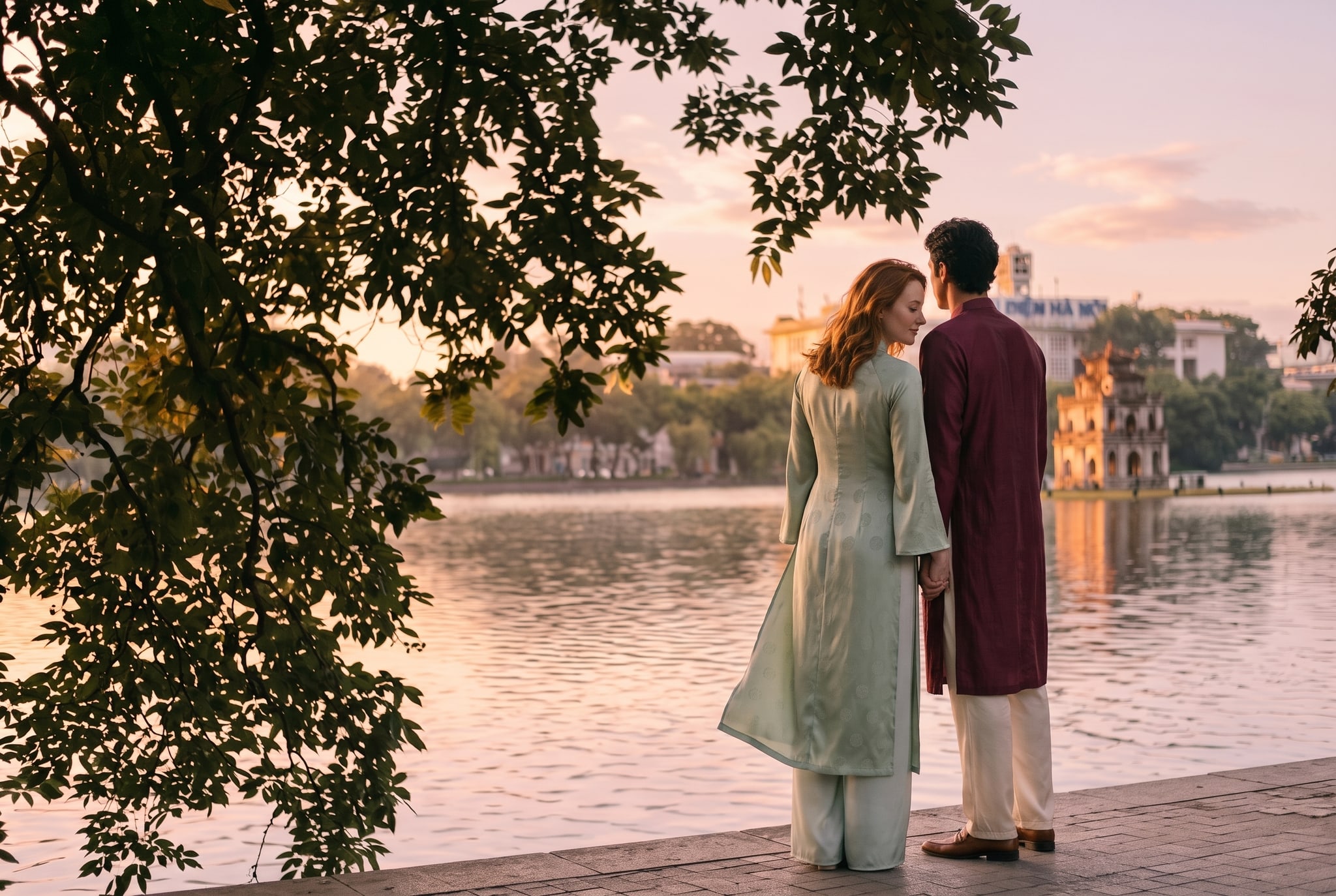
Cotton and linen are your foundation. Cotton breathes naturally and absorbs sweat; linen dries even faster and wrinkles less than people assume if you choose mid-weight blends. Silk is luxurious but pricier and requires gentle washing—ideal for special dinners or ao dai rentals, where the garment is already maintained by professionals. Avoid nylon, polyester blends, and heavy denim; they trap heat and humidity against your skin. Moisture-wicking synthetics (polyester microfiber, nylon-spandex blends) work if labeled "breathable" or "fast-dry," but they don't feel as cool as natural fibers. For a photoshoot or cultural event, rent a silk ao dai from Ao Dai Diaries—silk drapes beautifully, feels luxurious against skin, and the rental team ensures proper tailoring to your body and height, so you stay comfortable for hours.
👗 Rent your ao dai — WhatsApp/Zalo +84 338 762 340
---
Layering Strategy: Beat Humidity and AC Shock
Vietnam's buildings—hotels, restaurants, offices, buses—blast air-conditioning to arctic levels, often 18–20°C. Outdoor streets might be 27°C with 75% humidity. This 7–10°C swing catches unprepared travelers. Pack one lightweight cardigan, a thin scarf, or a long-sleeve shirt you can tie around your waist. Opt for open-front cardigans (cotton or linen blends) that don't add bulk when tied at your waist. Scarves do triple duty: sun protection on shoulders, café warmth, and temple-entry modesty (some temples ask women to cover shoulders—a scarf solves this instantly). Avoid leather jackets or thick sweaters; you'll regret carrying them. If you're renting an ao dai for a wedding or formal event, ask the rental shop whether their fitting includes fabric weight and drape—premium silk ao dai from established rental services in Hanoi, Saigon, Hoi An, and Da Nang are tailored so they sit perfectly even in humidity, without clinging or bagging.
---
Practical Outfit Combinations: Street, Temple, Evening
Daily sightseeing: loose linen pants or wide-leg culottes + breathable short-sleeve or sleeveless top + lightweight cardigan tied at waist + slip-on sneakers or sandals. Quick to dress, easy to adapt. Temple or religious site: loose trousers, knee-length skirt, or (premium option) rental ao dai + scarf or shawl to cover shoulders + closed-toe slip-ons. Many temples enforce modest dress; ao dai is the gold standard and shows respect. Evening dinner or photoshoot: rent an ao dai in a silk or silk-blend fabric. Rentals from Ao Dai Diaries include professionally tailored fits—you choose color, sleeve style, and embroidery level. Pair with the shop's included headpiece or traditional accessories. Rental process typically: book online or via WhatsApp (+84 338 762 340), visit for a 20–30-minute fitting (or arrange hotel delivery), wear for your event, return within 24 hours. Beach or casual outing: lightweight linen shorts, t-shirt, and a swim cover-up. March water is warm (around 26–27°C), so you'll actually want to swim.
---
Ao Dai Rentals: Why Rent Instead of Buy or Pack
| Scenario | Option | Cost Basis | Best For | Key Advantage |
|---|---|---|---|---|
| One-off photoshoot | Rent ao dai | From budget to premium, 1–3 days | Tourists, IG content | Professional tailoring, no luggage, authentic styling |
| Multi-day travel, formal events | Rent + photoshoot package | All-in with photographer | Couples, groups, weddings | Photographer knows ao dai framing; rental fits guaranteed |
| Daily wear, casual | Buy cotton pieces locally | Shop-by-shop in Hoi An, Hanoi | Budget travelers, long stays | Cheap; supports local artisans; you keep it |
| Pack from home | Bring linen/cotton from home | see packages & prices (luggage space) | Minimalists | Familiar fabrics; no time zone for fitting |
| Events + authenticity priority | Rent silk ao dai + accessories | Premium tier, 1–3 days | Tet, weddings, ceremonies | Highest respect; professional cleaning included |
📸 Ao dai + photoshoot packages
Renting an ao dai solves three female traveler pain points: (1) Luggage. You don't pack a formal dress; the rental shop does. (2) Fit. A tailored ao dai for your exact height and measurements looks infinitely better than a generic souvenir. (3) Authenticity. Wearing a professionally styled ao dai signals respect and immersion—locals notice, and photos are gallery-quality. Rental shops in all four major cities (Hanoi, Saigon, Hoi An, Da Nang) keep stock in sizes XS–XXL; most offer same-day or next-day fitting.
---
What to Check Before Ordering or Booking a Rental
Sizing & Fit:
- Provide your height (cm), bust (cm), and waist (cm) when booking. Ao dai fit depends heavily on height; an off-the-rack piece won't drape correctly.
- Ask whether tailoring (hemming, waist adjustment) is included in the rental price. Reputable shops include it; budget options may charge extra.
- If you're petite (under 155 cm) or tall (over 175 cm), confirm the rental shop stocks your size. Smaller cities may have limited range.
Fabric & Care:
- Silk wrinkles and stains; ask if the rental includes a steamer or touch-up service. You're responsible for obvious spills, but normal wear is fine.
- Confirm whether the rental price covers delivery to your hotel or if pickup is mandatory. Some shops charge ₫see packages & prices100,000 (USD 2–4) for delivery; others offer it free over a certain rental value.
Timing & Cancellation:
- Book at least 2–3 days ahead if you want a specific color or embroidery style. Same-day rentals exist but have limited inventory.
- Check the shop's cancellation policy. Ao Dai Diaries and similar services often refund deposits (usually 30–50% of rental cost) if you cancel 24 hours before pickup.
Accessories & Returns:
- A basic rental includes the tunic (áo) and trousers (quần). Premium rentals add a headpiece (if desired), jewelry recommendations, and styling advice.
- Return time matters: same-day rentals must be back by evening (usually 5–8 PM). Overnight rentals cost more but give you flexibility for evening events.
---
Styling & Etiquette: How to Wear an Ao Dai Respectfully
An ao dai is not a costume. It's Vietnam's national dress, worn daily by millions and deeply tied to identity, history, and ceremony. Wear it with respect:
- Posture: Sit and move gracefully. Ao dai constrains certain movements; slouching or rough handling looks disrespectful.
- Pairing: Always wear the full tunic + trousers. Never pair an ao dai tunic with jeans or shorts.
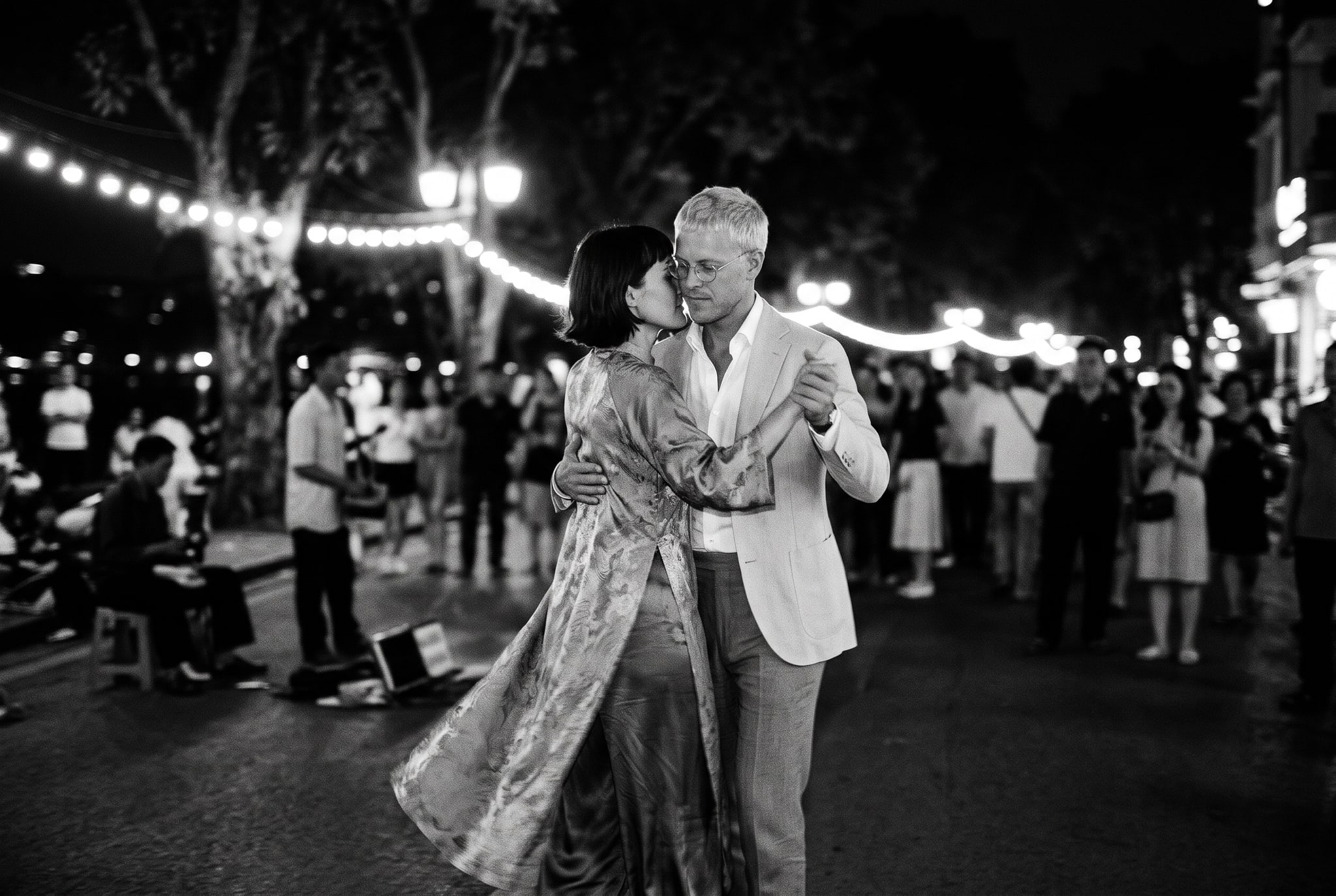
- Photography: Avoid posed shots that mock or sexualize the garment. Candid walking, temple visits, or formal portraits are appropriate.
- Occasion: Ask locals or your rental shop what color suits your event. White is traditional for school photos and formal ceremonies; colored silks (red, teal, purple) suit weddings and celebrations; pastels work for casual wear.
- Removal: Remove your ao dai immediately after your event. Don't wear it to bars, clubs, or casual lunches unless it's a community celebration. The rental shop will sterilize and press it.
If you're unsure about etiquette for a specific event (wedding, temple visit, Tet gathering), ask your rental shop or contact Ao Dai Diaries via WhatsApp/Zalo before you book. Staff can advise on color, sleeve style, and behavior norms.
---
Packing List for Female Travelers in March Vietnam
Clothing essentials:
- 2–3 lightweight cotton or linen tops (short-sleeve, breathable)
- 2 loose-fitting pants or wide-leg trousers
- 1 knee-length skirt or culottes
- 1 lightweight cardigan or shawl
- Undergarments for 5–7 days (quick-dry preferred)
- 1 pair slip-on sneakers, 1 pair sandals, 1 pair closed-toe shoes
- Swim cover-up and swimsuit
- Light rain jacket or compact umbrella
Why this works: Most pieces mix and match. Loose silhouettes hide sweat; natural fabrics breathe. An ao dai rental handles your formal/cultural moment, so you don't need to pack one.
What not to pack:
- Heavy jeans (suffocating in March humidity)
- Nylon or plastic-y fabrics
- Anything you can't hand-wash in a sink (fabrics should be machine-washable, cold water)
- More than one bulky sweater (hotels have AC; you'll use it once)
---
Where to Rent an Ao Dai in Your City
All major tourist hubs have rental shops. See rental options by city or book directly:
- Hanoi: Historic Old Quarter and French Quarter have multiple shops; browse Hanoi rental info.
- Saigon (Ho Chi Minh City): District 1 and Tan Binh have the most locations; check Saigon details.
- Hoi An: Ancient Town is packed with ao dai shops, many with tailoring on-site; explore Hoi An options.
- Da Nang: Beachfront and central districts have rentals; see Da Nang availability.
How rental works: Book online or call/WhatsApp +84 338 762 340 (English-speaking team). Provide height, measurements, date, and event type. Visit for fitting (30 mins, walk-in or by appointment) or arrange hotel delivery. Pay a deposit (usually ₫see packages & prices500,000 / USD 8–20), reserve the balance for pickup. Rental period is typically 1–3 days; keep your ao dai clean and return on time to receive your deposit back.
👗 Rent your ao dai — WhatsApp/Zalo +84 338 762 340
---

Frequently asked questions
What's the difference between wearing an ao dai and buying one?
Renting is tailored to your body and event; buying is a souvenir or long-term wardrobe piece. Rentals fit better, feel authentic, and avoid luggage hassle. Buying is cheaper per-wear if you visit Vietnam yearly.
Can I wear an ao dai to a casual lunch or café?
Technically yes, but it's unusual. Ao dai is for formal events, temples, Tet, and photoshoots. Wearing one to a regular lunch might feel overly formal or like you're treating it as a costume. If it's a cultural celebration (Tet, a friend's wedding), go ahead—locals will appreciate the respect.
How long does a fitting take?
Typically 20–30 minutes. Staff measure your height, bust, waist, and hip; check sleeve length; and confirm color and embroidery. Same-day rentals may wait 1–2 hours for tailoring. Advance bookings (2–3 days) ensure your ao dai is ready at appointment time.
What if my ao dai gets stained during the rental?
Minor stains from normal wear (light sweat, dust, food splashes) are the rental shop's responsibility to clean. Major damage (rips, heavy wine spill, makeup smear) may incur a cleaning fee or partial deposit deduction. Always inform the shop immediately if something happens so they can assess and advise.
Should I tip the rental staff?
Tips aren't mandatory in Vietnam, but 10–20% of your rental cost (₫50,000–₫100,000 / USD 2–4) is appreciated if staff provided exceptional service, styling advice, or rush tailoring. Cash tips are preferred.
Can I rent an ao dai online before I arrive in Vietnam?
Yes. Most shops accept online bookings via their website, WhatsApp, or email. You'll need to send measurements and a deposit (usually via bank transfer or payment app). Provide photos of yourself for a rough fit preview. Confirm fitting date and hotel delivery details when you arrive.
What colors and styles suit a female tourist in March?
Pastels (soft pink, pale blue, mint) photograph beautifully and suit warm weather. Jewel tones (teal, emerald, burgundy) work for evening events. White is formal and traditional; avoid black (associated with mourning). Long sleeves offer sun protection; sleeveless or short-sleeve is cooling. Ask your rental shop for color advice based on your skin tone and the occasion—they want you to look stunning because great photos lead to referrals. --- 📸 Ao dai + photoshoot packages | 📍 See rental by city | 👗 Rent your ao dai — WhatsApp/Zalo +84 338 762 340
Frequently asked questions
What's the difference between wearing an ao dai and buying one?
Renting is tailored to your body and event; buying is a souvenir or long-term wardrobe piece. Rentals fit better, feel authentic, and avoid luggage hassle. Buying is cheaper per-wear if you visit Vietnam yearly.
Can I wear an ao dai to a casual lunch or café?
Technically yes, but it's unusual. Ao dai is for formal events, temples, Tet, and photoshoots. Wearing one to a regular lunch might feel overly formal or like you're treating it as a costume. If it's a cultural celebration (Tet, a friend's wedding), go ahead—locals will appreciate the respect.
How long does a fitting take?
Typically 20–30 minutes. Staff measure your height, bust, waist, and hip; check sleeve length; and confirm color and embroidery. Same-day rentals may wait 1–2 hours for tailoring. Advance bookings (2–3 days) ensure your ao dai is ready at appointment time.
What if my ao dai gets stained during the rental?
Minor stains from normal wear (light sweat, dust, food splashes) are the rental shop's responsibility to clean. Major damage (rips, heavy wine spill, makeup smear) may incur a cleaning fee or partial deposit deduction. Always inform the shop immediately if something happens so they can assess and advise.
Should I tip the rental staff?
Tips aren't mandatory in Vietnam, but 10–20% of your rental cost (₫50,000–₫100,000 / USD 2–4) is appreciated if staff provided exceptional service, styling advice, or rush tailoring. Cash tips are preferred.
Can I rent an ao dai online before I arrive in Vietnam?
Yes. Most shops accept online bookings via their website, WhatsApp, or email. You'll need to send measurements and a deposit (usually via bank transfer or payment app). Provide photos of yourself for a rough fit preview. Confirm fitting date and hotel delivery details when you arrive.
What colors and styles suit a female tourist in March?
Pastels (soft pink, pale blue, mint) photograph beautifully and suit warm weather. Jewel tones (teal, emerald, burgundy) work for evening events. White is formal and traditional; avoid black (associated with mourning). Long sleeves offer sun protection; sleeveless or short-sleeve is cooling. Ask your rental shop for color advice based on your skin tone and the occasion—they want you to look stunning because great photos lead to referrals. --- [📸 Ao dai + photoshoot packages](/packages) | [📍 See rental by city](/rent) | [👗 Rent your ao dai — WhatsApp/Zalo +84 338 762 340](https://wa.me/84338762340)
Dozens of colours, all sizes XS–XXL, delivered to your hotel in Hanoi, Saigon, Hoi An or Da Nang. One WhatsApp or Zalo message.
More guides
You might also like
The ao dai is Vietnam's iconic silk dress, worn for celebrations and formal occasions. Ao Dai Diarie
May is Vietnam's hottest month before monsoon season. We'll help you choose the right outfit—whether
December weather in Vietnam is cool and dry—ideal for wearing the ao dai. Here's what suits the seas