guide/ao-dai
What to Wear in Vietnam in the Summer: Ao Dai & Light Fabrics
Ao Dai Diaries team · All guides →
Vietnam's summer (May–September) means 32–35°C heat and 80%+ humidity, so prioritize breathable natural fabrics: cotton, linen, and silk blends over synthetics. The ao dai, Vietnam's iconic long tunic and pants, works year-round in lightweight silk or cotton—rent one from Ao Dai Diaries for photoshoots, weddings, or cultural events in Hanoi, Ho Chi Minh City, Hoi An, or Da Nang (same-day and delivery available). For everyday summer wear, combine loose cotton or linen tunics with wide-leg trousers, wear slip-on sandals, and avoid shorts above the knee in temples or rural areas. Pack a light scarf or shawl for air-conditioned spaces and sun protection. Rental costs vary by city and fabric weight; ask about deposit, sizing (XS–XXL available), and care before booking via WhatsApp/Zalo +84 338 762 340.
Why does summer in Vietnam demand special fabric choices?
Vietnam's summer combines extreme heat (32–35°C daily) with monsoon humidity (80–90%), making synthetic or heavy fabrics uncomfortable after minutes outdoors. Natural fibers—cotton, linen, silk—breathe, wick sweat, and dry fast. Thick polyester traps heat; lightweight cotton or silk-cotton blends (40–60% silk) keep you cool without sticking to skin. Choose white, cream, or pale colors; they reflect heat better than dark tones and stay cooler by 3–5°C. Ao dai wearers choose summer-weight silk or 100% cotton rather than winter brocades.
👗 Rent your ao dai — WhatsApp/Zalo +84 338 762 340
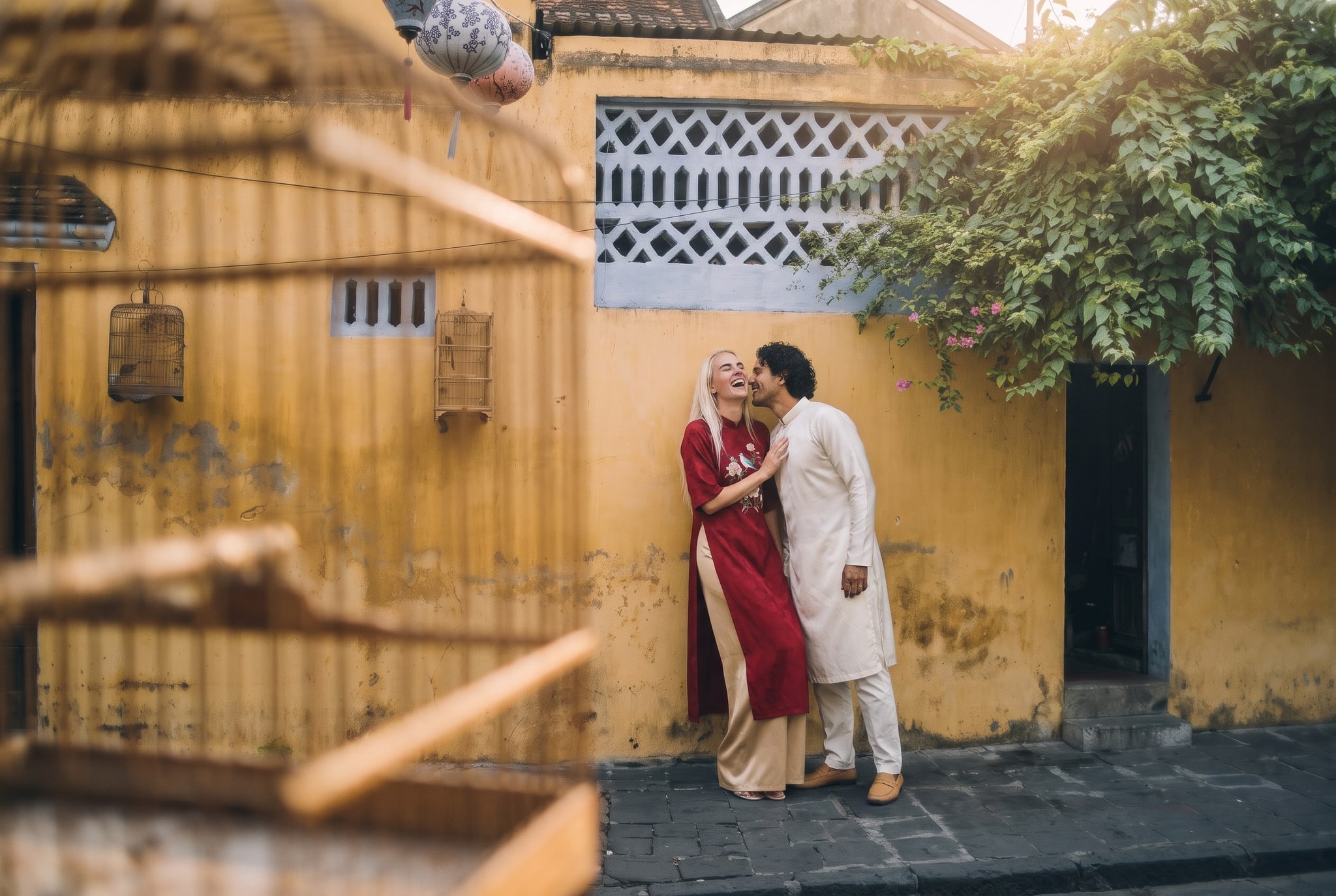
Is the ao dai actually practical for summer in Vietnam?
Yes, if you rent the right fabric and fit. The ao dai's loose cut and long sleeves protect skin from sun and mosquitoes; summer versions use lightweight silk or cotton, not heavy brocade. Rental shops in Hanoi, Ho Chi Minh City, Hoi An, and Da Nang stock summer-weight styles sized XS–XXL with proper tailoring. Wearing an ao dai signals respect in temples, formal events, and photoshoots; locals wear them year-round. Rental includes fitting and sizing advice—ask about breathable fabrics and same-day availability when you book.
What other summer clothes work for Vietnam—and where do they fall short?
| Item | Why it works in summer | Why it's limited | Best for |
|---|---|---|---|
| Lightweight cotton tunics | Breathable, modest, affordable | Less formal than ao dai | Daily wear, casual outings |
| Linen wide-leg trousers | Crease-resistant, drapes, cool | Wrinkles if not blended | Walking tours, casual events |
| Silk blend (40–60% silk) | Luxe feel, breathes, drapes | Higher price; needs care | Dinners, cultural events |
| 100% cotton ao dai (rental) | Breathable, modest, respectful, fitted | Heavier than linen; needs ironing | Photoshoots, weddings, Tet |
| Lightweight silk ao dai (rental) | Coolest option, elegant, flows | Most expensive; delicate | Formal events, upscale photos |
Cotton ao dai suits photographers and Tet celebrations; linen tunics work for budget travelers; silk blends balance elegance and comfort for dinners or ceremonies. Renting eliminates packing and laundry stress—see rental options by city.
How do summer sizing, deposits, and delivery work when renting an ao dai?
Ao dai rental involves five steps: (1) choose your city and style (classic, modern, vintage); (2) provide measurements or come in for fitting (bust, waist, hip, length—shops give guides); (3) confirm size (XS–XXL available; sizes run to fit Vietnamese and international frames); (4) pay a rental fee plus refundable deposit (deposit ensures return and care); (5) pick up same-day or arrange hotel delivery. Most shops in major cities offer same-day rental and next-morning delivery options. For tourists, how ao dai rental works explains the full process. Pack lightweight undergarments and slip-on sandals; avoid tight sports bras under ao dai. Ask about steam pressing and stain cover when you book—honesty matters, and rental shops handle minor wear.
📸 Ao dai + photoshoot packages
What fabrics and colors keep you coolest in Vietnam's summer humidity?
Moisture-wicking, pale fabrics perform best. Pure cotton (100%) or cotton-silk blends (40–60% silk) absorb sweat without clinging. Linen breathes fastest but wrinkles; linen-cotton blends (50–50) balance wrinkle resistance and cooling. Avoid polyester, nylon, and rayon—they trap heat and sweat. Pale colors (white, cream, pale blue, pastel) stay 3–5°C cooler than black or dark tones in direct sun. Summer ao dai in cream silk or white cotton feel cooler than navy or maroon brocades. If you rent, ask whether your chosen style uses summer-weight fabric; heavier brocades designed for winter won't feel breezy even if loose.
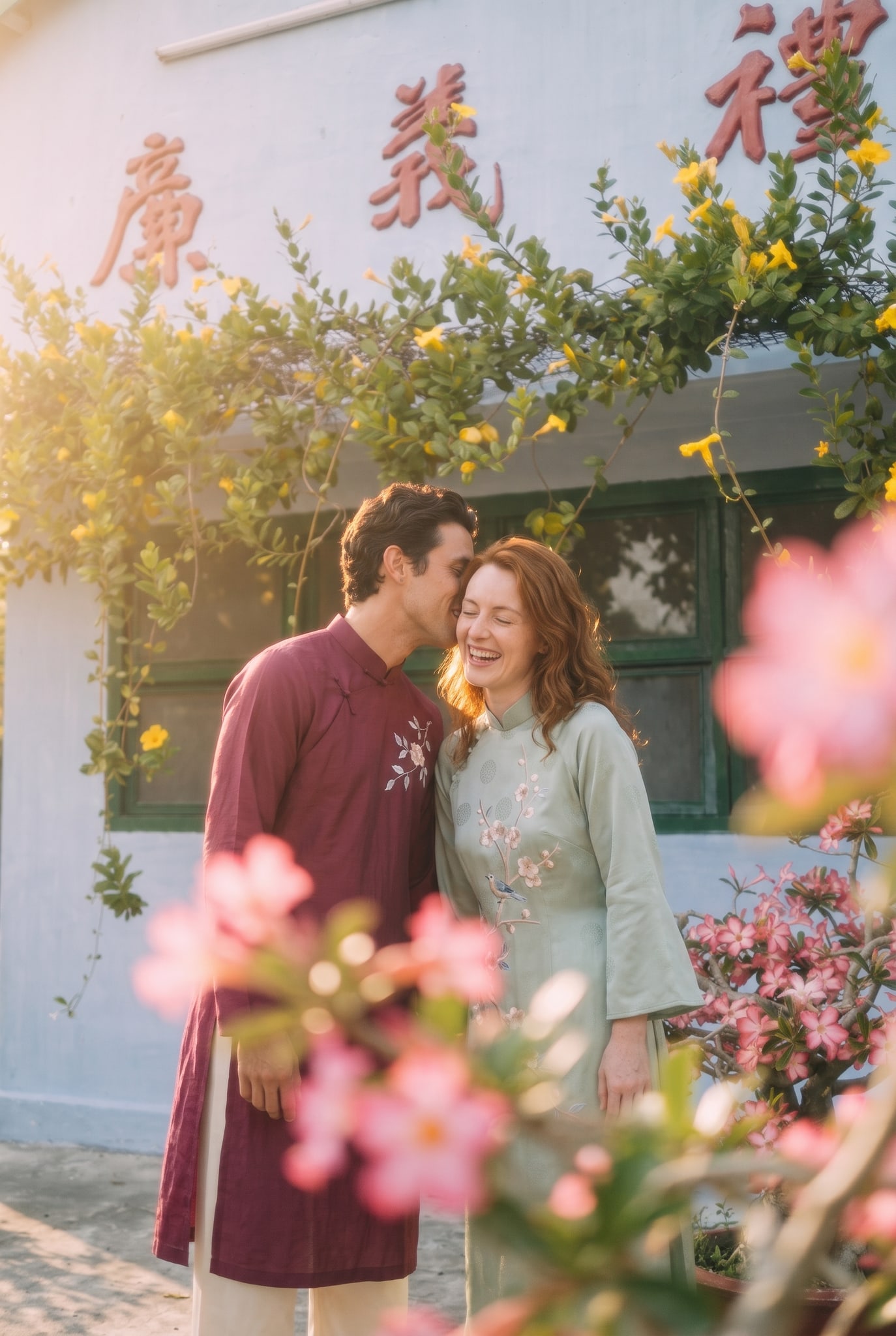
What summer etiquette and coverage rules apply in Vietnam?
Vietnamese culture values modesty, especially in temples, rural areas, and religious sites. Shorts above the knee, sleeveless shirts, or low necklines are disrespectful outdoors—wear loose long sleeves and knee-length or longer bottoms. The ao dai, naturally modest, shows respect and is welcomed everywhere. If wearing casual summer clothes (linen tunic, cotton shirt), pair them with loose trousers or a long skirt, not shorts. In Ho Chi Minh City's District 1 or central Hanoi, tourists in shorts aren't stopped, but locals prefer covered shoulders and knees. Temples require covered shoulders and legs—no exceptions. Wear a light scarf or long-sleeved shrug over sleeveless tops. Renting an ao dai avoids guessing; the dress is inherently respectful and photographed well.
📍 See rental by city
---
Comparison: What to actually buy vs. rent for summer in Vietnam
| Option | Upfront cost | Care burden | Occasions | Best for |
|---|---|---|---|---|
| Buy lightweight cotton clothes at home | see packages & prices | High (laundry, wrinkles, mold in humidity) | Casual daily wear | Budget backpackers, 2–3-week trips |
| Buy linen tunics + trousers in Vietnam | see packages & prices (local markets/tailors) | Moderate (linen wrinkles; mold risk) | Casual, semi-formal | Longer stays, DIY tailoring |
| Rent ao dai (silk or cotton) | see packages & prices/day (deposit separate) | None (shop handles cleaning) | Photoshoots, weddings, Tet, temples | Formal events, one-time wear |
| Rent ao dai + photoshoot package | see packages & prices total | None; styling + photo included | Professional photos, memorable events | Tourists wanting memories, special occasions |
Renting wins if you want respect, no laundry, and professional fit. Buying local linen works if you're staying weeks and don't mind ironing. Return to Ao Dai Diaries guides for more styling tips.
---
What to check before you rent or buy summer clothes in Vietnam
- Fabric content: Ask "Is this 100% cotton or a blend?" Blends (cotton–linen, cotton–silk) balance breathability and durability. Avoid anything over 50% synthetic.
- Fit and measurement: Ao dai rental shops provide measurement sheets (bust, waist, hip, shoulder width, length). Take accurate measurements at home or in-store. Loose is comfortable; too loose looks sloppy.
- Care instructions: If buying, confirm washability. Linen wrinkles; cotton needs ironing; silk requires gentle hand-wash or dry-clean. Rental eliminates this.
- Color fade: Pale fabrics show sweat marks and dirt faster; darker neutrals (cream, soft gray, khaki) hide stains better in summer.
- Deposit and return policy: When renting, confirm the deposit amount, return deadline, and what counts as normal wear. Ask if stains or small tears are covered.
- Same-day vs. next-day: Most rental shops in Hanoi, Ho Chi Minh City, Hoi An, and Da Nang offer same-day rental; confirm before visiting.
- Delivery to your hotel: If you can't pick up, ask about delivery fees and timing—many shops include free delivery with a rental.
---
Bottom line: Your summer wardrobe choice in Vietnam
For one-off events (photoshoots, weddings, Tet): Rent an ao dai in summer-weight cotton or silk. No packing, no laundry, professional fit. Book via WhatsApp/Zalo +84 338 762 340.
For daily casual wear: Buy or pack lightweight cotton or linen tunics + loose trousers locally or from home. Pale colors and natural fabrics are non-negotiable in 35°C heat.
For longer stays: Combine rented ao dai for events with bought or tailored casual linen pieces for everyday wear.
Practical packing: Bring minimal base layers; buy or rent everything else in Vietnam where humidity and heat guide fit better.
Frequently asked questions
Can I wear an ao dai in summer without overheating?
Yes, if it's summer-weight cotton or silk (not brocade). The loose cut and long sleeves protect skin from sun and mosquitoes. Lightweight fabrics breathe; heavy winter brocades do not. Ask rental shops for their summer collection when you book.
What size should I book if I'm renting an ao dai for the first time?
Most rental shops in Hanoi, Ho Chi Minh City, Hoi An, and Da Nang offer fitting services and size XS–XXL. Provide bust, waist, hip, and length; staff tailor on-site or adjust within 24 hours. Bring measurements or visit for a fitting—no guessing needed.
Is a silk ao dai better than cotton for summer in Vietnam?
Silk breathes beautifully and drapes elegantly; cotton is slightly heavier but more durable and forgiving. Both work in summer if lightweight. Choose silk for formal events or photos; cotton for weddings or all-day wear. Ask rental staff which suits your occasion.
How much does it cost to rent an ao dai in Vietnam for summer?
Rental prices vary by city, fabric, and style. Contact Ao Dai Diaries on WhatsApp/Zalo +84 338 762 340 for current rates, deposit amounts, and availability—no hidden fees, same-day and delivery options available.
Do I need to know how to care for an ao dai if I rent it?
No. Rental shops handle cleaning, pressing, and storage. Return it on time and in normal condition (light sweat, minor wrinkles are fine). Confirm the return deadline and damage policy when you book to avoid surprises.
Should I wear shorts or sleeveless shirts in Vietnam's summer?
Avoid them outside tourist hotspots. Vietnamese culture values modesty; temples require covered shoulders and legs, and locals find sleeveless and above-knee shorts disrespectful. Loose linen or cotton tunics with trousers or skirts work better and stay cooler anyway.
Can I buy ao dai in Vietnam instead of renting?
Yes, tailors and markets sell ao dai fabric and ready-made pieces. But custom tailoring takes weeks; ready-made sizing is inconsistent. Renting is faster, fits better, and eliminates shipping home. Book rental by city for same-day options.
What's the best place to rent an ao dai for a summer photoshoot in Vietnam?
Hanoi, Ho Chi Minh City, Hoi An, and Da Nang all have rental shops. Hoi An and Da Nang specialize in ao dai rentals for tourists. See options by city and ask about photoshoot packages—many shops pair rental with photographer recommendations or styling advice.
Frequently asked questions
Can I wear an ao dai in summer without overheating?
Yes, if it's summer-weight cotton or silk (not brocade). The loose cut and long sleeves protect skin from sun and mosquitoes. Lightweight fabrics breathe; heavy winter brocades do not. Ask rental shops for their summer collection when you book.
What size should I book if I'm renting an ao dai for the first time?
Most rental shops in Hanoi, Ho Chi Minh City, Hoi An, and Da Nang offer fitting services and size XS–XXL. Provide bust, waist, hip, and length; staff tailor on-site or adjust within 24 hours. Bring measurements or visit for a fitting—no guessing needed.
Is a silk ao dai better than cotton for summer in Vietnam?
Silk breathes beautifully and drapes elegantly; cotton is slightly heavier but more durable and forgiving. Both work in summer if lightweight. Choose silk for formal events or photos; cotton for weddings or all-day wear. Ask rental staff which suits your occasion.
How much does it cost to rent an ao dai in Vietnam for summer?
Rental prices vary by city, fabric, and style. Contact Ao Dai Diaries on WhatsApp/Zalo +84 338 762 340 for current rates, deposit amounts, and availability—no hidden fees, same-day and delivery options available.
Do I need to know how to care for an ao dai if I rent it?
No. Rental shops handle cleaning, pressing, and storage. Return it on time and in normal condition (light sweat, minor wrinkles are fine). Confirm the return deadline and damage policy when you book to avoid surprises.
Should I wear shorts or sleeveless shirts in Vietnam's summer?
Avoid them outside tourist hotspots. Vietnamese culture values modesty; temples require covered shoulders and legs, and locals find sleeveless and above-knee shorts disrespectful. Loose linen or cotton tunics with trousers or skirts work better and stay cooler anyway.
Can I buy ao dai in Vietnam instead of renting?
Yes, tailors and markets sell ao dai fabric and ready-made pieces. But custom tailoring takes weeks; ready-made sizing is inconsistent. Renting is faster, fits better, and eliminates shipping home. Book [rental by city](/rent) for same-day options.
What's the best place to rent an ao dai for a summer photoshoot in Vietnam?
Hanoi, Ho Chi Minh City, Hoi An, and Da Nang all have rental shops. Hoi An and Da Nang specialize in ao dai rentals for tourists. [See options by city](/rent) and ask about [photoshoot packages](/packages)—many shops pair rental with photographer recommendations or styling advice.
Dozens of colours, all sizes XS–XXL, delivered to your hotel in Hanoi, Saigon, Hoi An or Da Nang. One WhatsApp or Zalo message.
More guides
You might also like
The ao dai is Vietnam's iconic silk dress, worn for celebrations and formal occasions. Ao Dai Diarie
May is Vietnam's hottest month before monsoon season. We'll help you choose the right outfit—whether
December weather in Vietnam is cool and dry—ideal for wearing the ao dai. Here's what suits the seas