guide/ao-dai
What to Wear in Vietnam Male: Casual, Formal & Ao Dai Guide
Ao Dai Diaries team · All guides →
Vietnam's heat and humidity require breathable natural fabrics: lightweight cotton shirts, linen trousers, and loose-fitting layers that let air move. For casual sightseeing, neutral colors (white, khaki, grey, navy) work everywhere; avoid tight synthetics that trap sweat. For formal events, weddings, or Tet celebrations, a rented ao dai (Vietnam's traditional long tunic) shows respect and photographs beautifully—Ao Dai Diaries offers same-day rentals in Hanoi, Saigon, Hoi An, and Da Nang, sized XS–XXL, with delivery to your hotel. Respect dress codes: cover shoulders and knees at temples, avoid beachwear in cities. Budget casual wear at see packages & prices per piece; ao dai rentals start around see packages & prices per day depending on fabric and occasion. ---
What fabrics actually work in Vietnam's heat and humidity?
Cotton and linen are non-negotiable. Synthetic polyester or nylon trap moisture and heat, making you sweat faster and feel clammy. Natural fibers breathe, dry quickly, and won't hold odors in 35°C (95°F) weather. Lightweight cotton (150–200 gsm) is ideal for shirts; linen blends work for trousers if you don't mind wrinkles. Avoid denim—it's heavy, absorbs sweat, and takes forever to dry. Many travelers buy "performance" synthetic blends that claim breathability; they underperform compared to pure cotton. Wear moisture-wicking base layers only if you're hiking in the mountains, not for city strolls.
👗 Rent your ao dai — WhatsApp/Zalo +84 338 762 340
How do I dress for temples, pagodas, and sacred sites?
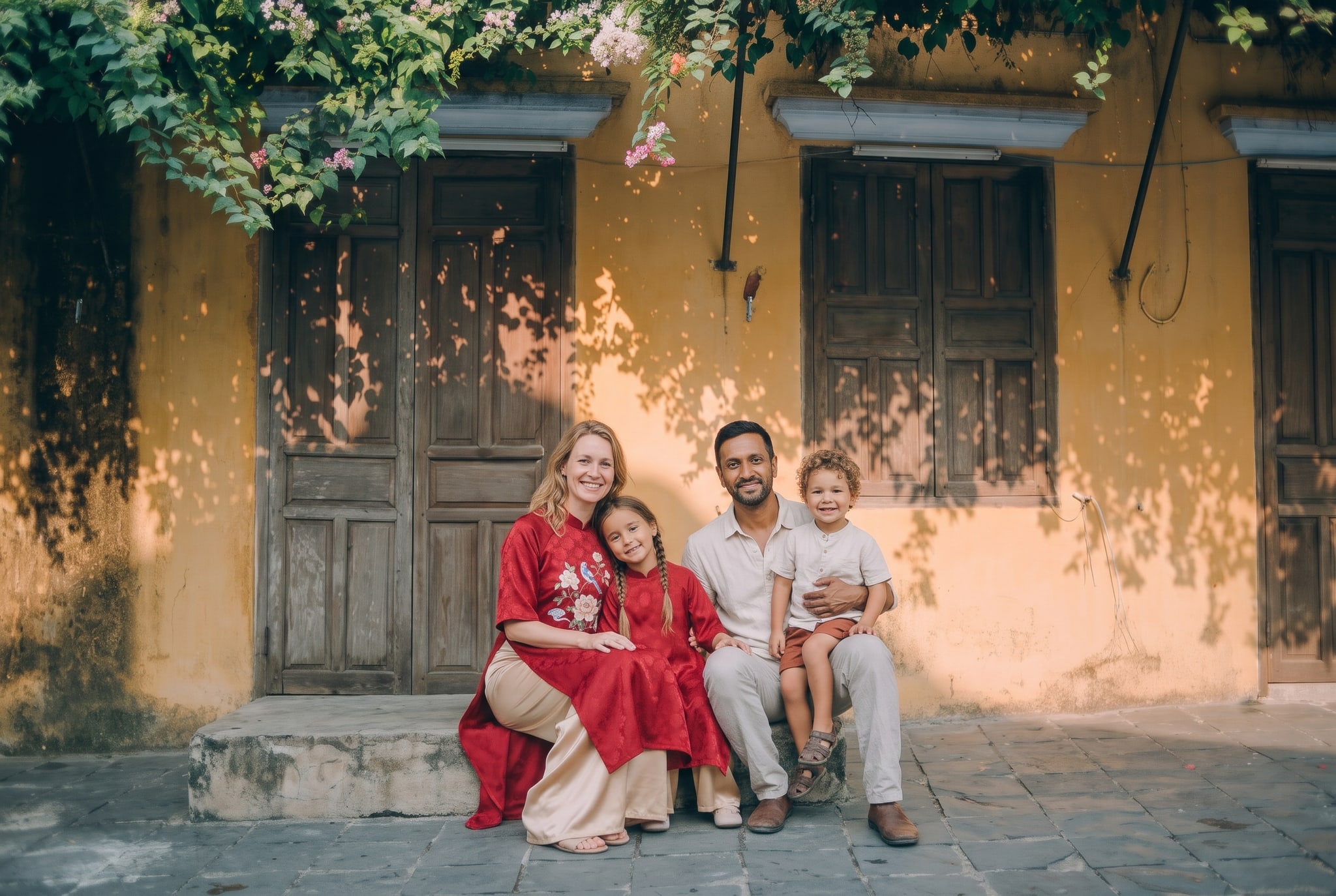
Temples are the one place dress codes are strictly enforced. Cover your shoulders, chest, and knees—no exceptions. For men, this means a collared shirt (short- or long-sleeved), full-length trousers or wrap-around pants, and closed-toe shoes. Many temples provide loaner sarongs at the entrance if you're underdressed, but it's awkward and slows you down. Avoid logos, slogans, or images of spiritual figures on clothing. At major pilgrimage sites like Tran Quoc Pagoda in Hanoi or Jade Emperor Pagoda in Saigon, locals and tour groups observe strict dress. If you're attending a Tet prayer session or family temple visit, wear or rent an ao dai—it's the respectful choice and makes you stand out as culturally aware.
When should I rent an ao dai instead of buying casual wear?
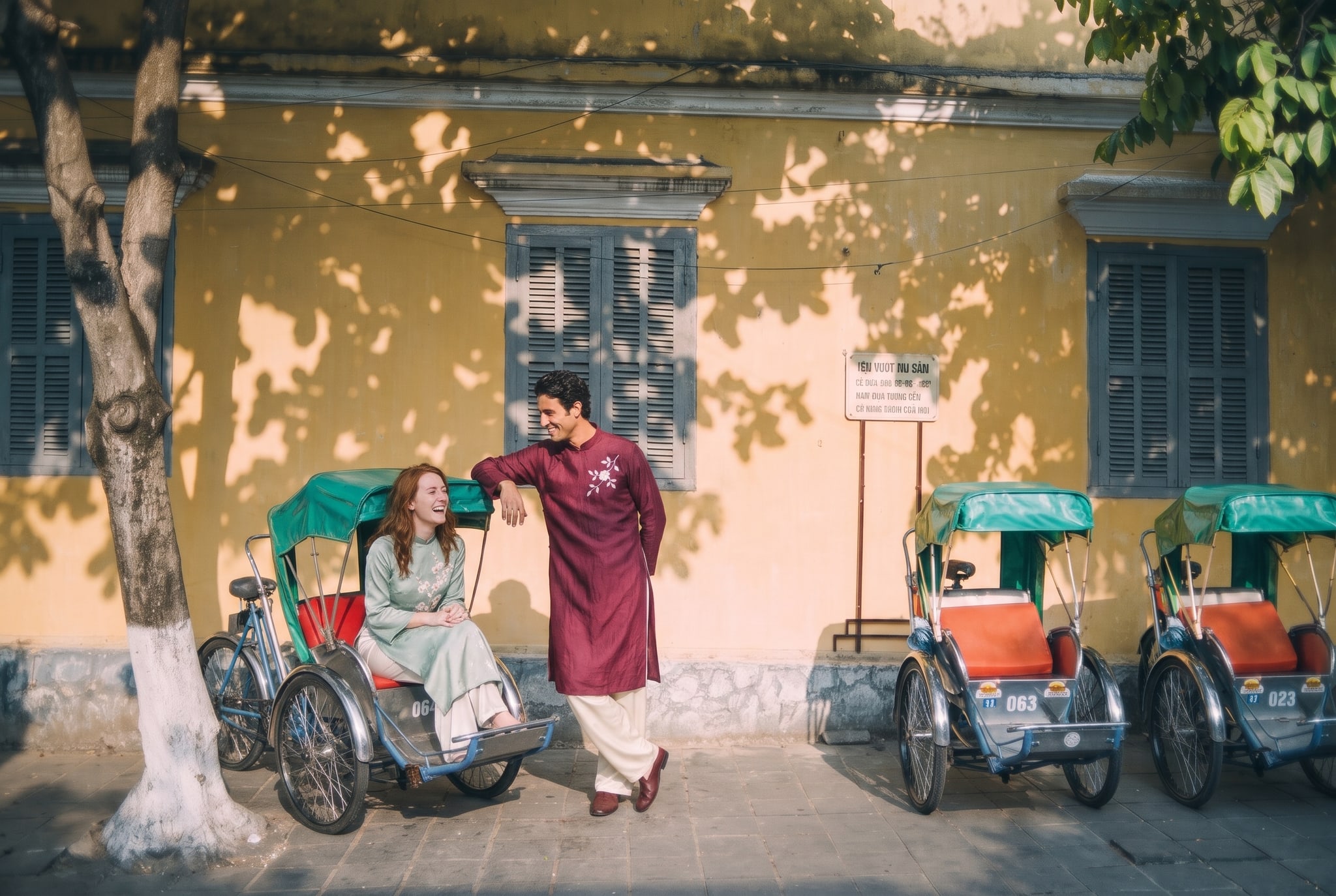
Buy casual wear for daily sightseeing; rent an ao dai for occasions that matter. A wedding, graduation, Tet holiday, formal dinner, or photoshoot deserves the traditional tunic—it signals respect, fits the moment, and photographs beautifully. Renting costs see packages & prices per day; buying a quality ao dai costs see packages & prices+, and you'll never wear it again after your trip. How ao dai rental works is simple: you choose style, get fitted (sizes XS–XXL), pick a fitting date (same-day available), and receive delivery to your hotel. Ao Dai Diaries handles deposits, cleaning, and returns—no laundry stress. If you're in Hanoi, Saigon, Hoi An, or Da Nang, check rental by city to see local options and timing.
| Occasion | Wear This | Why | Cost Basis |
|---|---|---|---|
| City walk, café, museum | Casual cotton shirt + khaki trousers | Breathable, blends in, practical | Buy see packages & prices per item |
| Temple visit, pagoda | Collared shirt (long-sleeve), full trousers | Respectful, covers requirements | Buy or wear what you have |
| Wedding, formal dinner | Rented ao dai or Vietnamese formal wear | Shows respect, photographs perfectly | Rent see packages & prices/day |
| Tet, family event, photoshoot | Rented ao dai with custom tailoring | Traditional, meaningful, memorable | Rent see packages & prices/day |
| Beach, resort pool | Swim trunks + rash guard | Sun protection, appropriate | Buy see packages & prices |
| Trekking, hiking | Quick-dry synthetic shirt + lightweight pants | Mobility, moisture-wicking | Buy see packages & prices |
What's the difference between ao dai for tourists and formal ao dai for locals?
Tourist-rental ao dai prioritizes fit, comfort, and photo appeal. These are well-maintained pieces in classic cuts: white (for women often), deep blue, or burgundy, with modern tailoring to suit a range of body types. Formal ao dai for Vietnamese ceremonies often feature intricate hand embroidery, silk fabrics, or family-specific designs; they're precious, heirloom pieces. As a traveler renting, you get a beautiful, well-fitted garment without the cultural weight or cost. Tourist ao dai typically runs see packages & prices per day; formal custom ao dai (if you were to buy) costs see packages & prices+. The rental fits your visit: you look authentic, feel comfortable, and support local stylists. If you want something special—a color match, embroidered details, or a photoshoot package—explore ao dai + photoshoot packages to see curated options.
📸 Ao dai + photoshoot packages
What colors, cuts, and accessories work for men renting an ao dai?
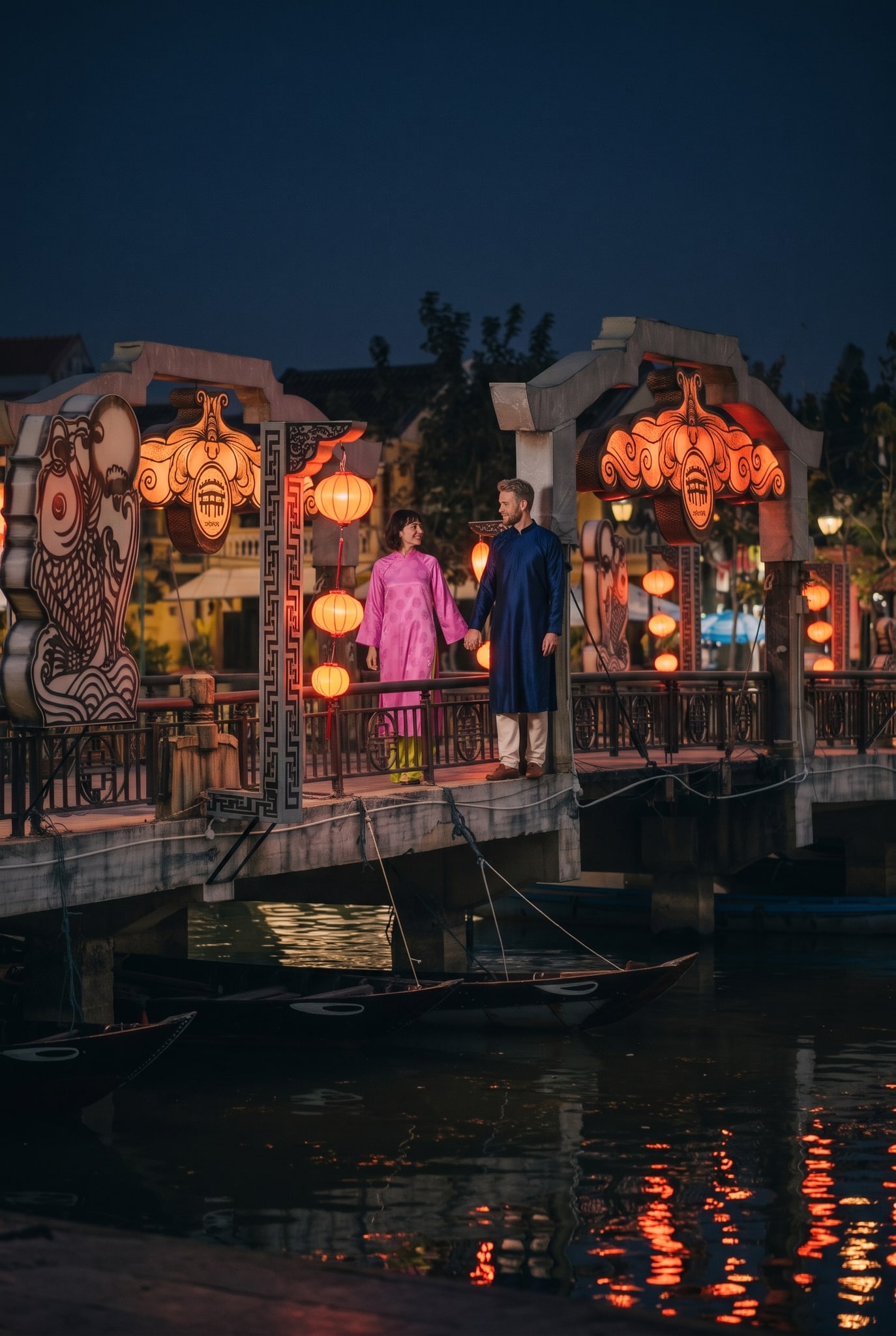
Men's ao dai are tunic-and-trousers sets, usually in solid jewel tones or earth neutrals: navy, burgundy, cream, charcoal, or olive. Classic over-tunic fits are straight and graceful; no baggy silhouettes. Pair with a simple fabric belt (included in rentals) and traditional or modern footwear—leather sandals or clean shoes both work. Avoid heavy jewelry; a simple watch or ring is fine. Accessories like a turban or headpiece are optional and not typical for male travelers unless you're attending a regional festival. White or cream ao dai suits Tet and celebrations; navy or burgundy suits formal dinners and weddings. Many rental studios offer same-day fittings, so you can try colors in person and see what suits your complexion and occasion. Rent by city to book a fitting appointment.
📍 See rental by city
What should I check before renting an ao dai?
Fit and size range: Confirm XS–XXL sizing covers your frame. Many rental shops measure chest, waist, and inseam to ensure the tunic hangs correctly (it should cover the hip, not cling or billow). Ask for a fitting appointment; don't guess online.
Fabric and quality: Inquire if the ao dai is cotton, silk, or cotton-blend. Check seams, zippers, and hems for wear. A rental outfit should look clean, pressed, and new—not faded or pilled.
Same-day and delivery options: Confirm if you can rent on arrival day and have the piece delivered to your hotel. Most Hanoi, Saigon, Hoi An, and Da Nang studios offer next-morning or same-day delivery for a small fee or free above a deposit threshold.
Deposit and return: Ask the deposit amount (usually see packages & prices equivalent), return timing, and cleaning cost (usually included). Clarify if accidental stains or small snags are covered under normal wear.
Photoshoot add-ons: If you want professional photos, book a package deal with a photographer and stylist; it's cheaper than booking separately and the studio knows the best locations.
Alterations and customization: Mention any special requests—embroidery, color preference, or family significance—when booking. Lead time for custom work is typically 3–7 days.
---
Packing list for male travelers to Vietnam
- Tops: 4–5 lightweight cotton or linen shirts (short-sleeve, neutral colors)
- Bottoms: 2 pairs khaki or neutral trousers, 1 pair shorts (knee-length for respect)
- Underwear & socks: Moisture-wicking, quick-dry (bring 7–10 pairs; laundry is cheap)
- Footwear: Comfortable walking shoes (closed-toe), sandals or flip-flops, one nicer shoe for formal dinners
- Layers: 1 lightweight long-sleeve shirt (temples, air-conditioned spaces)
- Formal: 1 button-up shirt or blazer (for upscale restaurants or business meetings)
- Sleepwear: Light cotton pajamas
- Accessories: Hat or cap (sun protection), sunglasses, a small bag or backpack
Do not pack: Heavy denim, synthetic "technical" fabrics, sleeveless tank tops (offensive in temples), tight clothing, white shoes (get dirty fast on Hanoi's streets).
What to rent instead of packing: An ao dai for occasions; formal shoes if you don't want to carry them. This saves luggage space and gives you an authentic wardrobe boost.
---
Why ao dai matters beyond fashion
An ao dai isn't just clothing—it's cultural storytelling. Wearing one respectfully, even as a visitor, signals curiosity and honor toward Vietnamese heritage. Locals notice and appreciate it. For weddings, Tet, or family events, it transforms your presence from "tourist" to "guest." Return to the ao dai guide for deeper context on styles, regional variations, and etiquette. And if you're planning a Tet trip, a formal event, or a photoshoot, booking early gives you choice and peace of mind. Ao Dai Diaries handles the stress—you focus on the moment.
👗 Rent your ao dai — WhatsApp/Zalo +84 338 762 340
---
Frequently asked questions
Can I wear shorts in Vietnam? Is it disrespectful?
Shorts above the knee are fine for casual sightseeing, beaches, and gyms. Avoid them at temples, formal dinners, and family events. Knee-length shorts or below are always safer. Locals wear them casually; tourists should just be mindful of the occasion.
What shoes should I bring?
Lightweight walking shoes (breathable, quick-dry), sandals or flip-flops, and one nicer pair for formal settings. Avoid heavy leather or white sneakers—they absorb heat and get dirty. Many travelers prefer sandals year-round; just respect temple dress codes (closed-toe shoes or go barefoot).
Is a long-sleeve shirt necessary in the heat?
Only for sun protection or temple visits. Bring one lightweight linen long-sleeve for optional layering. Most days, a short-sleeve cotton shirt with sunscreen is enough. Locals often wear long sleeves outdoors to block UV; you can follow suit if you run hot.
How much should I pack?
1–2 weeks: 5–7 shirts, 2–3 pairs of trousers, 7–10 underwear. Plan to wash clothes weekly or use laundry services (cheap, reliable in hotels). Packing less and renting special-occasion pieces (ao dai, formal wear) saves luggage space.
Should I buy an ao dai as a souvenir?
If you know you'll wear it again or it holds cultural meaning, yes. Otherwise, renting is smarter—same experience, no storage at home. Buying a quality piece costs see packages & prices–200+ and takes tailor time. Many travelers regret the purchase after the trip.
What's the dress code at upscale restaurants in Hanoi and Saigon?
"Smart casual" usually means collared shirt, trousers, and closed-toe shoes. Avoid athletic wear or beachwear. Some fine-dining spots prefer a blazer or linen jacket, especially for dinner. When in doubt, ask your hotel concierge or email the restaurant.
Dozens of colours, all sizes XS–XXL, delivered to your hotel in Hanoi, Saigon, Hoi An or Da Nang. One WhatsApp or Zalo message.
More guides
You might also like
The ao dai is Vietnam's iconic silk dress, worn for celebrations and formal occasions. Ao Dai Diarie
May is Vietnam's hottest month before monsoon season. We'll help you choose the right outfit—whether
December weather in Vietnam is cool and dry—ideal for wearing the ao dai. Here's what suits the seas