guide/ao-dai
What to Wear in Vietnam Summer: Ao Dai & Lightweight Options
Ao Dai Diaries team · All guides →
Vietnam's summer is hot (85–95°F/29–35°C) and humid; cotton, linen, and silk are your allies. The ao dai—a long, fitted tunic worn over wide-leg trousers—is perfect for weddings, Tet, graduations, and temple visits but impractical for trekking or beach days. Rent through Ao Dai Diaries for photoshoots and formal events in Hanoi, Ho Chi Minh City, Hoi An, or Da Nang; sizes range XS–XXL with same-day and hotel delivery available. For everyday wear, opt for loose cotton shirts, linen pants, and lightweight scarves to cover shoulders in sacred spaces. Avoid sleeveless tops, short skirts, and dark synthetic fabrics that trap heat and show sweat. A light sarong or pashmina doubles as a cover-up and a sun shield. Budget separately for rental (cultural experience) versus everyday basics (comfort and respect).
Vietnam's summer heat is relentless, but the right wardrobe transforms discomfort into confidence. Whether you're attending a wedding in a rented ao dai or strolling Hoi An's lantern-lit streets, understanding fabric, fit, and cultural norms ensures you look and feel your best.
Why Does Ao Dai Matter for Summer Visits to Vietnam?
The ao dai is Vietnam's national dress—a symbol of elegance and respect, not a costume. If you're photographing temples, attending family celebrations, or marking a milestone, wearing ao dai signals cultural appreciation and often opens doors. Summer ao dai are crafted in lighter silks and cotton blends to manage heat; the long tunic and trousers provide full coverage, which is essential in Buddhist temples and formal settings. Wearing ao dai for the wrong reason (casual tourism, disrespect) is noticeable and discouraged—read the pillar guide on ao dai etiquette before deciding. Renting eliminates the cost and storage hassle of buying; Ao Dai Diaries offers rental fitting, delivery, and styling guidance across four major cities.
👗 Rent your ao dai — WhatsApp/Zalo +84 338 762 340
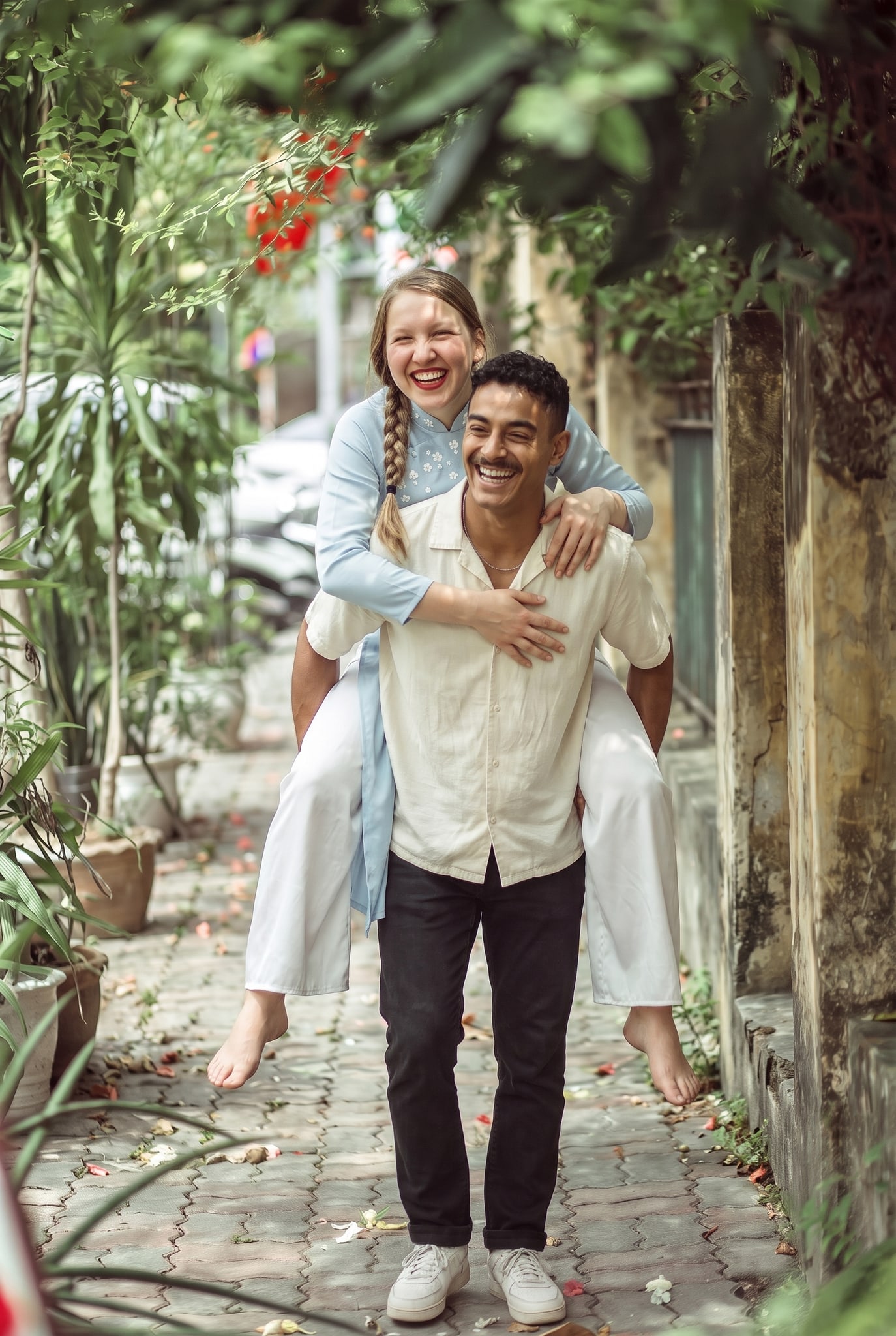
How Do You Choose Between Ao Dai Rental & Everyday Summer Clothes?
The choice hinges on your itinerary and cultural context. Renting ao dai is ideal if you have a wedding, photoshoot, graduation, or spiritual ceremony; everyday wear is for markets, museums, and casual dining. Compare your activities: if 60% is formal/cultural and 40% is casual exploration, rent an ao dai for peak moments and buy lightweight everyday basics. Rental ensures proper fit (measurements taken on-site), authentic styling, and respect for the garment. Everyday summer clothes—cotton shirts, linen trousers, breathable sundresses—are worn by locals and tourists alike for comfort. The Ao Dai Diaries rental process takes 30 minutes; a single outfit costs far less than purchasing and shipping ao dai abroad. Plan your formal events first, then build a light travel wardrobe around them.
What Fabrics Keep You Cool & Comfortable in Vietnam Heat?
| Fabric | Best For | Why It Works | Summer Note |
|---|---|---|---|
| Cotton (100%) | T-shirts, casual trousers | Breathable, absorbs sweat | Wrinkles easily; pack light layers |
| Linen | Shirts, pants, scarves | Loose weave, quick-drying | Best for humid climates; lightweight |
| Silk blend (ao dai) | Formal wear, photoshoots | Elegant, regulates temperature | Rental-only; dry-clean required |
| Rayon (viscose) | Casual dresses, covers | Drapes well, breathable | Shows sweat more; affordable |
| Synthetic blends | Budget basics | Durable, water-resistant | Traps heat; avoid in high summer |
Linen is your summer MVP—locals wear linen shirts, pants, and scarves throughout the season. Silk (used in rented ao dai) breathes naturally despite its formal appearance; summer ao dai are lighter than winter versions. Avoid synthetic polyester unless it's specifically marketed as moisture-wicking. Cotton shrinks if not pre-washed; buy one size larger or air-dry. Rayon feels silky but clings when wet with sweat—fine for brief wear, less practical for all-day exploring.
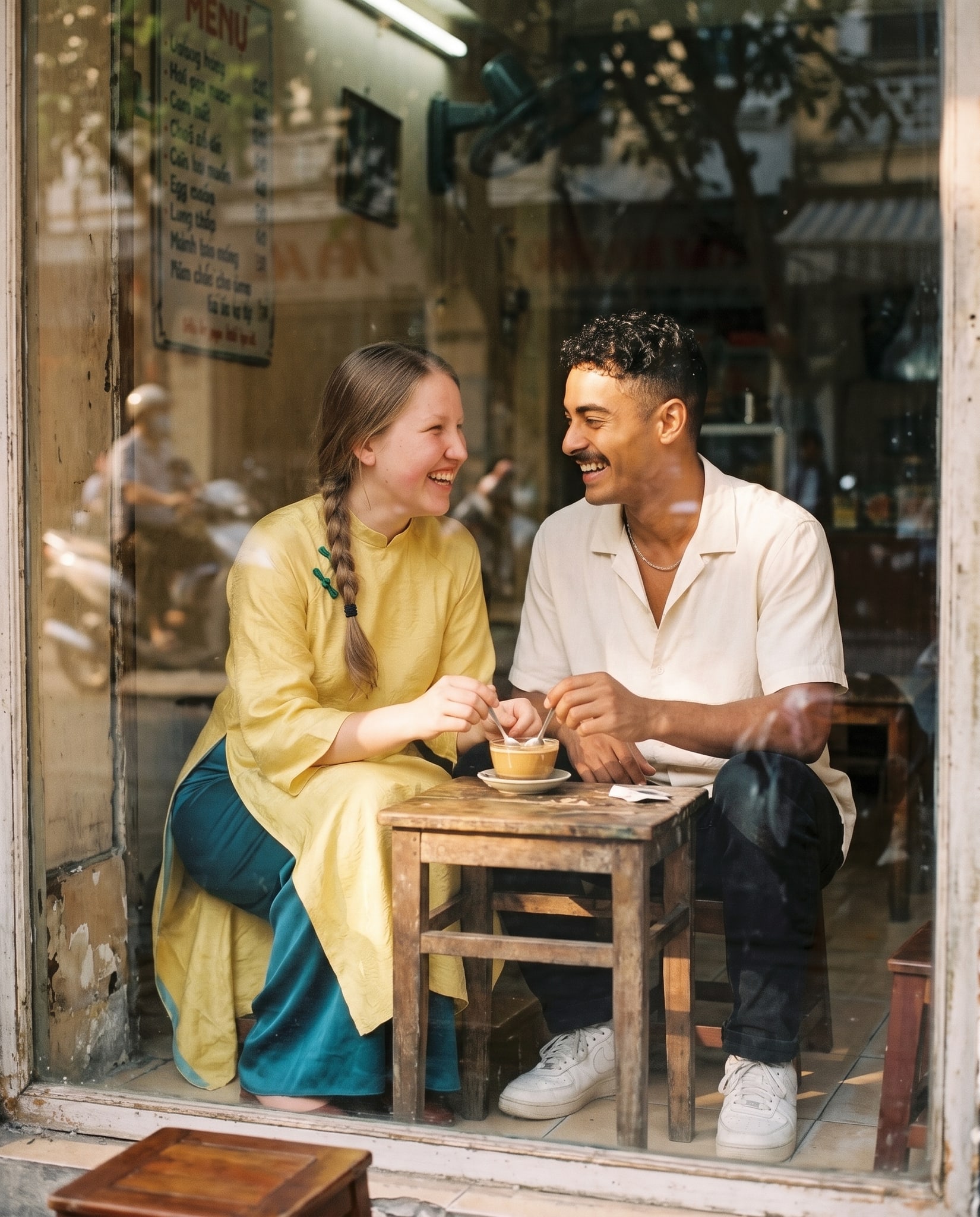
What's the Etiquette for Wearing Ao Dai in Summer Scenarios?
Ao dai is respectful, formal dress—temples, weddings, family dinners, and professional events warrant its wear. Wearing ao dai casually to a café, market, or beach is considered disrespectful and makes locals uncomfortable. Hair, makeup, and posture matter: ao dai demands upright carriage and modest grooming. If you're renting for a photoshoot, the stylist will guide you; if attending a family event, ask the host whether ao dai is expected—sometimes Western formal wear is preferred. Never alter, stain, or rush a rented ao dai; it's cultural property, not a disposable costume. Book Ao Dai Diaries rental in Hanoi, Ho Chi Minh City, Hoi An, or Da Nang at least 2–3 days ahead for formal events. Respect the garment, and it honors you in return.
What's Your Step-by-Step Packing Checklist for Vietnam Summer?
Formal & cultural occasions:
- 1 rented ao dai (book in advance; includes fitting, styling, delivery)
- 1 silk or cotton shawl (shoulder cover for temples)
- Closed-toe shoes or flat sandals (remove in temples)
- Modest evening bag or clutch
Everyday wear:
- 4–5 lightweight cotton or linen tops
- 2 comfortable, loose-fitting trousers or wide-leg pants
- 1 lightweight sundress or shirt (knee-length, modest)
- 1–2 sarongs or pashmina (multi-use: cover-up, sun shield, picnic blanket)
- Lightweight long-sleeve shirt (sun protection, temple access)
- Undergarments (quick-dry fabric preferred)
- Flat sandals, canvas shoes, or walking sneakers
Accessories:
- Wide-brimmed hat or lightweight cap
- Lightweight scarf (cotton, not synthetic)
- Sunglasses with UV protection
- Reusable water bottle
What to avoid:
- Sleeveless tops, short shorts, mini skirts (disrespectful in temples, attracts unwanted attention)
- Dark synthetic fabrics (absorb heat, show sweat)
- Heavy denim, leather jackets, long sleeves without breathability
- Stiff fabrics that don't drape (ao dai's beauty lies in fluid movement)
Pack light; most cities have laundry services. Rewear bottoms; rotate tops. Moisture-wicking undergarments are worth the investment.
📸 Ao dai + photoshoot packages
What Should You Check Before Renting or Buying Summer Wear in Vietnam?
Before renting ao dai:
- Confirm your event date and dress code with hosts or event organizers.
- Provide accurate measurements (bust, waist, hip, height, shoe size); Ao Dai Diaries staff measure on-site or via photos.
- Ask about color, pattern, and fabric weight—summer ao dai are thinner than winter versions.
- Confirm delivery location (your hotel, venue, or walk-in shop) and pickup/return timeline.
- Check the deposit amount and cancellation policy (typically refundable if cancelled ≥24 hours prior).
- Take photos during fitting so you know how it should fit on the day.
Before buying everyday wear in Vietnam:
- Try on in humid conditions (fitting rooms may lack AC; clothes feel different when warm).
- Check seams, zippers, and dye quality—budget brands fade quickly.
- Ask about laundry instructions; some fabrics shrink or require hand-washing.
- Buy from established markets (Ben Thanh, Dong Xuan) or reputable shops, not street vendors, to avoid counterfeit brands.
Before your trip:
- Wash and dry-fit new clothes at home to prevent surprises.
- Research your venues: temples require covered shoulders and knees; beaches are more casual.
- Pack a small sewing kit for loose buttons; buy safety pins for impromptu coverage.
---
Frequently asked questions
Is ao dai appropriate for a casual daytime photoshoot, or only formal events?
Ao dai is versatile—renting for a casual photoshoot in Hoi An's ancient town or Hanoi's lakeside is increasingly popular and respectful if framed as cultural appreciation, not costume play. Ao Dai Diaries photoshoot packages include styling guidance to ensure authenticity. Avoid wearing rented ao dai after your booked session to avoid disrespect.
Can I wear sleeveless tops in Vietnam summer if I keep a scarf in my bag?
Sleeveless tops are acceptable in casual settings (markets, cafes, Western hotels) but required to be covered in temples, pagodas, and formal family events. A scarf is essential backup, but wearing sleeveless in temples—even with a scarf—can read as disrespectful. Opt for short-sleeve or sleeveless-with-light-jacket for flexibility.
What's the actual temperature difference between ao dai and Western summer dresses in Vietnam heat?
Both are similarly breathable if made from silk or cotton; ao dai's long tunic and full-length trousers cover more skin and provide better sun protection, which locals prefer for midday heat. The psychological comfort of cultural alignment in formal settings often outweighs minor thermal differences—people report feeling cooler in properly fitted ao dai due to confidence and acceptance.
Should I buy ao dai to take home, or always rent when visiting Vietnam?
Rent for your trip; buying authentic ao dai requires tailoring time (1–2 weeks), understanding fabric quality, and storage space at home. Renting costs a fraction of purchasing and eliminates shipping hassle. If you fall in love with ao dai, consider commissioning a custom piece on a future visit or buying from reputable online sellers specializing in diaspora Viets—never fast-fashion knockoffs.
How do I prevent sweat stains on a rented ao dai in summer humidity?
Wear a lightweight moisture-wicking undershirt beneath the tunic; use antiperspirant on wrists and behind the ears (not visible areas); avoid prolonged outdoor sun exposure during peak heat (11 a.m.–3 p.m.). Rental deposits typically cover minor sweat stains, but ask your rental provider about stain policies to avoid disputes. Check rental terms when booking with Ao Dai Diaries.
Can I wear ao dai to a beach or pool party, or is it strictly formal?
Ao dai is not beachwear; it's a formal, dressy garment for temples, weddings, dinners, and photoshoots. Wearing rented ao dai near saltwater or chlorine risks damage and is disrespectful to the garment's cultural significance. Wear ao dai for your formal evening; change into swimwear or casual clothes for the beach.
What's the best time of day to schedule an ao dai photoshoot in summer to avoid excessive sweating?
Early morning (6–8 a.m.) or late afternoon (5–7 p.m.) are coolest and offer soft, golden light ideal for photography. Midday sun (11 a.m.–3 p.m.) is brutal; if unavoidable, schedule near water or in shaded alleyways (Hoi An's lantern town excels). Book Ao Dai Diaries packages with timing guidance; professional stylists account for sweat and heat in garment selection and makeup durability.
Frequently asked questions
Is ao dai appropriate for a casual daytime photoshoot, or only formal events?
Ao dai is versatile—renting for a casual photoshoot in Hoi An's ancient town or Hanoi's lakeside is increasingly popular and respectful if framed as cultural appreciation, not costume play. [Ao Dai Diaries photoshoot packages](/packages) include styling guidance to ensure authenticity. Avoid wearing rented ao dai after your booked session to avoid disrespect.
Can I wear sleeveless tops in Vietnam summer if I keep a scarf in my bag?
Sleeveless tops are acceptable in casual settings (markets, cafes, Western hotels) but required to be covered in temples, pagodas, and formal family events. A scarf is essential backup, but wearing sleeveless in temples—even with a scarf—can read as disrespectful. Opt for short-sleeve or sleeveless-with-light-jacket for flexibility.
What's the actual temperature difference between ao dai and Western summer dresses in Vietnam heat?
Both are similarly breathable if made from silk or cotton; ao dai's long tunic and full-length trousers cover more skin and provide better sun protection, which locals prefer for midday heat. The psychological comfort of cultural alignment in formal settings often outweighs minor thermal differences—people report feeling cooler in properly fitted ao dai due to confidence and acceptance.
Should I buy ao dai to take home, or always rent when visiting Vietnam?
Rent for your trip; buying authentic ao dai requires tailoring time (1–2 weeks), understanding fabric quality, and storage space at home. Renting costs a fraction of purchasing and eliminates shipping hassle. If you fall in love with ao dai, consider commissioning a custom piece on a future visit or buying from reputable online sellers specializing in diaspora Viets—never fast-fashion knockoffs.
How do I prevent sweat stains on a rented ao dai in summer humidity?
Wear a lightweight moisture-wicking undershirt beneath the tunic; use antiperspirant on wrists and behind the ears (not visible areas); avoid prolonged outdoor sun exposure during peak heat (11 a.m.–3 p.m.). Rental deposits typically cover minor sweat stains, but ask your rental provider about stain policies to avoid disputes. [Check rental terms when booking with Ao Dai Diaries](/how-it-works).
Can I wear ao dai to a beach or pool party, or is it strictly formal?
Ao dai is not beachwear; it's a formal, dressy garment for temples, weddings, dinners, and photoshoots. Wearing rented ao dai near saltwater or chlorine risks damage and is disrespectful to the garment's cultural significance. Wear ao dai for your formal evening; change into swimwear or casual clothes for the beach.
What's the best time of day to schedule an ao dai photoshoot in summer to avoid excessive sweating?
Early morning (6–8 a.m.) or late afternoon (5–7 p.m.) are coolest and offer soft, golden light ideal for photography. Midday sun (11 a.m.–3 p.m.) is brutal; if unavoidable, schedule near water or in shaded alleyways (Hoi An's lantern town excels). [Book Ao Dai Diaries packages](/packages) with timing guidance; professional stylists account for sweat and heat in garment selection and makeup durability.
Dozens of colours, all sizes XS–XXL, delivered to your hotel in Hanoi, Saigon, Hoi An or Da Nang. One WhatsApp or Zalo message.
More guides
You might also like
The ao dai is Vietnam's iconic silk dress, worn for celebrations and formal occasions. Ao Dai Diarie
May is Vietnam's hottest month before monsoon season. We'll help you choose the right outfit—whether
December weather in Vietnam is cool and dry—ideal for wearing the ao dai. Here's what suits the seas