guide/ao-dai
What to Wear in Vietnam? The Ao Dai Rental Guide
Ao Dai Diaries team · All guides →
Vietnam's climate demands lightweight, breathable fabrics; humidity and heat rule out heavy layers. For tourist districts (Hanoi, Saigon, Hoi An), casual Western wear works, but the ao dai—Vietnam's traditional long tunic—transforms your experience and earns genuine respect. Ao Dai Diaries lets you rent fitted ao dai in sizes XS–XXL for photoshoots, city walks, or Tet celebrations in hours or days, with delivery to your hotel. Rental costs depend on occasion and duration; deposits are refundable. The ao dai is sacred dress, never costume: wear it to honor Vietnam's heritage, never mockingly. Choose breathable cotton blends for daily wear, silk for formal events. Avoid shorts above the knee, transparent clothing, or loud disrespect near temples. Whether renting or wearing your own, simplicity and modesty earn admiration. ---
What makes the ao dai different from everyday Vietnam fashion?
The ao dai (pronounced "ow-yigh") is not casual wear—it's Vietnam's national dress, worn for weddings, graduations, Tet, and formal occasions by locals since the 15th century. Modern Vietnamese wear jeans and T-shirts daily, but the ao dai signals respect, celebration, and cultural pride. Foreign travelers who wear it rarely—and sincerely—are welcomed as guests honoring the country, not tourists passing through. It's a silk or cotton tunic fitted to the body, split at the sides, worn over white or black trousers. Renting one changes how locals treat you: shop owners smile longer, photographers offer free shots, temples permit closer access. It is not a costume; it is living heritage.
Where should you wear an ao dai in Vietnam?
👗 Rent your ao dai — WhatsApp/Zalo +84 338 762 340
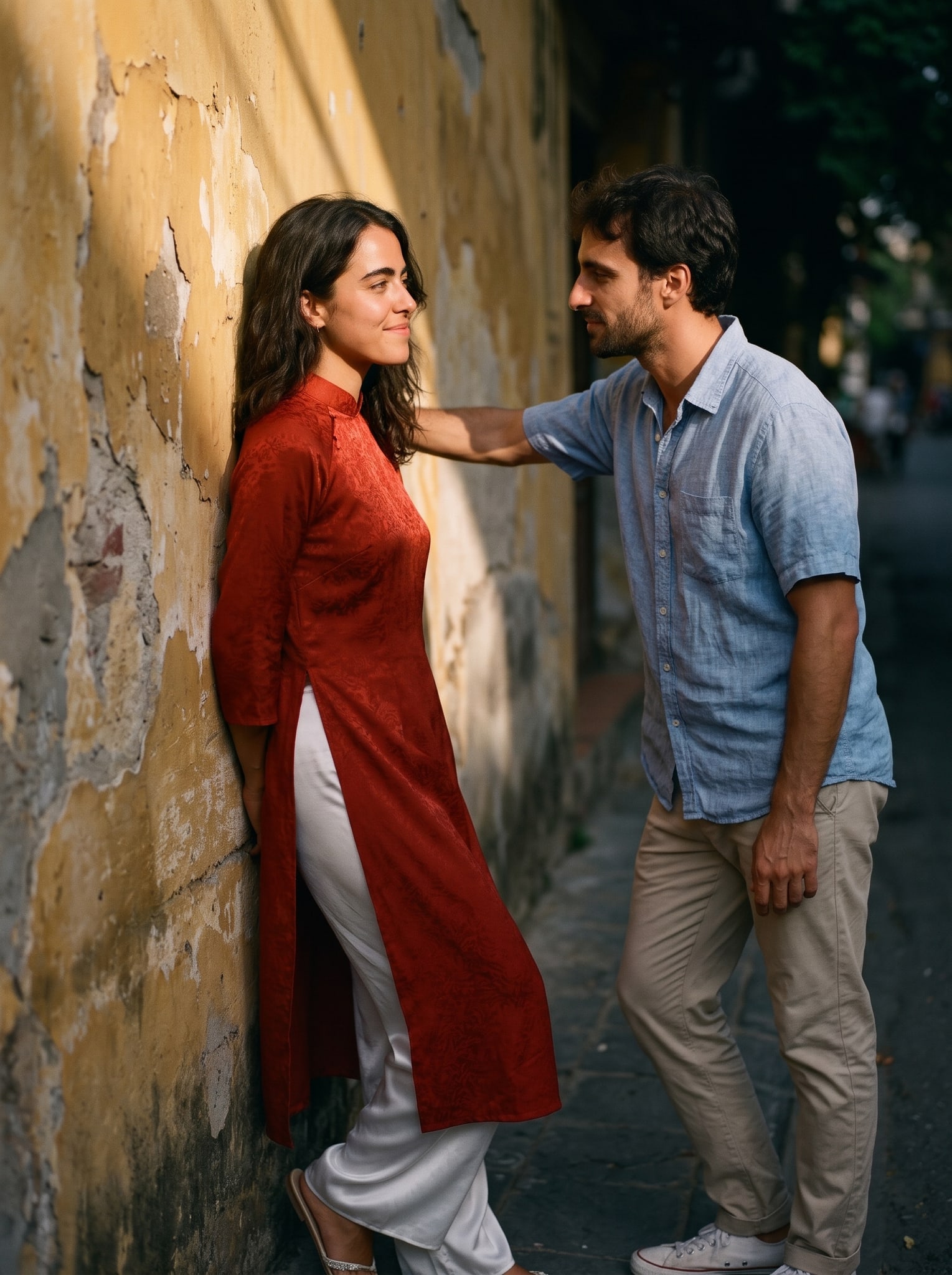
Ao dai rental makes sense in three cities: Hanoi (Old Quarter photoshoots, temples, Hoan Kiem Lake), Ho Chi Minh City / Saigon (Ben Thanh Market, Saigon River walks, formal dinners), Hoi An (Ancient Town, lantern-lit evening strolls), and Da Nang (beach photoshoots, My Khe promenade, weddings). Each city has rental shops near traveler hubs; same-day fitting is standard. Rural villages rarely expect foreigners in ao dai, so village visits don't warrant rental. Temples welcome modest visitors in ao dai; beaches do not (swimming in it is disrespectful and impractical). Tet (Lunar New Year, late January/early February) is peak ao dai season; book 1–2 weeks early. Weddings, graduations, and formal dinners are occasions where rental proves most meaningful—locals photograph with you, invite you to family celebrations, and see genuine respect for their culture.
How does ao dai rental actually work from start to finish?
Ao Dai Diaries' rental process starts with WhatsApp/Zalo contact (+84 338 762 340). You describe the occasion, preferred color (reds and golds for Tet, pastels for spring, jewel tones for evening), and body measurements. A stylist books a fitting appointment at the rental location nearest your hotel—usually within 24 hours. Fitting takes 30–60 minutes: the ao dai is tailored to your exact frame (sizes run XS–XXL) so it drapes correctly. You leave a refundable deposit (amount varies by quality and rental length); payment is cash, bank transfer, or card. Rental typically lasts 1–3 days. Some visitors book same-day rental for photoshoots; others pick up the morning of an event and return the next day. Delivery to your hotel is available. The ao dai arrives pressed and in a garment bag; after wear, you return it clean (minor stains are normal and forgiven). No hidden fees—the quoted price includes fitting, tailoring, delivery, and return. Most rentals run 2–5 million VND (roughly see packages & prices) depending on fabric (cotton vs. silk) and occasion formality.
What's the difference between cotton and silk ao dai, and which should you rent?
| Material | Best for | Feel & drape | Price basis | Durability |
|---|---|---|---|---|
| Cotton blend | Daytime, casual walks, humid wear | Breathable, wrinkle-prone, soft | Budget rental | High (forgiving) |
| Silk | Formal events, photoshoots, evening | Lustrous, cool, elegant, wrinkles easily | Premium rental | Delicate (special care) |
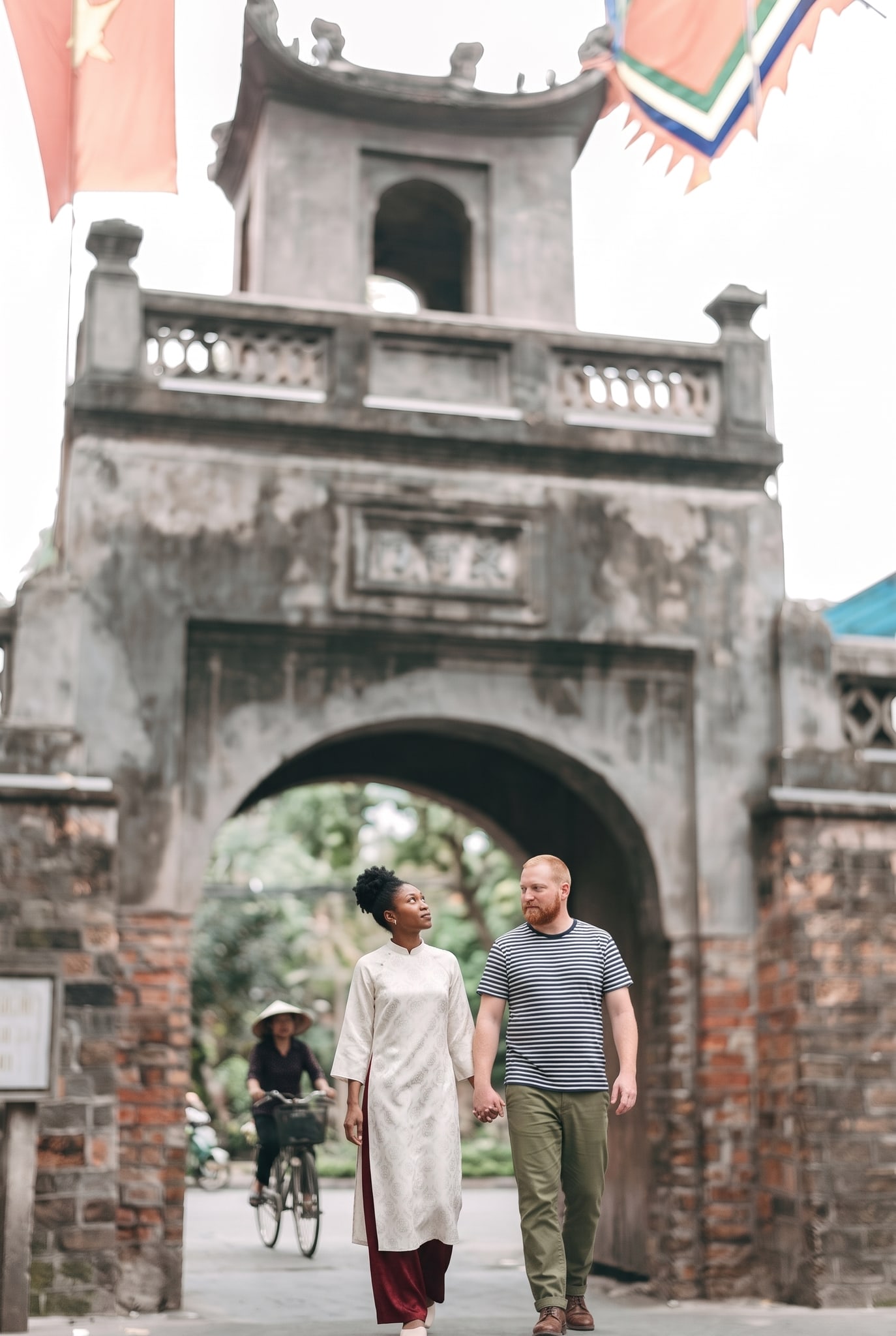
Cotton blends suit Hanoi Old Quarter strolls, Hoi An daytime walks, and casual photoshoots because they breathe and hide sweat. Silk suits weddings, Tet celebrations, and evening dinners because it photographs beautifully and signals formality. Cotton is cheaper and forgiving; silk costs more but looks unmatchably luxe. Ask your stylist which fabric suits your occasion and body comfort—humidity in Saigon or Da Nang makes cotton more practical than northern cities. If you're outdoors for 4+ hours or unsure, choose cotton. If you're indoors for a formal event or one-off photoshoot, silk transforms your images.
📸 Ao dai + photoshoot packages
What should you check before booking to avoid disappointment?
Ask these five questions when contacting Ao Dai Diaries via WhatsApp/Zalo (+84 338 762 340):
- Is the color you want in stock? Reds and golds sell out 3 weeks before Tet. Pastels and jewel tones are reliable year-round.
- Can sizing accommodate your exact waist, bust, and inseam? Tailoring happens during fitting, but the base dress must exist in your size range.
- Is same-day rental available on your date? Peak season (Dec–Feb) fills fast; booking 48 hours ahead is safe.
- Does the deposit refund fully, or are there cleaning fees? Refunds are standard if you return the ao dai by the agreed time and reasonably clean.
- Is delivery included, or only store pickup? Hotel delivery costs extra in some cities; confirm upfront so you're not surprised.
Many renters underestimate tailoring time (fitting + alterations = 1–2 hours) or overestimate their measurements. Bring a tape measure or let the stylist measure you in person. If you're between sizes, choose the larger and let tailoring take it in—this is safer than renting a dress that's too tight.
What other clothing should you pack for Vietnam if you're not renting ao dai every day?
Vietnam's dress code is casual except in fine dining and formal temples. Pack:
- Cotton T-shirts and linen shirts: lightweight, quick-dry, respect shoulders in temples.
- Lightweight trousers or joggers: loose-fitting, breathable, acceptable everywhere (shorts are fine for casual zones but disrespectful in temples).
- One sundress or light blouse: for evening, air-conditioned restaurants, upscale cafes.
- Cardigan or scarf: temples and some attractions require covered shoulders; a lightweight layer is easier than changing.
- Comfortable walking shoes: broken-in trainers or sandals; cobblestones in Hoi An and steep temple steps demand proper support.
- Swimwear and lightweight sarong: beaches and water parks; cover up when leaving the beach.
- Hat and sunscreen: UV is intense year-round; Vietnamese style includes hats and long sleeves for sun protection, not just Western tan culture.
Avoid: transparent fabrics, shorts above the knee in temples, loud political or offensive graphics, heavy denim (too hot). Locals dress modestly; matching their style earns respect and comfort. The ao dai rental guide shows exactly how to style your ao dai with proper footwear and accessories—read it before your fitting so you know what shoes and jewelry enhance the look.
📍 See rental by city
Why renting an ao dai beats wearing casual clothes for your Vietnam trip.
Renting an ao dai (rather than touring in jeans) creates moments casual tourism misses. Temple monks bless you instead of politely ignoring you. Xê ôm (motorcycle taxi) drivers slow down to ask where you're from. Elders in markets offer you tea and ask about your family. Local photographers ask to shoot you for free because your respect for their dress code proves respect for their culture. You'll be invited to family dinners, weddings, and celebrations—real invitations, not transactional tourist experiences. These moments happen rarely or not at all if you're visibly a foreigner in Western casual wear. The ao dai costs no more than a fancy dinner and lasts 3 days of memories that reshape how you see Vietnam. It is the single most practical investment a thoughtful traveler can make.
---

Frequently asked questions
Can I rent an ao dai if I'm not Vietnamese?
Yes—renting is open to all tourists and locals who respect the dress code. Wearing it sincerely (not as costume or mockery) earns admiration. Never sexualize it, mock it, or wear it disrespectfully; Ao Dai Diaries and locals expect genuine cultural respect.
What if the ao dai doesn't fit after tailoring?
Fittings happen before rental, so your stylist confirms the fit in person. If minor adjustments are needed post-fitting, contact your rental shop immediately—they'll refit. Major fit issues are rare because tailoring is thorough.
Is renting cheaper than buying an ao dai online?
Yes. Rental runs see packages & prices–see packages & prices for 1–3 days; decent ao dai cost see packages & prices–see packages & prices to buy. Rental makes sense for short trips or testing the look before buying. For long stays (2+ weeks) or multiple wearings, buying becomes comparable.
Can I wear an ao dai to a beach or swimming?
No. Ao dai is formal, sacred dress for land-based occasions—temples, dinners, celebrations, walks. Swimming in it disrespects the garment and damages silk. Pack swimwear separately.
What if I damage the ao dai during rental?
Minor stains from sweat, food, or accidental spills are normal and forgiven. Major tears, large stains, or intentional damage may reduce your deposit. Disclose accidents to your shop immediately—honesty costs less than covering it up.
Do I need to book ao dai rental in advance, or can I walk in same-day?
Same-day rental is often possible, but 24–48 hours advance booking ensures your size, color, and fitting slot. Peak seasons (Dec–Feb, Tet) fill fast; book 1–2 weeks early. Walk-ins risk no availability.
Can I wear my own ao dai instead of renting?
If you own one, yes—but ensure it's properly tailored to your body and made of quality fabric. Rental shops can style and fit you if you bring your own; ask Ao Dai Diaries if they offer ao dai styling for owned garments.
What's the best city to rent an ao dai, and can I rent in one city and return in another?
Hoi An is most scenic; Hanoi has the most history; Saigon offers premium fabrics. Cross-city returns are not standard—rent and return in the same city to avoid extra fees and complexity.
Frequently asked questions
Can I rent an ao dai if I'm not Vietnamese?
Yes—renting is open to all tourists and locals who respect the dress code. Wearing it sincerely (not as costume or mockery) earns admiration. Never sexualize it, mock it, or wear it disrespectfully; Ao Dai Diaries and locals expect genuine cultural respect.
What if the ao dai doesn't fit after tailoring?
Fittings happen before rental, so your stylist confirms the fit in person. If minor adjustments are needed post-fitting, contact your rental shop immediately—they'll refit. Major fit issues are rare because tailoring is thorough.
Is renting cheaper than buying an ao dai online?
Yes. Rental runs see packages & prices–see packages & prices for 1–3 days; decent ao dai cost see packages & prices–see packages & prices to buy. Rental makes sense for short trips or testing the look before buying. For long stays (2+ weeks) or multiple wearings, buying becomes comparable.
Can I wear an ao dai to a beach or swimming?
No. Ao dai is formal, sacred dress for land-based occasions—temples, dinners, celebrations, walks. Swimming in it disrespects the garment and damages silk. Pack swimwear separately.
What if I damage the ao dai during rental?
Minor stains from sweat, food, or accidental spills are normal and forgiven. Major tears, large stains, or intentional damage may reduce your deposit. Disclose accidents to your shop immediately—honesty costs less than covering it up.
Do I need to book ao dai rental in advance, or can I walk in same-day?
Same-day rental is often possible, but 24–48 hours advance booking ensures your size, color, and fitting slot. Peak seasons (Dec–Feb, Tet) fill fast; book 1–2 weeks early. Walk-ins risk no availability.
Can I wear my own ao dai instead of renting?
If you own one, yes—but ensure it's properly tailored to your body and made of quality fabric. Rental shops can style and fit you if you bring your own; ask Ao Dai Diaries if they offer ao dai styling for owned garments.
What's the best city to rent an ao dai, and can I rent in one city and return in another?
[Hoi An](/hoi-an) is most scenic; [Hanoi](/hanoi) has the most history; [Saigon](/ho-chi-minh-city) offers premium fabrics. Cross-city returns are not standard—rent and return in the same city to avoid extra fees and complexity.
Dozens of colours, all sizes XS–XXL, delivered to your hotel in Hanoi, Saigon, Hoi An or Da Nang. One WhatsApp or Zalo message.
More guides
You might also like
The ao dai is Vietnam's iconic silk dress, worn for celebrations and formal occasions. Ao Dai Diarie
May is Vietnam's hottest month before monsoon season. We'll help you choose the right outfit—whether
December weather in Vietnam is cool and dry—ideal for wearing the ao dai. Here's what suits the seas