guide/ao-dai
What to Wear on Holiday in Vietnam: Ao Dai vs. Casual Wear
Ao Dai Diaries team · All guides →
Vietnam's holiday wardrobe divides into two paths: renting or buying. Most travelers pack lightweight cotton and breathable layers for tropical heat and humidity (avg. 27–32°C year-round), then rent an ao dai locally for photoshoots, Tet celebrations, or cultural events. Renting from Ao Dai Diaries (available in Hanoi, Ho Chi Minh City, Hoi An, Da Nang) costs from around see packages & prices (~see packages & prices) for a one-day rental with fitting and delivery to your hotel; buying quality casual wear runs see packages & prices per piece. Avoid heavy fabrics, closed shoes on humid days, and overpacking formal wear—most occasions welcome casual-smart dress. Rent an ao dai if you want authentic photos and cultural respect; buy everyday wear for comfort and practicality. ---
What climate and fabrics work best for Vietnam holidays?
Vietnam's heat and humidity (May–October: 85–95% humidity; November–April: 60–75%) demand natural, breathable fabrics. Cotton, linen, and silk blends wick sweat and dry fast; synthetic polyester traps moisture and feels sticky after two hours outdoors. Most travelers who pack wool, denim, or heavy blends regret it by day two. Lightweight linen shirts, cotton trousers, and breathable sundresses keep you cool without looking unkempt. The ao dai—traditionally 100% silk or silk-cotton blend—naturally suits tropical wear: it's loose, long, and elegant, making it perfect for temple visits, family dinners, or sunset photoshoots where casual cotton t-shirts feel too informal. Conclusion: prioritize cotton and linen; rent ao dai for formal or cultural moments.
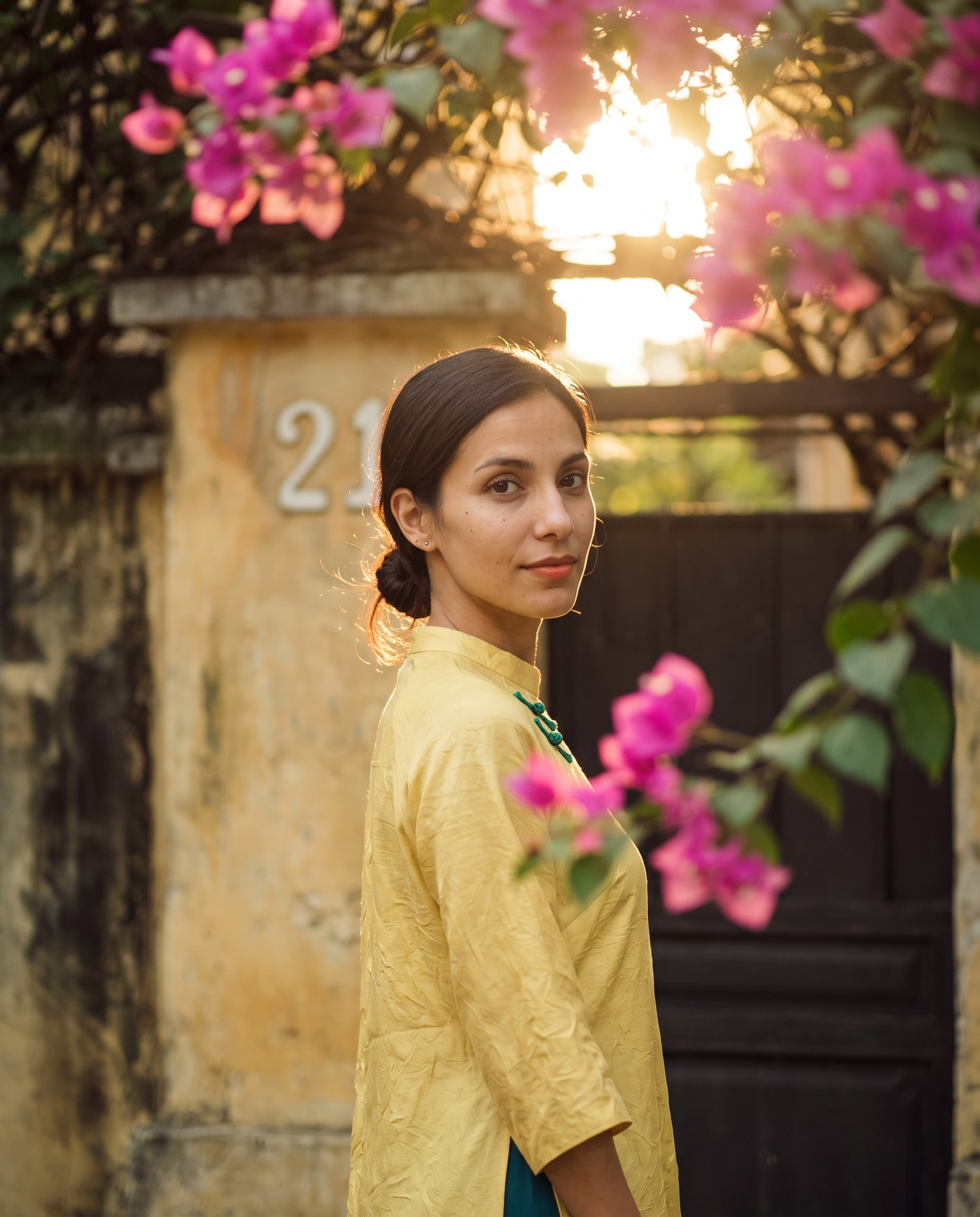
Why rent an ao dai instead of buying one?
Buying an ao dai abroad (tailored versions: see packages & prices+ USD) locks you into one color, fit, and style. Renting from Ao Dai Diaries across four cities lets you wear 3–5 different designs during your trip—silk red for Tet, pastel blue for the beach, embroidered versions for weddings—without luggage strain or storage cost. Rentals include professional fitting (XS–XXL, custom adjustments in 1–2 hours), hotel delivery, and styling advice. A one-day rental runs roughly see packages & prices (~see packages & prices) per person; a tailored purchase costs 4–20 times more. Plus, renting respects the tradition: you wear it correctly, return it intact, and avoid the common mistake of treating authentic ao dai as casual costume. Conclusion: rent for variety and authenticity; buy only if you plan to wear it regularly at home.
👗 Rent your ao dai — WhatsApp/Zalo +84 338 762 340
What should you wear for different Vietnam holiday occasions?
| Occasion | Outfit Choice | Rent or Buy? | Why |
|---|---|---|---|
| City stroll, café, shopping | Lightweight cotton dress, linen shorts, breathable sneakers | Buy | Practical, washable, worn daily |
| Temple, pagoda, sacred site | Ao dai or knee-length skirt + long sleeves | Rent ao dai | Shows respect; mandatory at some temples |
| Beach, pool, resort | Swimwear + sarong or lightweight cover-up | Buy | Functional; rental ao dai not suitable |
| Wedding, family dinner | Formal ao dai or tailored smart-casual | Rent ao dai | Elegant, culturally appropriate, no pressure to own |
| Photoshoot (landscape, Tet, graduation) | Ao dai in 2–3 colors + accessories | Rent ao dai | Professional styling included; iconic photos |
| Casual dinner, night market | Casual cotton dress, lightweight pants | Buy | Comfort + ease; no formality needed |
| Hiking, outdoor activity | Moisture-wicking shirt, sturdy shorts, hat | Buy | Durability; rental ao dai vulnerable to sweat stains |
Temple visits and formal events almost always benefit from ao dai; casual daily wear demands practical, washable pieces you own. See our ao dai rental packages for photoshoots and weddings.
How do you avoid common packing mistakes on a Vietnam holiday?
Travelers often overpack and then regret specific choices within days. Here's what not to bring: (1) More than three pairs of shoes—humidity ruins leather quickly; stick to breathable sandals and one pair of lightweight sneakers. (2) Heavy jeans or closed long pants—they trap sweat and take 12+ hours to dry. (3) Formal dresses or suits for everyday wear—most dinners are smart-casual; rent ao dai if formality is needed. (4) More than seven days' worth of clothes—laundry service is cheap (see packages & prices / ~see packages & prices per load) and fast (24–48 hours). (5) Sunscreen and toiletries packed from home—available cheaply everywhere, saving luggage space. (6) Treating ao dai as a casual costume—it's respected traditional wear; wear it only for appropriate occasions and ask a local or rental staff how to style it. The best holiday wardrobes for Vietnam contain 5–7 lightweight basics (cotton shirts, shorts, light skirts) rotated through laundry, plus one or two rented ao dai for special days. Conclusion: pack light, wash often, rent culturally significant pieces.

Should you buy ao dai or rent one on arrival?
Buying before travel means guessing your size and style; buying on arrival means no fitting experience and rushed tailoring. Renting is the smart middle path: you arrive, contact Ao Dai Diaries via WhatsApp/Zalo (+84 338 762 340), book your size and color 1–3 days ahead, visit a fitting session (1–2 hours, or arrange hotel fitting), and receive your ao dai tailored and delivered same-day or next-day. The deposit (refundable, typically see packages & prices / ~see packages & prices per the rental terms) secures your booking and covers damage. If you fall in love, many shops offer purchase at slightly reduced rates post-rental. Buying as a tourist online before arrival risks incorrect sizing (Vietnamese sizing runs small, XS is often US 0–2, XXL is US 12–14); buying in-country without rental advice risks poor quality or overpaying for tourist markup. Conclusion: rent first, buy only if you wear it at home regularly post-trip.
📸 Ao dai + photoshoot packages
What should you check before booking an ao dai rental?
Use this checklist to avoid disappointment:
- Sizing: Request a fitting appointment. Measure your bust, waist, hip, and inseam before contacting Ao Dai Diaries—staff will confirm fit and offer XS–XXL options. Avoid ordering online-only without photos or a phone consultation.
- Fabric and care: Confirm whether the ao dai is silk, silk-cotton blend, or cotton. Silk wrinkles easily; silks-cotton resists creases better. Ask if the rental includes pressing or if you should request it.
- Accessories and styling: Check whether the rental includes a traditional scarf (khăn or shawl), headpiece, or undergarments. Most rentals do; some charge extra for premium pieces.
- Delivery and timing: Verify same-day or next-day delivery to your hotel. Ask how long a fitting takes (typically 1–2 hours). Book 1–3 days in advance for peace of mind.
- Damage and deposit: Clarify what counts as "damage" vs. normal wear. A small stain or loose thread is normal; tears or permanent marks require a deposit deduction. Review the refund policy.
- Color and occasion match: Provide context (temple, wedding, photoshoot, Tet). Staff will recommend colors: white/cream for purity, red/gold for luck, pastels for softness. Avoid mismatches that look disrespectful or out of place.
- Return and hotel pickup: Confirm closing times and whether staff pick up from your hotel. Most services include 24-hour rental + same-day pickup.
Contact Ao Dai Diaries across Hanoi, Ho Chi Minh City, Hoi An, or Da Nang at least one full day before your planned wear date.
📍 See rental by city
---
What to check before you buy casual wear for Vietnam
If purchasing clothes on arrival or before travel, inspect these points:
- Fabric weight: Hold the garment up to light. See-through or thin materials are uncomfortable (and risky) in humid heat.
- Seam quality: Run your fingers along seams. Loose stitching unravels fast in tropical laundry cycles.
- Color fastness: Ask the shop whether dyes are colorfast. Cheap dyes bleed onto skin and other clothes.
- Fit in humidity: Try clothing on and move around for 2–3 minutes. Does it cling to your body? Will it feel clingy after an hour in 85% humidity?
- Footwear: Leather shoes mildew in humidity; canvas or breathable material dries fast and lasts longer.
- Price vs. quality: A see packages & prices cotton t-shirt from a reputable shop often outlasts a see packages & prices synthetic knockoff. Feel the fabric; don't just read the tag.
---
Frequently asked questions
Can I wear casual clothes to temples and pagodas in Vietnam?
Most temples welcome casual dress, but knees and shoulders should be covered. Wearing an ao dai rental shows deeper respect and is often preferred at active pilgrimage sites. Always ask staff on arrival.
What's the humidity like during Vietnam holidays, and how should I pack?
Vietnam averages 60–95% humidity year-round; May–October is hottest and wettest. Pack 70% natural fibers (cotton, linen, silk); bring moisture-wicking layers, a lightweight rain jacket, and breathable shoes. Plan to wash clothes every 2–3 days.
Is it cheaper to buy an ao dai at home or rent one in Vietnam?
A quality ao dai to own costs see packages & prices–see packages & prices+ USD; renting costs ~see packages & prices–see packages & prices USD per day. Rent if visiting once; buy only if you'll wear it regularly after your trip. Renting also guarantees correct sizing through a fitting appointment.
Do I need to book an ao dai rental in advance, or can I walk in?
Walk-ins are possible in major rental hubs (Hoi An, Da Nang), but advance booking (1–3 days) ensures your size, color, and style. Use WhatsApp/Zalo +84 338 762 340 to reserve and send photos of your choice.
What colors should I choose for an ao dai rental, and do they mean anything?
Red and gold symbolize luck and celebration (Tet, weddings); white and cream suggest purity (formal daytime events); pastels (blue, pink, lavender) suit photoshoots and casual outings. Ask Ao Dai Diaries rental staff for personalized color advice based on your occasion.
Can I wear a rented ao dai to the beach or for swimming?
No. Ao dai are formal or semi-formal wear, vulnerable to salt water, sand, and chlorine stains. Wear a swimsuit to the beach and rent an ao dai for sunset photos afterward if desired. The fabric and fit risk permanent damage in water.
Do I need to return an ao dai rental on the same day, or can I extend it?
Most rentals are 24-hour (same-day return); extensions are possible for a small daily fee if availability allows. Ask Ao Dai Diaries about multi-day or multi-outfit packages when you book.
What should I do if I damage an ao dai rental during my holiday?
Small stains, wrinkles, and loose threads are normal wear. Tears, permanent stains, or burns may incur a deposit deduction (typically 10–50% of the rental fee). Review the damage policy when you collect the ao dai; ask staff to photograph the condition together so there are no surprises at return.
Frequently asked questions
Can I wear casual clothes to temples and pagodas in Vietnam?
Most temples welcome casual dress, but knees and shoulders should be covered. Wearing an [ao dai rental](/guide/ao-dai) shows deeper respect and is often preferred at active pilgrimage sites. Always ask staff on arrival.
What's the humidity like during Vietnam holidays, and how should I pack?
Vietnam averages 60–95% humidity year-round; May–October is hottest and wettest. Pack 70% natural fibers (cotton, linen, silk); bring moisture-wicking layers, a lightweight rain jacket, and breathable shoes. Plan to wash clothes every 2–3 days.
Is it cheaper to buy an ao dai at home or rent one in Vietnam?
A quality ao dai to own costs see packages & prices–see packages & prices+ USD; renting costs ~see packages & prices–see packages & prices USD per day. Rent if visiting once; buy only if you'll wear it regularly after your trip. Renting also guarantees correct sizing through a fitting appointment.
Do I need to book an ao dai rental in advance, or can I walk in?
Walk-ins are possible in major rental hubs (Hoi An, Da Nang), but advance booking (1–3 days) ensures your size, color, and style. Use WhatsApp/Zalo [+84 338 762 340](https://wa.me/84338762340) to reserve and send photos of your choice.
What colors should I choose for an ao dai rental, and do they mean anything?
Red and gold symbolize luck and celebration (Tet, weddings); white and cream suggest purity (formal daytime events); pastels (blue, pink, lavender) suit photoshoots and casual outings. Ask [Ao Dai Diaries rental staff](/rent) for personalized color advice based on your occasion.
Can I wear a rented ao dai to the beach or for swimming?
No. Ao dai are formal or semi-formal wear, vulnerable to salt water, sand, and chlorine stains. Wear a swimsuit to the beach and rent an ao dai for sunset photos afterward if desired. The fabric and fit risk permanent damage in water.
Do I need to return an ao dai rental on the same day, or can I extend it?
Most rentals are 24-hour (same-day return); extensions are possible for a small daily fee if availability allows. Ask [Ao Dai Diaries](/how-it-works) about multi-day or multi-outfit packages when you book.
What should I do if I damage an ao dai rental during my holiday?
Small stains, wrinkles, and loose threads are normal wear. Tears, permanent stains, or burns may incur a deposit deduction (typically 10–50% of the rental fee). Review the damage policy when you collect the ao dai; ask staff to photograph the condition together so there are no surprises at return.
Dozens of colours, all sizes XS–XXL, delivered to your hotel in Hanoi, Saigon, Hoi An or Da Nang. One WhatsApp or Zalo message.
More guides
You might also like
The ao dai is Vietnam's iconic silk dress, worn for celebrations and formal occasions. Ao Dai Diarie
May is Vietnam's hottest month before monsoon season. We'll help you choose the right outfit—whether
December weather in Vietnam is cool and dry—ideal for wearing the ao dai. Here's what suits the seas